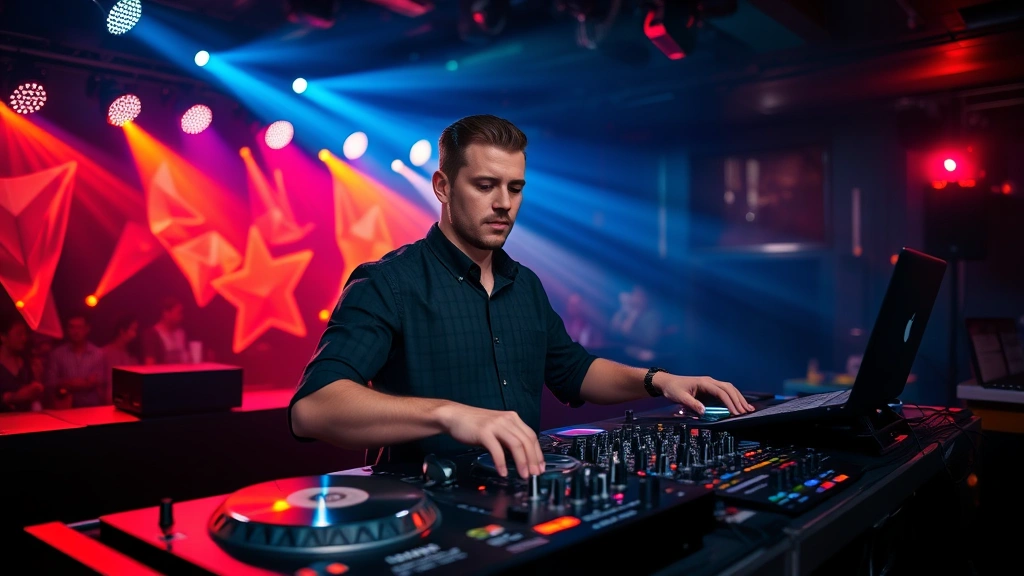
Understanding DJ Law: Legal Insights for Disc Jockeys and Music Professionals
Disc jockeys operate in a complex legal landscape where entertainment, intellectual property, and business regulations intersect. Whether you’re spinning tracks at a nightclub, streaming online, or performing at private events, understanding DJ law is essential to protect your career and avoid costly legal disputes. This comprehensive guide explores the critical legal considerations that every DJ must navigate, from licensing requirements and copyright issues to contract negotiations and liability concerns.
The music industry has evolved dramatically with digital technology, creating new opportunities and legal challenges for DJs worldwide. From royalty payments to venue responsibilities, the legal framework governing DJ work encompasses multiple jurisdictions and regulatory bodies. Understanding these requirements helps you operate professionally while respecting artists’ rights and protecting yourself from potential litigation.
Music Licensing and Copyright Compliance
Music licensing represents one of the most critical legal areas for DJs. Every song you play is protected by copyright, and using copyrighted material without proper authorization violates federal law. The Digital Millennium Copyright Act (DMCA) and various international copyright treaties establish the framework for how DJs can legally use music in their performances.
When you purchase a physical record or digital track, you’re buying a copy of the music—not the right to use it publicly. Public performance rights are separate from ownership rights. This distinction is fundamental to understanding DJ law. Venues, streaming platforms, and event organizers must obtain proper licenses before DJs can legally perform copyrighted music.
There are three primary types of music licenses relevant to DJ performances:
- Synchronization Licenses: Required when combining music with visual content, such as music videos or live-streamed performances with video elements
- Public Performance Licenses: Necessary for any public performance of copyrighted music, including radio broadcasts, club performances, and streaming
- Mechanical Licenses: Required when reproducing music, such as creating remixes or mashups that are distributed to the public
The responsibility for obtaining these licenses typically falls on the venue or event organizer rather than the DJ. However, DJs who operate independently or maintain control over their performances should understand their licensing obligations. Many DJs work as independent contractors, which may shift certain legal responsibilities to them depending on the contract terms and local regulations.
Understanding how to protect intellectual property becomes crucial when DJs create original content or remixes. Your original DJ mixes and productions deserve the same legal protection as commercially released music.
Performance Rights Organizations
Performance Rights Organizations (PROs) are the backbone of music licensing in the entertainment industry. These organizations collect licensing fees from venues and broadcasters, then distribute royalties to songwriters, composers, and music publishers. In the United States, the primary PROs are ASCAP (American Society of Composers, Authors and Publishers), BMI (Broadcast Music, Inc.), and SESAC.
Venues that host DJ performances must obtain licenses from these organizations to legally play copyrighted music. The licensing fees are typically based on factors such as venue capacity, music performance frequency, and the nature of the event. Failure to obtain proper PRO licenses can result in significant legal penalties and lawsuits.
DJs should verify that venues have current licenses before performing. This protects both the venue and the DJ from potential copyright infringement liability. Many PROs maintain online databases where you can search for licensed venues and check a business’s licensing status.
International DJ law involves additional complexity with organizations like PRS for Music (UK), SACEM (France), and GEMA (Germany). If you perform internationally, understanding the PRO requirements in each country is essential. Many artists choose to register with multiple PROs to ensure comprehensive coverage across different territories.
The relationship between DJs and PROs has evolved with digital streaming. Streaming platforms like Spotify, Apple Music, and SoundCloud handle PRO licensing on behalf of DJs and artists, but understanding how royalties are calculated and distributed remains important for your financial planning.
Contracts and Booking Agreements
Professional DJ work almost always involves written contracts. These agreements establish the terms of your engagement, compensation, responsibilities, and liability. A well-drafted contract protects both parties and prevents misunderstandings that could lead to disputes or litigation.
Essential elements of a DJ booking agreement include:
- Performance date, time, and location
- Compensation amount and payment terms
- Equipment and technical requirements
- Cancellation policies and penalties
- Liability and insurance responsibilities
- Intellectual property rights for recorded performances
- Confidentiality and non-compete clauses
- Dispute resolution procedures
Many DJs use standardized contracts, but customization for specific engagements is important. Contracts should clearly specify who is responsible for obtaining music licenses and whether the venue holds the proper PRO licenses. This protects you from inadvertently participating in copyright infringement.
Payment terms deserve particular attention. Specify whether compensation is due before, during, or after the performance. Include provisions for overtime if your set extends beyond the agreed time. Address what happens if the event is cancelled by the venue or if equipment failures prevent you from performing.
For complex bookings or high-value engagements, consulting with an entertainment attorney is wise. Legal guidance on defamation and reputation protection becomes relevant if disputes involve public statements about your professional conduct.
Recording rights present another contractual consideration. If your performance will be recorded, broadcast, or distributed, the contract should specify how you’ll be compensated for these uses. Many DJs retain rights to their original mixes, which have commercial value for promotion and sales.
Liability and Insurance Requirements
DJ performances involve potential legal liability that requires proper insurance protection. While you’re typically not responsible for attendee behavior, accidents involving your equipment or negligent acts can create liability exposure. Professional liability insurance protects you from lawsuits related to your performance or professional conduct.
General liability insurance covers bodily injury or property damage claims. If someone is injured at an event where you’re performing, the venue typically carries liability insurance as the property owner. However, some contracts may require DJs to carry their own coverage or to be named as additional insureds on the venue’s policy.
Equipment insurance is equally important. Your DJ equipment represents a significant investment, and loss or damage during transport or storage can be financially devastating. Equipment insurance covers theft, accidental damage, and loss during performances.
Venues often require DJs to maintain specific insurance coverage as a condition of booking. The contract should specify insurance requirements, including minimum coverage amounts and whether the venue needs to be named as an additional insured. Professional DJ associations often provide group insurance options at favorable rates.
Beyond insurance, understanding venue liability is important. Different venues have different safety standards and legal compliance records. Before accepting a booking, verify that the venue maintains proper safety certifications, building permits, and occupancy compliance. Performing at an illegal or unsafe venue could expose you to liability.
Intellectual Property Protection
DJs create valuable intellectual property through original mixes, remixes, and productions. Protecting this intellectual property is essential for building a sustainable music career. Copyright law automatically protects original works, but taking additional steps strengthens your legal position.
When you create an original mix or remix, you own the copyright in your creative expression. However, the underlying musical compositions and sound recordings remain owned by the original artists and rights holders. This distinction is crucial. You can own copyright in your remix while respecting the copyrights of the original creators.
Registering your original works with the U.S. Copyright Office creates a public record and provides legal advantages if you need to enforce your rights. Registration allows you to seek statutory damages and attorney’s fees in infringement cases, which strengthens your negotiating position and provides better legal protection.
Understanding intellectual property protection strategies helps you maximize the value of your creative work. For DJs, this includes protecting original mixes, beat production, and unique arrangements.
Sampling and interpolation present special intellectual property considerations. If you incorporate samples or portions of existing recordings in your work, you need both synchronization and mechanical licenses. Unauthorized sampling violates copyright law and exposes you to significant liability.
Digital rights management (DRM) and watermarking technologies can help protect your original content from unauthorized distribution. Many DJs use these tools to protect exclusive mixes and productions released on platforms like Beatport or Bandcamp.
Tax Obligations for DJ Professionals
DJ work generates income that has specific tax implications. Whether you’re a full-time professional or part-time performer, understanding your tax obligations ensures compliance and helps you maximize deductions.
Most DJs operate as self-employed independent contractors. This status requires quarterly estimated tax payments and annual income tax filings. You must report all performance income, including cash payments and tips, to the IRS. Failure to report income can result in penalties, interest, and potential criminal charges.
Business deductions available to DJs include:
- Equipment purchases and maintenance
- Software subscriptions and digital tools
- Travel and transportation expenses
- Marketing and promotional costs
- Music licensing and PRO fees
- Insurance premiums
- Professional development and training
- Home office expenses (if applicable)
Keeping detailed records of all income and expenses is essential for tax compliance. Many DJs use accounting software to track revenue and expenses throughout the year. This documentation also helps if you’re ever audited by the IRS.
Some DJs form business entities like LLCs or S-corporations for tax advantages and liability protection. The appropriate business structure depends on your income level, number of employees, and specific circumstances. Consulting with a tax professional or accountant helps you choose the optimal structure.
Self-employment tax is another consideration. As a self-employed DJ, you pay both the employer and employee portions of Social Security and Medicare taxes. This typically amounts to about 15.3% of your net self-employment income.
State and local taxes also apply to DJ income. Some states and cities impose income taxes, and certain jurisdictions require business licenses or permits for entertainment professionals. Researching the requirements in your specific location ensures full compliance.

Understanding alternative dispute resolution options becomes valuable if you encounter payment disputes with venues or clients. Mediation and arbitration can resolve disagreements more quickly and cost-effectively than litigation.
International DJ Law Considerations
DJs who perform internationally face additional legal complexity. Each country has different copyright laws, PRO requirements, visa regulations, and tax obligations. Understanding these variations is essential for global DJ careers.
The Berne Convention for the Protection of Literary and Artistic Works establishes international copyright standards. Signatory countries agree to protect copyrights of works created by nationals of other signatory countries. This provides baseline copyright protection across most countries worldwide.
However, specific licensing requirements vary significantly. European Union copyright law differs from U.S. law in important ways. For example, the EU recognizes neighboring rights for performers, which provides additional compensation opportunities for DJs. Understanding these differences helps you maximize income and ensure compliance.
Visa and work permit requirements are critical for international performances. Many countries require work permits for foreign entertainers, even for short-term performances. Violating work permit requirements can result in fines, deportation, and bans from future entry.
Currency exchange, international payment processing, and tax treaties also affect international DJ work. Professional DJs often engage international entertainment attorneys or agents who specialize in navigating these complexities.

Emerging Legal Issues in DJ Law
The DJ industry continues to evolve, creating new legal challenges. Streaming platforms have transformed how music is consumed, affecting licensing and royalty structures. Artificial intelligence and music production tools raise questions about copyright and authorship that legal systems are still developing.
Deepfake technology and synthetic vocals create potential liability issues. Using AI-generated music that mimics an artist’s voice without permission could violate publicity rights and copyright law. Understanding these emerging issues helps DJs stay ahead of legal developments.
Social media and online streaming create new performance rights considerations. Live-streaming your DJ set triggers public performance rights requirements, even though you’re not performing in a traditional venue. Platforms like Twitch and Instagram require proper music licensing for streamed performances.
NFTs and blockchain technology are creating new opportunities for DJs to monetize their work, but the legal framework around digital assets is still developing. Understanding intellectual property implications of NFTs helps DJs protect their interests as this technology evolves.
FAQ
Do DJs need their own music licenses?
Typically, the venue or event organizer is responsible for obtaining music licenses from Performance Rights Organizations. However, DJs should verify that proper licenses are in place before performing. If you operate independently or have control over the performance, you may be responsible for licensing. Always clarify these responsibilities in your booking contract.
What happens if a venue doesn’t have proper music licenses?
Venues without proper licenses are violating copyright law and face significant legal consequences, including lawsuits from PROs and artists. DJs performing at unlicensed venues may inadvertently participate in copyright infringement. To protect yourself, verify licensing status before accepting bookings.
Can DJs legally use copyrighted music in their mixes?
Yes, but with restrictions. Using copyrighted music requires proper licensing. The venue or performer must obtain public performance licenses. If you create remixes or mashups for distribution, you need mechanical licenses. Understand the specific requirements for your type of performance.
Should DJs carry liability insurance?
Professional liability and equipment insurance are highly recommended. Many venues require proof of insurance before booking DJs. Insurance protects you from financial liability if someone is injured or your equipment is damaged. Coverage costs are typically modest compared to potential liability exposure.
How do DJs get paid for streaming performances?
Streaming platforms handle licensing and pay royalties to rights holders based on streams. As a DJ, you may earn royalties if your original mixes are streamed. The amount depends on platform rates and the number of streams. Registering your work with PROs and music distributors ensures you receive applicable royalties.
What should be included in a DJ booking contract?
Essential elements include performance date and time, compensation amount and payment terms, equipment requirements, cancellation policies, liability responsibilities, music licensing verification, and dispute resolution procedures. Customizing contracts for specific engagements protects both you and the client.
Are there different legal requirements for club DJs versus wedding DJs?
Yes. Club performances typically involve higher-capacity venues and longer sets, affecting licensing costs. Wedding performances may have different insurance requirements and contract terms. Understanding the specific legal requirements for your type of performance ensures proper compliance.
How do tax obligations work for independent DJs?
Independent DJs are self-employed and must report all income to the IRS. Quarterly estimated tax payments are typically required. You can deduct business expenses including equipment, software, and travel. Maintaining detailed records and consulting with a tax professional helps ensure compliance and maximizes deductions.


