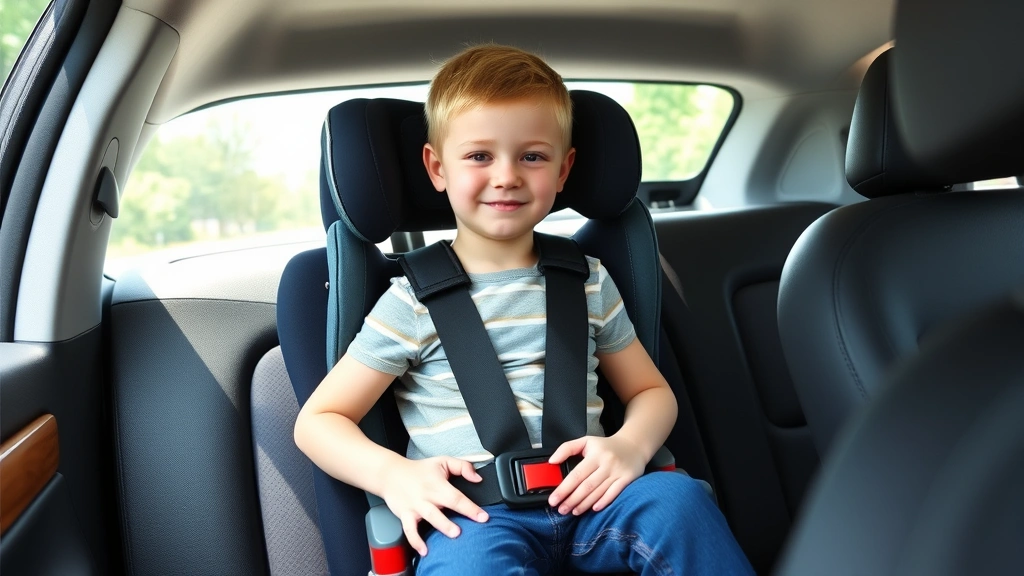
California Booster Seat Law: Expert Overview
Child passenger safety remains one of the most critical concerns for California parents and caregivers. The California booster seat law establishes mandatory requirements designed to protect children during vehicle travel by ensuring proper restraint system usage. Understanding these legal requirements is essential for compliance and, more importantly, for safeguarding young passengers from serious injury or death in traffic accidents.
California’s child safety seat laws are among the most comprehensive in the nation, reflecting the state’s commitment to reducing preventable injuries and fatalities among children. These regulations specify exactly what type of restraint system is appropriate for each age, weight, and height category, and violations can result in significant fines and points on your driving record. Whether you’re a parent, guardian, caregiver, or educator, knowing the specifics of California booster seat requirements helps ensure you’re providing the highest level of protection for the children in your care.
Understanding California’s Child Passenger Safety Laws
California Vehicle Code Section 27360 forms the foundation of the state’s child passenger safety requirements. This statute mandates that all children riding in motor vehicles must be properly restrained using appropriate safety devices. The law applies to all vehicles, including private automobiles, rideshare services, and taxis, though certain exceptions exist for specific circumstances.
The legal framework distinguishes between different types of restraint systems based on a child’s developmental stage. Infants and very young children require rear-facing car seats, toddlers progress to forward-facing seats with harnesses, and older children use booster seats before transitioning to standard seat belts. This graduated approach reflects extensive research demonstrating that each restraint type provides optimal protection at different ages and sizes.
California’s law is stricter than federal guidelines in several respects. While federal standards (NHTSA) provide minimum requirements, California often mandates continued use of booster seats beyond what federal regulations require. This reflects the state’s proactive stance on child safety and recognition that proper positioning of the standard seat belt is crucial for preventing internal injuries, particularly to the abdomen and chest.
The California Highway Patrol and local law enforcement agencies actively enforce these requirements. Officers can cite drivers for violations, and the citations carry both financial penalties and vehicle code points. Additionally, personal injury law firms often reference booster seat violations when evaluating liability in accident cases, as failure to properly restrain a child may constitute negligence.
Age, Weight, and Height Requirements
California law establishes specific criteria that determine which restraint system is appropriate for each child. The requirements are based on age, weight, and height, with the law requiring the use of the most protective system suitable for the child’s current measurements.
Infants and Rear-Facing Seats: Children must remain in rear-facing car seats until they reach the maximum height or weight limit specified by the seat manufacturer, or until they reach 2 years of age. Most modern rear-facing seats accommodate children up to 40-50 pounds and heights of 40-49 inches. Rear-facing positioning is significantly safer because it supports the child’s head, neck, and spine during frontal collisions, which are the most common crash type.
Forward-Facing Seats with Harnesses: Once children exceed the rear-facing seat limits, they transition to forward-facing seats with integrated five-point harnesses. California requires forward-facing seats with harnesses until the child reaches the maximum weight or height limit of the specific seat, typically between ages 4-7 and 40-65 pounds, depending on the model.
Booster Seats: This is where California’s booster seat law becomes particularly specific. Children must use booster seats until they are at least 8 years old AND weigh at least 80 pounds AND are at least 57 inches tall. Booster seats position the child so that the vehicle’s standard lap and shoulder belt fit properly across the stronger parts of their body—the hips and chest—rather than across the abdomen.
If a child meets all three criteria (age, weight, and height), they may transition to using only the vehicle’s standard seat belt. However, if they meet only some criteria, they must continue using a booster seat. For example, a 9-year-old who weighs only 70 pounds and is 54 inches tall must still use a booster seat because they don’t meet the weight and height requirements.
Types of Booster Seats and Proper Installation
Understanding the different booster seat categories helps parents select the most appropriate option for their child. California recognizes two primary types of booster seats, each serving specific purposes.
High-Back Booster Seats: These seats feature a tall back that provides head and neck support, making them ideal for vehicles without headrests or with low seat backs. High-back boosters offer side-impact protection and help position the shoulder belt correctly across the child’s shoulder rather than their neck. They’re particularly useful in older vehicles or three-across seating configurations.
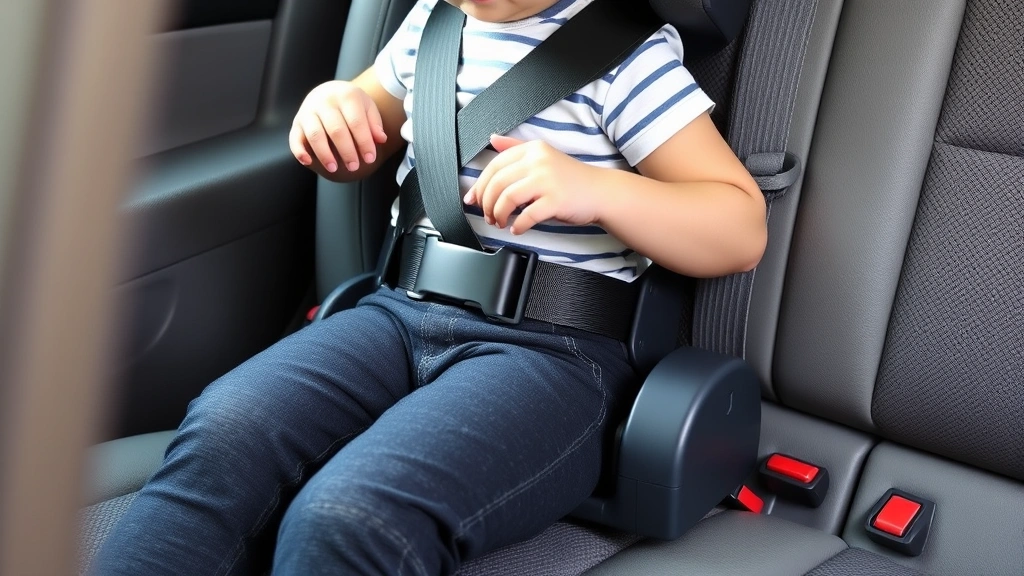
Backless Booster Seats: Also called belt-positioning boosters, these seats elevate the child and position the lap and shoulder belt correctly without providing back support. They’re lighter, more portable, and easier to move between vehicles. However, they’re only appropriate for vehicles with functioning headrests and adequate seat back support. Many parents prefer backless boosters for convenience, but high-back versions offer superior protection in certain scenarios.
Proper installation is critical for booster seat effectiveness. The seat must be secured firmly to the vehicle seat—it shouldn’t slide or shift during normal driving. Many parents make mistakes during installation, such as placing the booster on top of other cushions, using it on bench seats, or failing to ensure the seat belt is routed correctly through the booster’s guides.
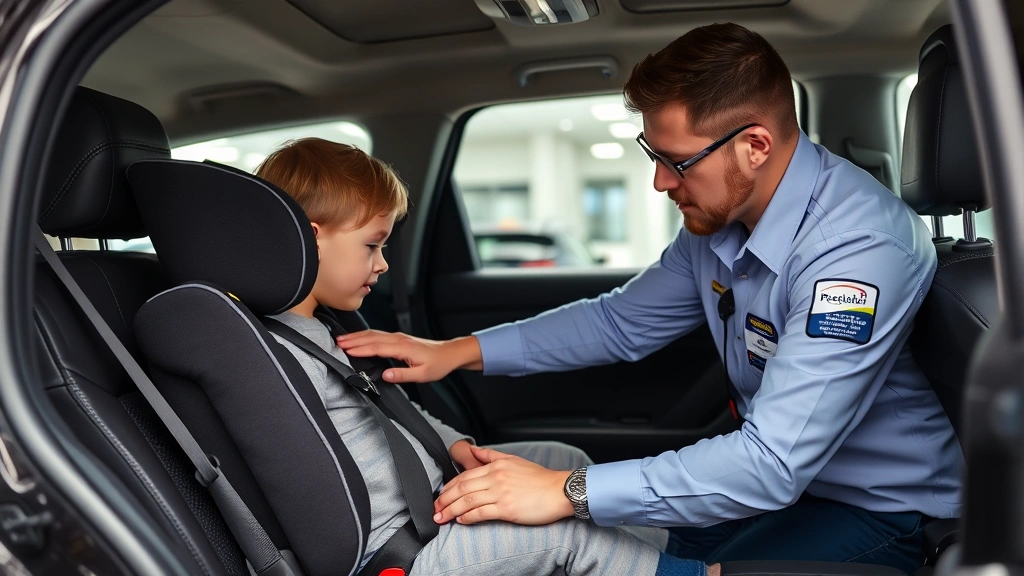
California offers free car seat inspection services through certified child passenger safety technicians. These professionals can verify proper installation and educate parents about correct usage. Many local fire departments, hospitals, and community health centers provide these services. Utilizing these resources ensures compliance with California booster seat law and maximizes protection for the child.
Penalties and Fines for Non-Compliance
California enforces booster seat requirements through a citation system that carries both financial and administrative consequences. Understanding these penalties emphasizes the importance of compliance.
Fine Amounts: The base fine for violating California’s child passenger safety law is $100 for the first offense, $250 for a second offense within 36 months, and $500 for a third or subsequent offense within 36 months. However, with court costs, assessments, and potential penalty additions, the total cost can easily exceed $400-500 for a first offense.
Vehicle Code Points: Unlike some traffic violations that are infractions without point consequences, child safety seat violations add points to your driving record. A first violation adds one point to your vehicle code record, which may increase insurance premiums. Accumulating points can lead to license suspension or revocation if you receive too many violations within a specific timeframe.
Insurance Implications: Many insurance companies view child safety violations as indicators of irresponsible driving habits. A violation may result in higher premiums or policy cancellation, creating long-term financial consequences beyond the immediate fine.
Liability in Accidents: If a child is injured in an accident and wasn’t properly restrained according to California law, the failure to use appropriate restraints can be used as evidence of negligence in personal injury litigation. This could affect liability determinations and damage awards. When consulting with personal injury attorneys, they often investigate whether proper restraints were used, as this significantly impacts case outcomes.
If you’ve received a citation for violating California’s booster seat law, you have options. You can contest the ticket in traffic court, and understanding the specific requirements helps you determine whether the citation was properly issued. Some drivers successfully challenge citations by demonstrating their child met the exemption criteria or that the officer misunderstood the applicable law.
Exceptions and Special Circumstances
While California’s booster seat law is comprehensive, certain exceptions and special circumstances warrant attention. Understanding these exceptions prevents unnecessary violations while maintaining child safety principles.
Medical Exemptions: Children with certain medical conditions or physical disabilities may not be able to safely use standard booster seats. A physician can issue a written exemption indicating that a specific restraint system is medically inappropriate. This exemption must be carried in the vehicle and presented to law enforcement if stopped. The exemption doesn’t eliminate the requirement for some form of child restraint—it simply allows use of an alternative system more suitable for the child’s condition.
Taxi and Rideshare Services: California law provides limited exemptions for taxis and for-hire vehicles (such as Uber and Lyft). These services are exempt from booster seat requirements if they’re not designed to carry children regularly. However, this exemption is narrow and doesn’t apply to personal vehicles or services that primarily serve families with children.
Vehicles Without Seat Belts: Vintage vehicles manufactured before seat belts were standard equipment may present compliance challenges. While the law still applies, the absence of functional seat belts makes compliance impossible. In such cases, the safest approach is to avoid transporting children in these vehicles or to have seat belt systems professionally installed.
Temporary Care Situations: The law applies whenever a child is in a vehicle, regardless of whether the driver is the parent or guardian. Babysitters, relatives, teachers, and other caregivers must comply with booster seat requirements. This extends liability and responsibility beyond parents to anyone transporting a child.
Best Practices for Child Vehicle Safety
Beyond legal compliance, implementing best practices maximizes protection for children during vehicle travel. These practices reflect current safety research and expert recommendations from organizations like the American Academy of Pediatrics.
Rear Seating Placement: Children should always ride in the rear seats of vehicles. The front passenger seat, particularly with an active airbag, poses significant risks to young children. Even properly restrained children are safer in rear seats, away from dashboard hazards and frontal impact forces.
Proper Positioning: Ensure the booster seat is positioned on the vehicle seat so the child’s back is against the seat back and the booster isn’t tilted. The lap belt should lie low across the hips, and the shoulder belt should cross the middle of the shoulder and chest. Twisted or incorrectly routed belts significantly reduce protection.
Regular Inspections: Periodically inspect booster seats for signs of wear, damage, or loose connections. Check that the seat hasn’t shifted during normal driving and that all straps and buckles function properly. Replace seats after accidents, even minor ones, as internal damage may compromise protection in future crashes.
Consistency and Modeling: Children who see adults consistently using seat belts and following safety rules are more likely to comply with booster seat requirements as they age. Establishing safety as a non-negotiable habit creates lasting protective behaviors.
Education and Awareness: Stay informed about updates to California booster seat law and changes to safety recommendations. As research evolves, guidelines may change. Following current expert recommendations ensures you’re providing optimal protection even beyond minimum legal requirements.
For parents facing legal questions about booster seat compliance or involved in accidents where restraint use becomes relevant, consulting with legal professionals can clarify obligations and protect rights. Resources like appealing court decisions or understanding mediation versus arbitration processes may become relevant in complex legal situations.
FAQ
What is the exact age requirement for booster seats in California?
California requires booster seats until a child is at least 8 years old AND weighs at least 80 pounds AND is at least 57 inches tall. All three criteria must be met simultaneously. If a child is 9 years old but weighs only 70 pounds, they still require a booster seat.
Can I use a backless booster seat in any vehicle?
No. Backless booster seats are only appropriate for vehicles with functioning headrests and adequate seat back support. They should not be used on bench seats or in vehicles where the seat back is reclined or doesn’t provide proper support for positioning the shoulder belt.
Are there any circumstances where booster seats aren’t required?
Yes, limited exceptions exist for medical conditions (with physician documentation), certain taxi and rideshare services, and vehicles without functional seat belts. However, these exceptions are narrow, and alternative child restraints should still be used whenever possible.
What should I do if I received a citation for violating booster seat law?
You can contest the ticket in traffic court. Review the citation details and the child’s age, weight, and height at the time of the violation. If you believe the citation was issued in error, gather documentation and present your case. Understanding your options for filing a motion to dismiss may also apply in certain traffic court situations.
Do booster seat requirements apply to all vehicles, including rental cars?
Yes. The law applies to all vehicles, including rentals, rideshare vehicles, and borrowed cars. Anyone transporting a child must ensure proper restraint system usage regardless of vehicle ownership.
How often should I have my booster seat installation checked?
While not legally required, having installation checked annually or whenever you’re unsure ensures ongoing compliance and safety. Free inspections are available through certified child passenger safety technicians at many fire departments and community health centers.


