Understanding German Drinking Laws: Lawyer Insights
Germany has a long and storied relationship with alcoholic beverages, from world-renowned beer culture to fine wine production in the Rhine Valley. However, beneath the convivial atmosphere of beer halls and wine festivals lies a comprehensive legal framework governing alcohol consumption, production, and sales. Understanding drinking laws in Germany is essential for residents, business owners, and visitors alike, as violations can result in significant fines, license revocation, or criminal charges.
German drinking laws are primarily regulated through the Alkoholsteuergesetz (Alcohol Tax Act), the Jugendschutzgesetz (Youth Protection Act), and various state-level regulations. These laws establish clear age restrictions, define permissible alcohol content levels, regulate advertising, and set standards for responsible service. Whether you’re operating a bar, attending a festival, or simply enjoying a glass of wine at dinner, comprehending these regulations helps ensure compliance and responsible consumption.
This comprehensive guide explores the nuances of German alcohol legislation, offering insights from legal professionals who specialize in this area. We’ll examine age restrictions, licensing requirements, penalties for violations, and how German law compares to international standards.

Age Restrictions and Youth Protection
The Jugendschutzgesetz (Youth Protection Act) forms the cornerstone of Germany’s approach to preventing underage drinking. This legislation distinguishes between different categories of alcoholic beverages and establishes corresponding age thresholds. Understanding these distinctions is critical for anyone involved in alcohol service or sales.
For beer, wine, and cider, the legal drinking age is 16 years old. Minors aged 16 and 17 may purchase and consume these beverages in most contexts, though parents or guardians must supervise consumption in private settings. This relatively permissive approach reflects Germany’s cultural acceptance of moderate alcohol consumption as part of social life.
In contrast, spirits and other distilled beverages with higher alcohol content are restricted to individuals aged 18 and older. This two-tiered system recognizes that stronger alcoholic drinks pose greater health and safety risks, particularly for developing adolescents. The distinction has neurological and public health justifications, as research indicates that alcohol affects developing brains differently than adult brains.
Retailers and service personnel must verify age through valid identification before selling or serving alcohol. Acceptable forms include passports, national ID cards, and driver’s licenses. Failure to check identification, even if the customer appears older, constitutes a violation. Penalties for serving minors can be substantial, ranging from €1,000 to €10,000 for individuals and significantly higher for businesses.
Parents and guardians bear some responsibility as well. While German law permits parental supervision of youth alcohol consumption, this doesn’t extend to commercial settings. A parent cannot authorize a 15-year-old to purchase beer at a restaurant, for example. The law assumes parental authority applies only in family contexts.
Types of Alcoholic Beverages and Legal Classifications
German law categorizes alcoholic beverages based on alcohol content, production method, and type. These classifications affect taxation, labeling requirements, and sales regulations. Understanding these categories is particularly important for importers, producers, and retailers.
Beer in Germany typically contains between 4% and 6% alcohol by volume, though variations exist. German beer is traditionally brewed under the Reinheitsgebot (Beer Purity Law), though this requirement was relaxed at the EU level. The law specifies that beer must be produced from water, malted barley, hops, and yeast—no additives permitted. This historical regulation reflects Germany’s commitment to quality and consumer protection.
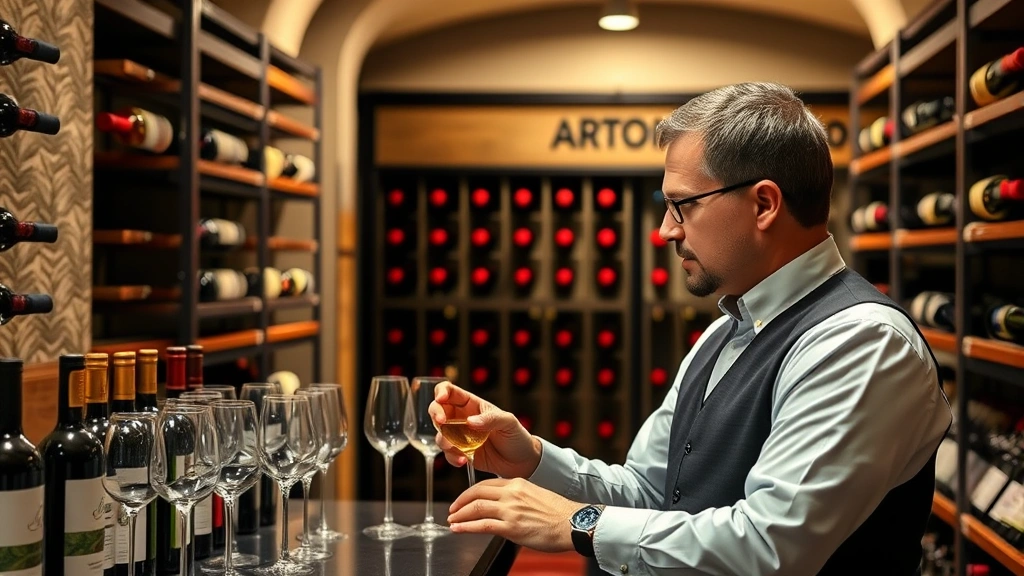
Wine encompasses still wines, sparkling wines (Sekt), and fortified wines. Still wines typically contain 9-15% alcohol, while Sekt contains carbonation and similar alcohol levels. Fortified wines, such as those produced in Germany’s wine regions, may contain 15-22% alcohol. Each category has specific labeling and production standards.
Spirits and liqueurs are classified as beverages with alcohol content exceeding 15%. These include whisky, vodka, gin, and traditional German schnapps. Spirits require special licensing for production and sale, and advertising restrictions apply more stringently to this category.
Alcopops and other mixed beverages containing spirits and non-alcoholic ingredients are subject to the same age restrictions as spirits. Despite their sweet taste and lower alcohol content compared to straight spirits, they’re classified as high-alcohol beverages for regulatory purposes.
The Alkoholsteuergesetz governs taxation based on these classifications. Beer and wine face lower tax rates than spirits, reflecting historical policy preferences and public health considerations. Producers must maintain detailed records of production, sales, and tax payments.
Licensing and Business Requirements
Operating a business that sells or serves alcohol in Germany requires obtaining appropriate licenses from local authorities. These licenses vary depending on the type of establishment and products served. The licensing process involves demonstrating compliance with health, safety, and labor standards.
Gaststätte licenses permit the operation of restaurants and bars serving alcohol for on-premises consumption. Applicants must demonstrate financial stability, suitable premises, and personal reliability. Criminal records, particularly those involving violence or theft, may result in license denial. Local authorities conduct inspections to verify compliance with health codes and structural safety requirements.
Off-premises licenses allow retail sales of alcohol through bottle shops, supermarkets, and other venues. These licenses typically have fewer restrictions than on-premises licenses but still require compliance with age verification and advertising standards. Many retailers employ sophisticated ID-checking systems to minimize violation risks.
Licenses must be renewed periodically, typically every three to five years. Renewal requires demonstrating continued compliance with applicable laws. Local authorities may impose additional conditions based on neighborhood characteristics, noise complaints, or public safety concerns.
Employers in hospitality settings must provide staff training on age verification, responsible service practices, and recognizing signs of intoxication. Some establishments employ dedicated security personnel trained in conflict de-escalation and legal requirements. This training reduces liability and helps prevent violations.
The legal rights of consumers also factor into business compliance. Establishments must clearly display prices, provide accurate product information, and maintain sanitary conditions. Misleading advertising or deceptive practices can result in consumer protection violations separate from alcohol-specific regulations.
Driving Under the Influence Regulations
German law establishes strict standards for operating vehicles while under the influence of alcohol. The blood alcohol content (BAC) limit for drivers aged 21 and older is 0.05%, equivalent to approximately one standard drink for many individuals. For drivers under 21 and commercial drivers, the limit is 0.00%—absolute prohibition on any detectable alcohol.
The legal BAC limit of 0.05% represents a relatively strict standard compared to some international jurisdictions. This reflects Germany’s serious approach to preventing alcohol-related traffic accidents and fatalities. Even at this limit, impairment may be present, and driving ability is compromised.
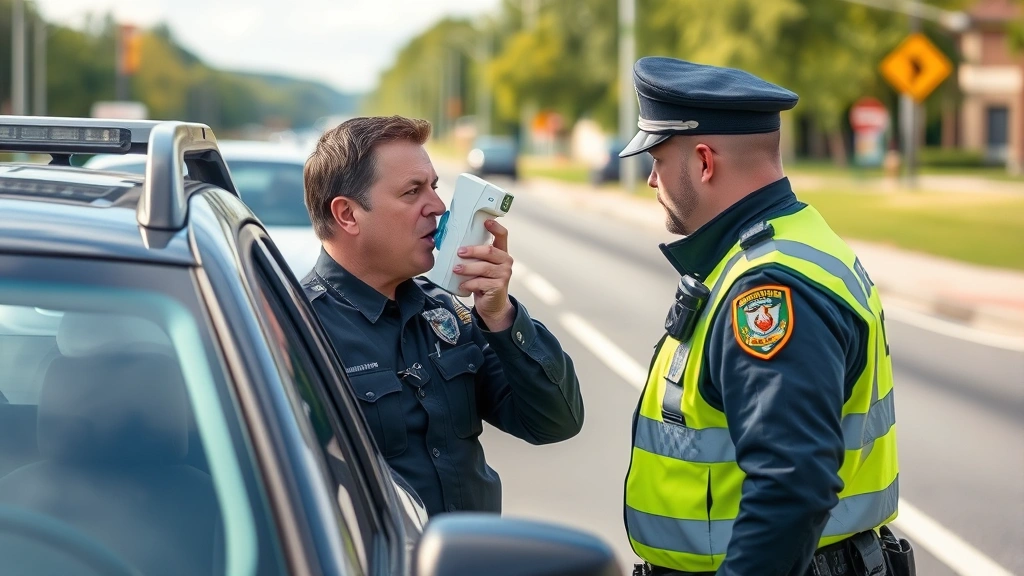
Police conduct breath tests and blood tests to measure BAC. Breath tests provide immediate results, though blood tests offer more precise measurements admissible in court proceedings. Refusing a breath or blood test constitutes an offense in itself, with penalties comparable to those for driving under the influence.
First-time DUI offenders face fines of €500 to €1,500, license suspension of one month minimum, and mandatory alcohol education courses. Repeat offenses result in higher fines, extended license suspensions (up to three years), and potential criminal prosecution. If the BAC exceeds 0.11%, the offense is classified as Fahren unter Alkoholeinfluss (driving under alcohol influence), carrying enhanced penalties.
Commercial drivers and professional chauffeurs face stricter enforcement. A single violation may result in permanent license revocation for commercial driving, effectively ending careers. Insurance companies may deny coverage for accidents involving alcohol-impaired driving, leaving drivers personally liable for damages.
Taxi drivers and ride-sharing operators must maintain zero tolerance for alcohol consumption before or during work. Many companies implement random testing and have termination policies for violations. This protects passengers and maintains professional standards.
Workplace Alcohol Policies
German employment law permits employers to establish workplace alcohol policies, though these must comply with labor protections and collective bargaining agreements. Many industries, particularly transportation, construction, and manufacturing, prohibit alcohol consumption entirely during work hours.
Hospitality and food service industries have more nuanced approaches. Employees may be permitted to taste products during training or quality assessment, but intoxication during work is never acceptable. Employers can conduct random alcohol testing in safety-sensitive positions, provided they follow proper procedures and respect privacy rights.
Employers may discipline or terminate employees who arrive at work intoxicated or consume alcohol during shifts without authorization. However, termination typically requires documented warnings and progressive discipline, except in cases of severe misconduct or safety violations. German labor courts scrutinize employer actions carefully, requiring proportionate responses.
The Works Council (Betriebsrat), which represents employee interests in larger companies, may negotiate alcohol policies as part of collective agreements. These councils can influence testing procedures, confidentiality protections, and rehabilitation opportunities for employees struggling with alcohol use disorder.
Rehabilitation and treatment are emphasized in German workplace culture. Rather than immediate termination, employers often offer employee assistance programs, counseling, and medical leave for employees seeking treatment. This approach reflects social policy values emphasizing rehabilitation over punishment.
Public Consumption and Disturbance Laws
While German culture embraces public alcohol consumption in social contexts, local regulations restrict where and when drinking is permitted. Public intoxication laws vary by municipality and state, but generally prohibit behavior that disturbs public peace or creates safety hazards.
Most municipalities permit alcohol consumption in parks, public squares, and streets, provided it doesn’t create disturbances. However, some cities have restricted alcohol consumption in specific areas, particularly around train stations, parks frequented by children, or neighborhoods with documented problems. These restrictions are typically posted with clear signage.
Intoxicated individuals who become aggressive, abusive, or disruptive face penalties under public order laws. Police may issue fines for disorderly conduct, disturbing the peace, or creating public nuisances. Repeated violations may result in criminal charges and criminal records affecting employment and housing prospects.
Glass and aluminum container restrictions apply in many municipalities to reduce litter and injuries. Some cities prohibit open containers in public transportation, though passengers may consume alcohol in designated areas. Violators face fines of €5 to €50 typically, though enforcement varies.
Festival and event regulations often establish special zones permitting alcohol consumption while restricting access to alcohol in other areas. Organizers must obtain permits specifying where alcohol may be sold and consumed. Violating these conditions can result in event cancellation and substantial fines.
Penalties and Enforcement
German alcohol law enforcement involves multiple agencies, including local police, customs authorities, and municipal health departments. Penalties are structured to deter violations while respecting proportionality principles.
Administrative fines constitute the primary enforcement mechanism for minor violations. Selling alcohol to minors, serving intoxicated customers, and operating without proper licenses incur fines ranging from €100 to €10,000 depending on severity. These are administrative, not criminal penalties, though they create records affecting future licensing.
Criminal penalties apply to more serious violations. Operating a commercial alcohol business without a license, repeatedly serving minors, or selling adulterated alcohol can result in criminal prosecution, fines up to €100,000, and imprisonment up to three years. Criminal convictions have lasting consequences for employment, professional licensing, and housing.
License revocation represents a severe penalty for businesses. First-time serious violations may result in temporary suspension, while repeated violations lead to permanent revocation. Revoked licensees face substantial financial losses and may be permanently barred from the industry.
Enforcement intensity varies by region and local priorities. Urban areas with documented alcohol-related problems typically have more active enforcement, while rural areas may prioritize only serious violations. Public awareness campaigns educate consumers and businesses about legal requirements.
The German legal system emphasizes proportionality, requiring that penalties correspond to violation severity and offender history. First-time minor violations often receive warnings, while repeat offenders face maximum penalties. Courts consider mitigating factors such as prompt compliance after notification.
International Comparisons
German drinking laws reflect distinctive cultural and legal traditions while incorporating European Union standards. Comparing Germany’s approach to other jurisdictions reveals different public health and regulatory philosophies.
Unlike the United States, which establishes a uniform national legal drinking age of 21, Germany permits beer and wine consumption at 16. This reflects a European approach emphasizing gradual socialization into moderate drinking rather than absolute prohibition until legal age. Research on this approach shows mixed results, with some studies indicating lower binge drinking rates among young adults in countries with lower legal drinking ages.
German BAC limits for driving (0.05%) are stricter than limits in some countries but comparable to many European nations. The United States permits 0.08%, reflecting a different risk tolerance. Sweden and some other Nordic countries maintain 0.02% limits, even stricter than Germany’s standard.
Workplace alcohol testing is less common in Germany than in the United States, reflecting stronger privacy protections and different legal traditions. German employers generally cannot conduct random testing without employee consent or specific safety justifications, whereas American employers have broader discretion.
Advertising restrictions in Germany are more stringent than in the United States but less restrictive than in some Nordic countries. German law prohibits alcohol advertising during certain television hours and in media targeting youth, while American regulations focus primarily on disclaimers and age verification.
The legal education regarding alcohol law varies internationally. German law schools emphasize tax law, administrative regulation, and public health dimensions, while American programs focus more on criminal defense and liability issues.
European Union harmonization efforts have created some standardization, particularly regarding labeling, health warnings, and cross-border trade. However, member states retain substantial autonomy to establish stricter rules. Germany has used this flexibility to maintain its distinctive regulatory approach.
FAQ
What is the legal drinking age in Germany for beer and wine?
The legal age to purchase and consume beer, wine, and cider in Germany is 16 years old. However, consumption must be supervised by parents or guardians in private settings. Spirits and other distilled beverages are restricted to ages 18 and older. These age restrictions apply regardless of the establishment type, and retailers must verify age through valid identification.
Can I drink alcohol while driving in Germany?
No. Germany prohibits driving with a blood alcohol content of 0.05% or higher for drivers aged 21 and older. For drivers under 21 and commercial drivers, the limit is 0.00%—absolute prohibition. Open container laws also prohibit consuming alcohol while driving. Violations result in fines, license suspension, and potential criminal prosecution.
What are the penalties for serving alcohol to minors in Germany?
Serving alcohol to minors violates the Jugendschutzgesetz and results in administrative fines of €1,000 to €10,000 for individuals. Businesses face substantially higher fines and may lose their licenses. Criminal prosecution is possible for repeated violations. Retailers must implement rigorous age verification procedures to avoid violations.
Do I need a license to sell alcohol in Germany?
Yes. Both on-premises establishments (bars, restaurants) and off-premises retailers (bottle shops, supermarkets) require licenses from local authorities. License requirements vary by location and establishment type. Applicants must demonstrate financial stability, suitable premises, and personal reliability. Operating without proper licensing constitutes a criminal offense.
What is the Reinheitsgebot, and does it still apply in Germany?
The Reinheitsgebot (Beer Purity Law) is a historical German regulation requiring beer to contain only water, malted barley, hops, and yeast. While this regulation was relaxed at the European Union level, many German breweries maintain these standards as a quality and marketing distinction. The law no longer applies as a legal requirement but remains culturally significant.
Are there restrictions on alcohol advertising in Germany?
Yes. German law restricts alcohol advertising during certain television hours, in media targeting youth, and in proximity to schools. Advertising must not target minors or suggest that alcohol consumption enhances social status or athletic performance. Violations result in fines and potential legal action from consumer protection organizations.
What should I do if stopped by police for suspected DUI in Germany?
If stopped, comply with police requests for identification and vehicle documents. You have the right to refuse a breath test, but refusal itself constitutes an offense with penalties comparable to DUI. You may request a blood test, which provides more precise measurements. Consider requesting legal representation before answering questions. Hiring a lawyer experienced in traffic law is advisable to protect your rights.
Can my employer test me for alcohol at work in Germany?
Employers can conduct alcohol testing in safety-sensitive positions or when they have reasonable suspicion of impairment, but they cannot conduct random testing without employee consent or specific legal justification. German labor law emphasizes employee privacy rights. Testing procedures must follow strict protocols, and results are confidential. Employees may challenge testing procedures through works councils or labor courts.


