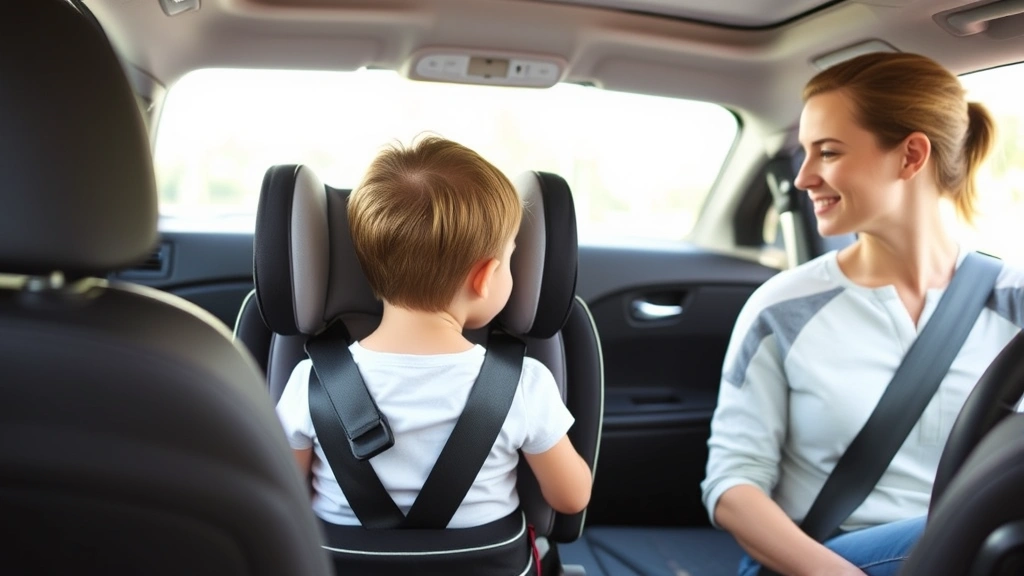
Florida Car Seat Laws: A Comprehensive Lawyer Overview
Florida’s car seat laws represent a critical component of the state’s traffic safety regulations, designed to protect the most vulnerable passengers on the road—children. These laws establish mandatory requirements for child passenger safety and carry significant legal consequences for non-compliance. Understanding the specifics of Florida’s car seat legislation is essential for parents, guardians, and anyone transporting children, as violations can result in fines, points on your driving record, and potential liability in accident cases.
This comprehensive guide examines Florida’s car seat requirements, enforcement mechanisms, and the legal implications of non-compliance. Whether you’re a parent seeking clarity on current regulations or a legal professional advising clients on traffic safety matters, this overview provides the authoritative information needed to navigate these important laws effectively.
Florida’s Car Seat Age and Weight Requirements
Florida Statute 316.613 governs child passenger safety requirements throughout the state. Under current Florida law, children must be properly restrained in an appropriate car seat or booster seat based on their age and size. The fundamental requirement states that all children under 18 years of age must be properly restrained while riding in a motor vehicle, but the specific type of restraint depends on the child’s age and weight.
For children from birth until their first birthday, Florida law requires the use of a rear-facing car seat. This requirement aligns with recommendations from the National Highway Traffic Safety Administration (NHTSA) and pediatric safety organizations. Rear-facing seats provide superior protection for infants and toddlers because they support the head, neck, and spine during frontal collisions—the most common type of crash.
Children aged one year through three years old must continue using a rear-facing car seat unless they exceed the manufacturer’s weight or height limits for that particular seat. Many modern convertible car seats accommodate children in rear-facing position up to 40-45 pounds, allowing extended rear-facing use well beyond the minimum age requirement. Florida law permits forward-facing seats only after a child has outgrown the rear-facing seat’s specifications.
The weight-based thresholds in Florida law work in conjunction with age requirements. Even if a child reaches age four, they must continue using an appropriate restraint system if they haven’t met the weight requirements for graduation to the next stage. This weight-focused approach ensures that children remain in protective seats appropriate for their physical development rather than advancing based solely on age.
Rear-Facing vs. Forward-Facing Seats
The distinction between rear-facing and forward-facing car seats represents one of the most important aspects of Florida’s child passenger safety laws. Rear-facing seats provide optimal protection because they cradle the child’s entire body and distribute crash forces across the strongest parts of the child’s body—the back and sides of the car seat.
Forward-facing seats, by contrast, are designed for children who have outgrown their rear-facing seats. Florida law permits forward-facing car seats for children who have exceeded the rear-facing seat’s height or weight limits. Most rear-facing seats accommodate children until they reach 40-45 pounds, though some high-capacity models extend to 50 pounds or more.
When transitioning from rear-facing to forward-facing, Florida law requires that the forward-facing seat include a five-point harness system—the most restrictive and protective harness configuration. The five-point harness distributes crash forces across five contact points on the child’s body and prevents the child from moving forward during a collision. Children must remain in forward-facing seats with harnesses until they exceed the seat’s weight or height limits, typically around 40-65 pounds depending on the specific seat model.
Understanding consumer protection principles can help parents identify safe, reliable car seat products that meet Florida’s standards. Safety-conscious consumers should verify that any car seat purchased meets or exceeds federal safety standards and Florida’s specific requirements.
Booster Seat Regulations
Once children outgrow forward-facing car seats—typically at 40-65 pounds depending on seat specifications—Florida law requires the use of a booster seat. Booster seats serve a critical transitional function, positioning children so that the vehicle’s lap and shoulder belts fit properly across their smaller bodies. Without a booster seat, seat belts designed for adult-sized passengers can cause serious injury to children during crashes.
Florida law requires booster seat use for children who weigh more than the forward-facing car seat’s limit but who are shorter than 4’9″ in height. The booster seat’s primary function is to elevate the child so that the vehicle’s lap belt rests low across the hips and the shoulder belt crosses the chest rather than the neck. This proper positioning ensures the seat belt distributes crash forces across the child’s strongest body parts.
High-back booster seats provide additional head and neck support, while backless booster seats are less restrictive but offer no side impact protection. Florida law permits both types, though safety experts recommend high-back booster seats for vehicles without headrests or for additional side-impact protection. Parents should select booster seats based on their vehicle’s design and the child’s specific needs.
The duration of booster seat use is determined by the child’s height and weight rather than age alone. A child who is short for their age may require a booster seat longer than a taller child of the same age. This individualized approach ensures each child receives appropriate protection based on their physical development.
Seat Belt Requirements for Older Children
Once children reach 4’9″ in height or exceed the booster seat’s weight limit—whichever occurs first—Florida law permits the use of the vehicle’s standard lap and shoulder belt. At this point, children’s bodies have developed sufficiently to accommodate adult-sized restraints without the increased injury risk present in younger children.
However, Florida law continues to require proper seat belt use for all passengers under 18 years of age. Children must wear seat belts while riding in any motor vehicle, and drivers are responsible for ensuring all child passengers comply with this requirement. This legal responsibility extends to all caregivers transporting children, not just parents.
The seat belt requirement for older children remains in effect through age 17. Upon reaching 18 years of age, Florida law treats individuals as adults, and seat belt use becomes a matter of personal responsibility rather than parental or caregiver obligation, though state law still requires all passengers to wear seat belts.
Legal Penalties and Enforcement
Florida’s car seat laws are enforced through traffic citations and fines. Violation of Florida’s child passenger safety requirements constitutes a non-moving traffic violation, meaning it does not add points to the driver’s license but does result in financial penalties. The primary fine for violating car seat requirements is $60 for the first offense.
Repeat violations carry increased penalties. A second violation within five years results in a $100 fine, while a third or subsequent violation within five years carries a $150 fine. These escalating penalties encourage compliance and reflect the state’s commitment to child passenger safety.
In addition to fines, car seat violations can have broader legal implications. In personal injury cases arising from motor vehicle accidents, evidence of car seat non-compliance can affect liability determinations and damage awards. Courts and juries may view car seat violations as evidence of negligence, potentially reducing damage awards for injuries that could have been prevented or minimized through proper restraint use.
Law enforcement officers in Florida have broad authority to enforce car seat laws during traffic stops. An officer may cite a driver for car seat violations even if the vehicle was stopped for an unrelated reason. This enforcement approach reflects the serious nature of child safety laws in Florida’s traffic safety framework.
Exemptions and Special Circumstances
Florida law provides limited exemptions from car seat requirements. Medical conditions may occasionally warrant exemptions when a physician determines that a particular child cannot safely use standard restraint systems. In such cases, parents or guardians must obtain written documentation from a medical professional and may be required to carry this documentation while transporting the child.
Taxis and ride-sharing services operate under different regulations than personal vehicles. While drivers of personal vehicles must ensure proper car seat use, commercial transportation services in Florida have modified requirements that recognize the practical challenges of accommodating multiple passengers in shared vehicles. However, parents transporting children in personal vehicles remain fully responsible for compliance.
Vehicles manufactured before certain model years may lack LATCH (Lower Anchors and Tethers for Children) systems, but this does not exempt them from car seat requirements. Older vehicles can accommodate car seats using the vehicle’s lap and shoulder belts, and proper installation using belts is equally effective when performed correctly.
Installation and Safety Standards
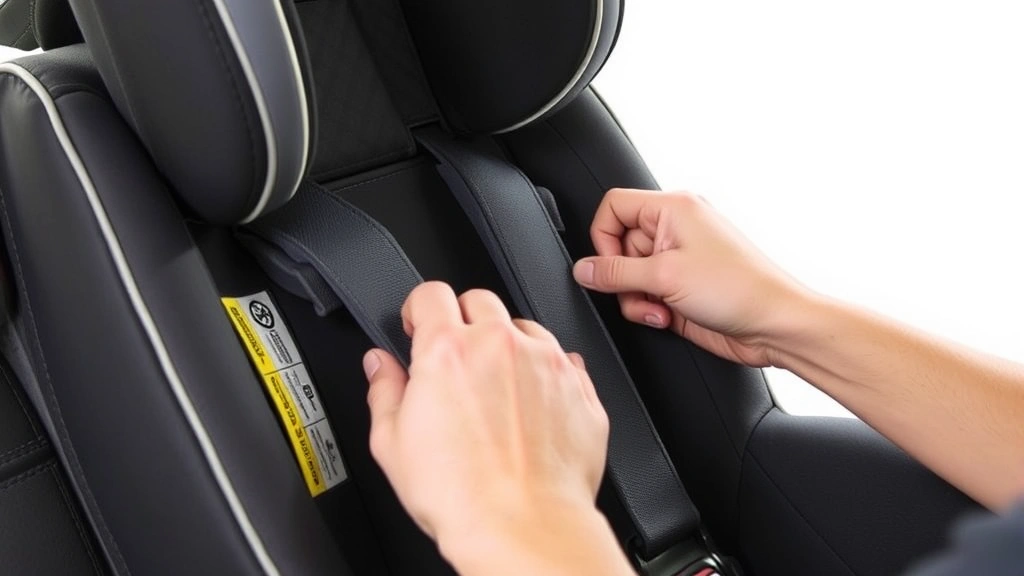
Proper car seat installation is as critical as the car seat itself. Florida law requires that car seats meet federal safety standards established by the National Highway Traffic Safety Administration. All car seats sold in Florida must be certified as compliant with FMVSS 213 (Federal Motor Vehicle Safety Standard 213) and display appropriate labeling indicating compliance.
Many Florida law enforcement agencies and pediatric clinics offer free car seat installation inspections through certified Child Passenger Safety Technicians. These professionals can identify installation errors and ensure that seats are properly positioned and secured. Using installation services is highly recommended because studies show that approximately 75% of car seats are installed incorrectly.
The LATCH system, available in most vehicles manufactured after 2002, simplifies proper installation by providing dedicated anchors for car seats. When available, LATCH installation is often easier and more reliable than belt installation. However, both methods are equally effective when executed correctly.
Car seats have expiration dates, typically 6-10 years from manufacture, after which they should not be used. Expired seats may not provide adequate protection due to material degradation. Florida law does not explicitly prohibit expired seat use, but parents should understand that expired seats may not meet current safety standards.
Navigating Legal Consequences and Defense Strategies
Drivers cited for car seat violations have the right to contest the citation in traffic court. Potential defenses include demonstrating that the child was properly restrained in a compliant car seat, that a medical exemption was in effect, or that the child’s age and size actually fell outside the cited requirement’s scope. Understanding legal procedures for contesting citations can help drivers protect their rights.
In accident cases, car seat compliance becomes particularly significant. Insurance companies and opposing counsel may investigate whether proper restraints were used, as this directly impacts injury causation and damages. Drivers who maintained proper car seat compliance strengthen their position in accident litigation and demonstrate responsible parenting and vehicle operation.
Documentation of car seat purchases, installation records, and safety inspection certificates provides evidence of compliance. Parents and guardians should maintain these records for several years, as they may become relevant in legal proceedings following accidents or in disputes with insurance companies.
Recent Developments and Legal Updates
Florida’s car seat laws have evolved in recent years as research has provided new insights into child passenger safety. The state regularly reviews its requirements in light of updated recommendations from medical and safety organizations. Parents should stay informed about potential changes to regulations, as legislatures periodically adjust age, weight, and height thresholds based on scientific evidence.
The Florida Department of Highway Safety and Motor Vehicles maintains current information about car seat requirements and provides resources for parents seeking guidance. Consulting official state resources ensures compliance with the most current regulations.
National organizations like the American Academy of Pediatrics continue to publish updated recommendations that may exceed Florida’s minimum legal requirements. Parents who follow AAP guidelines typically exceed legal minimums and provide enhanced protection for their children.

FAQ
What is the penalty for not using a car seat in Florida?
Violating Florida’s car seat requirements results in a non-moving traffic violation with a base fine of $60 for the first offense. Subsequent violations within five years carry fines of $100 (second offense) and $150 (third or subsequent offenses). While non-moving violations don’t add points to your license, they appear on your driving record and can affect insurance rates.
Can a child sit in the front seat in Florida?
Florida law does not explicitly prohibit children from sitting in front seats, but it requires proper restraint appropriate to the child’s age and size. However, safety experts and vehicle manufacturers recommend that children under 13 years old sit in rear seats, as front seats expose children to greater injury risk from airbag deployment and dashboard impact during crashes.
How long must a child use a car seat in Florida?
The duration depends on the child’s age and size rather than age alone. Generally, children must use rear-facing seats from birth through age three or until they exceed the seat’s weight limit. Forward-facing seats are required until children weigh 40-65 pounds, and booster seats are required until children reach 4’9″ in height. Children under 18 must use some form of approved restraint.
What car seats are legal in Florida?
Any car seat certified as compliant with federal safety standard FMVSS 213 is legal in Florida. The seat must display a label indicating federal compliance. Parents should verify that seats meet current federal standards and are appropriate for their child’s age and size.
Do rideshare services like Uber and Lyft have to provide car seats?
Commercial ride-sharing services operate under modified requirements that differ from personal vehicle standards. While drivers of personal vehicles must ensure proper car seat use, rideshare services have different regulations. Parents should verify specific policies with individual services and consider bringing portable car seats when using rideshare transportation with children.
Is there a grace period for car seat violations?
Florida law does not provide a grace period for car seat violations. Once a child meets the age and size requirements for a particular restraint type, that type must be used immediately. However, law enforcement officers have discretion in enforcement and may issue warnings in some circumstances.
Can I use an expired car seat in Florida?
While Florida law does not explicitly prohibit expired seat use, expired seats may not provide adequate protection due to material degradation and may not meet current safety standards. Parents should replace expired seats with new compliant models to ensure maximum protection.


