
Local Law 97: Compliance Tips, Attorney Insight
Local Law 97 (LL97), enacted in New York City, represents one of the most significant environmental compliance mandates for building owners in recent history. This sweeping legislation, which took effect on January 1, 2024, imposes strict carbon emissions limits on buildings larger than 25,000 square feet, fundamentally reshaping how property owners manage their real estate portfolios. Understanding the requirements, timelines, and compliance strategies is essential for any stakeholder navigating New York City’s commercial and residential real estate landscape.
The law establishes increasingly stringent emissions benchmarks, with penalties reaching up to $268 per metric ton of carbon dioxide equivalent by 2030 for non-compliant properties. Building owners face substantial financial and operational challenges, yet strategic planning and early intervention can significantly mitigate risks. This comprehensive guide examines LL97’s core requirements, implementation strategies, and expert recommendations to help property owners achieve compliance while optimizing building performance.
Understanding Local Law 97 Fundamentals
Local Law 97 operates under statutory law principles, establishing mandatory carbon emissions reduction standards for New York City buildings. The legislation emerged from the city’s broader Climate Mobilization Act and reflects growing environmental accountability in urban real estate. Unlike traditional corporate law frameworks, LL97 directly regulates operational decisions and capital investments in building management.
The law applies to buildings with a combined gross floor area exceeding 25,000 square feet, excluding certain categories like religious institutions and government facilities. Building owners must track and report energy consumption annually, benchmarking their performance against established citywide baseline emissions levels. The baseline represents the average emissions intensity of New York City buildings in 2005, adjusted for climate variations and building characteristics.
Compliance hinges on reducing emissions below the established thresholds by specified dates. The law recognizes that different building types have varying energy consumption patterns, so it establishes category-specific benchmarks. Office buildings, multifamily residential properties, retail spaces, and specialized facilities each face tailored requirements reflecting their operational realities. This nuanced approach acknowledges that a hospital’s energy needs differ significantly from those of a typical office building.
Emissions Limits and Compliance Timeline
The compliance timeline unfolds in two primary phases, with interim and final deadlines creating urgency for property owners. The first compliance period spans 2024-2029, during which buildings must reduce emissions by 40% below the 2005 baseline. This aggressive initial target reflects New York City’s commitment to rapid climate action. Properties failing to meet this threshold face substantial penalties calculated per metric ton of excess emissions.
The second compliance period begins in 2030, requiring buildings to achieve 80% emissions reductions below the baseline. This final phase represents the legislation’s ultimate ambition, essentially requiring near-net-zero operational emissions for most covered properties. The transition between phases provides a limited window for implementing capital-intensive improvements and operational modifications.
Interim checkpoints occur at regular intervals, with annual reporting requirements beginning in 2024. Building owners must submit emissions data through the city’s online benchmarking portal, which tracks compliance across the entire portfolio. Missing deadlines or providing inaccurate information triggers administrative penalties separate from emissions-based fines. The cumulative financial exposure for non-compliance can reach millions of dollars for large property portfolios.
Strategic planning during the 2024-2029 period is critical, as owners need time to evaluate retrofit options, secure financing, and execute capital improvements. Properties falling significantly short of the 40% target by 2028 should expect substantial penalties in 2029 and face increased pressure to accelerate remediation efforts before the 2030 deadline.

Building Categories and Exemptions
Understanding which properties face LL97 requirements prevents unnecessary compliance efforts while ensuring covered buildings receive appropriate attention. The 25,000 square foot threshold creates a clear dividing line, though building owners sometimes dispute measurements or property configurations that affect classification. Buildings below this threshold face no LL97 obligations, though they may be subject to other New York City environmental regulations.
Certain property types receive blanket exemptions reflecting their unique operational characteristics. Houses of worship, government-owned buildings, and properties with fewer than 10 employees generally escape LL97 requirements. Additionally, buildings with minimal occupancy or specialized uses like data centers may qualify for alternative compliance pathways. Determining exemption eligibility requires careful review of property documentation and operational records.
The law distinguishes between different building use categories, recognizing that hotels, hospitals, and residential properties have fundamentally different energy profiles. Each category receives a baseline emissions intensity figure specific to its classification. A multifamily residential building in the Bronx faces different expectations than a Midtown Manhattan office tower, reflecting geographic and functional variations in energy consumption.
Mixed-use properties present particular complexity, as portions of a building may fall under different category classifications. A building combining office space, retail, and residential units requires separate emissions calculations for each use type or a weighted average reflecting the property’s composition. Law Hub resources provide detailed guidance on categorization for edge cases and unusual property configurations.
Compliance Strategies and Best Practices
Achieving LL97 compliance requires a multifaceted approach combining operational improvements, capital investments, and strategic planning. The most cost-effective path typically begins with identifying low-cost, high-impact operational changes that reduce emissions without substantial financial outlay. Building commissioning, HVAC optimization, and lighting upgrades frequently deliver 10-15% emissions reductions at reasonable cost.
Energy audits represent the foundational step in any compliance strategy. Professional auditors examine building systems comprehensively, identifying inefficiencies and quantifying potential savings from various interventions. These assessments provide data-driven prioritization, helping owners allocate limited capital budgets toward highest-impact improvements. Third-party audits also provide defensible documentation should the city challenge compliance calculations.
Electrification of heating systems emerges as a critical lever for most buildings, as natural gas consumption typically represents the largest emissions source. Converting from gas-fired boilers to electric heat pump systems can reduce building emissions by 30-50%, though upfront costs range from hundreds of thousands to millions of dollars for large properties. Owners should investigate available incentives and financing programs before committing to specific technologies.
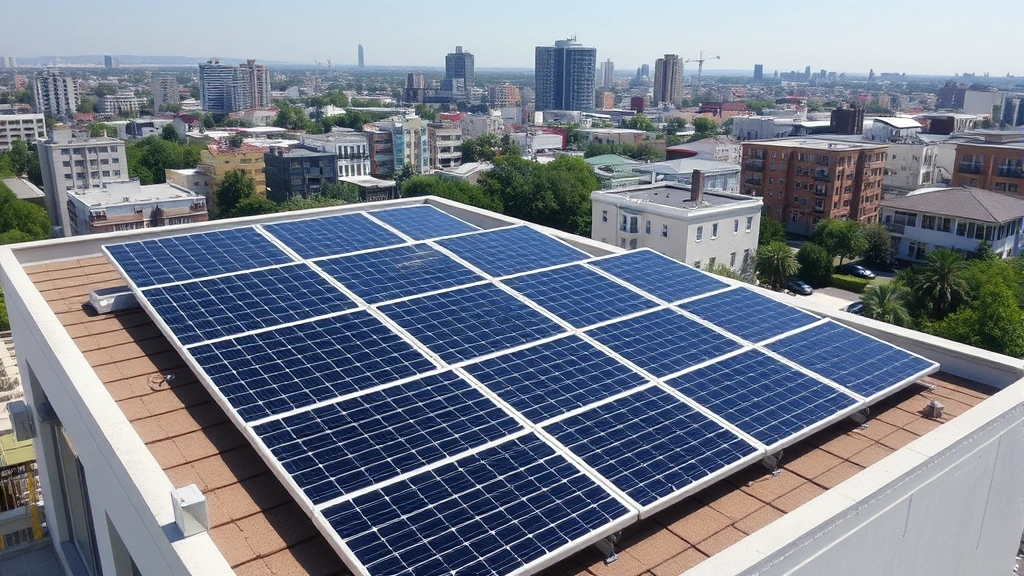
Renewable energy procurement offers another compliance pathway, either through on-site solar installations or power purchase agreements with renewable generators. Buildings with suitable roof space may generate meaningful solar capacity, while others must negotiate off-site renewable contracts. Renewable energy credits and virtual power purchase agreements provide alternatives for properties unable to physically host renewable infrastructure.
Building envelope improvements, including insulation upgrades and window replacement, reduce heating and cooling loads. While capital-intensive, these measures provide long-term benefits extending 20+ years and often qualify for financing assistance. Combining envelope improvements with mechanical system upgrades creates synergistic benefits, as smaller HVAC systems can handle reduced loads more efficiently.
Water heating represents an underutilized optimization area, with heat pump water heaters and solar thermal systems providing substantial savings. Low-flow fixtures reduce hot water demand directly, requiring minimal investment. Combined with improved insulation of hot water pipes, these interventions frequently achieve 15-25% water heating emissions reductions.
Financial Incentives and Funding Options
The substantial capital requirements for LL97 compliance have prompted development of multiple funding mechanisms and incentive programs. New York State’s Clean Energy Fund provides rebates and grants for building efficiency improvements, with program funding exceeding $1 billion. Eligible projects receive rebates covering 25-50% of upgrade costs, significantly improving project economics.
Con Edison, the primary utility serving New York City, administers rebate programs for efficiency improvements including HVAC upgrades, lighting conversions, and building automation systems. These utility programs reduce customer rates while advancing environmental goals. Building owners should contact their utility early to identify available incentives for planned improvements.
The New York City Housing Authority and private lenders increasingly offer green mortgages and efficiency loans with favorable terms for buildings achieving certification or demonstrating compliance commitment. Some lenders provide rate reductions of 0.25-0.50% for properties meeting energy performance standards, translating to substantial savings on large loans.
PACE (Property Assessed Clean Energy) financing allows building owners to fund efficiency improvements through property tax assessments, with repayment extending 20+ years. This financing structure proves particularly valuable for properties with limited cash reserves, as the long amortization period reduces annual debt service. PACE programs operate in numerous New York jurisdictions, though terms and availability vary.
Tax credits and depreciation benefits reduce the after-tax cost of capital improvements. The federal Energy Efficient Commercial Buildings Deduction provides tax credits for qualified building improvements, while accelerated depreciation schedules reduce taxable income during early years. Building owners should consult tax advisors to maximize available benefits.
Reporting and Documentation Requirements
Annual emissions reporting forms the backbone of LL97 compliance verification. Building owners must submit detailed energy consumption data through New York City’s benchmarking portal, with documentation requirements including utility bills, renewable energy certificates, and emissions calculations. Inaccurate or incomplete submissions trigger penalties and may result in audit demands.
Proper record retention proves essential, as the city may request supporting documentation years after initial submission. Building owners should establish centralized filing systems maintaining utility bills, energy audits, improvement invoices, and system performance data. Digital records provide easier retrieval and backup security compared to paper documentation.
Emissions calculations require understanding the conversion methodologies specified in LL97 regulations. Natural gas consumption converts to emissions using specific factors, while electricity emissions depend on the city grid’s carbon intensity. Renewable energy offsets reduce net emissions by the amount generated or procured. Errors in calculation methodology can result in substantial penalties despite good-faith compliance efforts.
Professional assistance from energy consultants or sustainability firms helps ensure accurate reporting. These specialists understand LL97’s technical requirements and can identify calculation errors before submission. The cost of professional assistance typically proves minimal compared to potential penalties from inaccurate self-reporting.
Documentation should demonstrate good-faith compliance efforts even where buildings fall short of emissions targets. Records of completed audits, improvement proposals, financing applications, and contractor bids show reasonable diligence. The city considers compliance efforts when assessing penalties for buildings unable to achieve targets.
Common Challenges and Solutions
Tenant-occupied buildings face particular LL97 challenges, as building owners control structural systems while tenants control occupancy patterns and internal equipment. Lease structures often place responsibility for utility payments on tenants, creating misaligned incentives for efficiency improvements. Successful owners negotiate lease modifications clarifying responsibility for compliance costs and emissions reductions.
Older buildings frequently lack modern energy management systems, making baseline emissions difficult to establish. Lack of historical data and deteriorated mechanical systems complicate retrofit planning. Building owners should prioritize installing modern energy monitoring systems to establish accurate consumption baselines and track improvement results.
Buildings with complex ownership structures, including condominium conversions or fractional ownership, struggle with decision-making authority for capital improvements. Resolving governance issues and achieving unit owner consensus delays implementation timelines. Early engagement with ownership groups and transparent communication about compliance obligations and financial implications facilitate faster decision-making.
Limited roof or exterior space constrains renewable energy installation options for urban buildings. Tall buildings in dense neighborhoods may lack sufficient unobstructed sun exposure for solar installations. Owners facing these constraints should explore off-site renewable contracts or community solar arrangements as alternatives.
The city’s benchmarking portal occasionally experiences technical issues or data validation problems, frustrating building owners attempting timely submission. Submitting reports well before deadlines provides buffer time to address technical issues. Maintaining detailed records of submission attempts protects owners from penalties due to system failures beyond their control.
Contractor availability for efficiency improvements has become increasingly constrained as demand surges. Building owners should engage contractors early in the planning process, recognizing that popular firms may have multi-month backlogs. Phased improvement programs spread contractor demand across extended timelines while allowing early results to inform subsequent phases.
FAQ
What buildings must comply with Local Law 97?
Buildings with combined gross floor area exceeding 25,000 square feet must comply, except for certain exempted categories including houses of worship, government-owned buildings, and properties with fewer than 10 employees. Mixed-use properties must calculate emissions for each use type separately.
What are the penalty amounts for non-compliance?
Penalties reach $268 per metric ton of carbon dioxide equivalent by 2030, calculated based on the building’s excess emissions above the established limit. Penalties accumulate annually for each year of non-compliance, creating substantial financial exposure for non-compliant properties.
Can buildings earn credits for renewable energy?
Yes, buildings generating on-site renewable energy or procuring renewable power through power purchase agreements can offset emissions calculations. Renewable energy certificates provide proof of renewable generation, reducing net emissions calculations. Virtual power purchase agreements allow buildings to claim renewable benefits without physical on-site infrastructure.
What happens if a building cannot achieve compliance by 2030?
Buildings failing to achieve the 80% reduction target by 2030 face ongoing annual penalties calculated on excess emissions. The city may pursue additional enforcement actions, and the building owner’s ability to refinance mortgages or sell the property may be impaired. Early intervention and demonstrated good-faith compliance efforts mitigate enforcement severity.
How should building owners prioritize compliance improvements?
Conduct professional energy audits identifying highest-impact, lowest-cost improvements first. Prioritize operational changes and system optimization before capital-intensive retrofits. Investigate available incentives and financing options to improve project economics. Develop phased implementation plans spreading costs across multiple years while achieving interim targets.
Are there alternatives to physical building improvements?
Building owners can pursue renewable energy procurement, energy efficiency financing programs, and operational optimization without extensive physical improvements. However, most buildings ultimately require some combination of capital improvements and renewable energy to achieve 80% reductions by 2030. The specific approach depends on individual building characteristics and financial capacity.
Who should building owners consult for compliance guidance?
Building owners should engage energy auditors, sustainability consultants, and environmental attorneys familiar with LL97 requirements. These professionals help identify compliance strategies, manage reporting obligations, and navigate regulatory requirements. Legal guidance proves particularly valuable for addressing complex ownership structures or lease-related issues.


