
Is Mother-in-Law’s Tongue a Trademark? Legal Insight Into Plant Names and Intellectual Property
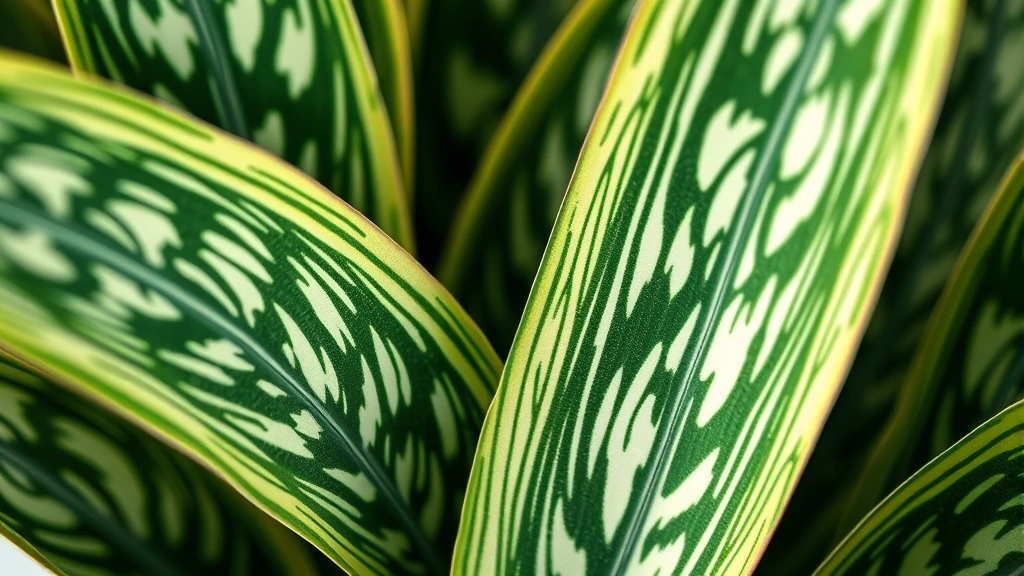
The term “mother-in-law’s tongue” refers to a popular houseplant scientifically known as Sansevieria trifasciata, commonly called a snake plant. While the colloquial name has circulated for generations among gardeners and plant enthusiasts, questions about trademark protection for this botanical nickname raise fascinating questions about intellectual property law, plant naming conventions, and how trademark law applies to common plant names. Understanding whether a plant’s common name can be trademarked requires examining trademark principles, plant patent law, and the distinction between generic and distinctive marks.
Many plant owners and commercial growers wonder if they can legally claim exclusive rights to the name “mother-in-law’s tongue” or if this name falls into the public domain as a generic descriptor. The answer involves nuanced trademark law principles and the specific requirements for obtaining and maintaining trademark protection. This comprehensive guide explores the legal landscape surrounding plant names, trademark eligibility, and what plant businesses and enthusiasts need to know about protecting their horticultural intellectual property.
Understanding Trademark Basics and Plant Names
A trademark is a word, phrase, symbol, design, or combination thereof that identifies and distinguishes the source of goods or services from those of competitors. According to the United States Patent and Trademark Office (USPTO), trademark protection provides exclusive rights to use a mark in commerce for specified goods or services. However, not all words or phrases qualify for trademark protection, and understanding these limitations is crucial when examining whether plant names can be trademarked.
Plant names occupy a unique position in intellectual property law. The common names of plants—like “rose,” “daisy,” or “mother-in-law’s tongue”—are typically considered generic descriptors that describe the plant itself rather than indicating a specific commercial source. Generic terms cannot be trademarked because allowing one entity to claim exclusive rights to a generic plant name would unfairly prevent competitors from using ordinary language to describe their products. This principle is fundamental to trademark law and protects fair competition in the horticultural industry.
The mother-in-law’s tongue plant has several names depending on geographic location and horticultural tradition. In addition to the colloquial “mother-in-law’s tongue,” it’s known as snake plant, viper’s bowstring hemp, and by its scientific name Sansevieria trifasciata. Each of these names serves a descriptive function—they help people identify and discuss the plant. Because these names are descriptive and have entered common usage, they lack the distinctiveness required for trademark protection.
The Difference Between Plant Patents and Trademarks
Before examining whether mother-in-law’s tongue can be trademarked, it’s essential to understand how plant patents differ from trademarks. Many people confuse these two forms of intellectual property protection, but they serve different purposes and offer different protections. Understanding this distinction is critical for anyone in the horticultural business or involved in plant breeding and development.
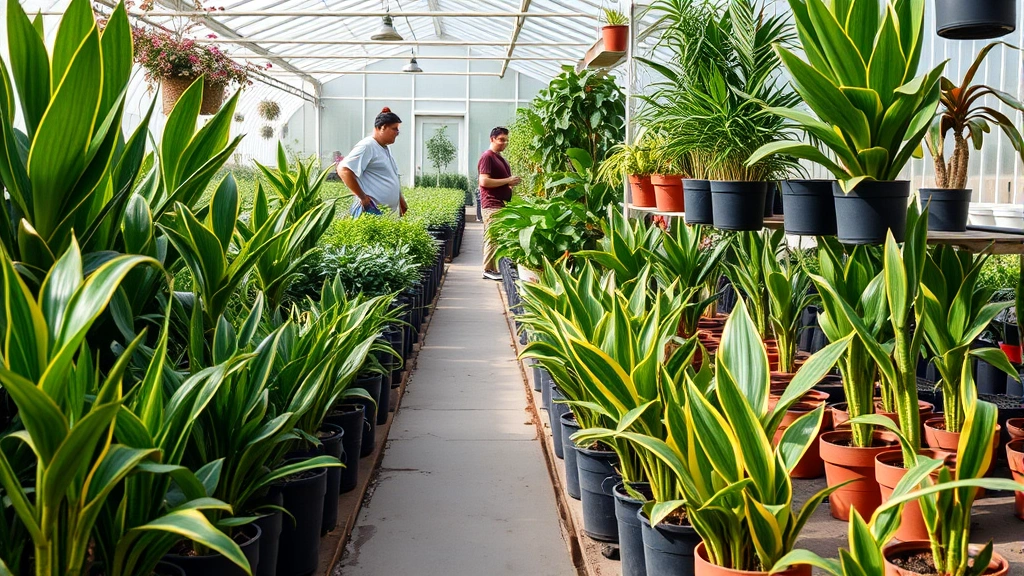
A plant patent protects a new, distinct, asexually reproduced plant variety. The U.S. Plant Patent Act allows inventors to patent plants they have developed or discovered, provided the plant is novel, non-obvious, and distinct from existing varieties. Plant patents prevent others from asexually reproducing, selling, or using the patented plant variety. This protection lasts for 20 years from the filing date. For example, if a breeder develops a new variety of snake plant with distinctive variegated leaves, they could obtain a plant patent for that specific cultivar.
A trademark, by contrast, protects brand names and symbols used to identify and distinguish products in the marketplace. Trademarks don’t protect the product itself but rather the mark that identifies the commercial source of the product. If a nursery wanted to trademark a brand name for their snake plant line—such as “GreenLeaf’s Premium Snake Plants” or a distinctive logo—that would be trademark protection. The trademark would protect the brand identity, not the plant variety itself.
Plant patents and trademarks can work together. A nursery could obtain a plant patent for a new snake plant cultivar while also trademarking the brand name and distinctive packaging used to sell that cultivar. However, they cannot trademark the common name of the plant itself, as this would violate trademark principles regarding generic terms.
Can Common Plant Names Be Trademarked
The core question of whether common plant names can be trademarked has a straightforward answer under U.S. trademark law: generic plant names cannot be trademarked. The Lanham Act, the federal statute governing trademarks, explicitly prohibits trademark registration for generic terms. A mark is considered generic if it is the common descriptive name of the goods or services with which it is used.
The USPTO maintains strict standards regarding generic terms. When examining trademark applications, the office conducts thorough searches to determine whether a proposed mark is merely descriptive or generic. For plant names, the analysis considers whether the term has become the common name by which the plant is known. If the term has entered common usage as a generic descriptor, it cannot receive trademark protection regardless of how distinctive it might otherwise be.
However, trademark law does recognize a concept called “secondary meaning.” A term that is initially generic can potentially gain trademark protection if it acquires a secondary meaning—meaning consumers recognize it as identifying a specific commercial source rather than the product itself. For example, while “apple” is a generic plant name, “Apple” has become a famous trademark for technology products because consumers associate it with Apple Inc. The term gained secondary meaning through extensive marketing and use.
Could “mother-in-law’s tongue” acquire secondary meaning? This would require extensive, continuous commercial use of the term by a single entity, combined with consumer recognition that the term identifies that entity’s products specifically. In practice, this is extremely unlikely for a common plant name. The term has been in use for generations across the horticultural industry, and no single entity has used it exclusively or prominently enough to establish secondary meaning. Additionally, the term’s humorous, colloquial nature makes it less suitable for trademark purposes than more formal botanical names.
The Legal Status of Mother-in-Law’s Tongue
The legal status of “mother-in-law’s tongue” as a plant name is that of a generic, common descriptor. The term cannot be trademarked in its current form because it functions as a common name for the plant. Anyone in the horticultural industry can legally use this name to describe their snake plants without infringing on any trademark rights because no entity owns exclusive trademark rights to the term.
This doesn’t mean plant businesses lack protection options. While they cannot trademark the common plant name, they can protect their interests through other means. Plant breeders and growers can develop and patent new cultivars with distinctive characteristics. They can create brand names and logos that distinguish their products in the marketplace. They can trademark these brand identifiers while using the generic plant name to describe what the product is.
The scientific name Sansevieria trifasciata is also not subject to trademark protection. Scientific names serve a taxonomic function and are regulated by international botanical nomenclature standards rather than trademark law. The International Code of Nomenclature for algae, fungi, and plants establishes rules for scientific naming that take precedence over trademark considerations.
Understanding the legal status of plant names helps businesses and individuals make informed decisions about intellectual property strategy. Rather than attempting to claim exclusive rights to common names, successful horticultural businesses focus on building brand identity through distinctive trademarks, superior plant varieties, quality assurance, and customer relationships. This approach provides stronger legal protection and better serves consumer interests by allowing fair competition and open communication about plant types.
Trademark Registration Requirements for Botanical Products
While common plant names cannot be trademarked, horticultural businesses frequently register trademarks for branded plant products and services. Understanding the requirements for successful trademark registration in the botanical industry helps businesses protect their intellectual property effectively. The trademark registration process involves specific steps and criteria that applicants must satisfy.
To register a trademark with the USPTO, an applicant must demonstrate that the mark is distinctive and non-generic. For botanical products, this means the trademark cannot be the common name of the plant. However, it can be a brand name, logo, or phrase that identifies the commercial source of the botanical product. For example, a nursery could successfully trademark “GreenThumb’s Snake Plants” or “Emerald Valley Specimens” because these marks identify the specific business, not the plant itself.
The mark must also be non-descriptive or, if descriptive, must have acquired secondary meaning. A trademark that merely describes the characteristics of botanical products faces challenges during registration. Terms like “healthy” or “organic” for plant products would be considered merely descriptive. However, the applicant can overcome this rejection by proving that consumers recognize the mark as identifying their specific business rather than merely describing the product.
Applicants must provide specimens showing the mark used in commerce. For botanical products, this might include product labels, packaging, websites, or promotional materials showing how the trademark appears on or in connection with the plants or related services. The specimen demonstrates actual use of the mark in the relevant marketplace.
The applicant must also specify the class of goods or services for which trademark protection is sought. The USPTO uses the International Classification of Goods and Services, which includes various classes relevant to botanical products, such as live plants and flowers, seeds, gardening supplies, and landscaping services. Accurate classification is essential for proper protection and enforcement.
The application fee varies depending on the filing basis and number of classes included but typically ranges from $250 to $350 per class. Once filed, the application enters examination, where an USPTO examiner reviews it for compliance with trademark law. The process typically takes several months to over a year, depending on office actions and applicant responses.
Protecting Plant Names and Branding
Plant businesses and breeders seeking to protect their interests should employ a comprehensive intellectual property strategy that goes beyond attempting to trademark common plant names. This multi-faceted approach combines different forms of protection to maximize legal rights and competitive advantages. Understanding these various protection methods helps businesses make strategic decisions about resource allocation.
Plant patent protection is the most direct way to protect a new plant variety. If a breeder develops a new cultivar of mother-in-law’s tongue with distinctive characteristics—such as unusual variegation patterns, growth habits, or resilience properties—they can file a plant patent application with the USPTO. The patent application requires detailed descriptions and drawings of the distinctive characteristics that differentiate the new variety from existing ones. Once granted, the plant patent provides 20 years of exclusive rights to asexually reproduce and sell the patented variety.
Trademark protection for brand names and logos is essential for building market identity and consumer recognition. A plant business should develop distinctive brand names, logos, and packaging designs that consumers recognize as identifying their products. These trademarks should be carefully chosen to be distinctive and memorable, avoiding merely descriptive terms. For instance, “Serpent’s Garden” or “Jade Tower Botanicals” would be more suitable for trademark protection than “Quality Snake Plants” or “Healthy Indoor Plants.”
Trade secret protection can safeguard proprietary cultivation methods, breeding techniques, or growing formulas that give a business competitive advantages. Unlike patents, trade secrets don’t require public disclosure and can last indefinitely as long as the information remains confidential. A nursery might maintain trade secrets regarding optimal growing conditions, fertilizer mixtures, or propagation techniques that produce superior specimens.
Copyright protection can apply to original creative works associated with botanical products, such as distinctive packaging designs, original photography, instructional materials, or marketing content. If a business creates original marketing materials, instructional guides, or plant care information, copyright automatically protects these original works without requiring registration.
Domain name registration and online brand protection are increasingly important. Securing domain names that incorporate brand names helps prevent consumer confusion and protects online presence. Monitoring for counterfeit products and unauthorized use of brand names through online marketplaces and social media is also crucial for maintaining trademark rights.
International Considerations for Plant Trademarks
For plant businesses operating internationally, trademark protection becomes more complex. Different countries have different trademark laws, plant naming conventions, and intellectual property standards. Understanding these international considerations is essential for businesses seeking global market presence and protection.
The Madrid System for the International Registration of Marks, administered by the World Intellectual Property Organization (WIPO), allows trademark applicants to seek protection in multiple countries through a single international application. This system streamlines the process of obtaining trademark protection across different jurisdictions, though applicants must still comply with each country’s specific requirements.
European Union trademark law, administered by the European Union Intellectual Property Office (EUIPO), has principles similar to U.S. law regarding generic terms and trademark eligibility. Common plant names cannot be trademarked in the EU either. However, distinctive brand names and logos can receive EU trademark protection, which covers all member states.
Plant patent protection also varies internationally. Some countries offer plant patent protection similar to the U.S. system, while others use plant variety protection systems governed by international agreements like the International Convention for the Protection of New Varieties of Plants (UPOV). Understanding these different systems is crucial for businesses developing new plant varieties intended for international markets.
The scientific name Sansevieria trifasciata is recognized internationally and cannot be changed or trademarked. However, common names vary by language and region. In some regions, the plant might be called by different vernacular names, which could theoretically complicate branding efforts. International businesses should consider how their brand names will function across different linguistic and cultural contexts.
Counterfeiting and unauthorized propagation of plant varieties present international enforcement challenges. A business holding a plant patent in the United States may find its patented variety being propagated and sold illegally in countries without equivalent patent protection. Working with international legal counsel to understand protection options in target markets is essential for comprehensive intellectual property strategy.
FAQ
Can I trademark the name “mother-in-law’s tongue” for my plant business?
No, you cannot trademark the common name “mother-in-law’s tongue” because it is a generic descriptor for the plant. Generic terms cannot receive trademark protection. However, you can trademark a distinctive brand name, logo, or phrase that identifies your specific business and products. For example, you could trademark a brand name like “Silva’s Heirloom Snake Plants” or a distinctive logo used in connection with your products.
What’s the difference between a plant patent and a trademark?
A plant patent protects a new, distinct plant variety and prevents others from asexually reproducing or selling that specific cultivar. A trademark protects a brand name, logo, or symbol that identifies the commercial source of products or services. For botanical businesses, both forms of protection can be valuable: plant patents protect new cultivars, while trademarks protect brand identity and market recognition.
Can I trademark a cultivar name for a new snake plant variety?
This depends on whether the cultivar name is distinctive or generic. If you develop a new variety and give it a distinctive cultivar name that functions as a brand identifier rather than a mere description, you might be able to trademark it. However, if the name merely describes characteristics of the plant, it may be considered merely descriptive or generic. The USPTO examines each application individually based on how the mark functions in commerce.
What intellectual property protections are available for plant businesses?
Plant businesses can utilize multiple forms of intellectual property protection: plant patents for new varieties, trademarks for brand names and logos, trade secrets for proprietary cultivation methods, copyrights for original creative works and marketing materials, and domain name registration for online presence. A comprehensive strategy combining several of these protections typically provides the strongest overall intellectual property protection.
If I discover a new variety of snake plant, what should I do to protect it?
If you develop or discover a new plant variety with distinctive characteristics, you should consider filing a plant patent application with the USPTO. The application must include detailed descriptions and drawings of the distinctive characteristics that differentiate your variety from existing ones. You should also develop a distinctive brand name for marketing your variety and consider registering that brand name as a trademark. Consulting with an intellectual property attorney experienced in plant law is advisable.
Are common plant names protected differently in other countries?
Most countries follow similar principles: generic plant names cannot be trademarked. However, plant patent and plant variety protection systems vary internationally. Some countries offer plant patents similar to the U.S. system, while others use plant variety protection under UPOV agreements. If you plan to sell plants internationally, understanding protection options in each target market is important. International trademark protection can be sought through the Madrid System.
Can the scientific name be trademarked?
No, scientific names like Sansevieria trifasciata cannot be trademarked. Scientific names are regulated by international botanical nomenclature standards and serve a taxonomic function. These names are public domain and available for scientific and commercial use by anyone. The international botanical naming system takes precedence over trademark considerations.
What happens if someone else uses my brand name for snake plants?
If you have registered a trademark for your brand name, you can take legal action against unauthorized use that is likely to cause confusion among consumers. This might include sending cease-and-desist letters, filing opposition proceedings, or pursuing infringement litigation. The strength of your claim depends on factors including the similarity of the marks, similarity of the goods or services, and likelihood of consumer confusion. Consulting with a trademark attorney is important for enforcement decisions.


