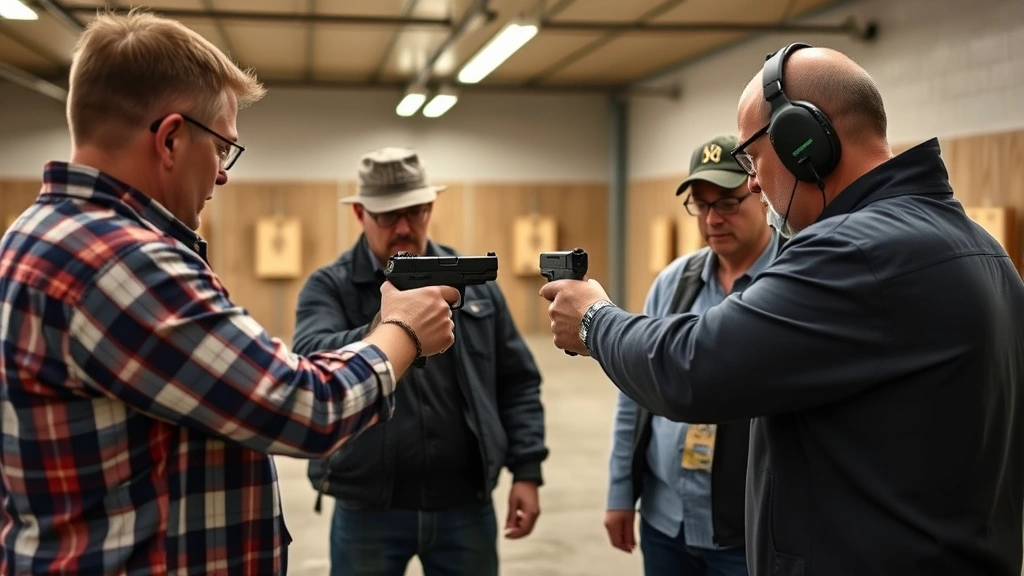
Nevada has established comprehensive firearms regulations that balance Second Amendment protections with public safety considerations. Understanding these laws is essential for gun owners, prospective purchasers, and anyone handling firearms in the state. Nevada’s approach to gun legislation reflects both constitutional principles and practical regulatory frameworks that have evolved over decades.
This comprehensive guide provides lawyer insights into Nevada’s gun laws, covering everything from purchase requirements to carry permits, prohibited weapons, and criminal penalties. Whether you’re a Nevada resident, visitor, or someone considering firearm ownership, this resource clarifies the legal landscape surrounding firearms in the Silver State.
Nevada Firearm Purchase Requirements
Nevada permits licensed firearm dealers to sell handguns, rifles, and shotguns to qualified individuals. The purchase process involves several mandatory steps designed to ensure responsible ownership. All firearm purchases from licensed dealers require a background check through the National Instant Criminal Background Check System (NICS), which typically completes within minutes.
Buyers must be at least 18 years old to purchase rifles and shotguns, and 21 years old to purchase handguns. Nevada law does not impose a waiting period for firearm purchases, distinguishing it from several neighboring states. However, dealers must comply with federal regulations, including proper documentation and record-keeping requirements.
Private sales in Nevada are permitted without background checks, though federal law still applies to prohibited persons. It’s crucial to understand that the absence of a state-mandated background check for private transactions doesn’t eliminate the legal responsibility to verify a buyer’s eligibility. If you’re unaware of someone’s criminal history and sell them a firearm illegally, you could face serious consequences.
Understanding the difference between felony and misdemeanor charges is important, as some criminal convictions permanently prohibit firearm ownership while others may not. Federal law prohibits anyone convicted of a felony from possessing firearms, but state-level misdemeanor convictions may also trigger restrictions depending on circumstances.
Concealed Carry Permits in Nevada
Nevada recognizes the right to carry concealed firearms, and the state issues permits through county sheriffs’ offices. As of recent legislative changes, Nevada operates under constitutional carry principles, meaning law-abiding citizens can carry concealed handguns without a permit. However, obtaining a permit remains beneficial for several reasons, including reciprocity with other states and certain legal advantages.
To obtain a concealed carry permit in Nevada, applicants must be at least 21 years old, a Nevada resident for at least six months, and meet all federal firearms prohibitions. The application process involves submitting documentation to your county sheriff’s office, typically including proof of residency and citizenship. Most sheriffs charge a fee ranging from $75 to $150 for the initial permit.
Concealed carry permits are valid for five years and must be renewed before expiration. Nevada recognizes permits from other states under reciprocity agreements, making it valuable for travelers. The permit allows you to carry a concealed handgun in most locations, though certain places remain off-limits, including federal buildings, courthouses, and schools.
When carrying a concealed weapon, you must inform law enforcement officers during traffic stops or police encounters. Failing to disclose your firearm to police can result in serious charges. If you’re stopped by police, clearly state that you’re carrying a weapon and follow all officer instructions carefully to avoid misunderstandings that could escalate the situation.

Prohibited Weapons and Restrictions
Nevada law prohibits certain categories of weapons entirely. Fully automatic firearms manufactured after 1986 are illegal for civilian ownership, though pre-1986 automatic weapons registered under federal law remain legal. Short-barreled rifles and shotguns (barrels less than 16 and 18 inches respectively) are prohibited unless properly registered under federal law.
Silencers and suppressors are legal in Nevada when registered with the federal government. This distinguishes Nevada from states with blanket suppressors bans. However, you must comply with all federal regulations regarding their registration and use.
Nevada prohibits ballistic knives, which are spring-loaded knives that eject blades automatically. Explosive devices and incendiary devices are strictly prohibited. Armor-piercing ammunition is regulated under federal law, and certain exotic weapons fall under state restrictions.
Bump stocks, devices that increase a firearm’s rate of fire, were banned in Nevada following the 2017 Las Vegas shooting. Possessing a bump stock is now a felony offense. This represents one of Nevada’s stricter regulations compared to many other gun-friendly states.
Open Carry Laws
Nevada permits open carry of firearms without a permit. You can legally carry a visible handgun, rifle, or shotgun in most public locations. This constitutional carry provision applies statewide and doesn’t require any special license or documentation.
However, open carry rights have limitations. Private property owners can prohibit firearms on their premises, and you must respect those restrictions. Businesses can post signs prohibiting weapons, and entering an armed facility with a firearm violates trespassing laws. Schools, federal buildings, and courthouses remain off-limits regardless of carry method.
Open carry in Nevada is particularly prevalent in rural areas and during outdoor activities like hunting and target shooting. Urban areas see less open carry, partly due to cultural norms and partly because concealed carry provides practical advantages for daily activities.
When openly carrying, understand that police officers may approach you to verify you’re lawfully carrying. Remain calm, clearly identify yourself, and demonstrate that you’re not a threat. Most officer encounters regarding open carry are routine checks, but your cooperation and transparency are essential.
Felons and Gun Ownership
Federal law prohibits anyone convicted of a felony from possessing firearms. This applies nationwide and supersedes state law. Nevada enforces these federal restrictions rigorously, and violating them constitutes a separate felony charge.
Individuals with felony convictions in their background cannot legally purchase, possess, or carry firearms in Nevada. This prohibition is permanent unless the conviction is expunged or a pardon is granted. Expungement processes vary by jurisdiction, and pardons are rarely granted.
Some misdemeanor convictions, particularly domestic violence convictions, also trigger firearm prohibitions. Federal law prohibits anyone convicted of a domestic violence misdemeanor from possessing firearms. Nevada state law aligns with this federal standard.
If you have a criminal record and questions about your eligibility, consulting with an attorney is advisable. Legal professionals can review your specific situation and explain options like expungement that might restore your rights. Understanding your legal status before attempting to purchase a firearm prevents serious criminal charges.
Storage and Safe Handling
Nevada doesn’t mandate specific firearm storage requirements for adults, though responsible storage prevents accidents and theft. Many safety organizations recommend storing firearms in locked safes or cases, separate from ammunition, especially in homes with children.
If a minor obtains and uses a firearm kept in your home, you could face criminal liability depending on circumstances. Nevada law holds gun owners responsible for preventing unauthorized access by children, particularly when negligence is evident. Securing firearms properly demonstrates responsible ownership and protects against tragic accidents.
Safe handling practices include treating every firearm as if it’s loaded, keeping the muzzle pointed in a safe direction, keeping your finger off the trigger until ready to shoot, and being aware of your target and what’s beyond it. These fundamental safety rules prevent accidental injuries and deaths.
When transporting firearms in Nevada, keep them unloaded and secured in your vehicle. Federal law prohibits loaded firearms in vehicles in certain circumstances. Ammunition should be stored separately from firearms when transporting. These precautions ensure legal compliance and safety.
Criminal Penalties for Violations
Violating Nevada gun laws carries serious criminal penalties. Carrying a concealed weapon without proper authorization is a felony. Possessing a firearm as a prohibited person is a felony with prison time and substantial fines. Unlawful possession of certain restricted weapons results in felony charges.
If you’re charged with a gun-related offense, you should immediately understand your rights and consult an attorney. Gun charges often involve complex legal issues, and early legal representation significantly impacts case outcomes. Many jurisdictions offer diversion programs or reduced charges for first-time offenders, but only with proper legal counsel.
Brandishing a firearm, displaying it in a rude or threatening manner, constitutes a crime in Nevada. This applies even if the weapon isn’t loaded or functional. Pointing a firearm at someone, even as a joke, can result in assault charges or worse.
Discharging a firearm within city limits is generally illegal except in self-defense situations. This includes target practice and celebratory firing. Violating discharge laws results in misdemeanor or felony charges depending on circumstances and whether anyone was injured.
Using a firearm in the commission of a crime adds significant penalties on top of the underlying offense. Armed robbery, armed assault, and armed burglary carry enhanced sentences compared to their unarmed equivalents. If you’re involved in any crime involving a firearm, the legal consequences multiply substantially.

Recent legal developments in Nevada continue shaping firearm regulations. Court challenges to certain restrictions, legislative proposals for new regulations, and federal law changes all impact Nevada’s gun law landscape. Staying informed about these changes ensures you remain in compliance with current laws.
Consulting with attorneys specializing in firearms law provides personalized guidance for your specific situation. Whether you’re a first-time buyer, experienced shooter, or someone facing charges, legal professionals understand Nevada’s complex regulations and can navigate them effectively. Resources like the State Bar of Nevada can connect you with qualified attorneys.
FAQ
Do I need a permit to buy a gun in Nevada?
Nevada doesn’t require a permit to purchase firearms from licensed dealers. However, all dealer sales require a background check through NICS. Private sales don’t require background checks under Nevada law, though federal prohibitions still apply.
Can I carry a gun in Nevada without a permit?
Yes, Nevada permits constitutional carry, allowing law-abiding citizens to carry concealed handguns without a permit. However, obtaining a permit has advantages, including reciprocity with other states and certain legal protections.
What firearms are illegal in Nevada?
Post-1986 fully automatic firearms, short-barreled rifles and shotguns, bump stocks, ballistic knives, and certain explosive devices are prohibited. Suppressors are legal when federally registered.
Can felons own guns in Nevada?
No, federal law prohibits anyone with a felony conviction from possessing firearms. This applies nationwide, including Nevada. Some misdemeanor convictions, particularly domestic violence convictions, also trigger prohibitions.
What are the penalties for illegal gun possession?
Illegal gun possession is a felony in Nevada, carrying prison time and substantial fines. Penalties increase if the firearm was used in another crime. Specific penalties depend on the violation and individual circumstances.
Can I carry a gun while driving in Nevada?
Yes, you can carry a firearm in your vehicle in Nevada. Ensure compliance with federal regulations regarding loaded weapons and safe storage. During traffic stops, inform officers that you’re carrying a weapon.
Are there gun restrictions in specific locations?
Yes, federal buildings, courthouses, schools, and certain private properties prohibit firearms. Businesses can post signs prohibiting weapons on their premises. Respect these restrictions to avoid trespassing charges.
What’s the difference between open carry and concealed carry?
Open carry means the firearm is visibly displayed, while concealed carry means it’s hidden from plain view. Nevada permits both without requiring permits, though concealed carry permits remain beneficial for reciprocity and certain legal advantages.
Do I need training to carry a gun in Nevada?
Nevada doesn’t mandate firearm safety training for constitutional carry, though training is strongly recommended. Many shooting ranges and certified instructors offer courses covering safety, laws, and practical skills.
How do I renew my concealed carry permit?
Contact your county sheriff’s office with your expiring permit and required documentation. Renewal typically costs $75-150 and takes several weeks. Permits are valid for five years from issuance.


