Seattle Sip and Stroll Law: Legal Overview
Seattle’s open container laws represent a unique intersection of public health policy, urban planning, and alcohol regulation that affects residents and visitors alike. The city’s approach to allowing pedestrians to consume alcoholic beverages in designated areas has become a model for progressive alcohol policy in the United States. Understanding these regulations is essential for anyone navigating Seattle’s vibrant neighborhoods and entertainment districts.
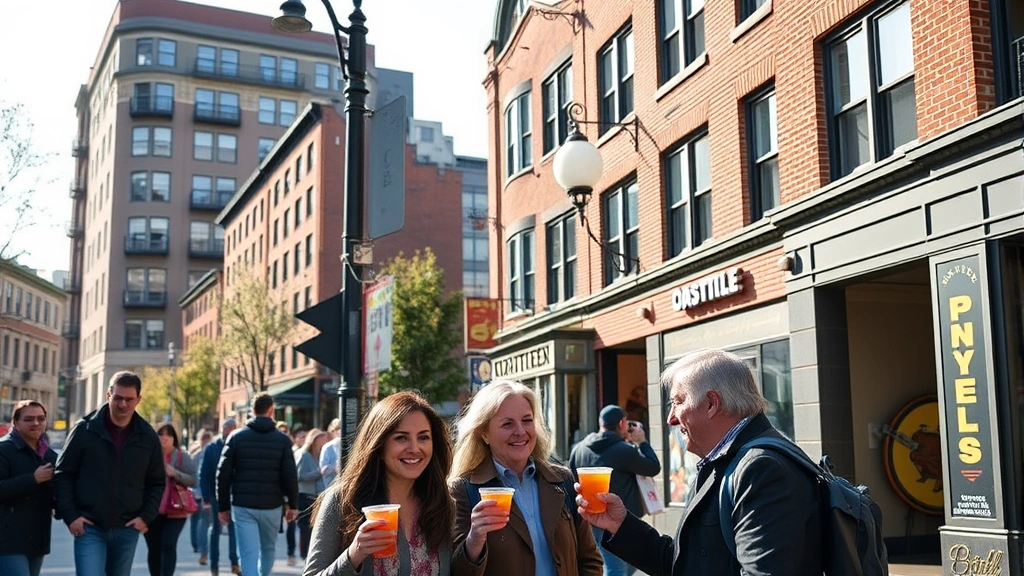
The “sip and stroll” framework in Seattle permits individuals to walk through certain neighborhoods while carrying and consuming open alcoholic beverages under specific conditions and designated areas. This legal structure differs significantly from the strict open container prohibitions found in most American cities, making Seattle a notable case study for alcohol regulation and public space management. The law reflects broader conversations about urban livability, personal freedom, and community safety.
Seattle’s approach emerged from years of community input, business advocacy, and regulatory innovation. Local policymakers sought to balance the desires of breweries, wineries, and restaurants with public safety concerns and quality-of-life considerations. The resulting framework has evolved through multiple iterations and continues to be refined based on enforcement data and community feedback.
What Is Seattle’s Sip and Stroll Law
Seattle’s sip and stroll ordinance, formally known as the Open Container Exception for Designated Neighborhoods, represents a departure from Washington State’s general open container prohibition. Washington State law, codified in RCW 66.44.100, typically prohibits consuming alcohol on public streets and sidewalks. However, Seattle established specific exceptions through city ordinance that permit open alcohol consumption in carefully defined geographic areas.
The legal authority for Seattle’s sip and stroll provision derives from Seattle Municipal Code Section 5.48, which grants the city authority to establish special license areas where open container restrictions may be waived. This framework allows participating businesses and neighborhood associations to create what are officially called “Designated Outdoor Refreshment Areas” or DORAs.
The underlying philosophy acknowledges that controlled, managed open consumption in specific areas can coexist with public safety objectives. Rather than a blanket prohibition, Seattle’s approach uses geographic boundaries and operational guidelines to permit what would otherwise be illegal conduct. This represents a more permissive stance than the civil law system vs common law frameworks used in many jurisdictions, emphasizing local autonomy and community-specific regulation.
The policy emerged partly as a response to the success of similar programs in other cities, particularly Portland, Oregon, which pioneered the DORA concept. Seattle’s version reflects the city’s character as a progressive, business-friendly municipality willing to experiment with alternative regulatory approaches. The ordinance has become increasingly relevant as craft beverage industries continue expanding throughout the Pacific Northwest.

Designated Areas and Neighborhoods
Seattle’s sip and stroll law applies exclusively within officially designated neighborhoods and commercial districts. As of the most recent updates, primary designated areas include Capitol Hill, Ballard, Georgetown, Pioneer Square, and the Chinatown-International District. Each designated area maintains specific boundaries clearly marked with signage, and these boundaries are publicly available through the Seattle Department of Business and Workers’ Rights.
The designation process involves significant community engagement and business participation. Neighborhoods seeking DORA status must demonstrate community support, establish management structures, and commit to addressing any negative externalities. Business improvement districts, neighborhood associations, and commercial property owners typically lead designation efforts, working collaboratively with city officials to establish operational parameters.
Pioneer Square holds particular significance as one of Seattle’s oldest commercial neighborhoods and an early adopter of the sip and stroll framework. The neighborhood’s historic character, concentration of bars and restaurants, and established tourism infrastructure made it a logical candidate for the program. Capitol Hill, known for its vibrant nightlife and diverse community, represents another major hub for open consumption activity.
Ballard’s designation reflects the neighborhood’s transformation into a brewery destination, with numerous craft breweries operating throughout the district. The sip and stroll law enables brewery patrons to purchase beverages and explore the neighborhood, supporting both individual businesses and the broader commercial ecosystem. Georgetown’s inclusion demonstrates the program’s expansion beyond traditional entertainment districts into emerging neighborhood commercial centers.
Each designated area operates under specific management guidelines established through neighborhood agreements. These guidelines address hours of operation, types of beverages permitted, container requirements, and cleanup responsibilities. The boundaries are not arbitrary but reflect natural commercial districts and pedestrian flow patterns that make enforcement practical and community impact manageable.
Legal Requirements and Restrictions
Container and Beverage Specifications
Seattle’s sip and stroll law imposes strict requirements on container types and beverage characteristics. Alcoholic beverages must be served in approved containers, typically plastic cups or specially designated branded cups provided by participating establishments. Glass containers are expressly prohibited in all designated areas, a safety measure designed to reduce injury risks and facilitate cleanup.
Beverages must be purchased from licensed establishments located within or immediately adjacent to the designated area. Individuals cannot bring alcohol from outside venues into the sip and stroll zone. This requirement ensures that only properly regulated establishments benefit from the open consumption allowance and maintains accountability for beverage service.
Age verification remains mandatory at the point of sale. Individuals must be at least 21 years old to purchase and consume alcoholic beverages in sip and stroll areas, consistent with Washington State law. Licensed establishments maintain responsibility for checking identification and refusing service to underage individuals. Violations can result in significant penalties for businesses and potential criminal charges for individuals.
Time and Location Limitations
The sip and stroll allowance operates only during specified hours, typically from mid-morning through early evening, though hours vary by neighborhood. These time windows reflect considerations about peak pedestrian traffic, neighborhood character, and public safety. Most designated areas prohibit open consumption after 9:00 PM or 10:00 PM, aligning with traditional evening entertainment transitions.
Consumption is restricted to public sidewalks and pedestrian pathways within designated boundaries. Private property, parks, parking lots, and residential areas remain subject to standard open container prohibitions. The geographic specificity reflects careful city planning to create distinct entertainment corridors while protecting residential neighborhoods and sensitive public spaces.
Individuals must be mobile or stationary in pedestrian areas. The law does not permit consuming alcohol while sitting in parked vehicles or on private property within the designated zones. This distinction preserves the “stroll” component of the policy, encouraging pedestrian movement and commercial patronage rather than static consumption.
Behavioral Standards
While open consumption is permitted, disorderly conduct, public intoxication, and aggressive behavior remain prohibited. The sip and stroll allowance does not exempt individuals from general criminal law regarding disturbing the peace, harassment, or threatening behavior. Law enforcement maintains authority to arrest individuals exhibiting signs of intoxication that pose public safety risks.
Individuals must comply with all directions from law enforcement officers and neighborhood management personnel. Failure to comply, littering, or creating public disturbances can result in citations and removal from the designated area. Repeat violations or egregious conduct may result in exclusion from future participation in sip and stroll activities.
Permitted Beverage Types
Seattle’s sip and stroll law permits beer, wine, and cider purchased from licensed establishments within designated areas. The policy generally excludes distilled spirits and cocktails, though some neighborhoods have negotiated exceptions for specific venues. The beverage restrictions reflect considerations about alcohol concentration, consumption patterns, and public safety management.
Beer, whether craft, domestic, or imported, represents the primary beverage category in most sip and stroll zones. The Pacific Northwest’s robust craft beer industry makes this restriction particularly significant economically. Breweries and brewpubs benefit substantially from the open consumption allowance, which facilitates brewery tours and neighborhood exploration.
Wine and hard cider enjoy similar status to beer within most designated areas. Wineries and cideries operating in or near sip and stroll zones can leverage the policy to expand customer reach. The beverage diversity reflects Seattle’s sophisticated alcohol consumer base and the region’s established wine and cider production traditions.
Spirits and cocktails typically remain prohibited due to their higher alcohol content and association with rapid intoxication. Policymakers determined that permitting cocktail consumption would create greater public safety challenges and potential problems related to intoxication management. Some neighborhoods have explored exceptions for specific venues, but these remain rare and subject to stringent oversight.
Enforcement and Penalties
Seattle Police Department, neighborhood management organizations, and licensed establishments share responsibility for enforcing sip and stroll regulations. The Seattle Police Department maintains primary enforcement authority, responding to violations and public safety concerns. Neighborhood management groups provide additional oversight and community coordination.
Violations of sip and stroll regulations can result in citations, fines, and criminal charges depending on violation severity. Individuals consuming alcohol outside designated areas or during prohibited hours face open container violation charges under Washington State law. Fines typically range from $50 to $250 for first-time offenses, with escalating penalties for repeat violations.
Individuals exhibiting public intoxication while participating in sip and stroll activities face potential arrest and prosecution. Public intoxication charges can result in fines up to $1,000 and potential jail time. Individuals arrested for alcohol-related offenses may face additional consequences including driver’s license suspension, mandatory alcohol education programs, and probation requirements.
Licensed establishments violating sip and stroll requirements face suspension or revocation of their special license privileges. Serving underage individuals, providing beverages in prohibited containers, or failing to maintain order can result in business penalties. Repeated violations may trigger investigations by the Washington Department of Revenue’s Liquor and Cannabis Board and potential license revocation.
Neighborhood management organizations can exclude individuals who repeatedly violate regulations or create public safety concerns. Exclusion notices, sometimes called “stay away” orders, prohibit individuals from participating in sip and stroll activities for specified periods. These administrative measures complement law enforcement actions and provide neighborhood-level accountability mechanisms.
Comparison With Other Cities
Seattle’s sip and stroll approach reflects a broader national trend toward more permissive open container policies in designated urban areas. Cities including Portland, Denver, and Savannah have implemented similar Designated Outdoor Refreshment Area programs with varying parameters and success levels. Understanding Seattle’s program requires context regarding how it compares to these alternatives.
Portland’s DORA program, established in 2015, served as a direct model for Seattle’s approach. Portland permits open consumption of beer, wine, and cider in designated zones during specified hours. Seattle’s framework closely mirrors Portland’s structure but includes distinct geographic boundaries and operational variations reflecting Seattle’s unique neighborhood characteristics and regulatory environment.
Denver’s similar program emphasizes downtown revitalization and brewery tourism, comparable to Seattle’s Ballard focus. However, Denver’s regulations permit cocktails in certain venues, a more permissive stance than Seattle’s typical restrictions. This variation reflects different municipal priorities and community preferences regarding alcohol consumption management.
Most American cities maintain strict open container prohibitions without designated exceptions. Federal law does not require open container restrictions, but the National Highway Traffic Safety Administration recommends them as public safety measures. Seattle’s deviation from this norm positions it among a select group of progressive municipalities willing to experiment with alternative regulatory frameworks.
Understanding law hub resources and legal databases can provide additional comparative analysis of municipal alcohol regulations. Different jurisdictions balance competing interests—commercial development, public safety, quality of life, and personal freedom—through distinct regulatory approaches.
Business Impact and Economic Implications
The sip and stroll law generates significant economic benefits for participating businesses and neighborhood commercial districts. Breweries, bars, restaurants, wineries, and retail establishments within designated areas report increased foot traffic and revenue attributable to the open consumption allowance. The policy effectively transforms entire neighborhoods into extended commercial entertainment venues.
Breweries particularly benefit from the sip and stroll framework, which enables brewery patrons to purchase beverages and explore surrounding neighborhoods. This creates natural pathways for brewery tourism, where visitors purchase beverages at one location and consume them while walking to other attractions. The cumulative effect supports multiple businesses within single commercial districts.
Property values and commercial rent in sip and stroll neighborhoods have increased following designation. Property owners recognize the economic value of locations within these special zones and adjust lease terms accordingly. This economic appreciation reflects genuine demand from businesses seeking to participate in the program and capitalize on increased customer traffic.
The policy supports job creation across multiple business categories. Breweries, bars, restaurants, and retail establishments hire additional staff to manage increased customer volume. Neighborhood management organizations create administrative and enforcement positions. Security services and cleanup contractors expand operations to accommodate the increased activity levels.
Tourism benefits represent another significant economic component. Visitors to Seattle specifically seek out sip and stroll experiences, particularly in Ballard’s brewery district. This drives hotel occupancy, restaurant revenue, and retail sales beyond the immediate alcohol vendors. Tourism boards actively promote Seattle’s unique sip and stroll offerings as distinguishing factors compared to other Pacific Northwest destinations.
However, the policy also generates costs and challenges. Increased pedestrian activity strains public infrastructure including sidewalks, restrooms, and waste management systems. Neighborhoods bear cleanup costs and potential public safety expenses related to managing larger crowds and associated behavioral issues. Some residents express concerns about noise, disruption, and changes to neighborhood character.
Balancing these competing interests requires ongoing management and community engagement. Neighborhood management organizations collect fees from participating businesses to fund infrastructure improvements, cleanup services, and safety initiatives. This creates a self-funding model where benefiting businesses subsidize the costs their activities generate.
Legal Considerations for Consumers and Businesses
Consumer Legal Responsibilities
Individuals participating in sip and stroll activities assume legal responsibilities beyond simple compliance with open container exceptions. Consumers must understand that the sip and stroll allowance does not exempt them from any other applicable laws. Disorderly conduct, harassment, trespassing, and other criminal conduct remain prohibited regardless of legal open consumption status.
Consumers should verify current regulations before participating, as rules may change or vary by neighborhood. The Seattle Department of Business and Workers’ Rights maintains current information regarding designated areas, permitted beverages, and operational hours. Relying on outdated information or assumptions about regulations can result in unexpected legal consequences.
Personal liability exposure exists for individuals whose behavior causes injury or property damage while participating in sip and stroll activities. Intoxicated individuals bear legal responsibility for their conduct, including civil liability for damages caused through negligence or intentional acts. Insurance coverage may not extend to incidents occurring while consuming alcohol, creating potential financial exposure.
Business Legal Obligations
Licensed establishments participating in sip and stroll programs assume heightened legal obligations regarding beverage service and public safety. Businesses must maintain current licenses, comply with all service regulations, and verify customer age. Violations create significant liability exposure including fines, license suspension, and potential criminal charges for business owners and managers.
Businesses bear responsibility for customer behavior on premises and in immediately adjacent areas. Courts have recognized premises liability extending beyond physical business boundaries when businesses serve intoxicated customers who subsequently cause harm. Proper training, adequate security, and reasonable monitoring can reduce liability exposure, though legal responsibility remains substantial.
Businesses must maintain appropriate insurance coverage addressing their participation in sip and stroll programs. Standard liquor liability policies may not adequately cover open container service scenarios. Business owners should consult with insurance agents to ensure coverage includes all activities conducted under sip and stroll authorizations.
FAQ
Is sip and stroll legal throughout Seattle?
No. The sip and stroll allowance applies only within officially designated neighborhoods including Capitol Hill, Ballard, Georgetown, Pioneer Square, and the Chinatown-International District. Open container prohibitions apply throughout the rest of Seattle. Always verify your location before consuming alcohol in public.
Can I bring alcohol from home into a sip and stroll area?
No. Beverages must be purchased from licensed establishments located within or immediately adjacent to the designated area. Bringing alcohol from outside sources violates sip and stroll regulations and remains subject to standard open container prohibitions.
What types of containers are permitted?
Only plastic cups or specially designated branded cups provided by participating establishments are permitted. Glass containers are strictly prohibited in all designated areas due to safety concerns. Beverages must remain in approved containers throughout consumption.
Can I consume alcohol in parks within designated neighborhoods?
No. The sip and stroll allowance applies only to public sidewalks and pedestrian pathways. Parks, parking lots, and other public spaces remain subject to standard open container prohibitions regardless of neighborhood designation.
What are the penalties for violating sip and stroll regulations?
Violations can result in citations ranging from $50 to $250, criminal charges for open container violations, and potential arrest for public intoxication. Licensed establishments face license suspension or revocation. Individuals may be excluded from future participation in sip and stroll activities.
Are there age restrictions for sip and stroll participation?
Yes. Only individuals 21 years or older can purchase and consume alcoholic beverages. Licensed establishments must verify identification and refuse service to underage individuals. Violations result in significant penalties for both individuals and businesses.
What hours does the sip and stroll allowance apply?
Hours vary by neighborhood but typically permit open consumption from mid-morning through 9:00 PM or 10:00 PM. Specific hours are posted in each designated area. Consumption outside permitted hours violates regulations and is subject to standard open container prohibitions.
Can I sit down while consuming alcohol in a sip and stroll area?
The allowance emphasizes the “stroll” component, meaning individuals should be mobile or stationary in pedestrian areas rather than seated. Sitting in parked vehicles or at stationary locations may violate regulations depending on specific neighborhood guidelines and enforcement practices.
How is the sip and stroll program funded?
Neighborhood management organizations collect fees from participating businesses to fund infrastructure improvements, cleanup services, and safety initiatives. This creates a self-funding model where benefiting businesses subsidize the costs their activities generate.
Can sip and stroll regulations be changed or eliminated?
Yes. The program operates under Seattle Municipal Code provisions that can be modified or repealed through city council action. Neighborhoods can also voluntarily withdraw from the program or modify their participation parameters through established procedures.


