California Car Seat Law: Lawyer’s Breakdown
California maintains some of the strictest child passenger safety requirements in the United States, with comprehensive regulations governing car seats, booster seats, and restraint systems. Parents and caregivers must understand these laws to protect children and avoid significant financial penalties. Understanding statutory law requirements is essential for compliance with California’s vehicle safety codes.
The state’s car seat laws are codified primarily in California Vehicle Code sections 27360-27365 and reflect a commitment to reducing child fatalities and injuries in motor vehicle accidents. Non-compliance can result in fines ranging from $100 to $1,000 per violation, depending on the specific offense and whether it’s a first or repeat violation. Beyond financial consequences, improper car seat usage significantly increases the risk of serious injury or death in collisions, making legal compliance a matter of child safety.
This comprehensive guide breaks down California’s car seat requirements, explains the different types of approved restraint systems, discusses enforcement procedures, and addresses common questions parents and legal guardians frequently encounter.
California Car Seat Requirements by Age and Weight
California law establishes specific requirements based on a child’s age and weight, creating a tiered system designed to protect children at different developmental stages. The primary statute governing these requirements is California Vehicle Code Section 27360, which mandates that children be properly restrained while riding in motor vehicles.
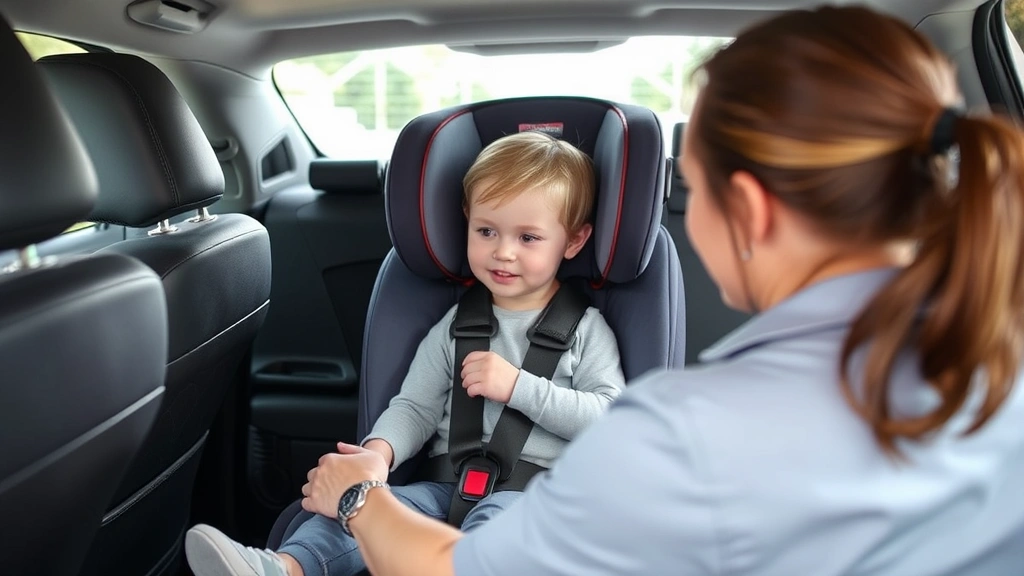
Infants and toddlers under two years of age must be secured in a rear-facing car seat, regardless of height or weight. This requirement reflects extensive crash test data demonstrating that rear-facing seats provide superior protection for young children whose spinal columns are still developing. The only exception occurs when a child reaches the maximum height or weight limit specified by the car seat manufacturer, at which point parents must transition to the next appropriate restraint system.
Children ages two through eight years old, or those who have outgrown their rear-facing seats, must use a forward-facing car seat with a harness system or an appropriate booster seat. The specific type depends on the child’s weight and height. California law requires that children remain in a forward-facing harness seat as long as possible before transitioning to a booster seat, as harness systems provide optimal protection during this critical growth period.
Children who exceed the height and weight requirements for forward-facing harness seats must use a booster seat until they reach 4 feet 9 inches in height or turn eight years old, whichever occurs first. Understanding how to prepare for a deposition may become relevant if you’re involved in a legal proceeding regarding child passenger safety violations.
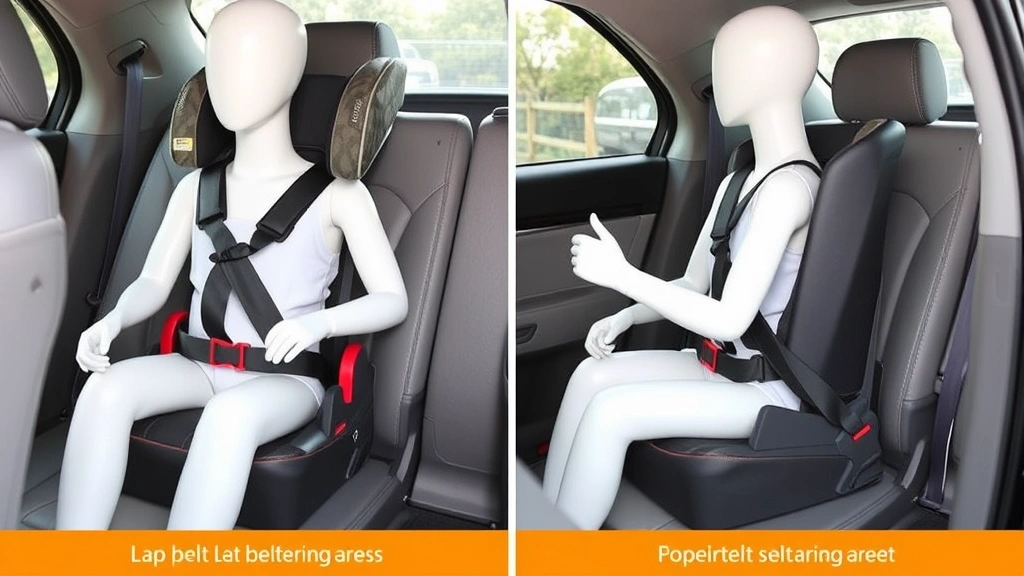
Once children reach 4 feet 9 inches in height or turn eight years old, they may use the vehicle’s standard seat belt system, provided the belt fits properly across the shoulder and lap. Proper fit is crucial—the shoulder belt should cross the chest and shoulder, not the neck or throat, while the lap belt should sit low across the hips.
Rear-Facing vs. Forward-Facing Seats
The distinction between rear-facing and forward-facing car seats represents one of the most critical aspects of California’s child passenger safety requirements. Medical research and crash test data consistently demonstrate that rear-facing seats provide substantially better protection for infants and young toddlers.
Rear-facing seats work by distributing crash forces across the child’s entire back, neck, and head—the most vulnerable areas for young children. In a frontal collision, a rear-facing seat cradles the child and prevents the head from snapping forward, which can cause severe spinal injuries. California’s requirement that children under two remain rear-facing aligns with recommendations from the American Academy of Pediatrics and the National Highway Traffic Safety Administration.
Modern rear-facing car seats accommodate children up to 40-50 pounds and heights up to 49 inches, depending on the model. Many manufacturers now produce convertible seats that transition from rear-facing to forward-facing, allowing extended rear-facing use. Parents should consult the specific seat’s manual to determine maximum limits before transitioning to forward-facing orientation.
Forward-facing seats become appropriate once children exceed the rear-facing seat’s weight and height limits. These seats use a five-point harness system that secures the child at the shoulders, hips, and between the legs. Forward-facing seats typically accommodate children up to 65-90 pounds, again depending on the specific model.
The transition from rear-facing to forward-facing should occur only when the child genuinely exceeds the rear-facing seat’s manufacturer limits. Parents should never move children to forward-facing seats earlier simply for convenience or comfort, as doing so significantly increases injury risk in crashes.
Booster Seat Regulations
Booster seats represent the final step before children can safely use adult seat belts. These seats elevate children so that the vehicle’s standard seat belt fits properly across their developing bodies. California requires booster seat use for children who have outgrown their forward-facing harness seats but haven’t yet reached 4 feet 9 inches in height or eight years old.
High-back booster seats provide head and neck support and typically work in vehicles without headrests or with poorly positioned headrests. These seats position the vehicle’s lap and shoulder belts correctly while providing lateral support during side-impact collisions.
Backless booster seats are lighter and more portable but lack head and neck support. These work best in vehicles with well-positioned headrests and are suitable for older children within the appropriate weight range. Backless boosters generally accommodate children weighing 40-100 pounds.
Parents must ensure the booster seat is appropriate for their child’s current weight and height. Using a booster seat that’s too large or too small compromises safety effectiveness. The lap belt should sit low across the hips, and the shoulder belt should cross the chest diagonally—never across the neck or throat.
Approved Car Seat Standards and Certifications
California law requires that all car seats meet Federal Motor Vehicle Safety Standards (FMVSS), specifically FMVSS 213 for child restraint systems. This federal standard ensures that seats undergo rigorous crash testing and meet minimum safety performance requirements.
All car seats sold in the United States must display a label indicating compliance with FMVSS 213. Parents should verify this label before purchasing any restraint system. Additionally, car seats must include clear instructions for proper installation and use, typically found on a label permanently affixed to the seat.
California does not recognize or accept used car seats that have been involved in moderate or severe crashes, as impact can compromise structural integrity. Even if a used seat appears undamaged, internal components may be compromised. Parents should purchase new seats or obtain seats from trusted sources with documented safety histories.
Several organizations provide independent testing and certification of car seats. The Insurance Institute for Highway Safety (IIHS) and the National Highway Traffic Safety Administration (NHTSA) maintain databases of approved and tested seats. Parents can consult these resources to identify seats that performed well in independent crash tests beyond minimum federal requirements.
Enforcement and Penalties
California law enforcement officers can cite drivers for violating car seat requirements during traffic stops or at accident scenes. Violations fall under California Vehicle Code Section 27360, which carries specific penalty provisions.
First-time violations typically result in fines of $100-$250. However, if a driver can show proof of purchasing an appropriate car seat or correcting the violation, courts may dismiss the citation or reduce penalties through traffic school or defensive driving courses.
Subsequent violations within a defined period carry escalating fines up to $1,000. Additionally, violations may appear on driving records and could affect insurance rates. Some insurance companies offer discounts for maintaining proper child passenger safety practices.
Law enforcement officers focus enforcement efforts on driver safety and child protection rather than revenue generation. Many departments participate in community education programs explaining California’s requirements. If you receive a citation for car seat violations, you have the right to contest it in traffic court and present evidence of compliance.
Beyond traffic citations, improper car seat usage can have serious consequences in child custody or child protective services proceedings. Courts may view consistent failure to use appropriate restraints as evidence of inadequate supervision or child endangerment.
Exemptions and Special Circumstances
California law provides limited exemptions to its car seat requirements. These exceptions apply only in specific, well-defined circumstances.
Medical exemptions may apply when a physician documents that a specific car seat or restraint system is medically contraindicated for a particular child due to a documented medical condition. Parents must obtain written certification from a licensed physician and carry this documentation while operating the vehicle. The exemption applies only to the specific child and the specific condition documented.
Ride-sharing and taxi services are exempt from car seat requirements for passengers. However, parents arranging transportation for their children should still ensure proper restraints are available, as the exemption reflects regulatory convenience rather than safety endorsement.
Emergency vehicles and law enforcement may be exempt from certain requirements during emergency operations. However, this exemption applies only to official emergency functions, not routine transportation.
No exemptions exist based on vehicle type, with one important exception: vehicles manufactured before 1968 are exempt from seat belt and car seat requirements. However, modern vehicles, including trucks and SUVs, must comply fully with California’s car seat laws.
Installation Requirements and Proper Usage
Proper car seat installation is critical to effectiveness. Studies indicate that approximately 70% of car seats are installed incorrectly, significantly compromising their protective capabilities. California recognizes this challenge and provides resources to help parents install seats correctly.
LATCH systems (Lower Anchors and Tethers for Children), introduced in 2002, provide an alternative to seat belt installation. These systems use anchors built into vehicle seats and a tether strap to secure car seats without using the vehicle’s seat belt. Most modern vehicles and car seats feature LATCH systems, though proper installation remains essential.
Parents should consult both the car seat manual and the vehicle owner’s manual for specific installation instructions. Different vehicles have different anchor locations and configurations. Some vehicles may not accommodate certain car seat models due to seat shape or configuration.
Certified Child Passenger Safety Technicians can provide free or low-cost installation assistance. These trained professionals can identify installation errors and ensure seats are properly secured. Many police departments, fire departments, and hospitals offer free car seat inspection services. The National Highway Traffic Safety Administration maintains a database of certified technicians and inspection locations.
Beyond installation, proper usage includes:
- Ensuring harness straps are snug and properly positioned at or below shoulder height for rear-facing seats and at or above shoulder height for forward-facing seats
- Avoiding bulky clothing that prevents proper harness fit
- Keeping children in appropriate seats even for short trips, as most crashes occur near home
- Never leaving children unattended in vehicles with running engines
- Regularly checking that seats remain properly installed and haven’t shifted
Parents should also be aware of car seat expiration dates. Most manufacturers recommend replacing seats 6-10 years after manufacture, as plastic components degrade over time. The manufacture date appears on a label affixed to the seat.
FAQ
Can I use an out-of-state car seat in California?
Yes, provided the seat meets Federal Motor Vehicle Safety Standards (FMVSS 213) and complies with California’s age, weight, and height requirements. The seat must have the required label indicating federal compliance. Any seat purchased or used in California must meet the same standards regardless of where it was originally manufactured.
What if my child refuses to sit in a car seat?
While challenging, parents must maintain compliance with California law. Strategies include making the seat more comfortable, using appropriate toys or entertainment, establishing consistent routines, and explaining the importance of safety in age-appropriate language. If a child has a genuine medical condition preventing car seat use, parents must obtain physician certification of the condition and carry documentation while driving.
Are there California-specific car seat recommendations beyond legal requirements?
Yes. The California Highway Patrol and the California Department of Transportation provide extensive resources on child passenger safety. Many recommend extended rear-facing use beyond the legal minimum, as crash test data shows superior protection. Additionally, some recommend keeping children in harness seats longer before transitioning to booster seats.
Do I need a car seat for every vehicle my child rides in?
Yes. California law applies whenever a child is transported in any motor vehicle, including family cars, borrowed vehicles, and rental cars. Parents are responsible for ensuring appropriate restraints are available in all vehicles their children use. When traveling with rental cars, parents can request car seats be provided, though renting personal seats often proves more reliable.
What happens if I’m cited for a car seat violation?
You can contest the citation in traffic court, present evidence of compliance, or complete traffic school if eligible. Many courts offer traffic school options for first-time violations. If you received the citation due to a genuine misunderstanding of the law, you may present this as a defense. Understanding how to file a complaint procedures may become relevant if you believe the citation was issued in error, though for traffic violations you would use traffic court procedures rather than administrative complaints.
Can grandparents or other caregivers be cited for car seat violations?
Yes. Any adult operating a vehicle with an improperly restrained child can be cited. This includes parents, grandparents, babysitters, and other caregivers. All adults responsible for transporting children should understand and comply with California’s requirements.
Are there resources for low-income families to obtain car seats?
Yes. Several nonprofit organizations, community health centers, and government agencies provide free or discounted car seats to low-income families. Many police and fire departments participate in car seat distribution programs. Parents should contact their local health department or child welfare agency for information about available resources in their area.
How do I know if my car seat was in a crash?
Most experts recommend replacing seats after any moderate or severe crash, even if the seat appears undamaged. Visible damage includes cracks, bends, or broken plastic. Even without visible damage, internal components may be compromised. After minor crashes with no vehicle damage, seats typically remain safe if properly installed.
What if my vehicle doesn’t have LATCH anchors?
Older vehicles manufactured before 2002 may not have LATCH systems. In these vehicles, car seats must be installed using the vehicle’s seat belt system. The seat belt installation method is equally safe when performed correctly. Consult both the car seat manual and vehicle manual for specific belt routing instructions.
Does California law require airbag deactivation for rear-facing seats?
California law doesn’t specifically address airbag deactivation, but safety experts recommend placing rear-facing seats in the back seat whenever possible. If a rear-facing seat must be placed in the front passenger seat, the airbag should be deactivated if the vehicle permits this. Consult your vehicle manual for airbag deactivation procedures.
Are booster seat laws different for different vehicle types?
No. California’s booster seat requirements apply equally to all vehicle types—cars, trucks, SUVs, and vans. The requirements are based on the child’s age, weight, and height, not the vehicle type. However, installation methods may vary depending on vehicle configuration.
What is the relationship between car seat law and child custody?
Family courts consider parents’ compliance with child passenger safety laws when evaluating custody and visitation arrangements. Consistent failure to use appropriate restraints may be viewed as evidence of inadequate supervision or child endangerment. Conversely, demonstrated commitment to child safety supports custody arrangements favoring that parent. If you’re involved in a custody dispute, understanding how to get a restraining order procedures may become relevant if safety concerns arise, though custody matters typically proceed through family court rather than restraining order procedures.
Can I be sued civilly for car seat violations?
While car seat violations are primarily enforced through traffic citations, violation of wrongful dismissal law principles and other legal standards can expose parents to civil liability. If a child is injured in a crash due to improper restraint, the parent or guardian may face civil lawsuits from the injured child or other parties. Additionally, insurance companies may deny coverage or reduce benefits if improper restraint contributed to injuries.
California’s car seat laws represent a comprehensive legal framework designed to protect children during vehicle transportation. Compliance requires understanding specific age, weight, and height requirements, selecting appropriately certified seats, ensuring proper installation, and maintaining consistent usage. Parents who have questions about specific situations should consult the California Department of Motor Vehicles or certified child passenger safety technicians for guidance. Legal questions regarding citations or custody implications should be directed to qualified family law or traffic law attorneys licensed in California.


