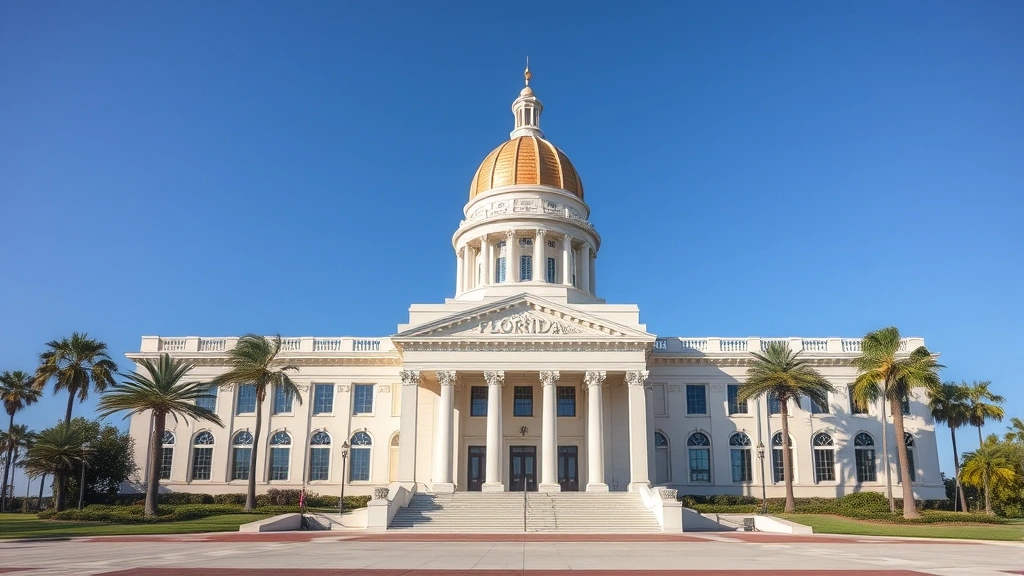
What’s New in Florida Laws? A Comprehensive Legal Update for 2023
Florida’s legislative landscape continues to evolve, with significant changes enacted in 2023 that affect residents, businesses, and legal practitioners across the state. Whether you’re a homeowner, employer, tenant, or business owner, understanding these new Florida laws is essential to ensure compliance and protect your rights. This comprehensive update covers the most impactful statutes and regulations that took effect or were substantially modified during 2023, providing clarity on how these changes may affect your legal standing.
The Florida Legislature has consistently prioritized reforms addressing housing, employment, criminal justice, and consumer protection. The 2023 legislative session introduced numerous bills that reshape how Floridians navigate property disputes, workplace relationships, and family law matters. By staying informed about these FL new laws, you can better position yourself to adapt to changing legal requirements and make informed decisions about your rights and obligations.

Landlord-Tenant Law Reforms
One of the most significant areas of change in 2023 involves Florida’s landlord-tenant statutes. The state enacted several amendments designed to clarify the rights and responsibilities of both property owners and renters. These reforms address eviction procedures, security deposits, and habitability standards, creating a more balanced legal framework for residential tenancies.
The modified eviction process now requires landlords to provide more detailed notice before initiating formal proceedings. Landlords must specify the exact nature of the lease violation and provide tenants with a reasonable opportunity to remedy the issue within a specified timeframe. This change has been particularly important for protecting tenants from arbitrary evictions while ensuring landlords can still enforce legitimate lease terms.
Security deposit regulations have also been tightened, with new requirements regarding how deposits must be held, documented, and returned. Landlords are now required to provide itemized statements when deducting from deposits, with photographic evidence supporting any damage claims beyond normal wear and tear. If you’re involved in a landlord-tenant dispute, understanding these new requirements is crucial to protecting your interests.
The 2023 reforms also expanded the definition of habitability, requiring landlords to maintain properties in compliance with specific health and safety codes. These include adequate plumbing, electrical systems, and climate control, with clear timelines for repairs. Tenants now have stronger legal grounds to withhold rent or terminate leases if landlords fail to maintain these standards, though they must follow proper procedural requirements.

Employment and Workplace Protections
Florida’s employment law landscape shifted considerably in 2023 with new protections for workers and clarifications on employer responsibilities. The state introduced enhanced anti-discrimination provisions and modified several aspects of employment contracts and workplace conduct standards.
One notable change involves discrimination and harassment protections, which now explicitly cover additional categories of employees and provide clearer definitions of prohibited conduct. Employers must implement comprehensive anti-harassment policies and maintain detailed records of complaints and investigations. If you believe you’ve experienced workplace discrimination, understanding your rights to file a complaint with the EEOC and state agencies is essential.
The minimum wage landscape also reflects changes, with Florida’s amendment establishing a gradual increase in the state minimum wage. The 2023 update continued the previously approved schedule, bringing the minimum wage closer to the $15 per hour threshold that will eventually take effect. Employers must ensure payroll systems reflect these increases and maintain accurate wage records.
Non-compete agreements received significant attention in the 2023 legislative session. New statutes now impose stricter requirements on the enforceability of non-compete clauses, requiring employers to demonstrate legitimate business interests and ensuring restrictions are reasonable in scope, duration, and geographic area. Employees challenging non-compete agreements have stronger legal grounds if the restrictions appear overly broad.
Workplace safety standards were also enhanced, with employers required to maintain updated safety protocols and provide proper training for employees handling hazardous materials. These changes align Florida’s requirements more closely with federal OSHA standards while addressing industry-specific risks.
Criminal Justice Updates
The 2023 Florida legislative session introduced several significant changes to criminal law and procedure. These modifications affect how crimes are prosecuted, how sentences are imposed, and what rights defendants possess throughout the criminal justice process.
One important change involves battery and assault definitions, which now include clearer categorizations of criminal conduct and enhanced penalties for aggravated forms of these offenses. The law distinguishes between simple battery, felony battery, and aggravated battery based on weapon involvement, injury severity, and victim vulnerability. These distinctions significantly affect potential sentences and collateral consequences.
DUI laws received substantial modifications, including changes to breath test procedures and blood alcohol content (BAC) presumptions. The state implemented new certification requirements for breath testing equipment and expanded the admissibility of expert testimony regarding testing accuracy. Defendants charged with DUI now have stronger grounds to challenge testing procedures and results.
Sentencing guidelines were also adjusted for certain drug offenses, with mandatory minimum sentences modified for lower-level trafficking charges. While trafficking remains a serious felony, the 2023 changes provide judges with slightly more discretion in sentencing, particularly for first-time offenders and cases involving smaller quantities.
The state also expanded rights for defendants regarding discovery and access to evidence. Prosecutors must now provide more comprehensive disclosure of exculpatory evidence and maintain detailed records of all evidence obtained during investigation. This change strengthens defendants’ ability to mount effective defenses and promotes fairer trial outcomes.
Family Law Changes
Florida’s family law statutes underwent several important modifications in 2023, affecting divorce, custody, and child support determinations. While Florida remains relatively progressive in family law matters, the 2023 changes clarify existing standards and introduce new considerations for judges and families navigating dissolution proceedings.
Custody and timesharing guidelines were refined to emphasize the “best interests of the child” standard more explicitly, with expanded factors judges must consider when determining parental responsibility and time-sharing arrangements. These factors now include each parent’s involvement in the child’s education, extracurricular activities, and healthcare decisions, as well as the child’s preferences (weighted by age and maturity).
Child support calculations were adjusted to reflect current economic conditions and updated income guidelines. The state revised the base support obligation schedule, and judges now have clearer directives regarding when deviations from guideline amounts are appropriate. If you’re involved in family law matters, consulting with knowledgeable counsel familiar with these new calculations is essential.
Alimony provisions also changed, with modifications to the types of alimony available and factors judges consider when determining duration and amount. The 2023 updates clarify when permanent alimony is appropriate versus rehabilitative or durational alimony, and establish clearer standards for modification when circumstances change significantly.
The state also enhanced protections for domestic violence victims, expanding the definition of domestic violence and streamlining the process for obtaining protective orders. These changes make it easier for victims to access legal protection while maintaining due process rights for respondents.
Consumer Protection Enhancements
Florida strengthened consumer protection laws in 2023, introducing new safeguards against fraud, unfair practices, and predatory lending. These changes affect businesses across multiple industries and provide consumers with enhanced remedies for violations.
The state expanded the Florida Deceptive and Unfair Trade Practices Act (FDUTPA), adding new categories of prohibited conduct and clarifying what constitutes deceptive advertising. Businesses must now ensure marketing materials accurately represent products and services, with particular attention to online advertising and social media communications. Consumers harmed by deceptive practices have stronger grounds to pursue damages, including treble damages and attorney’s fees.
Predatory lending practices received specific attention, with new requirements for lenders regarding disclosure of terms, interest rates, and fees. The 2023 amendments establish clearer underwriting standards and prohibit certain lending practices that disproportionately harm vulnerable populations. These changes affect mortgage lending, payday loans, and other consumer credit products.
Data privacy and cybersecurity requirements were also enhanced, with businesses now required to implement reasonable security measures protecting consumer personal information. In the event of a data breach, companies must notify affected individuals more promptly and maintain detailed breach response plans. These requirements align Florida law more closely with other states’ privacy protections.
Property Rights and Real Estate
Real estate law in Florida evolved significantly in 2023, with changes affecting homeowners, investors, and commercial property owners. These modifications address property rights, homeowners’ association regulations, and real estate transaction requirements.
Homeowners’ association (HOA) governance received considerable attention, with new transparency requirements and enhanced member protections. HOAs must now provide more detailed financial disclosures, hold more frequent meetings, and follow stricter procedures for assessments and special levies. Members have stronger rights to inspect records and participate in governance decisions.
Property disclosure requirements were expanded for sellers, requiring more comprehensive information about property conditions, prior damage, and environmental concerns. Real estate agents must also ensure buyers understand disclosure documents and have opportunity to conduct inspections. These changes reduce disputes arising from undisclosed defects and improve transaction transparency.
Condominium law was also refined, with clearer standards for reserve fund contributions and special assessments. The 2023 amendments require boards to conduct more thorough reserve studies and provide owners with detailed information about funding needs. These changes affect property values and owners’ financial obligations.
Healthcare and Medical Laws
Florida’s healthcare laws underwent substantial revision in 2023, affecting both patients and healthcare providers. These changes address insurance coverage, patient rights, and medical malpractice standards.
Patient privacy protections were strengthened, with healthcare providers required to implement enhanced security measures and provide patients with greater access to their medical records. The 2023 amendments align Florida law with federal HIPAA requirements while adding additional state-level protections.
Telehealth regulations were clarified and expanded, allowing healthcare providers to offer remote consultations and treatment in more circumstances. The state established standards for telehealth security, provider licensing across state lines, and patient consent procedures. These changes particularly benefited rural residents with limited access to in-person healthcare.
Insurance coverage requirements were modified, with insurers now required to cover certain preventive services and treatments with minimal cost-sharing. The 2023 amendments also clarified coverage for mental health services and substance abuse treatment, reducing insurance company denials based on medical necessity determinations.
Medical malpractice standards received attention, with clearer guidelines for what constitutes breach of the standard of care. The 2023 changes also modified damage caps and established new expert witness qualification requirements, affecting both patients’ ability to pursue claims and healthcare providers’ litigation defense strategies.
FAQ
What are the most important FL new laws for 2023 that affect homeowners?
The most significant changes for homeowners involve HOA governance transparency, property disclosure requirements, and real estate transaction standards. Homeowners now have stronger protections against arbitrary HOA assessments and better access to community financial information. Additionally, sellers must provide more comprehensive property disclosures, reducing the likelihood of disputes over undisclosed defects.
How do the 2023 landlord-tenant law changes affect renters in Florida?
The 2023 amendments significantly strengthen tenant protections by requiring landlords to provide detailed notice before eviction, maintain proper habitability standards, and provide itemized security deposit accounting. Tenants now have clearer grounds to challenge evictions and withhold rent for serious maintenance issues. These changes create a more balanced legal framework for residential tenancies.
What should employers know about the 2023 employment law changes?
Employers must update anti-discrimination and anti-harassment policies to comply with expanded protections, ensure payroll systems reflect minimum wage increases, and carefully review non-compete agreement enforceability. The 2023 changes impose stricter requirements on these agreements and provide employees with stronger legal grounds to challenge overly broad restrictions. Employers should also implement enhanced workplace safety protocols.
How do the criminal justice updates affect defendants in Florida?
The 2023 criminal justice changes provide defendants with stronger grounds to challenge DUI testing procedures, clearer battery and assault definitions that may affect sentencing, and enhanced discovery rights. Prosecutors must provide more comprehensive evidence disclosure, and judges have slightly more discretion in sentencing for certain drug offenses. These changes promote fairer trial outcomes and strengthen defendants’ procedural protections.
What changes affect child support calculations in Florida?
The 2023 family law amendments updated the child support income guideline schedule to reflect current economic conditions. Judges now have clearer directives regarding deviations from guideline amounts and must consider expanded factors including parental involvement in education and extracurricular activities. The changes result in more individualized support determinations reflecting current family circumstances.
How do the 2023 consumer protection changes affect businesses?
Businesses must ensure marketing materials accurately represent products and services, implement reasonable cybersecurity measures protecting consumer data, and comply with enhanced lending disclosure requirements. The expanded FDUTPA provides consumers with stronger remedies for deceptive practices, including treble damages. Businesses should review advertising practices and data security protocols to ensure compliance.
What healthcare changes should patients know about?
Patients now have greater access to medical records, enhanced privacy protections, and expanded telehealth options. Insurance coverage for preventive services and mental health treatment has been clarified and strengthened. These changes improve healthcare access and reduce insurance company denials, particularly for mental health and substance abuse treatment.


