
What Is the Phonetic Alphabet? Police Insight
The phonetic alphabet, officially known as the NATO Phonetic Alphabet or International Radiotelephony Spelling Alphabet, is a standardized system used by law enforcement, military personnel, aviation professionals, and emergency responders to communicate clearly and precisely over radio frequencies and telephone lines. This essential communication tool assigns a unique word to each letter of the English alphabet, eliminating confusion that can arise from similar-sounding letters during critical operations.
In law enforcement environments, clear communication can mean the difference between successful operations and dangerous misunderstandings. Officers, dispatchers, and emergency personnel rely on the phonetic alphabet daily to spell out names, addresses, license plate numbers, and other critical information. Understanding how and why law enforcement uses this system provides insight into professional police communication standards and operational efficiency.
Whether you’re curious about police procedures, considering a career in law enforcement, or simply interested in understanding how emergency services maintain communication clarity, this comprehensive guide explores the phonetic alphabet’s history, application in policing, and practical importance in the field.
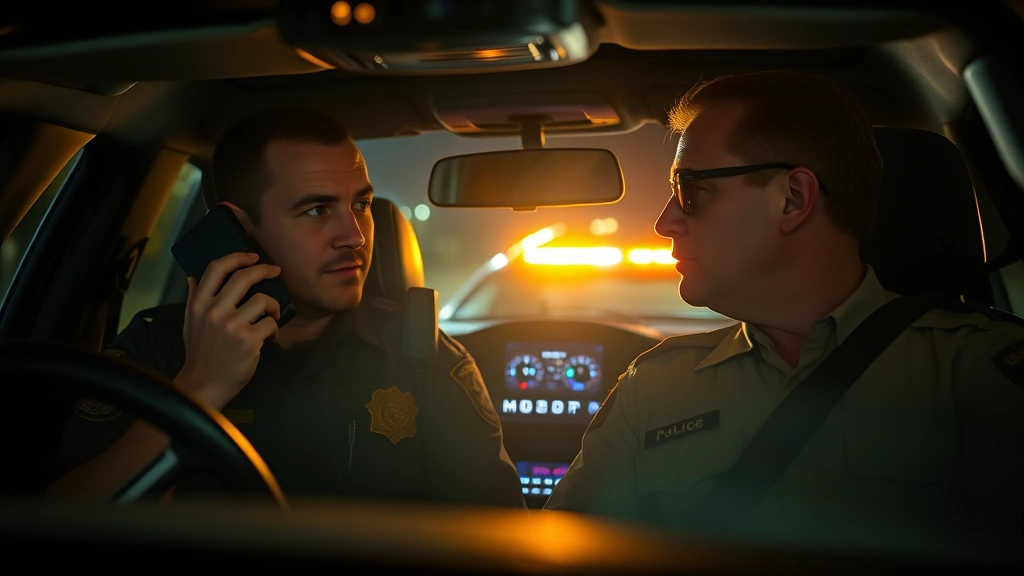
History and Development of the Phonetic Alphabet
The phonetic alphabet wasn’t created overnight. Its development reflects decades of communication challenges faced by military and civilian organizations operating in environments where audio clarity is compromised. Before the standardized NATO system emerged, various military branches and organizations used different phonetic systems, creating confusion during inter-agency operations.
During World War II, the United States military recognized the critical need for standardized communication procedures. The original phonetic alphabet, sometimes called the Able Baker system, used different words for each letter. Words like “Able” for A, “Baker” for B, and “Charlie” for C were chosen for their distinct pronunciation and universal recognition among English speakers.
The International Civil Aviation Organization (ICAO) and the International Telecommunications Union (ITU) formally adopted the current NATO Phonetic Alphabet in 1956. This system replaced earlier versions and established universal standards that continue today. Law enforcement agencies across the United States and worldwide adopted these same standards to ensure compatibility and clarity during inter-agency communications.
The choice of words in the modern phonetic alphabet followed specific criteria: each word needed to be easily recognizable, distinctly different from other words in the system, and pronounceable in multiple languages. This consideration remains crucial for international law enforcement cooperation and joint operations involving agencies from different countries.
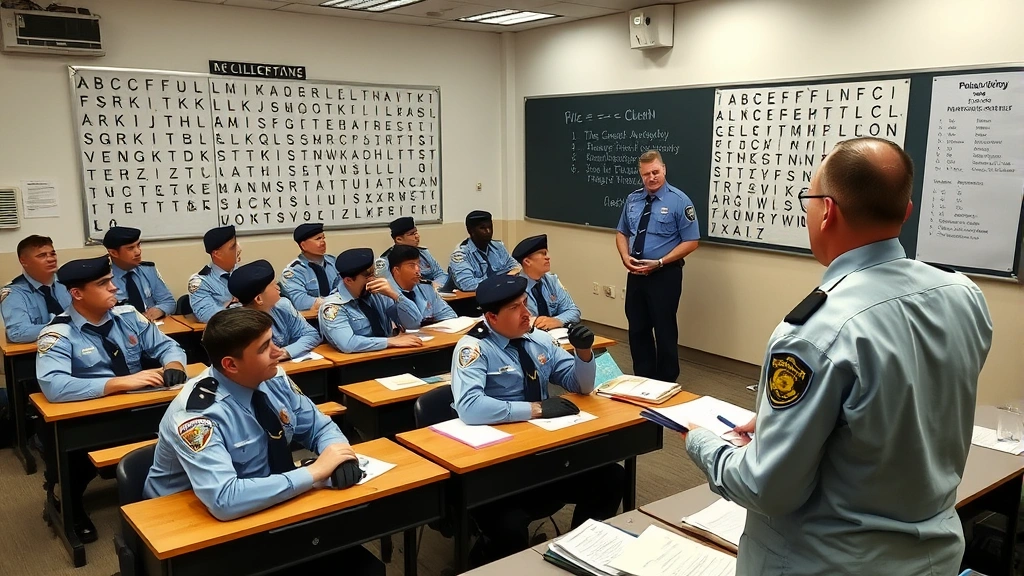
The Complete NATO Phonetic Alphabet Chart
Here is the complete NATO Phonetic Alphabet used by law enforcement agencies:
- A – Alfa
- B – Bravo
- C – Charlie
- D – Delta
- E – Echo
- F – Foxtrot
- G – Golf
- H – Hotel
- I – India
- J – Juliet
- K – Kilo
- L – Lima
- M – Mike
- N – November
- O – Oscar
- P – Papa
- Q – Quebec
- R – Romeo
- S – Sierra
- T – Tango
- U – Uniform
- V – Victor
- W – Whiskey
- X – X-ray
- Y – Yankee
- Z – Zulu
Additionally, numbers are often spelled out or represented phonetically in law enforcement communication. Numbers zero through nine are pronounced as: Zero, One, Two, Three, Four, Five, Six, Seven, Eight, and Niner (pronounced as “niner” rather than “nine” to avoid confusion with the word “five”).
When spelling information over the radio, officers use this system consistently. For example, a license plate reading “ABC123” would be transmitted as “Alfa Bravo Charlie One Two Three.” This clarity is essential when officers in the field need to verify suspect information, vehicle descriptions, or victim identifications in real-time.
How Law Enforcement Uses the Phonetic Alphabet
Law enforcement agencies integrate the phonetic alphabet into virtually every aspect of radio communication. Dispatchers use it when sending out emergency calls, officers employ it during field operations, and detectives utilize it while conducting investigations. The system’s importance cannot be overstated in policing contexts.
When a dispatcher receives a report of a vehicle matching a suspect’s description, they immediately relay this information using the phonetic alphabet. A license plate number, vehicle identification number (VIN), or suspect name must be communicated with absolute precision. A single misheard letter could result in officers stopping the wrong vehicle or investigating the wrong suspect, potentially compromising public safety.
During traffic stops, officers often verify driver information by spelling out names and addresses over the radio for dispatch confirmation. This practice ensures that wanted individuals aren’t missed due to communication errors. Similarly, when describing suspects, officers spell out distinctive characteristics or tattoo descriptions to ensure accurate identification across multiple units and jurisdictions.
Emergency response coordination depends heavily on clear communication. When multiple agencies respond to critical incidents, the phonetic alphabet ensures that fire departments, emergency medical services, and law enforcement all understand the information being transmitted. This standardization has saved countless lives by preventing miscommunication during time-critical situations.
For those interested in joining law enforcement, understanding and mastering the phonetic alphabet is typically part of academy training. Those pursuing law school requirements might also encounter communications law that governs police radio protocols.
Training and Proficiency Requirements
Police academy training includes comprehensive instruction on the phonetic alphabet. Recruits must memorize all 26 letter equivalents and practice using them until the system becomes second nature. This training isn’t merely academic—officers must be able to use the phonetic alphabet quickly and accurately under stressful conditions.
Most police academies incorporate phonetic alphabet drills into their dispatch and communications training. Recruits practice spelling out information in realistic scenarios, such as during active calls or emergency situations where time pressure and adrenaline can affect performance. Proficiency testing ensures that all officers meet minimum standards before graduation.
Continuing education for law enforcement includes refresher training on communication protocols. Departments conduct regular drills and exercises that incorporate phonetic alphabet usage, maintaining proficiency across the entire department. Some specialized units, such as SWAT teams or narcotics divisions, conduct more intensive communication training due to the complexity and sensitivity of their operations.
Dispatchers receive even more extensive training than patrol officers. Since dispatchers are the communication hub for entire departments, their accuracy and speed with the phonetic alphabet directly impact field operations. Many dispatch centers conduct quality assurance reviews of radio transmissions, specifically checking for proper phonetic alphabet usage.
Those considering a career in law enforcement should be aware that communication skills, including phonetic alphabet proficiency, are evaluated during hiring processes. Many departments include communication assessments in their background investigation and interview phases. Understanding these standards before applying can help candidates prepare appropriately, similar to how individuals research law school transparency standards.
Common Mistakes and Best Practices
Even experienced officers occasionally make mistakes with the phonetic alphabet, particularly under stress or when fatigued. Common errors include confusing similar-sounding words like “Bravo” and “Victor” or mispronouncing words like “Lima” (pronounced “LEE-muh” not “LY-muh”). Awareness of these potential pitfalls helps officers maintain accuracy.
Best practices in law enforcement communication emphasize clarity and confirmation. Officers should speak clearly and at a moderate pace when using the phonetic alphabet, avoiding rushed speech that can introduce errors. Many departments implement the practice of having the receiving party repeat back critical information, ensuring accuracy through confirmation.
Proper radio discipline is essential. Officers should avoid unnecessary chatter on police frequencies and should keep transmissions brief and professional. When using the phonetic alphabet, officers should pause between letters or numbers, allowing adequate time for the receiving party to process information. This practice prevents the cascading errors that occur when information is transmitted too quickly.
Different departments may have specific protocols regarding when to use the phonetic alphabet. Generally, any information that could be misheard—such as names, addresses, license plates, or suspect descriptions—should be transmitted phonetically. However, commonly understood information might be transmitted without phonetic spelling to maintain radio efficiency.
Some officers develop regional variations or personal habits that deviate from standard phonetic alphabet usage. Departments address this through quality assurance programs and supervisory oversight. Maintaining standardization across all officers and shifts ensures that critical information is never lost in translation.
Regional Variations in Police Communication
While the NATO Phonetic Alphabet is internationally standardized, some regional police departments have developed minor variations or additional protocols. These variations typically address specific operational needs or local communication challenges rather than replacing the standard system.
Some departments in the United States use supplementary systems for common local terms. For example, departments might have specific codes or phonetic representations for frequently transmitted information like common street names or local landmarks. However, these additions never replace the standard NATO system.
International law enforcement agencies operating across borders must adhere to NATO standards to ensure interoperability. When agencies from different countries coordinate on joint operations or share information, the standardized phonetic alphabet ensures clarity. This standardization has become increasingly important as law enforcement becomes more international in scope.
Specialized law enforcement units, such as federal agencies or task forces, maintain strict adherence to the standard phonetic alphabet. The Federal Bureau of Investigation and Drug Enforcement Administration require all personnel to use standardized communication protocols including the phonetic alphabet.
Technology has introduced new communication channels for law enforcement, including text-based systems and digital radio platforms. However, the phonetic alphabet remains essential for voice communications, which continue to dominate police operations. As law enforcement evolves, the phonetic alphabet’s fundamental importance to clear communication persists.
For individuals interested in law enforcement careers, understanding these regional and operational variations provides valuable insight into professional policing standards. Those considering how many years law school takes might also consider how law enforcement training fits into broader legal education pathways.
FAQ
Why doesn’t law enforcement use the regular alphabet instead of the phonetic alphabet?
The regular alphabet contains letters that sound similar, especially when transmitted over radio frequencies with poor audio quality. The letters “B” and “D,” “M” and “N,” or “F” and “S” can be easily confused. The phonetic alphabet uses distinctly different words that are less likely to be misheard, ensuring accuracy in critical communications. This distinction can be life-or-death in emergency situations.
Is the phonetic alphabet the same in all countries?
The NATO Phonetic Alphabet is standardized internationally and used by law enforcement, military, and aviation agencies across most countries worldwide. However, some countries may have additional local protocols or variations for domestic communications. The international standard ensures that agencies from different nations can communicate effectively during joint operations or information sharing.
Do police officers use the phonetic alphabet during face-to-face conversations?
Typically, the phonetic alphabet is used primarily during radio and telephone communications where audio clarity is compromised. During in-person interactions, officers generally communicate normally. However, in noisy environments or when precise spelling is critical (such as spelling a suspect’s name for documentation), officers might use the phonetic alphabet even in person.
How long does it take to become proficient with the phonetic alphabet?
Most police academy recruits achieve basic proficiency within the first few weeks of training. However, true mastery—where officers can use the system automatically under stress—typically develops over several months of consistent practice and real-world application. Experienced officers use the phonetic alphabet without conscious thought, similar to how drivers operate vehicles automatically.
Are there any exceptions to using the phonetic alphabet in law enforcement?
While the phonetic alphabet is standard for most communications, some routine information might be transmitted without phonetic spelling for efficiency. Additionally, when officers are certain information won’t be misheard, they might deviate from strict phonetic protocols. However, professional standards emphasize using the phonetic alphabet for any information where accuracy is critical.
What happens if an officer doesn’t use the phonetic alphabet correctly?
Departments address phonetic alphabet errors through quality assurance reviews and supervisory correction. Repeated errors might result in additional training or disciplinary action, depending on departmental policies. In some cases, communication errors that result in significant operational failures might be investigated more thoroughly.
Can the phonetic alphabet be used with other languages?
The NATO Phonetic Alphabet is English-based, though it’s used internationally. Some countries have developed phonetic alphabets in their native languages for domestic communications. However, international law enforcement operations use the English-based NATO system to ensure mutual understanding across language barriers.
Is learning the phonetic alphabet necessary for law school students?
Law school students don’t typically need to learn the phonetic alphabet as part of standard curriculum. However, students interested in criminal law, law enforcement policy, or careers in legal fields that work closely with police might benefit from understanding police communication standards. Those researching law school scholarships in criminal justice fields might find this knowledge useful for interviews or applications.


