
South Carolina SLED: Overview & Duties Explained
The South Carolina Law Enforcement Division (SLED) stands as the state’s premier investigative agency, wielding significant authority across criminal investigations, background checks, and forensic services. Established to provide comprehensive law enforcement support beyond local police departments, SLED operates under the South Carolina Department of Public Safety and maintains jurisdiction over cases ranging from white-collar crimes to violent felonies. Understanding SLED’s structure, responsibilities, and operational scope is essential for anyone navigating South Carolina’s criminal justice system, whether as a defendant, victim, or concerned citizen.
SLED’s mandate extends far beyond traditional patrol functions. The agency employs specially trained investigators, forensic specialists, and intelligence analysts who collaborate with local law enforcement agencies, federal partners, and prosecutorial offices. This comprehensive approach to law enforcement investigation has positioned SLED as a critical component of South Carolina’s public safety infrastructure, influencing everything from criminal prosecutions to civil litigation involving state-level investigations.
History and Organizational Structure of SLED
The South Carolina Law Enforcement Division traces its origins to the early twentieth century when state leaders recognized the need for a centralized investigative body to address crimes exceeding local police capacity. SLED was formally established to serve as South Carolina’s primary state investigative agency, operating independently while maintaining cooperative relationships with county sheriffs, municipal police departments, and federal law enforcement entities. The agency’s organizational hierarchy reflects this dual mission: providing specialized investigative support while maintaining administrative independence from local jurisdictions.
Today, SLED operates under the directorship of an appointed leader who reports to the South Carolina Department of Public Safety. The agency maintains multiple regional offices strategically located throughout the state, ensuring rapid response capabilities and localized expertise. Within SLED’s structure, distinct divisions handle specific investigative functions, from homicide investigations to financial crimes, each staffed with specialized personnel who undergo rigorous training and certification processes. This organizational approach enables SLED to maintain investigative consistency across the state while adapting to regional crime patterns and community needs.
The agency’s commitment to professional standards extends to its recruitment and training protocols. SLED investigators must meet stringent educational requirements, typically holding at least a high school diploma or equivalent, with many positions preferring college coursework or degrees. Prospective investigators undergo comprehensive background investigations, psychological evaluations, and physical fitness assessments before receiving employment offers. Once hired, SLED personnel participate in ongoing professional development, including specialized training in interview techniques, evidence collection, and emerging investigative technologies.
Core Investigative Functions and Jurisdiction
SLED’s investigative jurisdiction encompasses a broad spectrum of criminal matters that either exceed local agency capacity or require state-level oversight. The agency investigates felony crimes including homicide, sexual assault, robbery, and burglary when requested by local law enforcement or when state interest is demonstrated. Additionally, SLED maintains primary investigative authority over certain crime categories, such as organized crime, public corruption, and crimes involving state officials or state property. This jurisdictional framework ensures that serious criminal matters receive appropriate investigative resources and expertise.
When local police departments encounter investigations requiring specialized skills or resources, they frequently request SLED assistance through formal channels. These requests might involve cases with significant forensic components, multi-county criminal enterprises, or investigations where local resources are already stretched. SLED’s capacity to provide backup investigative support strengthens South Carolina’s overall criminal justice system, allowing smaller departments to focus on routine law enforcement while serious cases receive appropriate attention. If you’re involved in a criminal matter, understanding personal injury law firms near me may help clarify your legal options, though criminal investigations fall under different procedural rules.
SLED also maintains investigative authority over crimes committed against state employees, crimes occurring on state property, and certain regulatory violations enforced through criminal penalties. This expanded jurisdiction reflects the agency’s role as protector of state interests while maintaining the integrity of South Carolina’s criminal justice system. The agency’s investigators work closely with the South Carolina Attorney General’s Office, which prosecutes many SLED investigations at the state level.
Criminal Investigation Divisions
SLED’s criminal investigation operations are organized into specialized divisions, each addressing distinct categories of criminal activity. The Homicide Division investigates suspicious deaths, officer-involved shootings, and other fatalities requiring state-level scrutiny. Investigators in this division receive advanced training in death investigation protocols, autopsy observation procedures, and complex evidence analysis. Their work directly impacts prosecutorial decisions and can determine whether cases proceed to grand jury indictment or are closed as justified homicides.
The Financial Crimes Division targets white-collar offenses including embezzlement, fraud, forgery, and financial exploitation. These investigators possess expertise in accounting principles, financial records analysis, and complex transaction tracing. Their investigations often involve coordinating with federal agencies like the FBI and Secret Service, particularly in cases involving interstate fraud or federal crimes. The sophistication required for financial crime investigation makes this division critical to protecting South Carolina citizens from predatory business practices and employee theft.
SLED’s Sex Crimes Division specializes in investigating sexual assault, child abuse, and exploitation cases. Investigators in this unit receive trauma-informed training and work closely with victim advocacy organizations, medical professionals, and prosecutors. The sensitive nature of these investigations demands specialized interviewing techniques, particularly when victims are children. If you’re seeking legal representation for related matters, family law attorney near me free consultation resources can provide guidance on civil remedies alongside criminal proceedings.
The Violent Crimes Division handles investigations into robbery, aggravated assault, and gang-related offenses. These investigators work at the intersection of community policing and criminal investigation, often gathering intelligence on organized criminal enterprises operating within South Carolina. Their work supports both reactive investigations of specific violent incidents and proactive intelligence gathering aimed at disrupting criminal organizations before violence occurs.
Forensic Services and Laboratory Operations
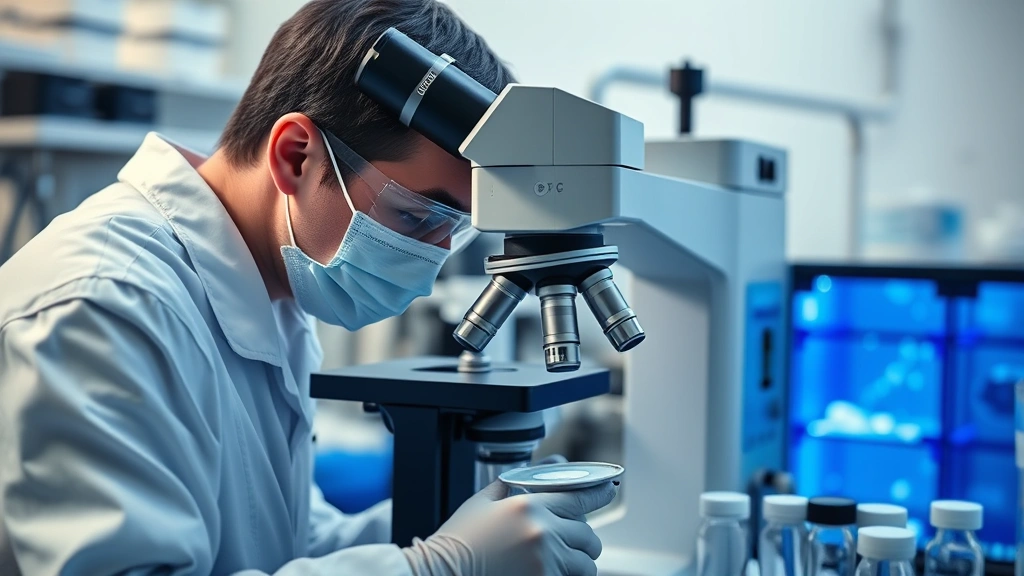
SLED’s forensic laboratory represents one of South Carolina’s most critical investigative assets. The agency operates a state-of-the-art facility offering DNA analysis, fingerprint identification, toxicology testing, and trace evidence examination. These forensic services extend beyond SLED investigations to support local law enforcement agencies throughout South Carolina, making the laboratory a centralized resource for the entire state criminal justice system.
DNA analysis conducted by SLED’s laboratory has proven instrumental in both solving cold cases and exonerating wrongfully convicted individuals. The laboratory maintains sophisticated equipment and employs forensic scientists with advanced degrees in chemistry, biology, and related disciplines. Testing protocols follow established standards ensuring results withstand courtroom scrutiny and meet admissibility requirements under South Carolina evidence rules. When DNA evidence is collected, documented, and analyzed according to SLED’s procedures, prosecutors gain powerful evidence for securing convictions, while defense attorneys can challenge findings through cross-examination of laboratory personnel and methodology.
Fingerprint identification services provided by SLED’s forensic division include both criminal investigations and civil applications. The agency maintains extensive fingerprint databases, allowing investigators to identify suspects through latent fingerprints recovered at crime scenes. Digital fingerprint comparison technology has dramatically accelerated identification processes, enabling rapid suspect identification and investigative breakthroughs. Beyond criminal work, SLED fingerprint services support background check processes, licensing requirements, and civil litigation where fingerprint evidence is relevant.
Toxicology testing conducted by SLED’s laboratory analyzes biological samples for drugs, alcohol, and poisons. These analyses prove essential in driving under the influence prosecutions, overdose investigations, and poisoning cases. The laboratory’s toxicologists provide expert testimony explaining test results, analytical procedures, and the scientific basis for their conclusions. Their work bridges forensic science and legal proceedings, translating complex chemical analysis into understandable evidence for judge and jury.
Background Checks and Records Management
SLED administers South Carolina’s background check system, processing thousands of requests annually from employers, licensing agencies, and other entities requiring criminal history information. The agency maintains comprehensive criminal records for individuals arrested or convicted in South Carolina, accessible through established request procedures. Background checks conducted by SLED verify criminal history, identify outstanding warrants, and provide information essential for employment decisions, professional licensing, and security clearances.
The records management function performed by SLED ensures accurate, accessible information about South Carolina’s criminal justice system. The agency maintains arrest records, conviction data, and criminal history summaries available to authorized requesters. Accuracy in these records proves critical, as errors can impact employment opportunities, professional licensing, and personal reputation. Individuals concerned about their criminal records can request background check information to verify accuracy and identify potential errors requiring correction through established legal procedures.
SLED’s role in managing criminal records extends to maintaining the state’s sex offender registry. Individuals convicted of designated sexual offenses must register with SLED, providing address information and other identifying details. The agency maintains public access to portions of the registry, enabling community members to identify registered offenders residing in their neighborhoods. This registry function balances public safety interests with individual privacy rights, following statutory guidelines that define which offenses require registration and what information becomes public.
Cybercrime and Digital Investigations
As criminal activity increasingly moves online, SLED has developed specialized cybercrime investigation capabilities. The agency’s digital investigation unit addresses crimes including hacking, identity theft, online fraud, and child exploitation. Investigators in this unit receive training in digital forensics, allowing them to recover deleted files, trace online communications, and analyze digital devices for evidence of criminal activity. Their work supports both traditional criminal investigations with digital components and purely cyber-based offenses.
SLED’s cybercrime investigators collaborate with federal partners including the FBI and Secret Service on investigations involving interstate or international digital crimes. These partnerships provide access to specialized resources and expertise necessary for complex cyber investigations. The agency also participates in public awareness initiatives, educating South Carolina citizens about cybersecurity risks and online safety practices. If you encounter online fraud or identity theft, SLED cybercrime investigators can provide investigation support in coordination with local law enforcement.
Collaboration with Other Agencies
SLED’s effectiveness depends substantially on collaborative relationships with federal, state, and local law enforcement partners. The agency maintains task forces with the FBI addressing organized crime, public corruption, and violent crime. These task forces combine SLED’s state-level authority and local knowledge with federal investigative resources and interstate jurisdiction, creating powerful tools for addressing serious criminal enterprises.
Collaboration with local law enforcement agencies represents another critical aspect of SLED’s mission. County sheriffs and municipal police departments request SLED assistance regularly, and the agency maintains protocols ensuring rapid response to requests. This collaborative structure allows South Carolina to maintain a distributed law enforcement system where local agencies handle routine matters while serious cases receive appropriate state-level support. Regional SLED offices maintain regular contact with local law enforcement leadership, facilitating coordination and information sharing.
SLED also works with the South Carolina Attorney General’s Office, which prosecutes many SLED investigations. Investigators and prosecutors collaborate throughout investigations, ensuring evidence collection meets prosecutorial needs and case strategy considerations. This partnership between investigators and prosecutors strengthens criminal cases and improves conviction rates for serious offenses. When investigating lemon law attorney near me matters, different investigative protocols apply, but SLED’s general investigative standards inform consumer protection enforcement statewide.
Public Records and FOIA Requests
SLED maintains extensive records subject to South Carolina’s Freedom of Information Act (FOIA). Citizens and legal representatives can request access to SLED records, including investigative reports, background check information, and forensic analysis results. However, FOIA includes exemptions protecting ongoing investigations, personal information, and information that could compromise law enforcement effectiveness. Understanding these exemptions proves essential when requesting SLED records.
Investigative reports may be withheld if disclosure would compromise ongoing investigations or reveal law enforcement techniques and procedures. Personal information including social security numbers, dates of birth, and victim contact information typically receives protection under privacy exemptions. Additionally, information provided by confidential informants or undercover officers receives protection, as disclosure could endanger lives and undermine law enforcement operations.
To request SLED records, individuals should submit written requests to the agency’s Records Management Division. Requests should specifically identify the records sought, allowing SLED staff to locate materials efficiently. The agency typically responds within statutory timeframes, either providing requested records or explaining why exemptions prevent disclosure. If SLED denies a records request, requesters can appeal the denial or file legal action challenging the denial in South Carolina courts. Understanding SLED’s records policies helps citizens access public information while respecting legitimate law enforcement confidentiality needs.
SLED’s Role in South Carolina’s Criminal Justice System
SLED functions as a critical component of South Carolina’s criminal justice infrastructure, supporting prosecutors, judges, and defense attorneys through investigative expertise and forensic services. The agency’s work directly impacts case outcomes, from initial investigations through trial. Prosecutors rely on SLED investigators to build strong cases with solid evidence, while defense attorneys may challenge SLED’s investigative methods or forensic conclusions through cross-examination and expert testimony.
The agency’s training and professionalization standards ensure that investigations meet constitutional requirements protecting individual rights. SLED investigators receive training in Fourth Amendment search and seizure law, Fifth Amendment self-incrimination protections, and Sixth Amendment right to counsel provisions. This legal training helps ensure investigations comply with constitutional standards, reducing the risk that cases will be dismissed due to investigative misconduct.
Citizens may interact with SLED through various circumstances: as crime victims receiving investigative updates, as witnesses providing statements to investigators, or as suspects undergoing questioning about alleged criminal activity. Understanding SLED’s role and procedures helps individuals navigate these interactions effectively. Suspects questioned by SLED investigators should exercise their right to counsel, requesting an attorney before answering substantive questions. Victims and witnesses can expect respectful treatment and regular investigative updates, though the agency’s primary obligation remains ensuring accurate investigations rather than victim satisfaction.
SLED’s commitment to professional excellence extends to internal accountability mechanisms. The agency maintains internal affairs procedures addressing allegations of misconduct by SLED personnel. These procedures help maintain public trust and ensure SLED investigators maintain the highest professional standards. When SLED investigators violate policies or engage in misconduct, accountability processes ensure appropriate consequences ranging from retraining to termination.
FAQ
What crimes does SLED investigate?
SLED investigates serious felony crimes including homicide, sexual assault, robbery, organized crime, public corruption, and financial crimes. The agency also provides investigative support to local law enforcement on cases exceeding their resources or expertise. Jurisdiction depends on crime category, location, and whether local law enforcement requests state assistance.
How can I request SLED investigate a crime?
Typically, citizens report crimes to local law enforcement agencies, which determine whether SLED involvement is necessary. Local police or sheriffs’ offices contact SLED directly to request investigative assistance. In cases involving public corruption or state official misconduct, complaints can be directed to the South Carolina Attorney General’s Office, which may request SLED investigation.
Can I obtain SLED investigative reports?
SLED investigative reports may be available through Freedom of Information Act requests, subject to exemptions protecting ongoing investigations, confidential sources, and personal information. Requests should be submitted in writing to SLED’s Records Management Division. If SLED denies access, requesters can appeal or challenge the denial in court. Attorney involvement often proves helpful navigating complex records requests.
How long do SLED investigations typically take?
Investigation duration varies substantially depending on complexity, evidence availability, and investigative priorities. Simple cases may conclude within weeks, while complex investigations involving multiple scenes or sophisticated crimes may require months or years. SLED prioritizes active cases based on severity and investigative urgency, meaning less serious matters may experience longer timelines.
What should I do if questioned by SLED investigators?
If you’re questioned by SLED investigators and suspect you may be a suspect, exercise your right to remain silent and request an attorney before answering substantive questions. Anything you say can be used against you in criminal prosecution. Victims and witnesses are generally expected to cooperate with investigations, but you should still exercise caution regarding what information you provide.
Does SLED maintain criminal databases I can access?
SLED maintains criminal records and fingerprint databases used for investigations and background checks. Public access to certain information is available through official channels, but comprehensive database access typically requires authorized requests from law enforcement, prosecutors, or other authorized entities. Background check requests can be submitted through established procedures.
How does SLED coordinate with federal law enforcement?
SLED maintains ongoing relationships with federal agencies including the FBI, Secret Service, ATF, and DEA. These agencies collaborate on task forces addressing serious crimes including organized crime, public corruption, and drug trafficking. Federal resources supplement SLED’s capabilities, particularly in investigations involving interstate or international dimensions.
What forensic services does SLED provide?
SLED operates a forensic laboratory providing DNA analysis, fingerprint identification, toxicology testing, and trace evidence examination. These services support SLED investigations and are available to local law enforcement agencies throughout South Carolina. Forensic results can significantly impact case outcomes by establishing suspect identity, confirming victim contact, or identifying substances relevant to criminal conduct. For civil matters requiring investigation expertise, how to get into law school information may interest those considering law enforcement careers, though criminal investigations follow different standards than civil litigation procedures involving what is small claims court matters.


