
What Is Bird Law? A Comprehensive Legal Overview
Bird law represents a specialized and often misunderstood area of environmental and wildlife regulation that governs the protection, management, and control of avian species. Far more complex than popular culture might suggest, bird law encompasses federal statutes, state regulations, international treaties, and local ordinances designed to conserve bird populations while balancing human interests and property rights. Whether you’re a property owner dealing with nuisance birds, a wildlife enthusiast, or simply curious about how legal systems protect our feathered neighbors, understanding the fundamentals of bird law is essential.
The legal framework surrounding birds has evolved significantly over the past century, reflecting growing environmental consciousness and scientific understanding of avian ecology. From the Migratory Bird Treaty Act to state-specific wildlife codes, bird law touches nearly every aspect of human-bird interaction, from hunting and falconry to habitat protection and urban wildlife management. This comprehensive guide explores the key principles, statutes, and practical applications of bird law in modern legal practice.
What Is Bird Law and Its Legal Definition
Bird law, formally known as avian wildlife law, is the body of statutory and common law that regulates interactions between humans and bird species. This specialized legal discipline falls primarily under environmental law and natural resources management, though it intersects with property law, criminal law, and administrative law in various contexts. The fundamental purpose of bird law is to balance conservation objectives with legitimate human activities while establishing clear rights and responsibilities for property owners and wildlife enthusiasts.
At its core, bird law recognizes that most wild birds are held in public trust, meaning they belong to the people collectively rather than to individual property owners. This principle, rooted in the public trust doctrine, means that even if birds nest on your property, you typically cannot claim ownership of them. Instead, you have limited rights to manage them under specific legal frameworks. Understanding this distinction is crucial for anyone dealing with bird-related legal issues.
The definition of “bird” under law is surprisingly precise. Legal definitions vary by jurisdiction but generally include all members of the class Aves, encompassing everything from common sparrows to eagles and owls. However, certain birds—like poultry, domesticated pigeons, and game birds in specific contexts—may receive different legal treatment than wild birds. This nuanced categorization reflects the law’s recognition that different bird species require different protection levels and management approaches.

Federal Bird Law and Key Statutes
The federal government plays a dominant role in bird law through several key statutes that establish baseline protections and management frameworks. The most significant of these is the Migratory Bird Treaty Act (MBTA) of 1918, which remains the cornerstone of avian protection in the United States. However, numerous other federal laws contribute to the comprehensive regulation of bird-related activities.
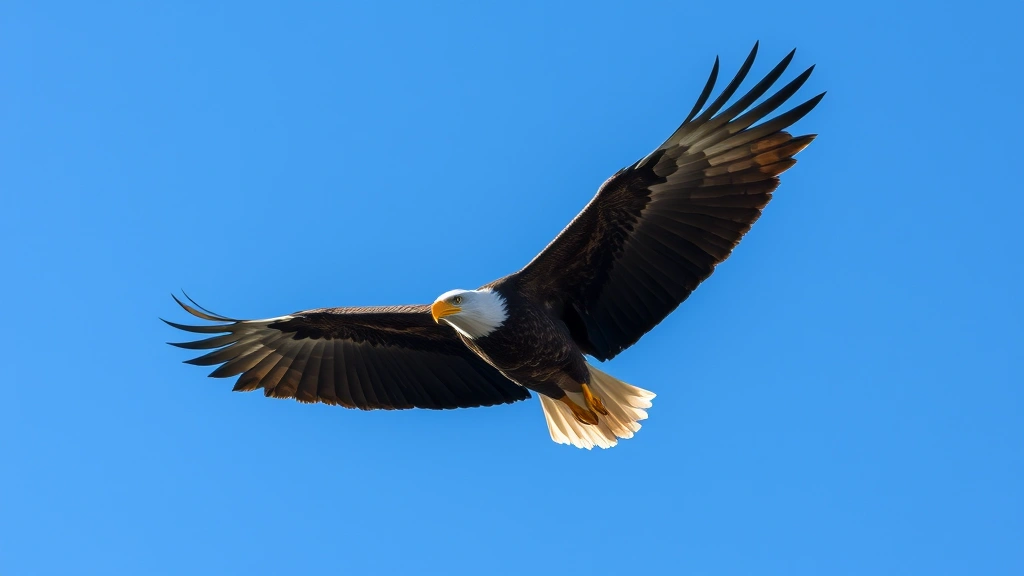
The Bald and Golden Eagle Protection Act of 1940 provides specific protections for these iconic species, making it illegal to kill, capture, or harm eagles without special permits. This statute has been particularly important in resolving conflicts between renewable energy projects and eagle conservation. The law applies to eagles, their nests, and their eggs, with severe penalties for violations including fines up to $250,000 and imprisonment up to two years.
The Endangered Species Act (ESA) of 1973 offers additional protections for bird species facing extinction or threatened with extinction. Under the ESA, certain bird species receive “endangered” or “threatened” status, which triggers comprehensive protection measures including habitat preservation requirements and restrictions on taking (capturing, killing, or harming) listed species. This statute has been instrumental in the recovery of species like the California condor and peregrine falcon.
The National Environmental Policy Act (NEPA) requires federal agencies to consider environmental impacts, including effects on bird populations, when making decisions about major projects. Additionally, the Clean Water Act protects wetlands that serve as critical habitat for waterfowl and other bird species, indirectly supporting bird conservation through habitat protection.
The Migratory Bird Treaty Act Explained
The Migratory Bird Treaty Act stands as the foundational federal statute governing bird protection in America. Enacted in 1918 to implement international treaties with Canada, Mexico, Japan, and Russia, the MBTA prohibits the capture, killing, or harm of migratory birds without special authorization. The statute covers approximately 1,000 bird species, representing the vast majority of wild birds encountered in North America.
The MBTA’s scope is remarkably broad. It protects not only the birds themselves but also their nests and eggs. The statute prohibits possession, sale, trade, and transportation of protected birds without permits. Violations can result in civil penalties up to $15,000 and criminal penalties including fines up to $250,000 and imprisonment up to two years for knowing violations. The law’s strict liability nature means that even unintentional harm can trigger liability.
A critical aspect of the MBTA is the permit system, which allows authorized activities like scientific research, falconry, and limited hunting. The U.S. Fish and Wildlife Service administers these permits, establishing regulations for hunting seasons, bag limits, and methods. Hunters must comply with specific regulations regarding when, where, and how they can hunt migratory birds, varying by species and region. Understanding these permit requirements is essential for anyone engaging in lawful bird hunting or research.
Recent legal developments have clarified and sometimes restricted MBTA enforcement. Courts have grappled with questions about whether the statute applies to incidental takings (unintended harm caused by lawful activities) and whether it covers non-migratory birds. These interpretive questions have significant implications for industries like wind energy, telecommunications, and construction, making the MBTA’s application a subject of ongoing legal and policy debate.
State and Local Bird Regulations
While federal law establishes baseline protections, state and local governments play equally important roles in bird regulation. Each state maintains its own wildlife code governing bird protection, hunting, and management. These state laws often exceed federal minimums, providing additional protections or establishing specific regulations suited to regional bird populations and ecological conditions.
State fish and wildlife agencies administer hunting regulations, including seasons, bag limits, and licensing requirements. These agencies also manage bird populations through various conservation programs, habitat restoration projects, and research initiatives. Many states have developed comprehensive bird conservation strategies addressing threats like habitat loss, climate change, and disease.
Local ordinances frequently address nuisance bird issues, particularly in urban and suburban areas. Many municipalities regulate bird feeding in public spaces, establish rules about roosting and nesting on buildings, and provide guidance on humane bird removal and exclusion methods. Some cities have adopted progressive policies protecting urban bird habitat, including requirements for bird-friendly building design and green space preservation.
The variation in state regulations can be substantial. Some states offer extensive waterfowl hunting seasons, while others have more restrictive policies. Certain states provide legal protections for raptors beyond federal requirements, while others focus resources on game bird management. Anyone dealing with bird-related legal issues must research applicable state and local regulations, as these often determine practical rights and responsibilities.
Endangered Species Protection
Bird species facing extinction receive heightened legal protection under the Endangered Species Act and corresponding state statutes. Listed species include iconic examples like the California condor, whooping crane, and Mississippi kite, as well as lesser-known species like the red-cockaded woodpecker and Kirtland’s warbler.
Listing a bird species as endangered or threatened triggers comprehensive legal protections. The statute prohibits any “taking” of listed species, defined broadly to include killing, harming, harassing, pursuing, wounding, or capturing. This prohibition applies to private landowners as well as federal agencies. Additionally, the ESA requires federal agencies to consult with the Fish and Wildlife Service before authorizing activities that might affect listed species or their critical habitat.
The ESA provides mechanisms for recovery, including habitat acquisition, captive breeding programs, and research initiatives. Habitat conservation plans (HCPs) allow landowners and developers to conduct otherwise prohibited activities while implementing conservation measures that benefit listed species. These negotiated agreements balance development interests with species protection, creating practical pathways for coexistence.
Penalties for ESA violations are severe. Civil penalties can reach $25,000 per violation, while criminal penalties for knowing violations include fines up to $250,000 and imprisonment up to one year. These substantial penalties reflect the statute’s recognition that endangered bird species represent irreplaceable natural heritage.
Bird Hunting and Falconry Laws
Hunting regulations represent a major component of bird law, balancing conservation with recreational and subsistence hunting traditions. The federal government establishes frameworks for migratory game bird hunting through the MBTA permit system, while states implement specific regulations addressing seasons, bag limits, licensing, and hunting methods.
Legal bird hunting requires proper licensing, with states offering various hunter education and licensing tiers. Hunters must understand species-specific regulations, as different birds have different hunting seasons and restrictions. Waterfowl hunting, for example, typically involves strict daily bag limits, specific hunting seasons, and requirements for nontoxic ammunition to prevent lead poisoning in remaining birds and scavengers that consume ammunition residue.
Falconry—the practice of hunting with trained raptors—represents a specialized form of bird law. Falconry is heavily regulated under both federal and state law, requiring apprenticeships, written examinations, facility inspections, and permits. Falconers must comply with detailed regulations governing which raptor species they can use, how they must care for birds, and where they can hunt. These regulations exist because raptors are inherently dangerous and require expert handling.
Violating hunting regulations can result in significant penalties, including fines, license revocation, and even criminal charges for serious violations. Many states employ conservation officers with law enforcement authority to patrol hunting areas and investigate violations. Understanding and respecting hunting regulations is essential for anyone engaging in lawful bird hunting.
Property Rights and Nuisance Birds
One of the most common bird law issues involves conflicts between property rights and bird protection. Property owners frequently encounter birds roosting on buildings, nesting in eaves, or causing damage through droppings or debris. The tension between the owner’s desire to exclude birds and the law’s protection of bird populations creates complex legal and practical challenges.
Generally, property owners cannot simply kill or trap protected birds, even on their own property. However, the law does recognize limited removal rights through humane exclusion and deterrent methods. Exclusion—physically preventing bird access through netting, screening, or one-way doors—is typically legal when done humanely. Many jurisdictions also permit harassment techniques like noise makers, predator decoys, or reflective devices.
Lethal removal of protected birds without permits is illegal and can result in criminal charges and substantial fines. However, some exceptions exist. Certain non-native species like pigeons and starlings may be subject to fewer restrictions in some jurisdictions. Additionally, property owners can sometimes obtain permits for removal when birds cause significant property damage or health hazards. These permits typically require evidence of the problem and proof that non-lethal methods have been attempted.
The key legal principle is proportionality: the response must match the severity of the bird problem. Minor aesthetic issues from bird droppings do not justify lethal removal, while documented structural damage or disease transmission might support a removal permit. Property owners should consult wildlife professionals and legal experts before taking action, as misunderstanding applicable regulations can lead to serious legal consequences.
International Bird Protection Treaties
Bird law extends beyond national borders through international treaties recognizing that migratory birds travel across jurisdictions throughout their annual cycles. The United States is party to four major migratory bird treaties: with Canada (1916), Mexico (1936), Japan (1972), and Russia (1976). These treaties form the legal basis for the Migratory Bird Treaty Act and establish shared responsibilities for bird conservation.
These international agreements recognize that protecting migratory birds requires coordinated action across nations. They establish frameworks for habitat protection, hunting regulation, and scientific cooperation. The treaties acknowledge that birds nesting in one country may winter in another, making unilateral protection efforts insufficient. This international perspective has influenced the development of continental bird conservation initiatives like the North American Waterfowl Management Plan.
Beyond bilateral treaties, the United States participates in broader international conservation initiatives. The Convention on International Trade in Endangered Species (CITES) restricts trade in endangered bird species and their products. The Ramsar Convention on Wetlands protects critical bird habitat globally. These international frameworks demonstrate that bird law increasingly operates at a global scale, reflecting the reality that birds and their habitats transcend political boundaries.
Understanding international bird law is particularly important for researchers, birdwatchers, and conservationists working across borders. Different countries maintain different regulations regarding bird observation, photography, and collection. International travelers should familiarize themselves with regulations in their destination countries to avoid inadvertently violating local bird protection laws.
FAQ
Can I legally kill birds on my property?
In most cases, no. Protected birds cannot be legally killed without permits, even on your own property. However, you can use humane exclusion methods to prevent birds from roosting or nesting. Some non-native species like pigeons may have fewer protections in certain jurisdictions. Consult your state wildlife agency or a wildlife professional before taking any action.
What is the difference between state and federal bird law?
Federal law, primarily the Migratory Bird Treaty Act, establishes baseline protections for migratory birds across the country. State laws often exceed these minimums, providing additional protections suited to regional conditions. State agencies administer hunting licenses and seasons, while federal agencies enforce MBTA protections and manage endangered species. Both levels of government work together to protect bird populations.
Do I need a permit to keep a bird I found?
Yes. Keeping wild birds without permits is generally illegal. Even injured birds should be turned over to licensed wildlife rehabilitators. Some people mistakenly believe they can keep injured birds until they recover, but this violates bird protection laws. Contact your state wildlife agency for information about legal wildlife rehabilitation.
What penalties apply to bird law violations?
Penalties vary depending on the violation and statute involved. Civil penalties under the Migratory Bird Treaty Act can reach $15,000, while criminal penalties include fines up to $250,000 and imprisonment up to two years. Endangered Species Act violations carry even higher penalties—civil fines to $25,000 and criminal penalties up to one year imprisonment. State violations carry additional penalties varying by jurisdiction.
How are migratory birds defined legally?
The Migratory Bird Treaty Act covers approximately 1,000 bird species that migrate between the United States and Canada, Mexico, Japan, or Russia. The statute includes birds that travel between countries as well as those with populations that migrate within national boundaries. Not all migratory birds are protected equally; some receive full protection while others can be legally hunted during designated seasons.
Can I remove a bird’s nest from my property?
This depends on timing and species. Many states protect active nests containing eggs or young birds. You typically cannot remove nests during breeding season without permits. However, you can often remove inactive nests outside breeding season or prevent nesting by installing exclusion devices before birds begin nesting. Check your state regulations and consider consulting wildlife professionals for guidance specific to your situation.
What role does corporate law play in bird protection?
Corporate law intersects with bird protection through environmental compliance requirements. Companies must address bird impacts from facilities, operations, and projects. Wind energy companies, for example, must minimize eagle and bird strikes. Telecommunications companies must reduce bird collisions with towers. Real estate and development companies must comply with habitat conservation requirements. These corporate obligations derive from bird protection statutes but operate through corporate legal frameworks.
How does bird law relate to property ownership?
Bird law fundamentally limits absolute property rights. Landowners cannot exclude or harm protected birds even on private property. However, property owners retain rights to use humane exclusion methods and can petition for removal permits in cases of significant damage or disease risk. This balance reflects the public trust principle—birds are public resources held in trust, not private property.
What should I do if I encounter injured wildlife?
Contact a licensed wildlife rehabilitator in your area immediately. Do not attempt to care for injured birds yourself, as this may violate bird protection laws and could harm the bird. Your state wildlife agency can provide referrals to licensed rehabilitators. If you must handle an injured bird temporarily, minimize stress and contact professionals immediately.
Are there recent legal developments in bird law I should know about?
Yes, several areas of bird law continue evolving. Courts are clarifying MBTA application to incidental takings, particularly regarding renewable energy facilities. Climate change impacts on bird populations are generating new conservation strategies. Urban bird protection is advancing through building design standards and habitat requirements. Additionally, novel diseases affecting bird populations are prompting new regulatory responses. Staying informed about these developments is important for anyone working with birds professionally.


