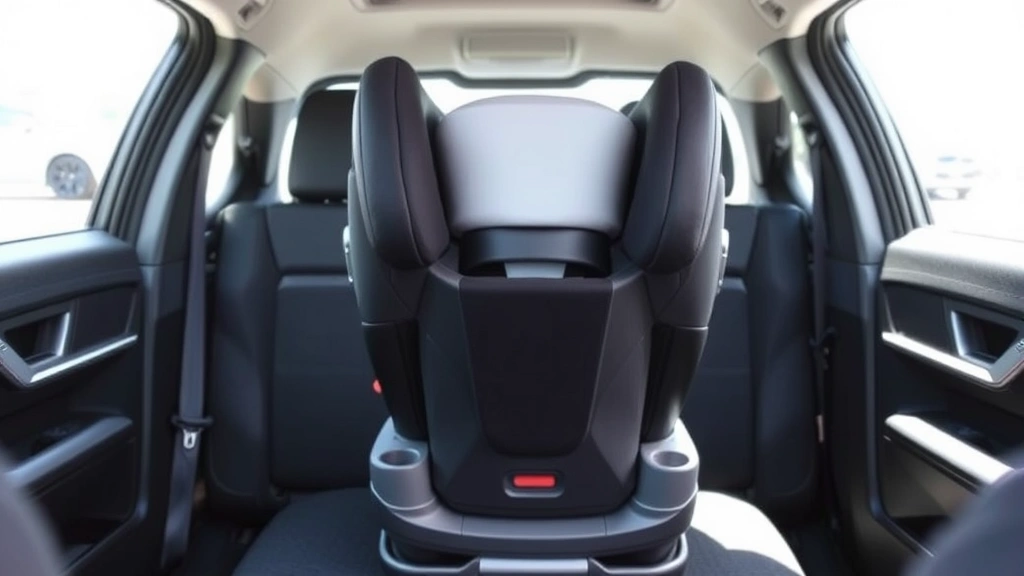
California Car Seat Laws: Legal Overview
California has established comprehensive legal requirements governing the use of child car seats and booster seats to protect young passengers from injury and death in motor vehicle accidents. These laws represent the state’s commitment to child safety and are enforced through traffic citations, fines, and potential impacts on insurance rates. Understanding California’s infant car seat laws is essential for parents, guardians, and anyone transporting children in vehicles.
The California Vehicle Code contains specific provisions that mandate proper child passenger restraint systems based on age, height, and weight. Violations of these requirements can result in significant penalties, including fines up to $496 for first-time offenders. Beyond the legal obligations, compliance with car seat laws protects vulnerable children during accidents and everyday driving situations.
California Car Seat Requirements by Age
California Vehicle Code Section 27360 establishes age-based requirements for child passenger restraint systems. Children under two years of age must be secured in a rear-facing car seat, unless the child weighs more than 40 pounds or is taller than 40 inches. This requirement prioritizes the biomechanical protection that rear-facing seats provide to infants and toddlers, as their spinal columns and neck muscles are not yet fully developed.
For children aged two to five years, California law requires a car seat or booster seat that is appropriate for the child’s weight and height. Children must remain in a rear-facing car seat as long as possible, up to the maximum weight and height limits specified by the car seat manufacturer. Once children exceed these limits, they transition to forward-facing car seats with harnesses.
Children from six to eight years old, or those who are less than 4 feet 9 inches tall, must use a booster seat in the back seat. The booster seat positions the child so that the vehicle’s lap and shoulder belts fit properly across the child’s body. This requirement remains in effect until the child reaches the height threshold or turns eight years old, whichever occurs later.
Understanding these age-based requirements helps parents comply with the law and ensure their children receive appropriate protection. The progression from rear-facing to forward-facing to booster seats reflects current safety research and best practices in child passenger protection. Parents should consult with certified child passenger safety technicians to verify they have selected the appropriate seat for their child’s specific age, weight, and height measurements.
Infant Car Seat Specifications and Standards
California requires all infant car seats to meet or exceed federal safety standards established by the National Highway Traffic Safety Administration (NHTSA). These standards, codified in Federal Motor Vehicle Safety Standard (FMVSS) 213, specify rigorous testing requirements that car seats must pass before being sold in the United States. All car seats sold in California must display a label indicating they comply with federal standards.
Infant car seats must include several critical safety features, including a five-point harness system that distributes crash forces across the child’s body, energy-absorbing foam padding, and a sturdy base that secures to the vehicle seat. The harness must be properly adjusted to fit snugly against the child’s body without allowing more than one finger’s width of space between the harness and the child’s collarbone.
The car seat base must be installed at the correct recline angle, typically between 30 and 45 degrees, to position the child’s airway properly and prevent positional asphyxiation. Most infant car seats are designed for rear-facing installation only, which provides superior protection for the infant’s head, neck, and spinal cord during frontal collisions, the most common type of serious accident.
California parents should verify that their infant car seat has not been recalled by checking the NHTSA website or the manufacturer’s website regularly. Using a recalled or defective car seat may expose parents to consumer protection law violations and safety risks. Additionally, car seats should never be used after being involved in a moderate or severe accident, as the structural integrity may be compromised even if damage is not visible.
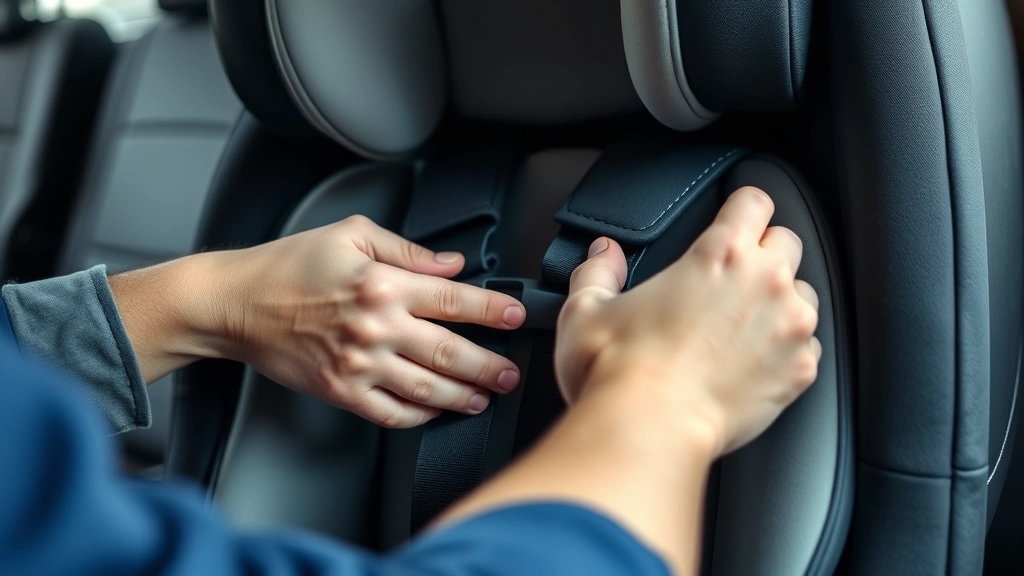
Penalties and Legal Consequences
Violating California’s child passenger restraint laws can result in substantial penalties. A first violation carries a fine of up to $496, while subsequent violations within a three-year period may result in fines up to $1,000. These financial penalties serve as incentives for compliance and reflect the seriousness with which California treats child safety in vehicles.
Beyond fines, violations of car seat laws can affect insurance rates and driving records. Some insurance companies increase premiums for drivers cited with safety violations involving children. Additionally, law enforcement officers may cite parents or guardians as the vehicle operator responsible for ensuring children are properly restrained, regardless of who is supervising the child at that moment.
In some cases, repeated violations or negligent failure to properly restrain a child may contribute to child endangerment charges if an accident occurs and the child is injured. While a car seat violation alone does not typically result in criminal charges, it can be used as evidence of negligence in civil liability cases or as an aggravating factor in more serious criminal proceedings involving child safety.
Parents and caregivers should understand that law enforcement has discretion in enforcing these laws. Some officers may issue warnings for first-time violations, while others strictly enforce the statute. The safest approach is to ensure full compliance with all requirements to avoid any legal consequences and, more importantly, to protect children from preventable injuries.
Proper Installation Requirements
California law requires not only that appropriate car seats be used but also that they be installed correctly. Improper installation significantly reduces the protective benefits of even the highest-quality car seat. The National Highway Traffic Safety Administration estimates that approximately 85 percent of car seats are installed incorrectly in some way.
Correct installation begins with selecting the appropriate seating position in the vehicle. Infants in rear-facing car seats should be positioned in the center of the back seat whenever possible, as this location provides maximum distance from side-impact hazards. The car seat must be secured using either the vehicle’s seat belt or the LATCH (Lower Anchors and Tethers for Children) system, which is standard on all vehicles manufactured after 2002.
The LATCH system provides dedicated anchors in the vehicle seat that connect directly to the car seat frame, eliminating the need to thread the vehicle’s seat belt through the car seat. Many safety experts prefer LATCH installation for its relative simplicity, though both methods are equally effective when executed properly. Parents must follow the specific installation instructions provided by the car seat manufacturer, as requirements vary among different models.
California offers free car seat installation assistance through certified child passenger safety technicians. These professionals, trained through programs sponsored by NHTSA and the California Department of Transportation, can verify that car seats are installed correctly and provide guidance on proper harness adjustment. Parents can locate certified technicians through the NHTSA’s official website or by contacting local health departments and fire departments.
Proper installation must be maintained throughout the child’s use of the car seat. Parents should regularly check that the installation remains secure and that harnesses remain properly adjusted as children grow. The installation should be checked again if the car seat is moved to a different vehicle or if the vehicle’s seat configuration changes.
Exceptions and Special Circumstances
California law recognizes certain exceptions to standard car seat requirements in specific situations. Medical exceptions are available for children whose physical condition makes standard car seat use medically inadvisable. Parents must obtain written certification from a physician stating that the child’s medical condition necessitates an alternative restraint system. This documentation should be kept in the vehicle and presented to law enforcement if a traffic stop occurs.
Exceptions also apply to taxis, limousines, and ride-sharing services when they are operating as common carriers. However, parents who own vehicles or regularly transport children in personal vehicles cannot claim these commercial carrier exceptions. Additionally, emergency vehicles and vehicles transporting children for medical treatment may qualify for limited exceptions, though these are narrowly construed.
Older vehicles manufactured before seat belt systems became standard may present installation challenges. However, California law still requires appropriate child restraint systems in these vehicles. If a vehicle lacks a back seat or the back seat has been removed, alternative arrangements must be made, such as using a different vehicle for transporting children or consulting with a certified technician about alternative installation methods.
Parents should not attempt to self-interpret exceptions or rely on informal advice about when car seat requirements might not apply. When genuine questions about exceptions arise, parents should consult with certified child passenger safety technicians or contact local law enforcement for official guidance.
Consumer Protection and Recalls
Car seat manufacturers must comply with consumer protection laws that ensure products meet safety standards and are honestly marketed. The NHTSA maintains an active recall program for car seats that fail to meet federal safety standards or that pose safety risks to children. California consumers have rights to be informed about recalls and to obtain replacements or refunds for defective products.
Manufacturers are required to notify consumers of recalls through mail, email, and public announcements. Parents should register their car seats with manufacturers to ensure they receive recall notifications. Additionally, parents can proactively check for recalls by visiting the NHTSA website at www.nhtsa.gov/recalls and searching for their specific car seat model.
If a car seat is recalled, parents should stop using it immediately and follow the manufacturer’s instructions for obtaining a replacement or refund. Using a recalled car seat may violate California’s car seat requirements and could expose parents to liability if a child is injured in an accident. Manufacturers cannot legally charge for replacement car seats issued due to safety recalls.
California’s consumer protection laws also protect parents from deceptive marketing practices regarding car seat safety features. If a manufacturer makes false claims about a car seat’s safety capabilities or fails to disclose known defects, California consumers may have grounds for claims under the Consumer Legal Remedies Act or other consumer protection statutes. Parents who believe they have been deceived about car seat safety should contact the California Attorney General’s office or a consumer protection attorney.
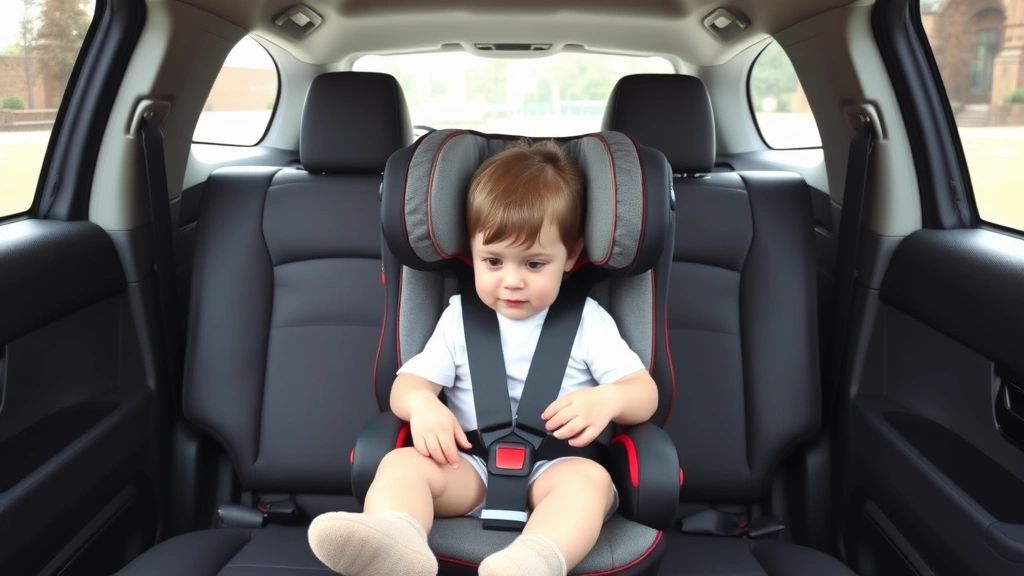
FAQ
At what age can a child stop using a car seat in California?
Children must use an appropriate car seat or booster seat until they are at least eight years old or reach 4 feet 9 inches in height. Once both age and height thresholds are met, children may transition to using the vehicle’s standard lap and shoulder belts. Even after meeting legal requirements, many safety experts recommend continued booster seat use until children reach approximately 10-12 years old for optimal protection.
Can I use a used or secondhand car seat?
Used car seats may be acceptable if they have not been in an accident, have not been recalled, and include all original components and instructions. However, purchasing used car seats carries risks because you may not know the item’s complete history. If a used car seat has been in any accident, it should not be used. Many organizations donate or loan car seats at reduced costs, which may be safer alternatives than purchasing used seats from unknown sources.
What should I do if my car seat is recalled?
Stop using the recalled car seat immediately and contact the manufacturer for instructions on obtaining a replacement or refund. You can verify recall status by visiting the NHTSA website. Keep documentation of the recall and replacement in case law enforcement questions your car seat setup. Never attempt to repair or modify a recalled car seat.
Are booster seats really necessary if my child is small for their age?
Yes, California law requires booster seats based on age and height, not on the child’s size relative to peers. Booster seats position children so that the vehicle’s lap and shoulder belts fit correctly across the child’s body. Without proper belt positioning, children are at significantly increased risk of injury in accidents. Using a booster seat is not optional even if a child is smaller than average for their age.
Can a child sit in the front seat with a car seat in California?
No, children under two years old must be in rear-facing car seats, which cannot be safely placed in front seats due to airbag deployment risks. Children two and older should ideally remain in rear seats for maximum protection, though forward-facing car seats with harnesses can be used in front seats if necessary. Booster seats should always be used in back seats. The back seat is substantially safer for all children.
What is the penalty for not having a car seat in California?
First violations can result in fines up to $496, while subsequent violations carry fines up to $1,000. Violations may also affect insurance rates and driving records. More importantly, failure to use appropriate car seats significantly increases the risk of serious injury or death in accidents, which is the primary reason these laws exist.
How do I find a certified car seat installation technician?
The NHTSA maintains a database of certified child passenger safety technicians at www.nhtsa.gov. You can also contact local fire departments, health departments, or children’s hospitals, which often provide free installation services. Many hospitals and community organizations host car seat safety events where certified technicians provide installation assistance.
Are there any medical exceptions to California car seat laws?
Yes, medical exceptions exist for children whose physical conditions make standard car seat use medically inadvisable. A physician must provide written certification of the medical condition and the need for alternative restraint systems. This documentation should be kept in the vehicle. However, medical exceptions are narrowly construed and should only be pursued when standard car seats genuinely pose medical risks.


