
NC Booster Seat Laws: What Parents and Guardians Need to Know
North Carolina takes child passenger safety seriously, and understanding the state’s booster seat laws is essential for any parent, guardian, or caregiver transporting children. These regulations exist to protect vulnerable young passengers from serious injury or death in motor vehicle accidents. Non-compliance can result in traffic citations, fines, and most importantly, put children at risk.
North Carolina’s child restraint laws are part of a broader framework designed to ensure that all occupants of vehicles are properly secured. Whether you’re a new parent navigating these requirements for the first time or a seasoned driver seeking clarification on current regulations, this comprehensive guide will walk you through everything you need to know about booster seats in North Carolina, including age requirements, weight specifications, penalties for non-compliance, and practical implementation tips.
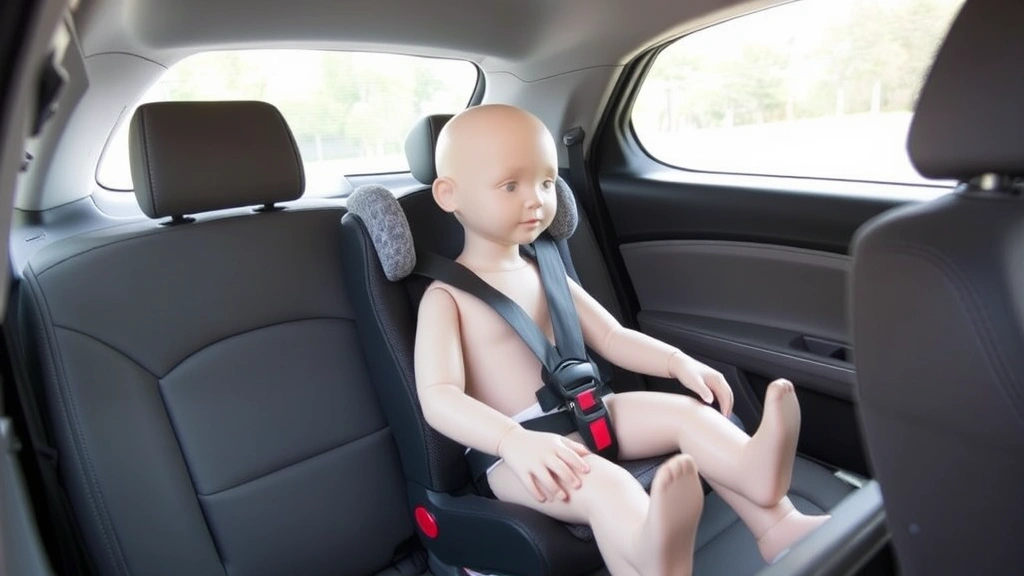
Understanding North Carolina’s Child Restraint Laws
North Carolina General Statute § 20-137.1 establishes the legal requirements for child passenger restraints throughout the state. This statute mandates that children riding in motor vehicles must be properly secured using age-appropriate and weight-appropriate restraint systems. The law applies to all vehicles operating on public roads in North Carolina, including personal automobiles, rental cars, and commercial vehicles used for passenger transport.
The purpose of these laws is rooted in extensive safety research demonstrating that proper restraint systems significantly reduce the risk of injury and death in traffic accidents. According to the National Highway Traffic Safety Administration (NHTSA), booster seats reduce the risk of serious injury by approximately 45% for children aged 4-8 compared to seat belts alone. Understanding the legal framework helps parents make informed decisions about their children’s safety and avoid potential legal issues.
North Carolina’s approach aligns with recommendations from pediatric safety organizations and federal guidelines, though parents should note that state law represents the minimum requirement—many safety experts recommend more stringent protections than the law mandates. This distinction is important when making decisions about your child’s safety beyond legal compliance.
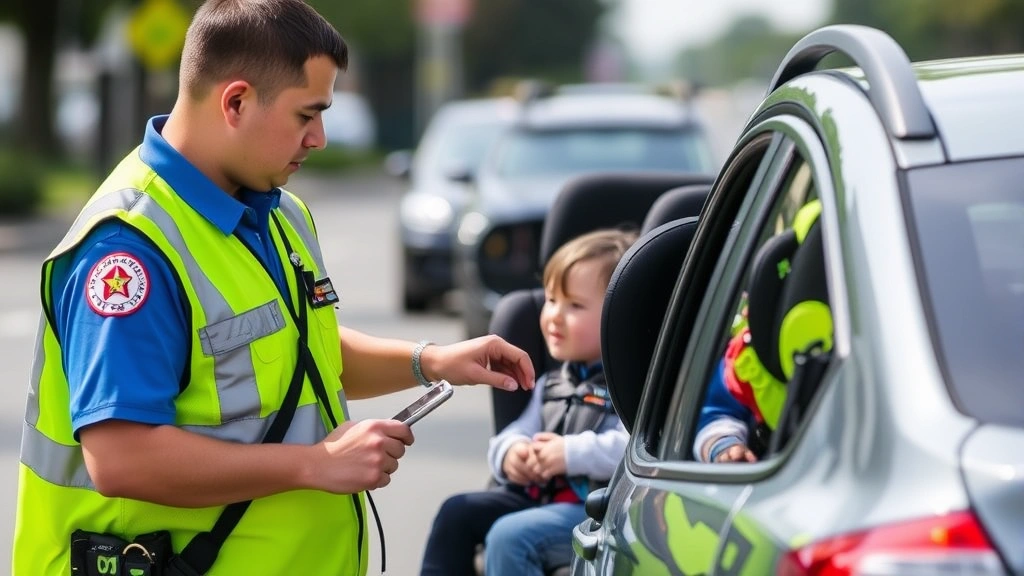
Age and Weight Requirements for Booster Seats
In North Carolina, the booster seat requirement applies to children under 8 years of age or children who weigh less than 80 pounds, whichever comes first. Once a child reaches either milestone—turning 8 or weighing 80 pounds—they may transition from a booster seat to an adult seat belt, assuming they meet height requirements for proper seat belt fit.
However, it’s crucial to understand that meeting the legal minimum doesn’t necessarily mean your child is ready to transition. The American Academy of Pediatrics recommends that children remain in booster seats until they are at least 4 feet 9 inches tall and between 8 and 12 years old. This height requirement ensures that the vehicle’s seat belt fits properly across the child’s shoulder and lap, providing maximum protection in the event of sudden deceleration or collision.
The weight threshold of 80 pounds is particularly important because it represents the point at which a child’s body structure can better handle the forces generated by a deploying airbag and the pressure of a standard seat belt during rapid deceleration. Children who weigh less than 80 pounds lack the skeletal development to safely manage these forces, making booster seat protection essential.
Parents should also understand that North Carolina law distinguishes between different types of child restraints. Infants and very young children require rear-facing car seats, while older infants and toddlers use forward-facing car seats with harnesses. Booster seats represent the next stage, elevating children so that adult seat belts fit properly across their bodies.
Types of Approved Booster Seats
North Carolina recognizes two primary types of booster seats: high-back booster seats and backless booster seats. High-back booster seats provide head and neck support, making them particularly valuable in side-impact collisions. They also position the seat belt correctly and offer protection if the vehicle lacks a headrest. Backless booster seats are more portable and less visible but still elevate the child to ensure proper seat belt fit.
All booster seats sold in the United States must meet Federal Motor Vehicle Safety Standards (FMVSS), which are rigorous testing requirements ensuring that devices provide adequate protection. When selecting a booster seat, parents should verify that the device carries a label indicating compliance with these federal standards. Additionally, the booster seat must be compatible with the vehicle’s seat configuration and seat belt system.
It’s important to note that booster seats differ significantly from seat belt positioning devices or other aftermarket products. Only certified booster seats meeting federal safety standards provide the protection intended by North Carolina law. Using non-certified devices or improvised solutions violates state law and puts children at serious risk.
When choosing between high-back and backless options, parents should consider their vehicle’s features, the child’s size and maturity level, and the frequency and distance of trips. High-back booster seats generally provide superior protection, particularly for younger children in this age range or those still on the smaller side of the 80-pound threshold.
Proper Installation and Usage
Simply having an approved booster seat in your vehicle isn’t sufficient—proper installation and consistent use are critical to effectiveness. Many parents don’t realize that booster seat misuse is common, significantly reducing protection benefits. The booster seat must be placed on a vehicle seat where a functioning seat belt exists, and the vehicle’s seat belt must be properly threaded through the booster seat’s belt guides.
The lap portion of the seat belt should fit snugly across the child’s hip bones and upper thighs, never across the stomach. The shoulder belt must cross the child’s shoulder and chest, never the neck or face. Twisted or improperly positioned seat belts can cause serious injury during a crash, making proper routing essential. Many booster seats feature guides specifically designed to keep the seat belt in the correct position.
Parents should ensure that children sit upright in the booster seat with their backs against the seat and their feet flat on the floor or dangling comfortably. Slouching, lying across the seat, or other improper positioning compromises the protection provided by both the booster seat and seat belt. Establishing good habits early makes compliance easier and safer.
Regular inspection of booster seats is important, as wear and tear can compromise their structural integrity. Check for cracks, loose components, or fading that might indicate sun damage. If a booster seat has been involved in a moderate or severe crash, it should be replaced, as internal damage may not be visible but could affect performance in future accidents.
Additionally, parents should understand that booster seats should not be used in vehicles with lap-only seat belts or with airbag-equipped front seats in certain circumstances. Consulting the booster seat manufacturer’s instructions and your vehicle’s owner manual ensures proper, safe installation. When in doubt, certified child passenger safety technicians can provide guidance.
Penalties and Legal Consequences
North Carolina treats child restraint violations seriously. Failing to properly restrain a child under 8 years old or under 80 pounds in an appropriate booster seat constitutes a traffic violation. The penalties vary depending on circumstances and whether this is a first or repeat offense.
First-time violators face a fine of $25 to $200, though courts may waive or reduce fines if the driver obtains an approved booster seat and provides proof to the court. This provision recognizes that some violations result from financial constraints or lack of awareness rather than willful negligence. A police report documenting the violation may be required for insurance purposes, potentially affecting your driving record and premiums.
Repeat violations within a certain timeframe carry enhanced penalties, including higher fines and potential points on your driving record. Accumulating points can lead to license suspension or other consequences. Additionally, violations may be considered as evidence of negligence if a child is injured in an accident, potentially supporting civil liability claims against the driver.
Beyond legal penalties, failing to properly restrain children creates serious safety risks. In a crash, unrestrained or improperly restrained children face exponentially higher risks of severe injury or death. The financial and emotional costs of such outcomes far exceed any fine for non-compliance. Insurance companies may also deny claims or reduce payouts if improper child restraint contributed to injuries.
Parents and guardians should understand that law enforcement officers are authorized to stop vehicles and issue citations for child restraint violations, even if no other traffic violation occurred. This enforcement priority reflects the state’s commitment to child safety. If you receive a citation, you have the right to contest it in traffic court, though compliance is typically the most straightforward resolution.
Exceptions and Special Circumstances
While North Carolina’s booster seat law is comprehensive, certain exceptions and special circumstances exist. Medical exceptions may apply if a child has a documented medical condition making standard booster seat use unsafe or impractical. However, such exceptions require medical certification and are rarely granted. Parents believing their child qualifies should consult with pediatricians and potentially seek legal guidance on proper documentation.
Vehicles manufactured before 1975 may be exempt from certain child restraint requirements if they lack functioning seat belts. However, this exemption is narrow and doesn’t apply to most vehicles on the road. Additionally, emergency situations—such as medical emergencies requiring immediate transport—might provide limited legal protection, though this doesn’t eliminate the obligation to use booster seats whenever possible.
Public transportation vehicles and school buses have different regulatory frameworks and may not be subject to the same booster seat requirements. However, many school districts have adopted policies requiring booster seats for eligible children on district buses. Parents should verify their specific school district’s policies.
Ride-sharing services like Uber and Lyft operating in North Carolina may have their own child restraint policies exceeding state law requirements. Some services require specially trained drivers for child passengers or provide car seats through partner programs. Parents using these services should verify policies in advance when traveling with children.
Resources and Safety Organizations
Numerous resources exist to help parents understand and comply with North Carolina’s booster seat laws. The National Highway Traffic Safety Administration (NHTSA) provides comprehensive information about child passenger safety, including installation instructions and product recalls. Their website includes a database of certified car seats and booster seats.
The SaferCar.gov website offers detailed safety ratings and information about vehicle safety features relevant to child passengers. The North Carolina Department of Transportation provides official information about state traffic laws, including child restraint requirements.
Safe Kids Worldwide and local chapters offer free or low-cost booster seat installation checks conducted by certified technicians. These professionals can verify that your booster seat is installed correctly and answer questions about proper use. Many hospitals and health departments in North Carolina also offer installation assistance.
Parents seeking additional legal guidance about booster seat requirements or violations can consult the North Carolina Bar Association, which provides referrals to traffic attorneys. Additionally, understanding legal terminology can help parents better understand traffic citations and legal processes.
The North Carolina Department of Public Safety website contains official statute text and enforcement information. Many county health departments also provide educational materials about child passenger safety requirements specific to North Carolina.
FAQ
What is the exact age and weight requirement for booster seats in North Carolina?
North Carolina law requires booster seats for children under 8 years old or weighing less than 80 pounds, whichever threshold is reached first. Once a child reaches either milestone, they may transition to an adult seat belt if they also meet height requirements for proper seat belt fit. However, safety experts often recommend continuing booster seat use beyond the legal minimum.
Can my child sit in the front seat while using a booster seat?
North Carolina law doesn’t explicitly prohibit booster seats in front seats, but it’s strongly discouraged. Front seats expose children to airbag deployment, which can cause serious injury to small passengers. The safest location for booster seats is the rear seat, away from airbag hazards. Whenever possible, children should ride in rear seats until they’re old enough and large enough to safely tolerate airbag deployment.
What happens if I’m caught without a booster seat for my child?
First-time violations result in fines ranging from $25 to $200. Courts may waive or reduce fines if you obtain an approved booster seat and provide proof. Repeat violations carry enhanced penalties. Additionally, the violation may be noted on your driving record and could affect insurance rates. If a child is injured in a crash, improper restraint could support negligence claims.
Are backless booster seats as safe as high-back booster seats?
Both types meet federal safety standards, but high-back booster seats provide additional head and neck support, particularly valuable in side-impact collisions. For children in the lower end of the weight range or younger children, high-back boosters generally offer superior protection. Backless seats are more portable but less protective. Your vehicle’s features and your child’s size should influence your choice.
Do I need a booster seat in rental cars or ride-sharing services?
Yes, North Carolina’s booster seat requirement applies to all vehicles, including rentals. Ride-sharing services like Uber and Lyft have their own policies, which may exceed state requirements. Some services offer car seat programs or require specially trained drivers. Always verify policies in advance when traveling with children in rental or ride-sharing vehicles.
What if my child has a medical condition that prevents booster seat use?
Medical exceptions are rare and require documented certification from a pediatrician. If you believe your child qualifies, consult your pediatrician and potentially seek legal guidance on proper documentation and exception procedures. Simply having parental concerns isn’t sufficient for an exception; medical evidence of a documented condition is necessary.
Can I use a booster seat that’s been involved in a crash?
If a booster seat was involved in a moderate or severe crash, it should be replaced, as internal damage may not be visible but could compromise effectiveness. Minor accidents may not require replacement, but consulting the manufacturer’s guidelines is advisable. When in doubt, replacement is the safest option for protecting your child.


