
Understanding Drunk Driving Laws: Lawyer Insights
Driving under the influence (DUI) or driving while intoxicated (DWI) represents one of the most serious criminal charges individuals face in the United States. These offenses carry significant legal, financial, and personal consequences that extend far beyond the courtroom. Whether you’re facing charges, seeking to understand your rights, or trying to comprehend how these laws work, understanding the nuances of drunk driving legislation is essential for protecting your future.
The landscape of drunk driving laws has evolved considerably over the past few decades, becoming increasingly stringent as lawmakers recognize the dangers of impaired driving. Every state maintains its own specific statutes and penalties, though federal guidelines provide a framework that most jurisdictions follow. If you’re navigating the criminal justice system in connection with a DUI or DWI charge, working with an experienced attorney becomes critically important. A qualified defense attorney can help you prepare for depositions and other legal proceedings that may determine your case outcome.
What Constitutes Drunk Driving
Drunk driving occurs when an individual operates a motor vehicle while impaired by alcohol or drugs to a degree that compromises their ability to drive safely. The legal definition varies slightly by jurisdiction, but generally encompasses both alcohol and controlled substances, as well as prescription medications that impair driving ability. The key element prosecutors must establish is that the driver’s mental or physical faculties were impaired, or alternatively, that their blood alcohol content exceeded the legal limit.
The impairment standard doesn’t require the driver to be severely intoxicated—even modest impairment that affects judgment, reaction time, or motor control can result in charges. Law enforcement officers are trained to recognize signs of impairment through field sobriety tests and behavioral observations. These observations, combined with chemical testing results, form the foundation of most DUI prosecutions. Understanding what law enforcement looks for during traffic stops can help you recognize your rights and responsibilities during such encounters.
It’s important to distinguish between different types of impaired driving charges. Some jurisdictions separate DUI (driving under the influence) from DWI (driving while intoxicated), with DWI typically referring to more severe impairment or higher blood alcohol content. Other states use these terms interchangeably. Additionally, charges may involve alcohol, controlled substances, or prescription medications—each with distinct legal considerations and defenses.
Blood Alcohol Content Standards
Blood alcohol content (BAC) serves as the primary objective measure of intoxication in drunk driving cases. The legal limit for drivers aged 21 and older is 0.08% in all fifty states, though some states have implemented enhanced penalties for higher BAC levels. This uniform standard resulted from federal highway safety legislation that tied highway funding to adoption of the 0.08% limit.
For commercial drivers, the legal limit is lower at 0.04%, reflecting the increased responsibility associated with operating large vehicles. Drivers under 21 years old face zero-tolerance laws in most states, meaning any detectable alcohol can result in charges. These stricter standards recognize that younger drivers lack experience managing both vehicle operation and alcohol consumption.
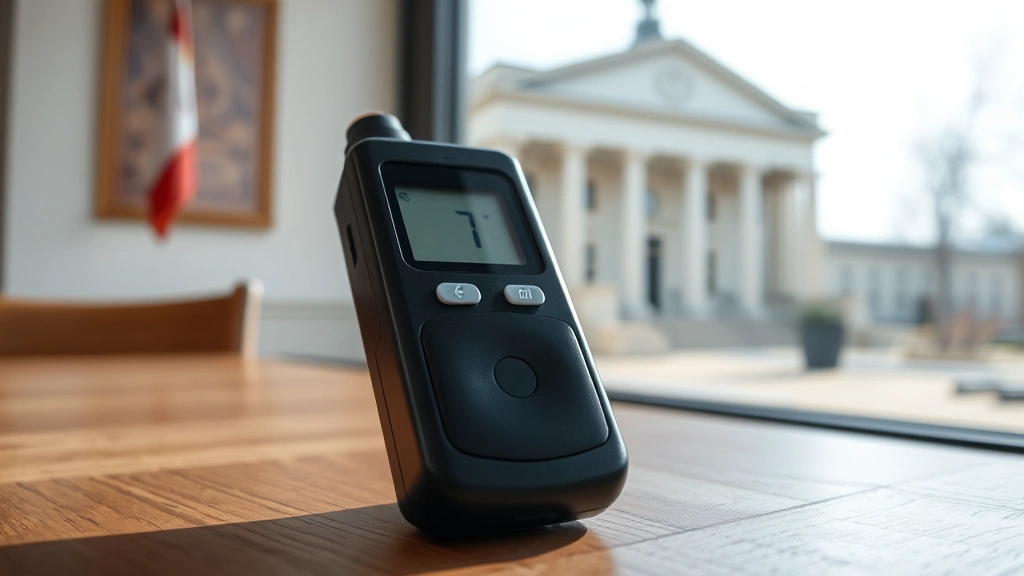
BAC is measured through breath, blood, or urine tests, each with varying degrees of accuracy and reliability. Breath tests (breathalyzers) are the most common roadside screening method, though they’re subject to numerous technical and procedural challenges. Blood tests are generally considered more reliable but require proper collection, storage, and handling to maintain evidentiary integrity. Understanding the strengths and weaknesses of different testing methods becomes crucial when evaluating potential legal malpractice or challenging prosecution evidence.
It’s worth noting that BAC levels can vary based on numerous factors including body weight, gender, food consumption, metabolism, and the rate of alcohol consumption. An individual might have a BAC of 0.08% at one moment and 0.06% thirty minutes later as their body metabolizes the alcohol. This temporal aspect of BAC measurement creates opportunities for defense challenges regarding when the impairment actually occurred.
Types of DUI and DWI Charges
Drunk driving charges come in various forms, each with different legal elements and potential penalties. A standard DUI charge typically alleges that the driver’s ability to operate a vehicle was impaired by alcohol or drugs. This charge requires prosecutors to prove impairment through evidence such as field sobriety tests, officer observations, and sometimes chemical test results.
Enhanced DUI charges apply when aggravating factors are present. These might include having a child passenger in the vehicle, causing an accident, driving with a suspended license, or exceeding the speed limit. Each aggravating factor can result in increased penalties and mandatory minimum sentences in many jurisdictions.
Felony DUI charges arise in several circumstances: when the offense is a repeat conviction within a specified timeframe, when the driver caused injury or death, when a child was in the vehicle, or when the driver had a suspended or revoked license at the time of the offense. Felony convictions carry substantial prison sentences, often ranging from one to ten years depending on the jurisdiction and specific circumstances.
Per se DUI charges are based solely on BAC measurements exceeding the legal limit, without requiring proof of actual impairment. These charges are often easier for prosecutors to prove since they rely primarily on chemical test results rather than subjective observations. However, per se charges don’t preclude challenges to the testing procedures or equipment reliability.
Arrest and Testing Procedures
The process of a DUI arrest begins with a traffic stop, which must be based on reasonable suspicion that a traffic violation or crime has occurred. Once stopped, officers observe the driver for signs of impairment including slurred speech, red or glassy eyes, and the odor of alcohol. If suspicion of impairment develops, the officer typically asks the driver to perform field sobriety tests.
Field sobriety tests include the horizontal gaze nystagmus test (eye tracking), the walk-and-turn test, and the one-leg stand test. These tests are designed to measure divided attention and balance, theoretically indicating impairment. However, they’re subject to numerous reliability challenges, including poor administration, medical conditions affecting performance, and environmental factors like uneven pavement or poor lighting.
Following field sobriety tests, officers typically request a breath test using a preliminary alcohol screening device. Drivers generally have the right to refuse this roadside breath test without legal penalty in most jurisdictions, though refusal may be used as evidence of consciousness of guilt. However, once arrested, drivers typically face legal requirements to submit to chemical testing under implied consent laws.
Chemical testing occurs at a police station or hospital and involves breath, blood, or urine analysis. Breath tests measure alcohol concentration in exhaled breath and extrapolate BAC levels. Blood tests directly measure BAC and are generally more accurate, though they require proper collection and handling. Urine tests are the least reliable and are rarely used as primary evidence. Understanding your rights during this process and how to challenge testing procedures is essential—preparing for a deposition may involve detailed questioning about these procedures.
Penalties and Consequences
DUI penalties vary significantly based on whether the offense is a first, second, third, or subsequent conviction, and whether any aggravating factors exist. First-time DUI offenders typically face fines ranging from $500 to $2,000, though some jurisdictions impose higher amounts. Jail sentences for first offenses often range from two to ten days, though many jurisdictions allow alternatives like community service or alcohol education programs.
License suspension is nearly universal for DUI convictions. First offenses typically result in suspension periods of three to twelve months, while repeat offenses can result in longer suspensions or permanent revocation. Some jurisdictions allow restricted licenses that permit driving to work, school, or medical appointments, often requiring installation of an ignition interlock device that prevents vehicle operation if alcohol is detected.
Mandatory minimum sentences increase substantially for repeat offenses. A second DUI within ten years might result in five to thirty days of jail time plus fines of $1,000 to $5,000. A third offense within ten years can trigger felony charges with prison sentences of one to three years or longer. These escalating penalties reflect legislative intent to deter repeat impaired driving.
Beyond criminal penalties, DUI convictions carry collateral consequences affecting employment, housing, professional licensing, and education. Many employers conduct background checks and may terminate employees with DUI convictions, particularly those in safety-sensitive positions. Professional licenses in fields like nursing, law, and real estate may be suspended or revoked. Insurance rates increase dramatically, sometimes doubling or tripling for convicted drivers.
Defense Strategies
Effective DUI defense requires challenging the evidence against you through multiple potential avenues. One fundamental defense involves questioning whether the traffic stop was lawful. If the officer lacked reasonable suspicion of a traffic violation or criminal activity, any evidence obtained during the stop may be suppressed as illegally obtained.
Field sobriety test administration and interpretation present numerous defense opportunities. Officers must administer these tests according to standardized procedures, and deviations can undermine their reliability. Additionally, medical conditions, fatigue, poor footwear, and environmental factors can affect performance independent of impairment. Challenging the officer’s observations and the validity of these tests is standard in DUI defense.
Chemical testing procedures are frequently challenged in DUI cases. Breath test devices require regular calibration and maintenance, and improper procedures can skew results. Blood tests must be collected, stored, and analyzed according to strict protocols, and violations can render results inadmissible. Expert witnesses can testify about the limitations and potential inaccuracies of these testing methods. Some jurisdictions also recognize the benefits of alternative dispute resolution in negotiating DUI charges, though criminal matters typically follow traditional litigation paths.
Rising BAC defense applies when testing occurred hours after driving, and BAC was rising rather than falling. If BAC was below the legal limit at the time of driving but exceeded it at the time of testing, the driver wasn’t legally intoxicated while operating the vehicle. This requires expert testimony about alcohol metabolism and absorption rates.
Mouth alcohol contamination can artificially elevate breath test results. If the driver recently consumed alcohol, used mouthwash, or had food particles in their mouth, breath tests may overestimate BAC. Proper breath testing procedures include a fifteen-minute observation period to prevent this contamination.
License Suspension and Administrative Hearings
License suspension often occurs immediately upon arrest, separate from criminal court proceedings. Most jurisdictions have administrative license revocation (ALR) programs that automatically suspend licenses upon DUI arrest, typically for thirty to ninety days pending a hearing. This administrative process operates independently from criminal prosecution, meaning your license can be suspended even if criminal charges are dismissed.
Administrative hearings provide opportunities to contest license suspension. At these hearings, you can challenge whether the officer had reasonable grounds to believe you were driving under the influence, whether you were properly advised of your rights, and whether chemical testing was properly conducted. Winning an administrative hearing can restore your driving privileges even while facing criminal charges.
Ignition interlock devices are increasingly required in DUI cases, even for first offenses in some jurisdictions. These devices require drivers to provide a breath sample before starting their vehicle and periodically while driving. Failure to provide a sample or detecting alcohol triggers vehicle shutdown and reports to authorities. While expensive to install and maintain, interlock devices allow continued driving while demonstrating commitment to sobriety.
Long-Term Impact on Your Life
A DUI conviction creates lasting consequences extending years beyond the sentence completion. Employment prospects diminish significantly, particularly for positions requiring driving, security clearances, or professional licensure. Many employers view DUI convictions as indicators of poor judgment and unreliability, making it difficult to secure or advance in employment.
Educational opportunities may be affected, as many colleges and universities consider criminal convictions in admissions decisions, and some professional graduate programs require disclosure of convictions. Student loans and financial aid eligibility can be impacted in certain circumstances. Professional licensing boards frequently deny licenses to applicants with recent DUI convictions, effectively barring entry to licensed professions.
Insurance consequences are particularly severe, as DUI convictions typically result in SR-22 or FR-44 filing requirements, which document proof of insurance to the state. Insurance premiums increase dramatically, sometimes by 300-500%, and some insurers refuse to cover drivers with recent DUI convictions entirely. This increased insurance cost can persist for five to ten years or longer.
Social and personal relationships often suffer following DUI convictions. Stigma associated with impaired driving convictions can damage professional reputations and personal relationships. Mandatory alcohol education programs and potential counseling requirements consume time and resources. The cumulative effect of these consequences underscores the importance of mounting a vigorous legal defense and exploring every available option to minimize conviction consequences.
For those facing DUI charges, understanding your legal rights and options is paramount. Many jurisdictions allow plea negotiations that might result in reduced charges or alternative sentences avoiding jail time. Some offer diversion programs for first-time offenders that allow charges to be dismissed upon successful completion of treatment programs. These options vary significantly by jurisdiction and individual circumstances, making experienced legal representation invaluable.
The importance of retaining qualified legal counsel cannot be overstated in DUI cases. Attorneys with specialized experience in impaired driving defense understand the technical aspects of breath and blood testing, the proper procedures for administering field sobriety tests, and the specific statutory requirements prosecutors must meet. They can identify procedural errors, challenge evidence reliability, and negotiate favorable outcomes.
When selecting legal representation, seek attorneys with demonstrated experience in DUI defense, knowledge of your jurisdiction’s specific laws, and understanding of local prosecutors’ and judges’ practices. Many attorneys offer free consultations where you can discuss your case specifics and evaluate whether they’re the right fit for your situation. This initial consultation is critical for understanding your options and the potential outcomes you might expect.

FAQ
What’s the difference between DUI and DWI?
The distinction varies by jurisdiction. Some states use these terms interchangeably to describe impaired driving under the influence of alcohol or drugs. Other states differentiate them, with DWI typically referring to more serious intoxication or higher BAC levels. Some jurisdictions use DUI for alcohol-related impairment and DWI for drug-related impairment, or vice versa. Understanding your specific state’s terminology is essential for understanding the charges you face.
Can I refuse a breathalyzer test?
You can refuse a preliminary roadside breath test without legal penalty in most jurisdictions. However, after arrest, implied consent laws in most states require submission to chemical testing. Refusal to submit to testing after arrest can result in automatic license suspension and may be used as evidence of consciousness of guilt. Refusing can sometimes result in harsher penalties than a failed test would produce, making this decision context-dependent and worthy of legal consultation.
What are my rights during a traffic stop?
You have the right to remain silent and the right to refuse consent to searches of your vehicle. You must provide license, registration, and insurance documentation upon request. However, you’re not required to answer questions about where you’ve been or whether you’ve consumed alcohol. You can politely decline field sobriety tests, though this may result in arrest. You have the right to an attorney, and you should request one before answering questions beyond providing required documentation.
How long does a DUI stay on my record?
DUI convictions remain on criminal records permanently in most jurisdictions. However, some states allow expungement or record sealing after specified periods, typically five to ten years for first offenses. Expungement removes the conviction from public records, though it may still be accessible to law enforcement and certain government agencies. Insurance companies can access conviction information for ten years or longer. Understanding your state’s expungement laws is important for planning your post-conviction recovery.
Can I get a DUI charge dismissed?
DUI charges can be dismissed through several mechanisms. If the traffic stop violated constitutional protections, evidence obtained during that stop may be suppressed, potentially leading to dismissal. If chemical testing procedures violated statutory requirements or the defendant’s rights, test results may be inadmissible, weakening prosecution’s case. Procedural errors in arrest, booking, or charging can result in dismissal. Negotiated plea agreements may involve charge reduction or dismissal in exchange for guilty pleas to lesser offenses. Successful defense challenges at trial can result in acquittal. Each case’s dismissal potential depends on specific facts and circumstances.
Will I go to jail for a first DUI offense?
Many first-time DUI offenders avoid jail time, particularly in jurisdictions with diversion or deferred prosecution programs. However, mandatory minimum jail sentences exist in some states and jurisdictions, typically ranging from two to ten days. Factors affecting jail likelihood include BAC level, prior criminal history, involvement in accidents, and presence of aggravating circumstances. Working with experienced legal counsel to negotiate alternatives to incarceration, such as community service or treatment programs, is often possible and advisable.


