What Is the Law Symbol? Legal Insight
The law symbol represents justice, authority, and the legal profession across cultures and centuries. Understanding these iconic symbols provides insight into how societies visualize their commitment to fairness, order, and the rule of law. From the scales of justice to the gavel, these emblems carry profound meaning within courtrooms, legal institutions, and public consciousness worldwide.
Legal symbols serve multiple purposes: they communicate complex legal concepts instantly, establish professional identity, and reinforce the legitimacy of judicial institutions. Whether displayed on courthouse facades, legal documents, or professional insignia, these symbols connect us to a rich heritage of legal tradition while signifying the serious nature of legal proceedings and the responsibilities of those who practice law.

The Scales of Justice: History and Meaning
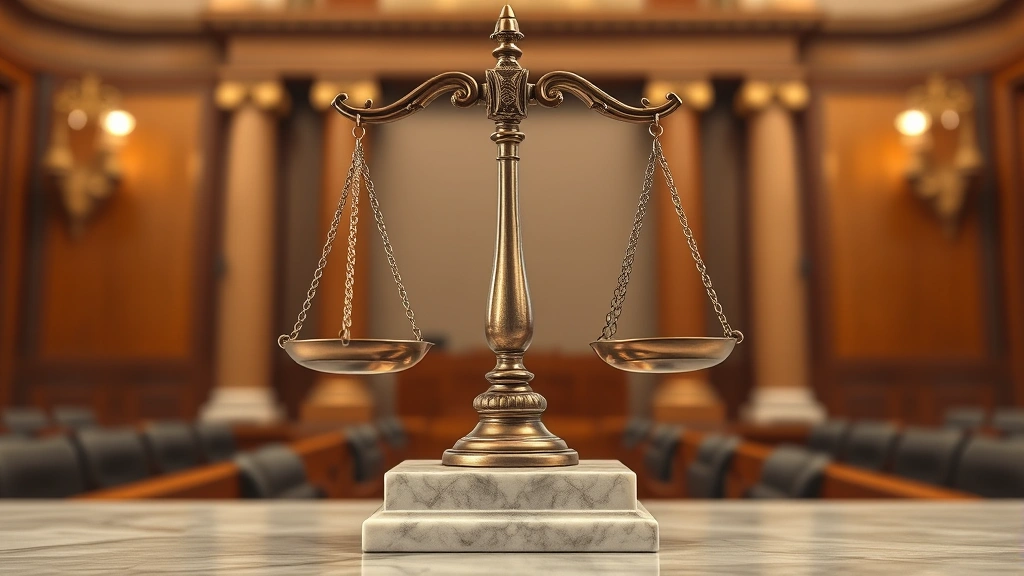
The scales represent perhaps the most universally recognized law symbol across civilizations. Dating back to ancient Egypt, where Anubis used scales to weigh the hearts of the deceased against the feather of truth, this imagery became embedded in Western legal tradition through Greek and Roman influence. The balanced scales symbolize impartiality, fairness, and the careful weighing of evidence that forms the foundation of justice systems.
The concept of balanced scales reflects the fundamental principle that justice requires careful consideration of both sides of an argument. In legal proceedings, the scales metaphorically represent how judges and juries must weigh testimony, evidence, and legal arguments to reach fair verdicts. This symbol appears on courtroom seals, law firm logos, and official judicial documents, reinforcing the expectation that legal professionals will maintain equilibrium and fairness in their work.
The scales also embody the principle of proportionality in law. Whether applied to criminal sentencing, civil damages, or regulatory penalties, the scales remind us that justice should be calibrated appropriately to the circumstances. Understanding statutory law and its application depends on this principle of balanced consideration and proportionate response to legal violations.
Different cultures have emphasized various aspects of the scales. In Islamic legal tradition, the concept of balance (mizan) holds tremendous spiritual and legal significance. In Chinese legal philosophy, balance between competing interests represents a core principle. The universal appeal of the scales as a law symbol demonstrates how this image transcends cultural boundaries to communicate fundamental concepts about justice.
The Gavel: Symbol of Authority
The gavel serves as the definitive symbol of judicial authority and the power to make binding legal decisions. This wooden hammer, typically made from hardwood and featuring a small block base, represents the judge’s authority to maintain order, render decisions, and enforce courtroom rules. The sharp sound created by striking the gavel commands attention and signals important moments in legal proceedings.
Historically, the gavel’s use became standardized in American courts during the 19th century, though similar tools existed in earlier legal systems. The gavel’s primary function involves controlling courtroom decorum, but it has evolved into a potent symbol of judicial power and finality. When a judge strikes the gavel, it signifies that a decision has been made, order has been restored, or a session has concluded with legal authority behind the action.
The gavel symbolizes several important legal concepts. It represents the judge’s responsibility to maintain fairness and order. It embodies the finality of judicial decisions, indicating that disputes have been resolved through proper legal channels. For legal professionals and students studying at the best law schools in the US, the gavel represents the ultimate career goal of contributing to the justice system.
Modern depictions of the gavel often accompany discussions of law and justice in media, literature, and educational materials. This symbol has become so powerful that it instantly communicates authority, finality, and the judicial process to audiences worldwide. Even individuals with minimal legal knowledge recognize the gavel as representing the power of courts and judges.
Themis and Lady Justice: Personification of Law
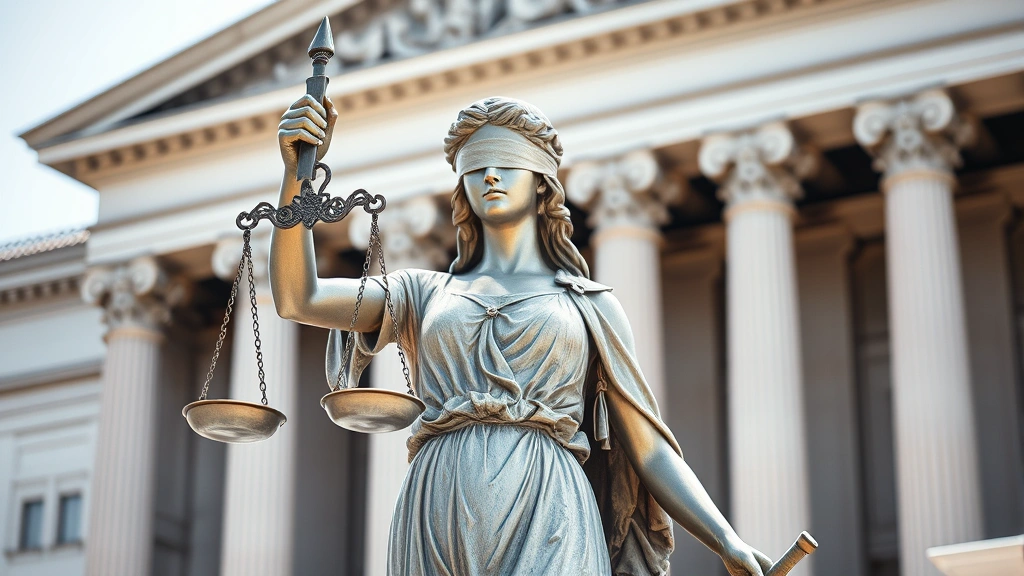
Themis, the Greek goddess of divine law and justice, personifies the law symbol through human form. Often depicted blindfolded to represent impartiality, holding scales in one hand and a sword in the other, Themis embodies the qualities expected of legal professionals and judicial systems. This personification transforms abstract legal concepts into relatable human characteristics, making justice seem both achievable and important.
Lady Justice, derived from Themis, has become the primary personification in Western legal systems. The blindfold symbolizes that justice should be administered without regard to social status, wealth, or personal connections. The scales represent the weighing of evidence and arguments. The sword signifies the power to enforce legal decisions and protect the vulnerable. Together, these elements create a comprehensive visual representation of what justice should accomplish.
Different jurisdictions have adopted variations of Lady Justice imagery. Some depictions show her with both eyes visible, suggesting that while justice should be impartial, it must also be observant and aware. Others emphasize particular attributes depending on local legal traditions and values. Understanding different approaches to California divorce laws or common law marriage in Texas requires recognizing how local legal systems embody these justice principles.
The personification of law through Themis and Lady Justice has profound psychological and cultural effects. By representing justice as a dignified, powerful, yet impartial figure, legal systems reinforce their legitimacy and the seriousness with which they approach their responsibilities. This imagery appears on courthouse buildings, legal documents, and professional seals worldwide.
The Sword in Legal Symbolism
The sword represents the power and enforcement capability of legal systems. Often depicted in the hand of Lady Justice, the sword symbolizes that law must have teeth—that legal decisions cannot remain abstract concepts but must be enforceable and backed by legitimate authority. This symbol connects legal systems to the state’s monopoly on legitimate force, a concept fundamental to legal philosophy.
Historically, the sword represented the king’s or state’s power to administer justice and punish wrongdoing. In modern legal systems, the sword has evolved to represent the entire enforcement mechanism: police powers, incarceration facilities, fines, and other penalties that make legal judgments meaningful. Without enforcement capability, law would become merely advisory, losing its binding nature.
The sword also symbolizes the sharp, decisive nature of legal judgments. Unlike negotiated settlements that might leave both parties partially satisfied, legal judgments create clear winners and losers. The sword’s cutting power reflects this decisive quality. Additionally, the sword represents protection—the law’s role in defending citizens from harm and protecting vulnerable populations from exploitation.
In various legal traditions, sword imagery appears differently. Some emphasize the sword as a weapon of last resort, used only when other remedies fail. Others highlight the sword as a protective instrument, defending rights and preventing injustice. Understanding how different jurisdictions approach enforcement—whether through strict China marriage law changes or more flexible common law approaches—requires recognizing these different emphases on enforcement and justice.
Professional Legal Symbols and Emblems
Law firms, bar associations, and legal organizations use distinctive symbols and emblems to establish professional identity and communicate expertise. These symbols range from traditional imagery incorporating scales and gavels to modern, abstract designs that represent specific areas of legal practice. Professional law symbols serve important functions in branding, distinguishing qualified practitioners from unqualified individuals, and building client confidence.
Bar associations across jurisdictions maintain official seals and symbols that verify attorney licensing and professional standing. These emblems carry legal significance—displaying them without proper credentials constitutes fraud. The symbols communicate that a professional has met rigorous educational and ethical standards, passed comprehensive examinations, and maintains ongoing professional obligations. This certification function makes professional legal symbols more than decorative—they carry legal weight.
Specialized legal fields have developed their own symbolic representations. Intellectual property law might incorporate symbols representing innovation and creativity. Family law symbols might emphasize harmony and balance. Criminal law symbols might emphasize justice and protection. Understanding how to protect intellectual property requires familiarity with symbols and marks that legal professionals use to communicate expertise in this specialized field.
Modern legal organizations increasingly develop distinctive visual identities that reflect their values and specializations. These symbols appear on websites, business cards, letterhead, and courtroom materials. They communicate professionalism, establish credibility, and help clients identify qualified legal representation. The evolution of professional legal symbols reflects how the legal profession has modernized while maintaining connections to historical traditions.
International Legal Symbols
Different countries and legal traditions have developed distinct law symbols reflecting their unique histories, values, and legal philosophies. The International Court of Justice uses its own official seal and symbols. The United Nations, through its various legal bodies, maintains symbols representing international law and cooperation. These symbols communicate across language barriers, making them particularly valuable in global legal contexts.
European legal systems often incorporate symbols derived from classical sources, emphasizing continuity with Roman and Greek legal traditions. African legal systems increasingly develop symbols reflecting indigenous legal concepts and post-colonial identities. Asian legal systems may incorporate traditional symbols with contemporary elements, bridging ancient wisdom with modern legal requirements.
The European Union has developed symbols representing supranational law and judicial cooperation. The European Court of Justice maintains official emblems that appear on all official documents and communications. These symbols serve important functions in establishing the legitimacy and authority of international legal institutions among diverse member states and populations.
International legal symbols must communicate effectively across cultural boundaries while respecting diverse legal traditions. This requirement has led to the development of symbols that emphasize universal principles—fairness, justice, equality, and the rule of law—rather than culture-specific imagery. The challenge of creating symbols for international law represents an ongoing effort to establish common ground among diverse legal systems.
Modern Applications of Law Symbols
Contemporary legal practice continues to use traditional symbols while adapting them for modern contexts. Digital law firms incorporate traditional symbols into website designs and digital communications. Law schools feature traditional legal symbols in their institutional branding and academic regalia. Courthouses, whether historic buildings or modern structures, prominently display traditional legal symbols to reinforce their authority and connection to legal tradition.
Technology has created new opportunities for law symbol application. Legal apps and software often feature symbolic imagery to communicate their purpose and trustworthiness. Online dispute resolution platforms use symbols to establish legitimacy and guide users through legal processes. Digital signatures and authentication systems incorporate legal symbolism to represent verification and official status.
Educational institutions use law symbols extensively in teaching materials, course designs, and student organizations. Student bar associations, law review journals, and moot court programs all maintain symbolic representations that connect them to larger legal traditions. These symbols help students understand themselves as part of a profession with deep historical roots and important social responsibilities.
The power of traditional law symbols in modern contexts demonstrates their enduring relevance. Despite technological change and social evolution, the scales of justice, the gavel, and Lady Justice continue to communicate fundamental concepts about fairness, authority, and the rule of law. Modern legal professionals maintain these symbols while working to ensure they represent truly equitable systems that serve all members of society.
Public perception of legal institutions remains significantly influenced by symbolic imagery. When courthouses display traditional symbols with dignity and respect, it reinforces public confidence in the justice system. Conversely, when symbols appear neglected or absent, it may suggest institutional weakness or lack of commitment to justice principles. This makes the maintenance and respectful display of law symbols an important aspect of institutional legitimacy.
FAQ
What does the blindfold on Lady Justice symbolize?
The blindfold represents impartiality and the principle that justice should be administered without regard to parties’ social status, wealth, appearance, or other irrelevant characteristics. It symbolizes that judges and juries should focus solely on evidence and law when making decisions, ignoring external factors that might bias judgment.
Why do judges use gavels?
Judges use gavels to maintain courtroom order, command attention during important moments, and signal official actions like the start of proceedings, adjournment, or rendering decisions. The gavel’s sound creates an auditory signal that reinforces the judge’s authority and the significance of judicial pronouncements.
Where did the scales of justice symbol originate?
The scales symbol has ancient origins dating back to Egyptian mythology, where they represented the weighing of souls. The symbol was later adopted by Greek and Roman legal systems and became embedded in Western legal tradition, symbolizing the careful weighing of evidence and arguments necessary for fair judgment.
What does the sword in Lady Justice’s hand represent?
The sword represents the enforcement power of legal systems—the ability to execute judgments and punish violations. It symbolizes that law must be enforceable and backed by legitimate authority. The sword also represents the decisive, cutting nature of legal judgments and the law’s role in protecting citizens.
Do all countries use the same law symbols?
No, different countries and legal traditions use varying symbols reflecting their unique histories and values. While some symbols like the scales appear internationally, many jurisdictions maintain distinctive emblems representing their specific legal systems and cultural traditions.
What is the significance of the color purple in legal robes?
Purple traditionally represented royal authority and power. Legal professionals wearing purple robes connected themselves to this tradition of authority and legitimacy. The use of distinctive robing also helps courtroom participants immediately identify judges and creates visual distinction that reinforces hierarchical authority structures within legal proceedings.
How do law symbols influence public perception of justice?
Law symbols communicate professionalism, authority, and commitment to fairness. When displayed prominently and maintained respectfully, they reinforce public confidence in legal institutions. Symbols like the scales and gavel instantly communicate that justice and fairness matter, helping citizens understand the legal system’s purpose and legitimacy.


