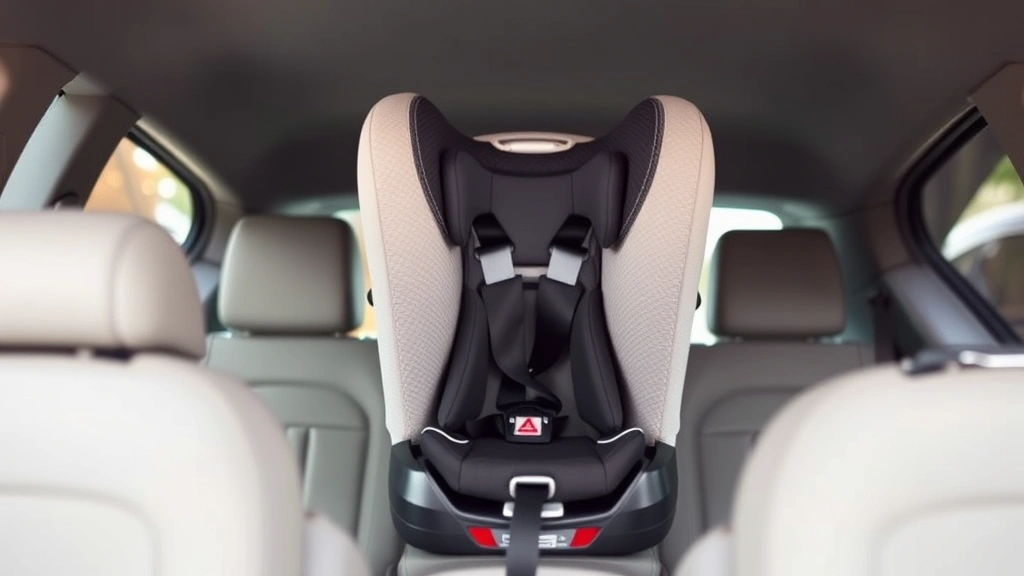
New Car Seat Laws in Michigan: Legal Update
Michigan has implemented significant changes to its car seat laws designed to enhance child safety during vehicle transport. These new car seat laws taking effect in Michigan represent an important shift in how parents and caregivers must secure infants and young children in vehicles. Understanding these requirements is essential for all Michigan residents to ensure compliance and protect vulnerable passengers.
The Michigan Department of State Police and traffic safety officials have updated child passenger safety regulations to align with current medical research and best practices. These changes affect families with children from birth through age 15, establishing clearer guidelines for rear-facing seats, forward-facing seats, and booster seat usage. Non-compliance can result in traffic citations, fines, and potential impacts on child custody matters, making it crucial for parents to stay informed about these legal requirements.
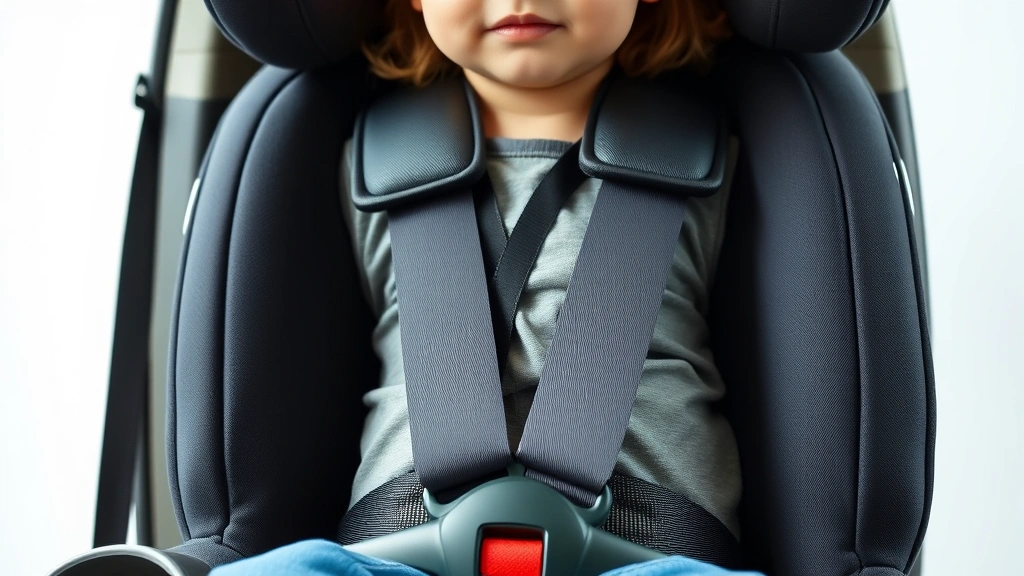
Overview of Michigan’s Updated Car Seat Requirements
Michigan’s child passenger safety laws establish mandatory requirements for securing children in motor vehicles. The state recognizes that proper car seat usage significantly reduces the risk of injury and death in traffic accidents. These regulations apply to all drivers transporting children on Michigan roadways, regardless of whether they are parents, guardians, or other caregivers.
The updated laws reflect recommendations from the National Highway Traffic Safety Administration (NHTSA), which provides evidence-based guidance on child passenger safety. Michigan’s regulations require that children be secured in appropriate restraint systems based on their age, height, and weight. Drivers who fail to comply with these requirements face traffic violations that can result in fines and points on their driving record.
Parents should understand that these laws are not merely suggestions but legal requirements with enforcement mechanisms. Law enforcement officers can stop vehicles and issue citations for improper child restraint. Additionally, failure to comply with car seat laws may be considered during custody evaluations in family law proceedings, as it demonstrates a parent’s commitment to child safety.
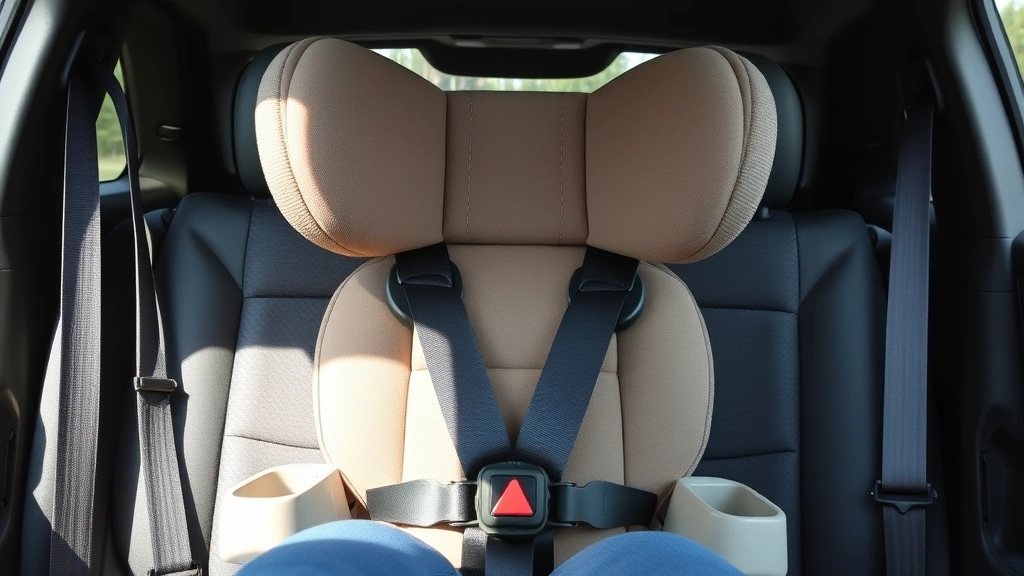
Rear-Facing Car Seat Laws
Michigan law requires infants and young children to ride in rear-facing car seats for as long as possible, consistent with the manufacturer’s specifications and weight limits. Rear-facing seats are significantly safer for young children because they support the head, neck, and spine during collisions, reducing the risk of severe injury.
Children must remain in rear-facing seats until they reach the maximum weight or height allowed by the car seat manufacturer. Current safety standards recommend keeping children rear-facing until at least age two, though many manufacturers allow rear-facing positioning until age three or four. Parents should check their specific car seat’s manual to determine when forward-facing transition is appropriate.
Rear-facing car seats must be properly installed in the back seat of the vehicle. The back seat is the safest location for all children under age 13. Installation must follow the manufacturer’s instructions precisely, and many parents benefit from having their car seats inspected by certified child passenger safety technicians. Improper installation can significantly reduce the seat’s protective effectiveness.
Forward-Facing Seat Requirements
Once children exceed the rear-facing weight and height limits, Michigan law requires forward-facing car seats with harnesses. These seats are designed for children who have outgrown their rear-facing seats but are not yet ready for booster seats. Forward-facing seats must be equipped with a five-point harness system that secures the child at the shoulders, hips, and between the legs.
Forward-facing car seats must be installed in the back seat and secured using either the vehicle’s seat belt or the lower anchors and tethers for children (LATCH) system. Many forward-facing seats also require an additional tether strap that attaches to the vehicle’s anchor points to reduce forward movement in crashes. Parents should ensure these tether straps are properly secured and not overlooked during installation.
Children should remain in forward-facing seats until they reach the maximum weight or height specified by the manufacturer. This typically occurs between ages four and seven, though individual variation is significant. Parents should not rush the transition to booster seats, as forward-facing seats with harnesses provide superior protection compared to booster seats for children who fit within their weight and height limits.
Booster Seat Regulations
Michigan requires children to use booster seats once they outgrow forward-facing car seats but before they are large enough to use adult seat belts safely. Booster seats position children so that the vehicle’s lap and shoulder belts fit properly across their bodies. Without a booster seat, adult seat belts can cause serious internal injuries to children during crashes because the belt may contact the abdomen or neck.
Booster seats come in two primary types: high-back boosters, which provide head and neck support, and backless boosters, which rely on the vehicle’s seat back for support. High-back boosters are generally recommended for vehicles without headrests or for parents who want additional side-impact protection. Both types must be used in the back seat of the vehicle.
The vehicle’s seat belt must be properly positioned across the child’s body when using a booster seat. The lap belt should lie low across the hips, not the stomach, and the shoulder belt should cross the middle of the chest and shoulder, not the neck or throat. Parents should verify this positioning before every trip, as improper belt placement significantly reduces protection in crashes.
Age, Height, and Weight Guidelines
Michigan law provides specific age, height, and weight thresholds for transitioning between different car seat types. However, parents should prioritize the most restrictive guideline—meaning they should keep children in their current seat type until they exceed all applicable limits, not just one.
Infants and Younger Children: Children from birth until at least age two, or until they exceed the car seat manufacturer’s weight or height limits, must use rear-facing seats. Many safety experts recommend rear-facing positioning until age three or four for maximum protection.
Forward-Facing Children: Children who have outgrown rear-facing seats but weigh less than 65 pounds or are under age eight should use forward-facing car seats with harnesses. Some forward-facing seats accommodate children up to 80 or 100 pounds, so parents should check their specific seat’s limits.
Booster Seat Requirements: Children who exceed forward-facing car seat limits but are under age eight, weigh less than 80 pounds, or are shorter than 4’9″ must use booster seats. Many children in the 8-12 age range still require booster seats if they have not reached the height and weight thresholds for safe adult seat belt use.
Adult Seat Belts: Children who are at least eight years old AND weigh at least 80 pounds AND are at least 4’9″ tall may transition to adult seat belts alone. However, children should continue riding in the back seat until age 13, as the back seat provides significantly better protection than the front seat.
Penalties for Non-Compliance
Michigan enforces child passenger safety laws through traffic citations and fines. A driver who violates car seat laws may receive a citation and be required to pay fines. The specific penalties can vary based on whether the violation is a first offense or a repeat violation, and whether the driver is cited in addition to other traffic infractions.
Initial violations typically result in fines ranging from $100 to $200, though this can increase with court costs and administrative fees. Repeat violations carry enhanced penalties, and patterns of non-compliance may result in increased fines and points on the driver’s license. Accumulating too many points can lead to license suspension or revocation.
Beyond traffic penalties, failure to comply with car seat laws may have consequences in family law matters. If parents are involved in custody disputes, evidence of non-compliance with safety laws can be presented to the court. Judges consider a parent’s commitment to child safety when making custody determinations, and consistent violations of car seat laws may negatively impact custody arrangements. Parents should review information about child support and custody considerations if they face such situations.
Exemptions and Special Circumstances
Michigan law provides limited exemptions to car seat requirements in specific circumstances. Understanding these exemptions is important for parents who may qualify, though exemptions should not be used as routine alternatives to proper car seat usage.
Medical Exemptions: A physician may provide a written exemption if a child has a medical condition that makes standard car seat use unsafe. For example, children with certain orthopedic conditions or burn injuries may require specialized seating arrangements. Any medical exemption must be documented and available for law enforcement to review.
Taxi and Ride-Share Services: Some jurisdictions provide limited exemptions for taxis and commercial ride-sharing services, though Michigan’s specific provisions should be verified with current regulations. Parents should still request appropriate car seats when using these services and should not assume exemptions apply.
Emergency Situations: While not a formal exemption, drivers are not expected to violate other traffic laws to comply with car seat requirements. However, this does not provide blanket permission to transport unrestrained children; it applies only to genuine emergencies where immediate transport is necessary.
Parents should not assume that exemptions apply to their situations without explicit documentation. When in doubt, they should consult with local law enforcement or child passenger safety technicians to understand their specific obligations.
Resources and Enforcement
Michigan provides resources to help parents understand and comply with car seat laws. The Michigan Department of State Police offers information about current regulations and child passenger safety best practices. Parents can find certified child passenger safety technicians through the Safe Kids organization, which provides free or low-cost car seat inspections and installation assistance.
Local health departments and community organizations often sponsor car seat safety events where parents can have seats inspected and properly installed. These inspections ensure that car seats are installed correctly according to manufacturer specifications, which is critical for optimal protection. Many parents discover during inspections that they were not installing seats as safely as they thought.
The Michigan Secretary of State website provides official information about traffic laws and child passenger safety requirements. Parents can also contact the National Highway Traffic Safety Administration’s hotline for specific questions about car seat selection and installation.
Law enforcement agencies in Michigan receive training on child passenger safety laws and enforcement procedures. Traffic stops may include inspection of car seat installation and compliance with age and weight requirements. Officers are authorized to issue citations for violations and may provide information about resources for improving compliance.
Understanding your rights if you receive a citation is important. If you believe a citation was issued incorrectly, you may contest it through the appropriate court. Parents facing traffic violations related to car seat non-compliance should consider consulting with an attorney who handles traffic matters to understand their options.
FAQ
What is the minimum age for using a booster seat in Michigan?
Michigan law requires booster seats for children who have outgrown forward-facing car seats but are under age eight, weigh less than 80 pounds, or are shorter than 4’9″. The specific age when a child can transition to a booster seat depends on their individual size and the weight limits of their forward-facing car seat.
Can my child sit in the front seat of the car?
Michigan law requires children under age 13 to ride in the back seat. The back seat is significantly safer for children because it is farther from the point of impact in frontal collisions and away from airbag deployment areas. Children should remain in the back seat regardless of whether they are using car seats, booster seats, or seat belts.
What should I do if my car seat is damaged or recalled?
If your car seat is damaged or subject to a manufacturer recall, it should not be used. Check the NHTSA recall database regularly for safety notices. Damaged seats cannot provide adequate protection, and recalled seats may have defects that compromise safety. Replace damaged or recalled seats with new ones that meet current safety standards.
How do I know if my car seat is installed correctly?
The best way to verify proper installation is to have a certified child passenger safety technician inspect your seat. These professionals receive specialized training and can identify installation errors that parents might miss. Many seats move more than an inch side-to-side or front-to-back when improperly installed, which reduces their protective effectiveness.
Are there consequences for car seat violations beyond fines?
Beyond traffic fines, car seat violations can affect custody arrangements and parental rights. Courts consider compliance with child safety laws when making custody determinations, and repeated violations may negatively impact a parent’s custody status. Additionally, violations may be considered evidence of inadequate child supervision in child protective services matters.
What if I cannot afford a car seat?
Many communities offer free or reduced-cost car seats through programs funded by government agencies and non-profit organizations. Contact your local health department or Safe Kids chapter to inquire about assistance programs. Some retailers also offer car seat trade-in programs where you can receive discounts on new seats when turning in old ones.
Do rental car companies provide appropriate car seats?
Rental car companies typically offer car seats for an additional fee, though you should verify that seats meet Michigan’s requirements and are properly installed. Many parents prefer to travel with their own car seats to ensure familiarity and proper installation. If you rent a car, request the appropriate seat type when making your reservation.


