Daylighting Parking Law: What Drivers Should Know
San Diego’s daylighting parking law is one of the most frequently violated traffic regulations in the city, yet many drivers remain unaware of what it means or why it exists. Daylighting refers to the practice of keeping a parking space clear near intersections and crosswalks to improve visibility and safety for pedestrians, cyclists, and drivers. When you park in a daylighted zone, you’re not just risking a parking ticket—you’re potentially creating a dangerous traffic situation that could lead to accidents and injuries.
Understanding San Diego’s daylighting law is essential for every driver in the city. This regulation has been in place for decades, but enforcement has intensified in recent years as the city prioritizes pedestrian safety and traffic management. Whether you’re a longtime resident or new to San Diego, knowing where you can and cannot park could save you money in fines and help prevent accidents in your community.
What Is Daylighting in Parking?
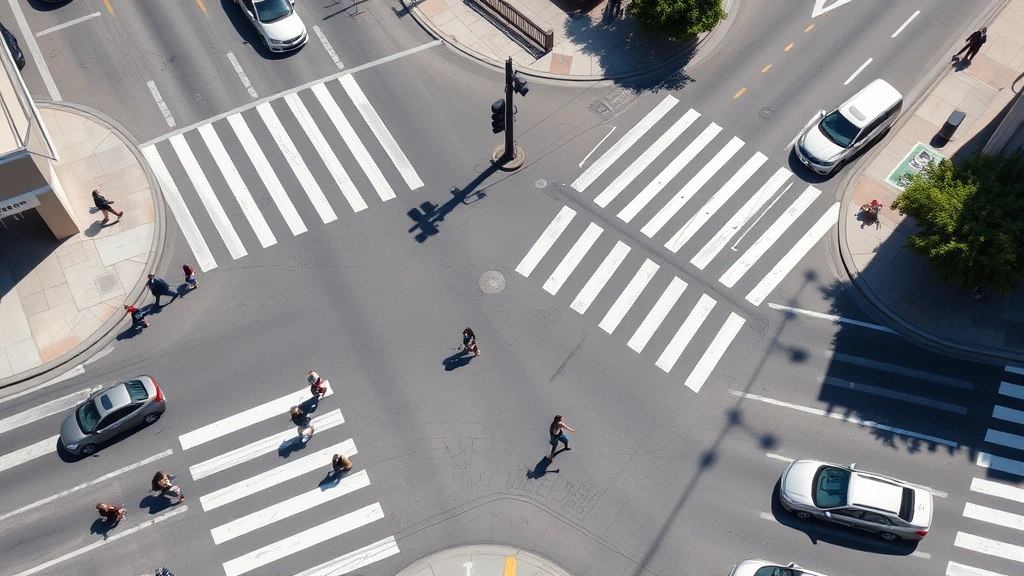
Daylighting is a traffic safety concept that involves keeping specific parking spaces empty to maintain clear sightlines at intersections, crosswalks, and other high-traffic areas. The term “daylighting” comes from the idea of keeping these areas illuminated and visible, free from obstructions that could hide pedestrians or cyclists from drivers’ views.
In practical terms, daylighting zones are designated areas where parking is prohibited, typically marked by painted curbs or signage. These zones serve a critical function in urban traffic management by ensuring that drivers can see pedestrians and cyclists before they enter the intersection, and vice versa. When a vehicle is parked in a daylighting zone, it creates a blind spot that increases the risk of collisions involving pedestrians, cyclists, and other vehicles.
The concept has been adopted by cities across the United States and internationally as a best practice for traffic safety. San Diego, like many progressive cities, has implemented strict daylighting policies to reduce accidents and fatalities in busy pedestrian areas. The regulation is particularly important in downtown San Diego, neighborhoods with high foot traffic, and near schools and transit stations.
San Diego’s Specific Daylighting Regulations
San Diego Municipal Code Section 42.0305 establishes the city’s daylighting requirements. According to this regulation, no person shall stop, park, or leave a vehicle standing in a daylighting zone at any time, including during hours when parking restrictions are typically relaxed. This means that unlike some other parking violations that may only apply during certain hours, daylighting violations can occur 24 hours a day, 7 days a week.
The standard daylighting zone in San Diego extends 25 feet from the corner in each direction on residential streets. However, this distance can vary depending on the location and local traffic conditions. In some high-traffic areas, daylighting zones may extend further to accommodate increased pedestrian activity and visibility needs. Commercial districts and areas near schools may have different measurements as well.
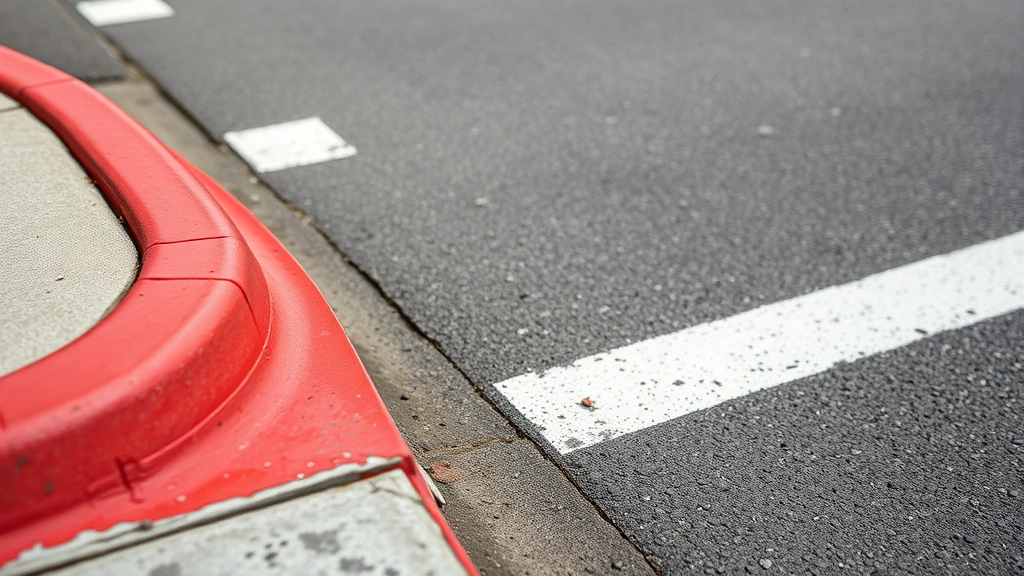
San Diego’s Transportation & Stormwater Department is responsible for establishing and maintaining daylighting zones throughout the city. The city uses a combination of painted curbs, signs, and street markings to indicate where daylighting zones are located. Red curbs are the most common indicator, though yellow and white curbs may also mark daylighting areas depending on the specific regulations for that location.
It’s important to note that daylighting regulations apply equally to all vehicles, regardless of whether they display a disabled parking placard or have special parking privileges. Even residents with designated parking permits in their neighborhoods must comply with daylighting restrictions. The only exception may be for official city vehicles or emergency vehicles actively responding to calls, though they still must follow traffic safety protocols.
Penalties and Fines for Daylighting Violations
Parking in a daylighting zone in San Diego can result in significant financial penalties. The base fine for a daylighting violation typically ranges from $65 to $100, depending on the specific circumstances and whether you have prior violations. However, the actual amount you pay may be higher when administrative fees and court costs are added.
If you receive a parking ticket for daylighting, you have several options. You can pay the fine in full, which constitutes an admission of guilt. You can request traffic school or a parking violation course, which may allow you to dismiss the ticket after successful completion. Alternatively, you can contest the ticket and request a hearing before a hearing officer or in traffic court.
Multiple violations within a certain timeframe can result in escalating penalties and potential suspension of your vehicle registration. Some drivers who accumulate unpaid parking violations in San Diego have found their vehicle registrations suspended or their vehicles subject to towing and impound procedures. Additionally, unpaid parking fines can affect your credit score and may be reported to collection agencies.
It’s worth noting that paying a parking ticket often means admitting to the violation, which can have implications beyond just the fine itself. This is why many drivers choose to appeal parking tickets or contest them in court, particularly if they believe the citation was issued in error or if they have legitimate defenses.
How to Identify Daylighting Zones
Learning to identify daylighting zones before you park is the best way to avoid violations. In San Diego, daylighting zones are marked in several ways:
- Red painted curbs: The most common indicator of a daylighting zone is a red painted curb. Red curbs universally indicate no parking at any time.
- Daylighting signs: Some zones feature blue signs with white text that explicitly state “No Parking – Daylighting Zone” or similar language.
- Street markings: Painted lines on the street may indicate the boundaries of daylighting zones.
- Yellow curbs: In some areas, yellow curbs indicate time-limited parking restrictions that may include daylighting zones.
Daylighting zones are typically located at the following types of intersections:
- Intersections with traffic signals and high pedestrian traffic
- Crosswalks at mid-block locations
- Intersections near schools, parks, and recreation centers
- Transit stops and stations
- Intersections on busy commercial streets
- Areas with limited visibility due to topography or existing structures
When driving through San Diego neighborhoods, take time to observe the curb markings and signage. This practice will help you develop an instinct for where daylighting zones are likely to be located. If you’re uncertain whether a particular spot is in a daylighting zone, it’s better to park elsewhere than risk a violation.
Why Daylighting Matters for Safety
Daylighting regulations exist for a fundamental reason: they save lives. When vehicles are parked in daylighting zones, they create blind spots that make it impossible for drivers to see pedestrians, cyclists, or other vehicles until it’s too late to avoid a collision. Studies have consistently shown that daylighting enforcement correlates with reduced pedestrian accident rates in urban areas.
The visibility problem is particularly acute at intersections, where multiple traffic streams converge. A parked car at the corner can obstruct a driver’s view of a pedestrian in the crosswalk, or it can hide a pedestrian from seeing an approaching vehicle. For cyclists, parked cars can also create the “dooring” hazard, where a driver or passenger opens a car door directly into the path of a cyclist.
San Diego’s commitment to daylighting enforcement reflects the city’s broader traffic safety goals, which include reducing serious injuries and fatalities in traffic accidents. The city has invested in Vision Zero initiatives, comprehensive safety programs designed to eliminate traffic deaths. Daylighting is one component of this larger safety strategy.
Pedestrians are particularly vulnerable in traffic accidents. In San Diego, pedestrian injuries and fatalities have been a concern, especially in dense urban neighborhoods and commercial districts. By maintaining clear daylighting zones, the city improves the ability of all road users to see each other and react appropriately. This is especially important for vulnerable populations like children, elderly residents, and people with visual impairments.
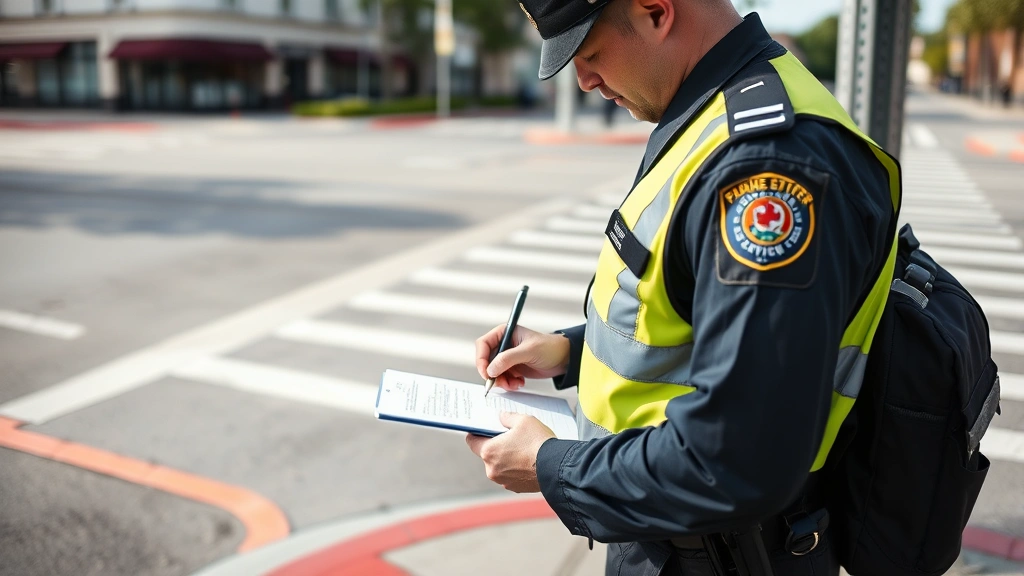
Challenging a Daylighting Parking Ticket
If you’ve received a daylighting parking ticket in San Diego, you have the right to contest it. Here are the steps you can take:
Request a Hearing
Within a specified timeframe after receiving your ticket (typically 21 days), you can request a hearing before a hearing officer. This hearing will be conducted by the San Diego Parking Violations Hearing Bureau. You can request a hearing by mail, online, or in person.
Gather Evidence
Before your hearing, collect any evidence that supports your defense. This might include photographs of the parking location, witness statements, or documentation showing that the daylighting zone was not properly marked. If you believe the citation was issued in error, gather any relevant information about the circumstances.
Prepare Your Defense
Common defenses to daylighting violations include:
- The daylighting zone was not clearly marked or visible
- You were parked legally but cited in error
- There were emergency circumstances that required you to park in the zone
- The parking enforcement officer made an error in identifying your vehicle
Attend Your Hearing
Present your case to the hearing officer. You can represent yourself or hire an attorney to represent you. The hearing officer will consider both the evidence presented by the parking enforcement agency and your defense before making a decision.
Appeal if Necessary
If you’re dissatisfied with the hearing officer’s decision, you may have the right to appeal to traffic court in San Diego. The appeals process allows you to present your case before a judge who can review the hearing officer’s decision.
It’s important to act quickly if you want to challenge a ticket. Missing deadlines can result in a default judgment against you, making it impossible to contest the violation later.
” alt=”Professional parking enforcement officer reviewing citation details at street corner with red curb marking visible” />
FAQ
What exactly is a daylighting zone in San Diego?
A daylighting zone is a designated area where parking is prohibited to maintain clear sightlines at intersections and crosswalks. These zones are typically marked with red curbs or signage and extend 25 feet from the corner in each direction on residential streets.
How much is a daylighting parking ticket in San Diego?
A daylighting parking ticket in San Diego typically costs between $65 and $100, though administrative fees and court costs may increase the total amount you owe.
Can I contest a daylighting parking ticket?
Yes, you can contest a daylighting parking ticket by requesting a hearing before the San Diego Parking Violations Hearing Bureau. You must request the hearing within the timeframe specified on your ticket, typically within 21 days.
What are the consequences of multiple daylighting violations?
Multiple daylighting violations can result in escalating fines, suspension of your vehicle registration, and potential towing and impound of your vehicle. Unpaid violations can also affect your credit score.
Are there any exceptions to daylighting rules?
Daylighting regulations apply to all vehicles at all times, including those with disabled parking placards. Emergency vehicles and official city vehicles may be exempt when actively responding to calls.
How can I identify a daylighting zone?
Daylighting zones are typically marked with red painted curbs, blue “No Parking – Daylighting Zone” signs, or street markings. They are commonly found at intersections with traffic signals, crosswalks, transit stops, and near schools.
Why does San Diego enforce daylighting laws so strictly?
San Diego enforces daylighting laws strictly because they are essential for pedestrian and traffic safety. Parked vehicles in daylighting zones create blind spots that increase the risk of accidents involving pedestrians, cyclists, and other vehicles.
Can I park in a daylighting zone during off-peak hours?
No. Daylighting zones are no-parking zones at all times, 24 hours a day, 7 days a week. Time-of-day restrictions do not apply to daylighting violations.
” alt=”Urban San Diego intersection with clear sightlines showing pedestrians crossing at crosswalk with traffic visible in background” />
Taking Daylighting Seriously
San Diego’s daylighting law reflects the city’s commitment to creating safer streets for all residents and visitors. While parking can be challenging in busy areas, understanding and respecting daylighting zones is essential for both legal compliance and public safety. By learning to identify these zones and parking responsibly, you can avoid costly tickets while contributing to a safer community.
If you do receive a daylighting parking ticket, remember that you have the right to contest it. Whether you choose to pay the fine, request a hearing, or pursue other options depends on your specific circumstances. For more information about your rights and options, consider consulting with a traffic attorney or reviewing resources from the City of San Diego Parking Division, the California Courts website, or the State Bar of California.


