
Probate law represents one of the most complex and emotionally charged areas of legal practice. When a loved one passes away, their estate must navigate through the probate system—a process that can take months or even years to complete. Understanding how probate works, the role of attorneys in this process, and what to expect can significantly reduce stress during an already difficult time. This comprehensive guide explores probate law from the perspective of experienced legal professionals who handle these matters daily.
The probate process involves validating a deceased person’s will, inventorying their assets, paying debts and taxes, and distributing remaining property to heirs or beneficiaries. Without proper legal guidance, families may face unnecessary delays, unexpected tax consequences, or disputes among beneficiaries. An experienced probate attorney serves as a crucial guide through this intricate legal landscape, ensuring compliance with state laws and protecting the interests of all parties involved.
What is Probate and Why Does It Matter
Probate is the legal process through which a deceased person’s estate is administered and distributed. The term comes from the Latin word “probare,” meaning to prove. Essentially, probate proves the validity of a will and ensures that the deceased’s wishes are carried out according to law. This process provides a structured framework for settling the decedent’s affairs, protecting creditors’ rights, and safeguarding beneficiaries’ interests.
The probate system exists for several important reasons. First, it provides a mechanism for validating wills and ensuring they meet all legal requirements. Second, it creates a transparent process where creditors can make claims against the estate. Third, it prevents fraud and ensures that assets are distributed fairly according to either the will or state intestacy laws. Without probate, there would be no clear legal pathway for transferring property ownership after death, leading to potential disputes and uncertainty.
Not all assets go through probate. Property held in joint tenancy, assets with designated beneficiaries (like life insurance or retirement accounts), and property in a living trust typically bypass the probate process. However, most other assets—real estate, bank accounts, vehicles, and personal property—must go through probate if they’re titled solely in the deceased’s name. Understanding which assets require probate is essential for effective estate planning.
The significance of probate extends beyond mere legal procedure. It affects how quickly heirs receive their inheritance, how much of the estate goes to taxes and fees rather than beneficiaries, and whether family disputes can escalate into costly litigation. This is why working with a knowledgeable probate attorney from the outset makes such a significant difference in outcomes.
The Probate Process: Step-by-Step Overview
The probate process, while varying by state, generally follows a consistent framework. Understanding these steps helps families know what to expect and when to seek legal assistance. The process typically begins immediately after death and can extend for six months to several years, depending on complexity.
Filing the Initial Petition: The first step involves filing the will and a petition with the probate court in the county where the deceased resided. This petition requests that the court admit the will to probate and appoint an executor or personal representative. The executor is responsible for managing the estate throughout the probate process. If there’s no will, the court will follow state intestacy laws to determine who inherits and appoint an administrator.
Notifying Interested Parties: Once the petition is filed, the court requires notification of all interested parties—beneficiaries named in the will, heirs under state law, and potential creditors. This notification period, typically 30 to 60 days, allows anyone with concerns to file objections or claims against the estate.
Inventory and Appraisal: The executor must compile a complete inventory of all estate assets and obtain appraisals for significant items. This inventory becomes part of the official probate record and is crucial for calculating estate taxes and ensuring proper distribution.
Paying Debts and Taxes: Before beneficiaries receive anything, the estate must pay valid creditor claims, funeral expenses, and taxes. This includes income taxes owed by the deceased, estate taxes if applicable, and any outstanding debts. An experienced probate attorney helps identify which debts are valid and ensures they’re paid in the correct order of priority.
Distributing Assets: After all debts and taxes are settled, the remaining assets are distributed to beneficiaries according to the will or state law. This distribution typically requires court approval and the filing of final accountings.
The Role of a Probate Attorney
Probate attorneys serve multiple critical functions throughout the estate administration process. Their expertise helps avoid costly mistakes, accelerates the timeline, and provides peace of mind to grieving families. Understanding what a probate attorney does clarifies why their involvement is often essential.
Case Assessment and Strategy: An experienced probate attorney first evaluates the estate’s complexity, potential tax implications, and likelihood of disputes. They develop a strategy tailored to the specific situation, whether that involves streamlined probate procedures or contested matters requiring litigation.
Document Preparation and Filing: Probate involves extensive documentation—petitions, inventories, accountings, and distribution orders. Attorneys ensure all documents are properly prepared, filed with the court, and served on interested parties. One missed deadline or incorrectly completed form can delay the entire process.
Creditor and Tax Management: Probate attorneys work with tax professionals to ensure the estate files all necessary tax returns and pays taxes correctly. They also manage creditor claims, determining which claims are valid and ensuring proper payment according to state law priorities.
Dispute Resolution: When beneficiaries disagree about the will’s validity, asset distribution, or executor conduct, probate attorneys represent their clients’ interests. This may involve negotiation, mediation, or litigation. Understanding the nuances of common law marriage and other family law matters sometimes becomes relevant in probate disputes involving spousal rights.
Estate Planning Consultation: Many probate attorneys also provide estate planning advice to help families avoid probate complications in the future. This includes discussing wills, trusts, and other planning mechanisms.
A skilled probate attorney from a firm like Shane Smith Law understands not just the legal requirements but also the human dimensions of estate administration. They recognize that probate is often emotionally charged and work to facilitate smooth transitions while protecting their clients’ interests.
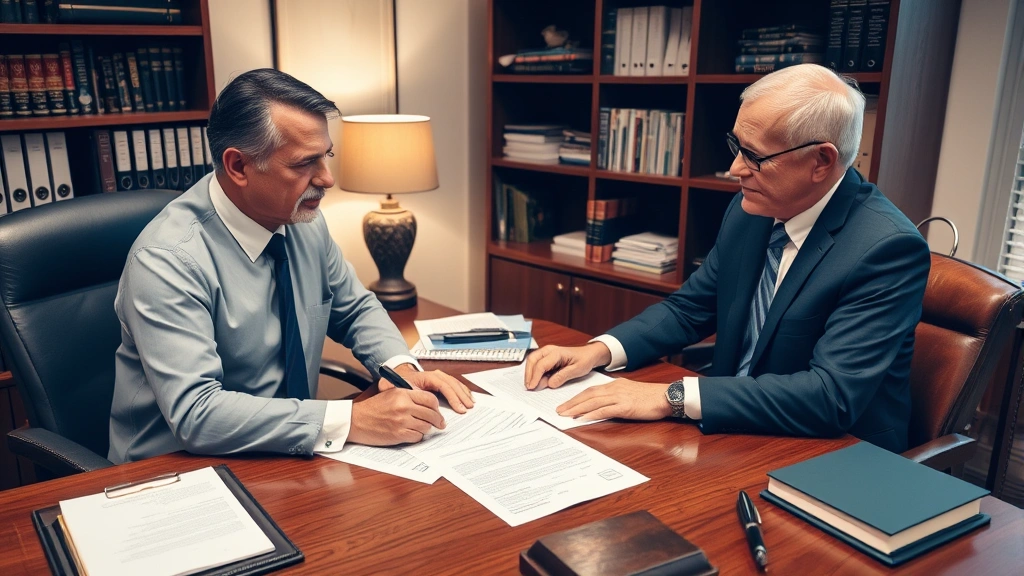
” alt=”Probate attorney reviewing estate documents at desk with client”/>
Common Probate Challenges and Solutions
Despite best intentions, probate processes frequently encounter obstacles. Recognizing common challenges helps families prepare and seek appropriate legal solutions.
Will Contests: Disputes over a will’s validity represent one of the most serious probate challenges. Beneficiaries may claim the will was executed under undue influence, lack of testamentary capacity, or improper execution. Probate attorneys help defend valid wills or establish grounds for contesting invalid ones.
Executor Disputes: Conflicts between the named executor and beneficiaries, or disputes among multiple executors, can derail the probate process. Attorneys help mediate these disputes or seek court intervention when necessary.
Tax Complications: Large estates may face federal estate taxes, state inheritance taxes, and income tax issues. Improper tax handling can devastate an estate’s value. This is why collaboration between probate attorneys and tax professionals is essential.
Asset Location and Valuation: Sometimes estates include hidden assets or assets difficult to value. Digital assets, cryptocurrency, international property, and valuable collections require specialized expertise. Probate attorneys work with appraisers and investigators to locate and properly value all estate assets.
Creditor Claims: Managing creditor claims requires careful attention to state law procedures and timelines. Invalid claims must be disputed, while valid claims must be paid appropriately. Understanding the priorities—funeral expenses, administration costs, taxes, and general creditor claims—is crucial.
Family Conflict: Grief and financial interests sometimes create family tensions that complicate probate. Attorneys help mediate disputes and, when necessary, represent individual family members’ interests in court.
Interestingly, some probate complications arise from incomplete estate planning. Understanding concepts like what states have common law marriage becomes relevant when determining who qualifies as a spouse for inheritance purposes. Similarly, knowledge of Ohio divorce laws and other state-specific regulations helps probate attorneys navigate jurisdiction-specific issues.
Avoiding Probate: Alternative Estate Planning Strategies
While probate serves important functions, many individuals prefer to minimize or avoid it entirely. Several strategies accomplish this goal, and a comprehensive estate plan typically incorporates multiple approaches.
Revocable Living Trusts: A revocable living trust allows individuals to transfer assets into a trust during their lifetime while maintaining control. Upon death, assets transfer to beneficiaries without probate. This strategy provides privacy, avoids probate delays, and can protect assets if the grantor becomes incapacitated.
Joint Tenancy and Transfer on Death: Property held in joint tenancy with right of survivorship automatically passes to the surviving owner outside probate. Many states also allow “transfer on death” designations for real estate and vehicles, accomplishing similar results.
Beneficiary Designations: Life insurance, retirement accounts (IRAs, 401(k)s), and some bank accounts allow direct beneficiary designations. These assets pass directly to named beneficiaries regardless of what the will states, completely bypassing probate.
Payable on Death Accounts: Many financial institutions offer payable-on-death (POD) accounts that transfer funds directly to designated beneficiaries upon the account holder’s death.
Gifts During Lifetime: Strategic gifting during life reduces the taxable estate and can provide benefits to family members when needed. Annual gift tax exclusions allow individuals to give substantial amounts tax-free each year.
The most effective estate plan combines multiple strategies tailored to individual circumstances, family dynamics, and financial goals. An experienced estate planning attorney evaluates these options and recommends the approach that best serves the client’s interests.
State-Specific Probate Considerations
Probate law varies significantly by state, making jurisdiction-specific knowledge essential. Each state has different timelines, procedures, costs, and tax implications. What works well in one state may be inefficient or inappropriate in another.
Community property states like California, Texas, and Arizona have different probate rules than common law property states. Community property automatically belongs to both spouses, affecting how probate proceeds and how assets are distributed. Understanding California laws and July 1 changes becomes important for those with California property, as state legislation frequently modifies probate procedures.
Some states offer simplified probate procedures for small estates, allowing families to avoid full probate proceedings entirely. The threshold for “small estate” varies dramatically—from $5,000 in some states to $100,000 or more in others. Understanding whether an estate qualifies for simplified procedures can save significant time and money.
State-specific tax considerations also matter tremendously. Some states impose inheritance taxes, while others don’t. Some states tax larger estates differently than federal law. These variations require attorneys familiar with specific state requirements.
Additionally, states differ in how they handle intestate succession—the rules determining who inherits when there’s no valid will. Some states prioritize surviving spouses heavily, while others distribute more equally among all heirs. These distinctions significantly affect family dynamics and potential disputes.
Costs and Timeline Expectations
Understanding probate costs and timelines helps families plan financially and set realistic expectations. These factors vary widely based on estate complexity, location, and whether disputes arise.
Typical Timeline: Simple estates with clear wills and no disputes often complete probate in six to twelve months. More complex estates may take two to three years or longer. Disputed matters can extend timelines dramatically. Factors affecting timeline include court schedules, the number of assets, creditor claims, and any contested issues.
Attorney Fees: Probate attorneys typically charge either hourly rates or flat fees depending on the matter’s complexity. Hourly rates for probate work generally range from $150 to $400+ per hour, depending on the attorney’s experience and location. Some attorneys charge flat fees for straightforward probate matters, while complex estates require hourly billing. Always request a fee agreement in writing before engaging an attorney’s services.
Court Costs: Filing fees, publication costs, and other court-related expenses vary by state but typically range from $500 to $2,000 for straightforward cases. Contested matters involving litigation incur substantially higher costs.
Appraisal and Professional Fees: Estates often require professional appraisals for real estate, business interests, or valuable personal property. Tax professionals may charge additional fees for preparing estate and income tax returns. These costs vary based on the estate’s complexity.
Avoiding Unnecessary Costs: Proper estate planning before death can significantly reduce probate costs. Trusts, joint tenancy arrangements, and beneficiary designations minimize the assets requiring probate administration. Additionally, clear instructions and organized records reduce attorney time spent locating and cataloging assets.
The total cost of probate typically ranges from 3% to 7% of the estate’s value, though this varies considerably based on factors mentioned above. This is why many individuals work with attorneys to implement probate-avoidance strategies during their lifetime.

” alt=”Professional woman in business attire reviewing estate planning documents”/>
FAQ
What happens if someone dies without a will?
If someone dies without a valid will (intestate), state intestacy laws determine how assets are distributed. These laws typically prioritize surviving spouses and children, then other relatives in a specific order. The probate court appoints an administrator to manage the estate. While this process follows a predetermined formula, it often doesn’t align with what the deceased would have wanted, which is why having a will is so important.
How long does probate typically take?
Simple probate cases typically take six to twelve months, while more complex estates may require two to three years or longer. Disputed matters can extend timelines significantly. The timeline depends on court schedules, estate complexity, the number of assets, tax issues, and whether any parties contest the will or distribution.
Can probate be avoided entirely?
Yes, through proper estate planning. Revocable living trusts, joint tenancy arrangements, beneficiary designations, and payable-on-death accounts can allow most or all assets to pass outside probate. However, some assets typically remain subject to probate unless specifically planned otherwise. An estate planning attorney can design a strategy to minimize or eliminate probate for your specific situation.
What is the executor’s responsibility?
The executor (also called a personal representative) manages the estate throughout probate. Responsibilities include locating and inventorying assets, notifying beneficiaries and creditors, paying bills and taxes, and distributing remaining assets according to the will or law. Executors have a fiduciary duty to act in the estate’s and beneficiaries’ best interests, and they may face liability for breaching this duty.
What can I do if I disagree with how the executor is managing the estate?
If you believe the executor is mismanaging the estate, breaching fiduciary duties, or acting improperly, you can petition the court for relief. This might involve requesting the executor’s removal, seeking an accounting of their actions, or pursuing damages for improper conduct. An attorney can help you understand your rights and pursue appropriate action. Understanding how to file a complaint against a lawyer helps if the executor’s attorney is acting improperly.
Are estate taxes a significant concern?
Estate taxes primarily affect larger estates. The federal estate tax exemption is currently quite high (over $12 million per individual), so most estates don’t owe federal taxes. However, some states impose inheritance or estate taxes with lower thresholds. Additionally, large estates may face income tax issues. A probate attorney working with a tax professional can develop strategies to minimize tax liability.
What documents do I need for probate?
Essential documents include the original will, death certificate, property deeds, bank statements, investment account statements, life insurance policies, and any trust documents. Additionally, you’ll need information about debts, including mortgages, loans, and credit cards. The more organized these documents are, the smoother the probate process will be.
Can beneficiaries challenge the will?
Yes, beneficiaries or other interested parties can challenge a will’s validity on grounds such as undue influence, lack of testamentary capacity, improper execution, or fraud. However, challenges must be filed within specific timeframes (typically 30-60 days after notification) and require substantial evidence. An attorney can help you understand whether you have valid grounds for challenging a will.


