
What Is Statutory Law? Legal Definition Explained
Statutory law forms the backbone of modern legal systems across the United States and most democratic nations. Unlike common law, which develops through judicial decisions and precedent, statutory law consists of written rules enacted by legislative bodies—Congress, state legislatures, and local governments. Understanding statutory law is essential for anyone navigating the legal landscape, whether you’re a business owner, employee, or concerned citizen.
When legislators pass bills that become law, they create statutes that govern everything from traffic regulations to corporate governance. These written laws provide clarity, predictability, and uniformity across jurisdictions. They address specific conduct, establish penalties for violations, and create rights and obligations for individuals and organizations. The statutory law definition encompasses all codified legislation that has been formally enacted through proper legislative procedures.
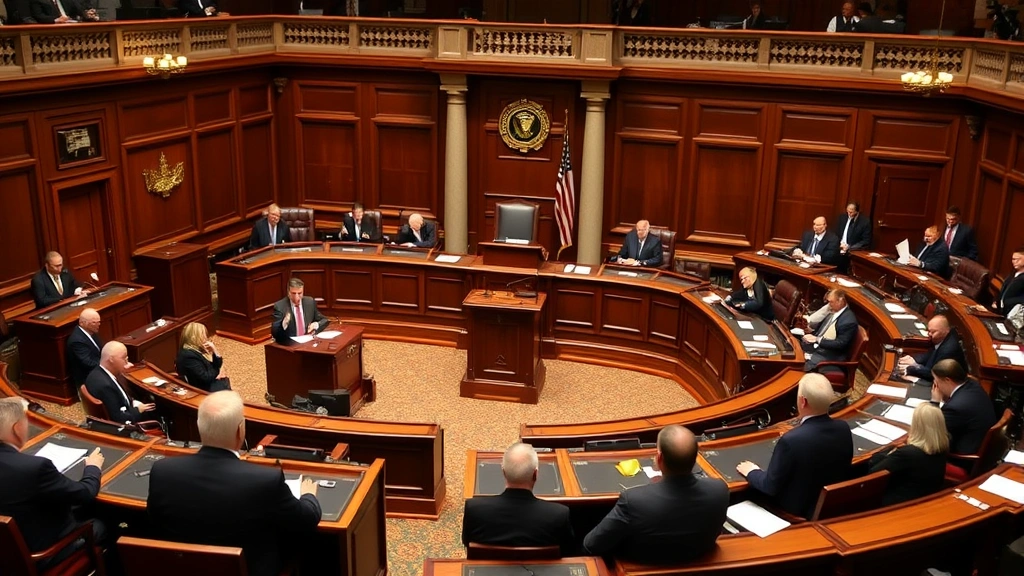
Statutory Law Definition and Core Concepts
Statutory law is formally defined as the body of law created by legislative bodies through the enactment of statutes or codes. A statute is a written law passed by a legislature and signed by the executive authority (such as a president or governor). These laws are organized into legal codes—comprehensive compilations of statutes organized by subject matter. For example, the United States Code (U.S.C.) contains all federal statutes, while each state maintains its own code of statutes.
The fundamental characteristic of statutory law is its written nature and formal enactment process. Unlike traditions or unwritten customs, statutory law must go through specific legislative procedures: introduction, committee review, debate, voting, and executive approval. This formal process ensures public participation through elected representatives and creates a clear record of legislative intent.
Statutory law operates under the principle of legality, meaning that conduct is only illegal if a statute explicitly prohibits it. This contrasts with common law systems where courts can establish legal principles through decisions. The written requirement provides notice to the public about what conduct is permitted or prohibited, which is a cornerstone of due process rights.
Statutory laws establish both civil and criminal liability, defining offenses and their corresponding penalties. They also create procedural rules for how courts operate, how evidence is admitted, and how trials are conducted. Administrative statutes authorize government agencies to create regulations, which implement the broader statutory framework.

How Statutory Law Differs from Other Legal Systems
The American legal system is a hybrid that combines statutory law with common law principles. Understanding these distinctions clarifies why statutory law matters and how it interacts with other legal sources.
Statutory Law vs. Common Law: Common law develops through court decisions and judicial precedent. When judges decide cases, their reasoning becomes binding authority for lower courts. Statutory law, by contrast, is created legislatively and interpreted by courts. A statute provides the primary rule, while court decisions interpreting that statute provide secondary guidance. Many states have weird laws that originated as statutes but are rarely enforced, demonstrating how statutory law can persist even when public opinion shifts.
Statutory Law vs. Constitutional Law: Constitutions establish the framework for government and protect fundamental rights. Statutory laws must comply with constitutional requirements. If a statute violates constitutional protections, courts can declare it unconstitutional and void. The U.S. Constitution is the supreme law of the land, and all statutes must align with its provisions and the rights it guarantees.
Statutory Law vs. Administrative Regulations: Legislatures often delegate authority to administrative agencies to create detailed regulations implementing statutory requirements. For example, the Environmental Protection Agency creates regulations implementing environmental statutes. These regulations have the force of law but derive their authority from statutes. If a regulation exceeds the statutory authority granted to an agency, courts can invalidate it.
Statutory Law vs. Case Law: Case law refers to judicial decisions in reported court cases. While statutes are the primary source of law, courts interpret statutes when disputes arise. These interpretations become part of the legal landscape and influence how statutes are understood and applied. However, legislatures can override judicial interpretations by amending statutes.
Sources and Creation of Statutory Law
Statutory law originates exclusively from legislative bodies authorized to enact laws. In the United States, these include the federal Congress, state legislatures, and local governmental bodies such as city councils and county commissions.
Federal Statutory Law: Congress creates federal statutes that apply nationwide. These laws address matters of national importance, interstate commerce, federal crimes, and activities regulated under federal authority. Federal statutes are codified in the United States Code (U.S.C.), organized into fifty titles by subject matter. Examples include tax law, bankruptcy law, patent law, and civil rights statutes.
State Statutory Law: Each state legislature enacts statutes governing matters within state authority. These include state criminal codes, family law, property law, contract law, and business regulations. State statutes are codified in state codes with titles like “California Penal Code” or “Texas Family Code.” State laws can be more restrictive than federal law but cannot conflict with federal statutes or the U.S. Constitution.
Local Ordinances: Cities, towns, and counties enact ordinances (local statutes) addressing local concerns. These include zoning regulations, building codes, traffic ordinances, and local business licensing requirements. Local ordinances must comply with state and federal law.
The legislative process for creating statutory law involves multiple steps. A legislator introduces a bill, which is assigned to a committee for review and hearings. The committee may amend the bill before recommending it to the full legislature. The legislature debates the bill, amendments may be offered, and members vote. If the bill passes, it goes to the executive (president or governor) who can sign it into law, veto it, or allow it to become law without a signature. If vetoed, the legislature may override the veto with a supermajority vote.
Types of Statutory Law
Statutory laws can be categorized in several ways based on their purpose, subject matter, and application.
Criminal Statutes: These define crimes and establish penalties for criminal conduct. Criminal statutes describe prohibited conduct with specificity so that individuals have fair notice of what is illegal. Examples include statutes prohibiting murder, theft, assault, and drug possession. Arizona gun laws exemplify how statutes regulate specific conduct in detail, establishing what weapons are legal, licensing requirements, and prohibited uses.
Civil Statutes: These establish rules for disputes between private parties and remedies available when rights are violated. Contract law, property law, family law, and tort law statutes all fall into this category. Civil statutes establish procedures for resolving disputes, such as through small claims court for minor disputes.
Regulatory Statutes: These authorize government agencies to create and enforce regulations governing specific industries or activities. Environmental protection, workplace safety, food and drug safety, and financial regulation statutes all delegate regulatory authority to agencies.
Procedural Statutes: These establish rules for how courts operate, how cases are filed, how evidence is presented, and how judgments are enforced. Rules of Civil Procedure and Rules of Criminal Procedure are procedural statutes that govern litigation processes.
Substantive Statutes: These create legal rights and obligations. They define what conduct is permitted or prohibited and establish consequences for violations. Most criminal and civil statutes are substantive in nature.
Examples of Statutory Law in Daily Life
Statutory law affects nearly every aspect of daily life, though most people don’t consciously recognize it. Understanding these examples illustrates why statutory law matters.
Employment Law: Minimum wage statutes establish the lowest hourly wage employers must pay. Overtime statutes require premium pay for hours exceeding forty per week. Anti-discrimination statutes prohibit employment decisions based on protected characteristics. Workers’ compensation statutes provide benefits when employees are injured. Family and Medical Leave Act statutes guarantee unpaid leave for specified circumstances.
Consumer Protection: Truth in Lending statutes require lenders to disclose interest rates and terms clearly. Consumer Product Safety statutes establish standards for product safety. Warranty statutes define what warranties sellers must provide. Fraud statutes protect consumers from deceptive practices.
Traffic and Driving: Vehicle code statutes establish speed limits, licensing requirements, and rules of the road. DUI statutes prohibit driving under the influence and establish penalties. Insurance statutes require drivers to maintain liability coverage. These statutes exist in every state and are among the most frequently violated laws.
Housing and Property: Landlord-tenant statutes establish rights and responsibilities for both parties. Fair Housing statutes prohibit discrimination in housing. Property tax statutes establish how property is valued and taxed. Homestead exemption statutes protect primary residences from creditors in some circumstances.
Family Law: Marriage and divorce statutes establish procedures and requirements. Child support and custody statutes establish parental obligations. Adoption statutes govern the adoption process. Domestic violence statutes provide protection orders and establish criminal penalties.
Even silly laws in states demonstrate how statutes can address unusual conduct, whether practical or purely historical curiosities that remain on the books.
Statutory Law Interpretation and Application
While statutes are written laws, their application often requires interpretation. Courts must determine what statutes mean when their language is ambiguous or when parties dispute how a statute applies to specific facts.
Plain Language Rule: Courts begin by reading statute language as it appears. If the language is clear and unambiguous, courts apply the statute according to its plain meaning without looking beyond the text. This approach respects legislative authority and provides predictability.
Legislative Intent: When statutory language is ambiguous, courts consider legislative intent—what the legislature intended the statute to accomplish. Courts examine legislative history, including committee reports, floor debates, and sponsor statements, to understand the statute’s purpose.
Statutory Context: Courts consider how a statute fits within the broader statutory scheme. Statutes addressing related subjects should be interpreted consistently. Courts presume that legislature uses terminology consistently throughout the legal code.
Purposive Interpretation: Some courts look to the statute’s overall purpose and interpret ambiguous language in ways that advance that purpose. This approach is more flexible than plain language interpretation but requires careful judicial reasoning.
Canons of Construction: Courts apply traditional rules (canons) for interpreting statutes. For example, the rule of lenity requires that ambiguous criminal statutes be interpreted in favor of defendants. The expressio unius canon suggests that listing specific items implies exclusion of unlisted items.
Interpretation disputes sometimes lead to litigation where courts must decide what a statute means. These court decisions interpreting statutes become part of the legal landscape and guide future application of the statute.
Federal vs. State Statutory Law
The American federal system divides authority between federal and state governments, resulting in different statutory schemes at each level.
Federal Authority: The U.S. Constitution grants Congress authority over specific matters: interstate commerce, taxation, bankruptcy, patents and copyrights, federal crimes, and other enumerated powers. Federal statutes regulate activities that have interstate or international dimensions. Federal criminal statutes address crimes affecting federal interests, such as bank robbery, kidnapping across state lines, and terrorism.
State Authority: States retain authority over matters not delegated to the federal government. States regulate property, contracts, family relationships, most crimes, business formation, and professional licensing. State statutes are often more detailed and address local concerns. States can create more restrictive rules than federal law but cannot create less restrictive rules that conflict with federal law.
Supremacy Clause: The U.S. Constitution’s Supremacy Clause establishes that federal law is supreme. When federal and state statutes conflict, federal law prevails. State courts must follow federal constitutional and statutory law. This principle prevents states from undermining federal authority in areas where Congress has acted.
Preemption: Federal statutes sometimes preempt state law, meaning Congress intends federal law to be the exclusive regulation of a subject. Preemption can be explicit (the statute says so), implied (federal regulation is so comprehensive that state law is inconsistent), or by conflict (state law makes it impossible to comply with federal law).
Concurrent Authority: Sometimes both federal and state governments regulate the same subject. For example, both federal and state laws address environmental protection, antitrust, and labor relations. When authority is concurrent, both statutes can apply, provided they don’t conflict. Individuals and businesses must comply with both federal and applicable state requirements.
Understanding which level of government has authority is crucial because it determines which statutes apply. Someone charged with a crime needs to know whether they face federal or state prosecution. A business must comply with applicable federal and state regulations.
FAQ
What is the difference between a statute and a law?
In common usage, “statute” and “law” are often used interchangeably. Technically, “law” is a broader term encompassing statutes, constitutional law, common law, and administrative regulations. A “statute” specifically refers to a written law enacted by a legislature. All statutes are laws, but not all laws are statutes.
Can statutory law be changed?
Yes, statutory law can be changed through the legislative process. The legislature that enacted a statute can amend or repeal it. Additionally, if courts find that a statute violates the constitution, they can declare it unconstitutional and void. Legislatures frequently amend statutes to address changed circumstances, new technology, or perceived problems with how the statute has been applied.
How do courts interpret statutes when language is unclear?
Courts use several interpretive methods when statutory language is ambiguous. They begin with plain language meaning, then consider legislative intent by examining legislative history. They look at how the statute fits within the broader legal scheme and apply traditional canons of construction. In criminal cases, ambiguous statutes are interpreted in favor of defendants under the rule of lenity.
What happens if a statute is unconstitutional?
If a court determines that a statute violates the U.S. Constitution or state constitution, the court declares the statute unconstitutional. The statute is void and cannot be enforced. However, the legislature may attempt to draft a new statute that addresses the constitutional defect. For example, if a statute’s language is too vague, the legislature might enact a more precisely worded statute addressing the same conduct.
Are administrative regulations the same as statutory law?
Administrative regulations are not statutory law, but they derive authority from statutes. Legislatures enact statutes that authorize administrative agencies to create detailed regulations implementing the statute. These regulations have the force of law within the agency’s delegated authority. However, if a regulation exceeds the authority granted by statute, courts can invalidate it.
How do I find and research statutory law?
Federal statutes are available through the U.S. Code website, maintained by Congress. State statutes are available through each state legislature’s website or through legal research databases. Justia provides free access to federal and state statutes. Legal professionals use subscription databases like Westlaw and LexisNexis for comprehensive research and case law interpretation of statutes.
Can local ordinances conflict with state or federal law?
Local ordinances must comply with state and federal law. If a local ordinance conflicts with state or federal statutory law, the local ordinance is void. For example, a city cannot enact an ordinance permitting conduct that state law prohibits. However, local governments can enact ordinances that are more restrictive than state or federal law, such as local gun regulations that are stricter than state law allows.


