
Understanding Texas Cottage Food Law: Lawyer Insights
Texas cottage food law represents a unique intersection of entrepreneurial opportunity and regulatory compliance that small food producers must navigate carefully. This legislation allows certain individuals to prepare non-potentially hazardous foods in their home kitchens for sale to consumers, creating pathways for culinary entrepreneurs to launch businesses with minimal overhead. However, the rules governing what can be produced, how it must be labeled, and where it can be sold are specific and require thorough understanding to avoid legal complications.
The Texas Department of State Health Services (DSHS) oversees these regulations, which have evolved significantly to support small-scale food operations while maintaining public health standards. Whether you’re considering starting a home-based food business or already operating in this space, understanding the legal framework is essential to your success and compliance. This comprehensive guide explores the critical aspects of Texas cottage food law through a legal lens, providing insights into regulations, requirements, and best practices for food entrepreneurs.
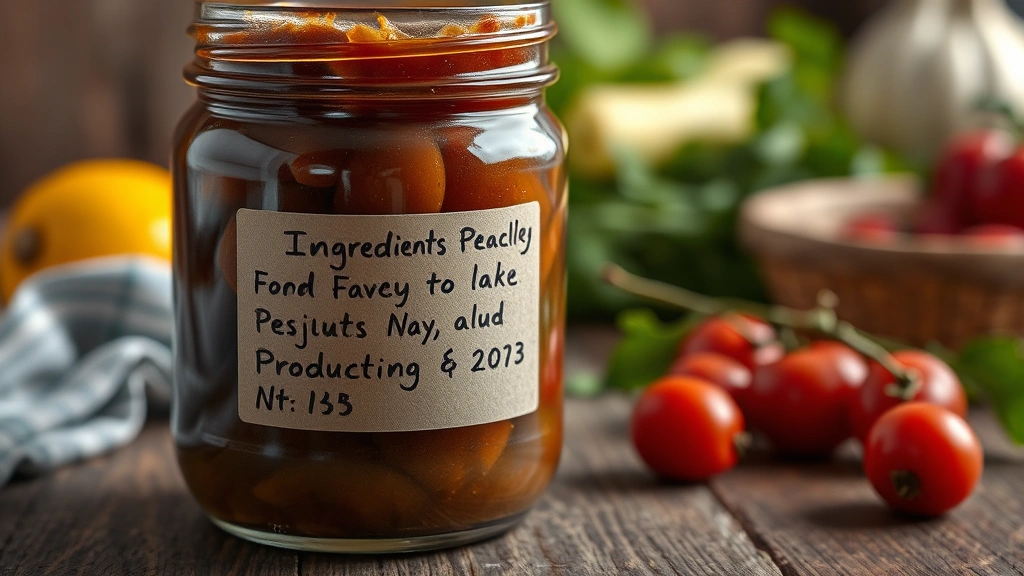
What is Texas Cottage Food Law?
Texas cottage food law, formally codified in the Texas Health and Safety Code, permits certain non-potentially hazardous foods to be manufactured in a person’s home kitchen without commercial licensing or inspection. This exemption, sometimes referred to as the “home kitchen operation exemption,” recognizes that many traditional foods pose minimal food safety risks when prepared in clean, sanitary conditions. The law represents a balance between supporting small food entrepreneurs and protecting public health.
The legal framework distinguishes between foods that require commercial preparation facilities and those that can safely be made at home. Foods classified as non-potentially hazardous—those that don’t require refrigeration and have low moisture content—fall under this exemption. Understanding this distinction is fundamental to legal compliance. As a food entrepreneur, you must verify that your intended product qualifies before beginning production in your home kitchen.
Texas law allows home-based food operations to sell their products directly to consumers under specific conditions. This direct-to-consumer model has enabled thousands of Texans to launch food businesses with significantly lower startup costs compared to those requiring commercial kitchen facilities. However, the exemption comes with specific restrictions regarding production methods, product types, sales venues, and labeling requirements that must be meticulously followed.
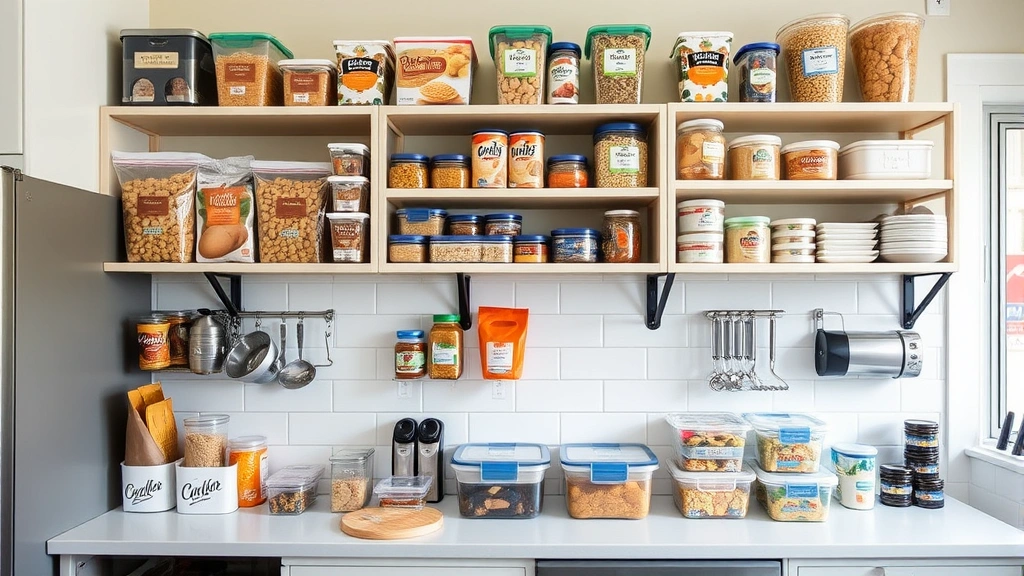
Eligible Foods Under Texas Regulations
Not all foods qualify for home kitchen preparation under Texas cottage food law. The regulations maintain a comprehensive list of approved products, which generally includes non-potentially hazardous items that are shelf-stable or require minimal processing. Understanding which foods qualify is the first critical step in determining whether your business concept aligns with legal requirements.
Approved food categories under Texas regulations typically include:
- Baked goods (breads, cookies, cakes, pastries without cream fillings)
- Dried herbs and herb blends
- Jams, jellies, and preserves made with proper acid levels
- Dried pasta and noodles
- Granola and cereal mixes
- Coffee and tea blends
- Spice blends and seasonings
- Dried fruits and vegetables
- Nut butters (under specific conditions)
- Popcorn and roasted nuts
- Candy and confections (non-potentially hazardous)
- Salsa and pickled vegetables (meeting pH requirements)
The key criterion for eligibility is that foods must be non-potentially hazardous, meaning they do not support the growth of harmful bacteria or pathogens. This generally excludes foods requiring refrigeration, foods with high moisture content, and products containing meat, dairy, or eggs. Understanding the scientific basis for these restrictions—rooted in food microbiology and pathogen growth conditions—helps entrepreneurs appreciate why certain products are excluded.
Products containing potentially hazardous ingredients or requiring special processing, such as canned low-acid foods, cannot be prepared under the home kitchen exemption without additional certification and equipment. If your product concept doesn’t fit the approved list, you would need to secure a commercial kitchen facility and appropriate licensing, which significantly increases operational costs and complexity.
Licensing and Permit Requirements
One of the primary advantages of Texas cottage food law is that businesses operating under the exemption do not require a food service license or health department permit. This exemption eliminates one of the most significant barriers to entry for small food entrepreneurs. However, this does not mean there are no registration or notification requirements.
While no formal license is required, operators must still comply with all applicable regulations and maintain records demonstrating compliance. Some local health departments may require notification of home kitchen operations, and regulations can vary by county or municipality. Before beginning operations, contact your local health department to determine if notification is required in your jurisdiction.
It’s important to distinguish between the state-level exemption and local regulations. While Texas state law permits home kitchen operations for eligible foods, individual counties or cities may impose additional requirements or restrictions. This variation in local enforcement makes it essential to research your specific jurisdiction’s requirements rather than assuming state-level exemption is sufficient.
Additionally, if you plan to expand beyond the home kitchen exemption—for example, by producing potentially hazardous foods or significantly increasing production volume—you would need to obtain proper licensing and use a licensed commercial kitchen facility. Understanding the regulatory pathway for business growth helps entrepreneurs plan for scaling operations legally and sustainably.
Home Kitchen Operation Standards
While home kitchen operations are exempt from formal licensing, they must still maintain sanitary conditions and follow specific operational standards. Texas law requires that home kitchens used for food production meet basic cleanliness and safety requirements. These standards, though less rigorous than commercial kitchen regulations, are legally binding and subject to enforcement.
Required home kitchen standards include:
- Separate food preparation areas from non-food activities
- Clean, functioning plumbing and handwashing facilities
- Pest control and elimination of pest entry points
- Proper storage of food and food-contact surfaces
- Maintenance of appropriate temperatures for storage
- Cleanliness of all food-contact equipment and surfaces
- Prohibition of smoking, drinking, or eating in food preparation areas
- Exclusion of sick individuals from food preparation
Health inspectors may conduct unannounced inspections of home kitchens, particularly if complaints are filed or if the operation is suspected of non-compliance. Maintaining detailed records of cleaning schedules, ingredient sourcing, and production dates helps demonstrate compliance if inspections occur. Documentation is your legal protection against disputes regarding sanitary conditions.
The home kitchen must be used exclusively for personal family use and the production of exempt foods. Using the kitchen for other commercial purposes or producing non-exempt foods violates the exemption. This exclusivity requirement means you cannot simultaneously operate a catering business or produce potentially hazardous foods from the same kitchen.
Labeling and Packaging Requirements
Proper labeling is a critical legal requirement for all foods sold under Texas cottage food law. Labels must include specific information to inform consumers about the product and ensure traceability for food safety purposes. Inadequate or incorrect labeling is one of the most common violations cited by health departments and can result in enforcement action.
Required label information includes:
- Product name clearly identifying the food
- Ingredient list in descending order by weight
- Net weight or volume statement
- Name and address of the producer (home kitchen operator)
- Date of production or “best by” date
- Statement that the product was “Made in a Home Kitchen”
- Allergen declarations for common allergens
- Any special handling or storage instructions
The “Made in a Home Kitchen” statement is legally required and must be clearly visible on the label. This disclosure informs consumers about the production environment and is non-negotiable under state regulations. Labels must be affixed securely to prevent detachment or obscuring of required information.
Packaging materials must be food-safe and appropriate for the product. Glass jars, commercial-grade plastic containers, and food-grade bags are generally acceptable, while reused containers from non-food products are prohibited. The packaging must protect the food from contamination and maintain its quality throughout the expected shelf life.
Sales Channels and Distribution Limitations
Texas cottage food law permits direct sales to consumers but restricts other sales channels. Understanding these limitations is essential to avoid violating the exemption and facing enforcement action. The law’s intent is to maintain a direct relationship between producer and consumer, allowing for transparency and accountability.
Permitted sales channels include:
- Direct sales to consumers at farmers markets
- Direct sales at farm stands or on the producer’s property
- Direct sales at community events and festivals
- Online sales with direct delivery to consumers
- Mail order sales directly to consumers
Prohibited sales channels include:
- Sales to restaurants or food service establishments
- Sales to retail stores or grocery stores
- Sales through wholesale distributors
- Sales through food service intermediaries
- Consignment arrangements with retailers
The direct-to-consumer requirement means you must maintain a clear sales record showing that products went directly to the end consumer. Selling through intermediaries, even if they claim to be direct retailers, violates the exemption. This restriction has significant implications for business growth strategies—expanding into wholesale or retail distribution would require transitioning to commercial kitchen operations and proper licensing.
Some food entrepreneurs use online platforms to facilitate direct sales, which is permitted as long as the producer maintains direct contact with consumers and fulfills orders personally. Third-party delivery services that obscure the direct relationship may create legal ambiguity, so consulting with local health departments about specific sales methods is prudent.
Record Keeping and Documentation
Maintaining detailed records is crucial for legal compliance and provides evidence of adherence to regulations if disputes arise. Records serve multiple purposes: demonstrating food safety practices, enabling product traceability, documenting ingredient sourcing, and establishing compliance history. Poor record-keeping can result in enforcement action even if actual practices are compliant.
Essential records to maintain include:
- Production dates and quantities for each batch
- Ingredient sources and supplier information
- Ingredient lot numbers and expiration dates
- Cleaning and sanitation logs
- Sales records showing dates and customer information
- Customer complaints or feedback
- Label copies for each product version
- Temperature logs if refrigeration is involved
- Any food recalls or corrective actions taken
Records should be kept for at least one year and organized in a manner that enables quick retrieval during inspections. Digital record-keeping systems can be effective if they’re secure and backed up regularly. The ability to trace a product from production through sale to a specific consumer is essential if food safety issues arise.
Documentation also provides legal protection in liability situations. If a consumer claims illness from a product, your records can demonstrate the conditions under which the product was made, ingredients used, and production dates. This documentation may be critical in defending against personal injury claims or protecting your business from unfounded allegations.
Liability and Insurance Considerations
While Texas cottage food law provides an exemption from licensing, it does not eliminate legal liability for food-related injuries or illnesses. Food producers remain responsible for ensuring their products are safe and properly labeled. Understanding liability exposure and obtaining appropriate insurance is essential risk management for home-based food businesses.
Product liability insurance specifically covers injuries or illnesses allegedly caused by food products. This insurance is not legally required for home kitchen operations but is strongly recommended as a business protection measure. The cost is typically modest for small operations and provides significant protection against potentially catastrophic claims. Without insurance, a serious food safety incident could result in personal financial liability.
When operating under the cottage food exemption, you assume responsibility for food safety. If consumers become ill from your products and can establish causation, you could face legal action regardless of whether you were negligent. Proper handling, documentation, and adherence to all regulations minimize this risk significantly.
Some business insurance policies specifically exclude home-based food operations, so it’s essential to verify coverage before assuming your homeowner’s or renter’s insurance provides protection. Specialized food business insurance policies are available through providers who understand the unique risks of small-scale food production. Consulting with an insurance agent experienced in food business coverage ensures you have appropriate protection.
Additionally, understanding consumer protection laws and your obligations to consumers helps prevent disputes. Clear communication about product ingredients, allergens, and production methods reduces misunderstandings and potential liability.
FAQ
Can I sell my home-made food products in Texas without a license?
Yes, for non-potentially hazardous foods that meet Texas regulations, you can sell directly to consumers without a commercial license. However, you must follow all labeling, packaging, and sales channel requirements. The exemption applies specifically to eligible foods sold through direct-to-consumer channels.
What foods are definitely not allowed under Texas cottage food law?
Foods that require refrigeration, contain meat, dairy, or eggs, or are potentially hazardous cannot be made in a home kitchen under the exemption. This includes products like cheese, yogurt, canned goods (except those meeting specific pH requirements), jams with certain ingredients, and any products requiring special processing or equipment.
Do I need to notify my local health department before starting?
Requirements vary by jurisdiction. While state law doesn’t mandate notification, some counties or municipalities may require it. Contact your local health department to determine specific requirements in your area before beginning operations.
What happens if I violate the cottage food exemption?
Violations can result in cease-and-desist orders, fines, and potential criminal charges for serious or repeated violations. Health departments may confiscate products, prohibit further sales, and require remedial action. Operating outside the exemption’s scope or failing to comply with regulations can result in significant legal consequences.
Can I expand my business beyond the home kitchen exemption?
Yes, by obtaining proper licensing and using a commercial kitchen facility, you can produce a wider range of products and access wholesale and retail sales channels. This transition requires obtaining a food service license, meeting commercial kitchen standards, and complying with additional regulations, but it enables significant business growth.
Is product liability insurance necessary for a home-based food business?
While not legally required, product liability insurance is strongly recommended. It protects against potentially catastrophic financial losses from food-related illness claims and provides legal defense coverage. The cost is typically reasonable for small operations.
What records should I keep for compliance?
Maintain production dates, ingredient sources, cleaning logs, sales records, customer information, and label copies. Keep records for at least one year. This documentation demonstrates compliance and provides traceability if food safety issues arise.
Can I sell my products online under the cottage food exemption?
Yes, online direct sales to consumers are permitted as long as you maintain direct contact with customers and fulfill orders personally. The key requirement is that sales remain direct-to-consumer, not through intermediaries or third-party retailers.


