
Tinted Glass: Legal Limits Explained
Vehicle window tinting has become increasingly popular for aesthetic and practical reasons, including privacy, UV protection, and heat reduction. However, the legal landscape surrounding tinted glass is complex and varies significantly across jurisdictions. Understanding tinted glass law is essential for vehicle owners to avoid citations, fines, and vehicle safety compliance issues. This comprehensive guide examines the regulations governing window tinting, the reasoning behind legal limits, and what drivers need to know to stay compliant.
Window tinting regulations exist primarily to ensure driver visibility and law enforcement safety. When glass is tinted too darkly, it impairs a driver’s ability to see pedestrians, cyclists, and other vehicles, significantly increasing accident risk. Additionally, excessively dark tinting prevents police officers and other motorists from seeing inside vehicles, creating safety hazards during traffic stops and emergency situations. Each state and many local jurisdictions establish specific legal limits measured in visible light transmittance (VLT) percentages, determining how much light must pass through tinted windows.
Understanding Visible Light Transmittance and VLT Standards
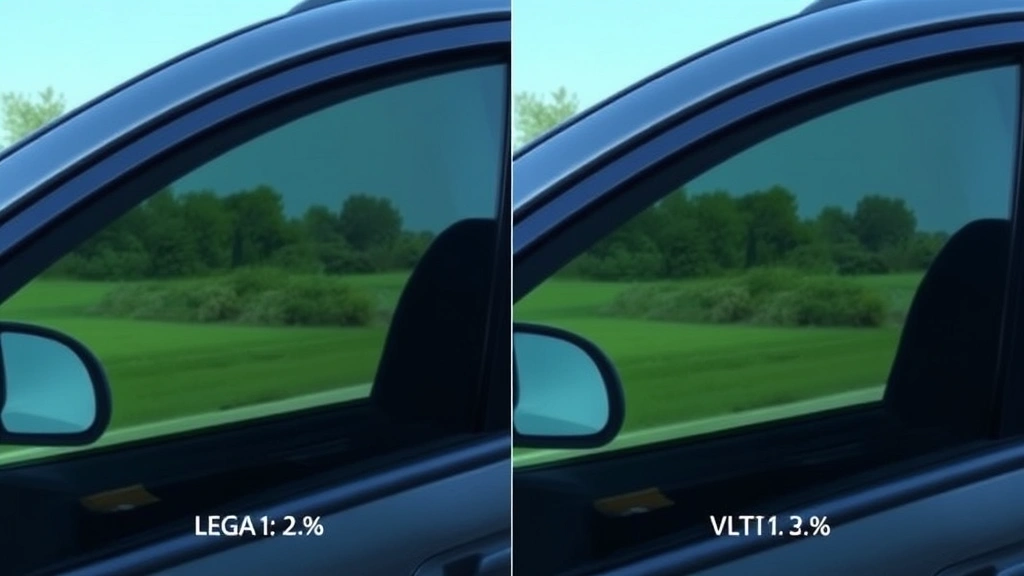
Visible Light Transmittance, or VLT, is the measurement standard used across North America to quantify how much light passes through tinted windows. VLT percentages range from 0% (completely opaque) to 100% (completely clear). Most states regulate tinting by establishing minimum VLT percentages that must be maintained on different windows, such as front windshields, front side windows, rear side windows, and rear windows.
For example, a window with 50% VLT allows half of the available light to pass through, while 70% VLT allows seventy percent of light transmission. The stricter the regulation, the higher the minimum VLT percentage required. Front windshields typically have the most lenient regulations since drivers need maximum visibility to operate vehicles safely. Front side windows usually have the next highest standards, while rear windows often allow darker tinting since rear visibility is less critical for vehicle operation.
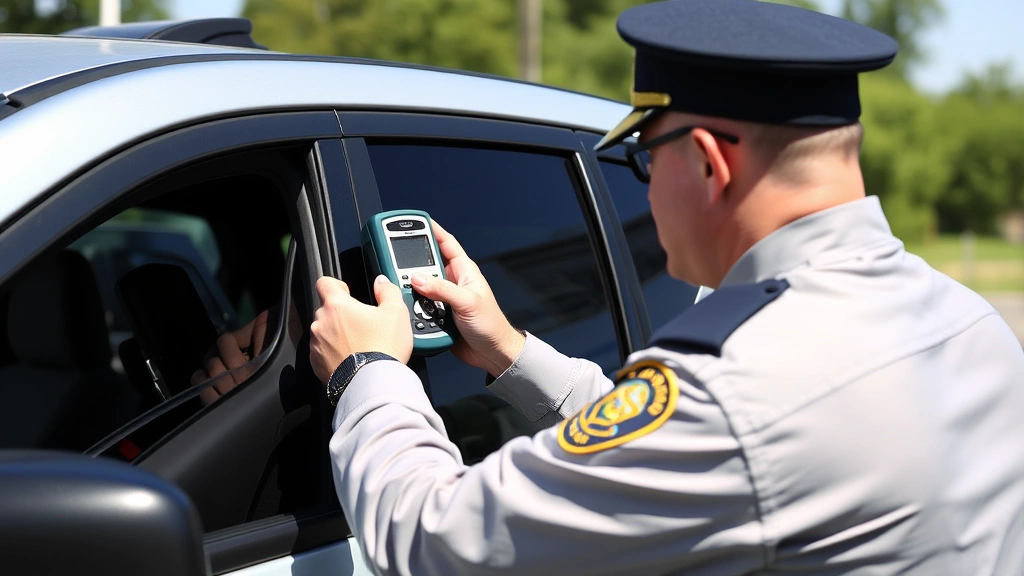
Understanding VLT standards is crucial because tinting darkness is not subjective. Professional installers use calibrated light meters to measure transmittance accurately. When law enforcement officers conduct tinting checks, they employ similar equipment to determine compliance. Many states also factor in the original window tint from the vehicle manufacturer when calculating legal limits, meaning aftermarket tinting must account for factory tint to avoid exceeding legal thresholds.
State-by-State Tinting Regulations
Window tinting laws vary dramatically across the United States, with some states imposing strict limitations and others allowing darker tinting. These variations reflect different state priorities regarding safety, privacy, and individual liberty. Understanding your specific state’s requirements is non-negotiable for legal compliance.
Northern and Northeastern states typically maintain stricter tinting regulations. For instance, many require 70% VLT for front side windows and 50% VLT for rear windows. States like New York, Massachusetts, and Connecticut enforce relatively high minimum transmittance standards to maximize driver visibility during winter months when daylight hours are limited and weather conditions are challenging.
Southern and Southwestern states often permit darker tinting due to intense sun exposure and heat concerns. States like Texas, Arizona, and Florida may allow 25% VLT on rear windows and sometimes permit darker front side window tinting. These regulations acknowledge the legitimate need for UV protection and heat reduction in hot climates while still maintaining safety minimums.
California, Colorado, and other populous states maintain moderate regulations, typically requiring 70% VLT for front side windows and 50% VLT for rear windows. These middle-ground standards attempt to balance privacy and aesthetic preferences with safety requirements. However, even within these states, local municipalities may impose additional restrictions.
Some states, including Mississippi and Alabama, have minimal tinting restrictions or allow darker tinting on rear windows with fewer regulations on front windows. Conversely, states like Washington and Oregon maintain stricter standards. Several states also distinguish between sedans and SUVs or pickup trucks, sometimes allowing darker rear window tinting on vehicles with limited rear visibility due to vehicle design.
A critical consideration is that tinted glass law often includes exemptions for medical conditions. Many states allow individuals with documented photosensitivity, lupus, or other conditions requiring UV protection to apply for medical exemptions permitting darker tinting. These exemptions typically require physician documentation and official state approval before installation.
Federal Guidelines and Safety Standards
While the federal government does not establish universal tinting standards, federal agencies provide guidance that influences state regulations. The National Highway Traffic Safety Administration (NHTSA) and the Society of Automotive Engineers (SAE) have published research and recommendations regarding window tinting and safety.
Federal regulations do address aftermarket tinting materials’ reflectivity and durability. Tinting films must meet specific standards to prevent excessive reflection that could interfere with other drivers’ vision or create safety hazards. Additionally, federal motor vehicle safety standards establish baseline requirements for windshield transmittance, though these primarily address factory-installed glass rather than aftermarket tinting.
The National Highway Traffic Safety Administration has published extensive research documenting the relationship between window tinting darkness and accident rates. Studies consistently demonstrate that excessively dark tinting increases accident risk, particularly during nighttime driving and in adverse weather conditions. This research foundation supports state-level regulatory efforts to establish minimum VLT standards.
Professional automotive glass installers must follow industry standards established by the Society of Automotive Engineers, which provide guidance on proper installation techniques, film quality, and safety considerations. Reputable installers ensure their work complies with local regulations and use materials meeting industry standards.
Medical Exemptions and Special Circumstances
Many jurisdictions recognize that certain medical conditions warrant exceptions to standard tinting regulations. Photosensitivity, lupus, erythropoietic protoporphyria, and other conditions involving extreme UV sensitivity or light sensitivity may qualify individuals for medical exemptions allowing darker window tinting than standard regulations permit.
To obtain a medical exemption, individuals typically must:
- Obtain written documentation from a licensed physician confirming a medical condition requiring UV protection or light limitation
- Complete official exemption application forms provided by the state’s Department of Motor Vehicles or equivalent agency
- Provide the approved exemption certificate to a licensed tinting installer
- Display the exemption documentation in the vehicle as proof of legal authorization
- Maintain current medical documentation and exemption renewals as required by state law
Medical exemptions typically allow significantly darker tinting than standard regulations, sometimes permitting 35% VLT or even darker on front side windows when medical necessity is documented. However, exemptions usually still maintain minimum standards on windshields to preserve driver visibility. Some states require exemption holders to renew their authorization annually or every few years, necessitating updated physician documentation.
It is crucial to obtain proper authorization before installing darker tinting if relying on a medical exemption. Installing dark tinting without authorization and subsequently claiming medical necessity during a traffic stop will not protect against citations. Law enforcement officers can verify exemption status through state DMV databases, and fraudulent exemption claims may result in additional penalties beyond standard tinting violations.
Penalties and Enforcement
Violations of tinted glass law result in various penalties depending on jurisdiction and violation severity. Understanding potential consequences emphasizes the importance of compliance.
Traffic citations are the most common penalty for illegal tinting. First-time offenders typically face fines ranging from $25 to $250, depending on state and local regulations. Multiple violations or refusal to remove illegal tinting may result in higher fines, license suspension, or vehicle impoundment in extreme cases.
Vehicle inspection failures may prevent vehicle registration renewal in states where tinting compliance is verified during annual inspections. Vehicle owners must correct violations before registration can be renewed, effectively preventing legal vehicle operation until tinting is brought into compliance.
Insurance implications represent another significant consequence. Some insurance companies may deny claims or increase premiums if illegal modifications, including window tinting, contributed to accidents. Additionally, if an accident occurs and illegal tinting is discovered, liability determinations may be affected.
Compounding violations can occur when drivers fail to address initial citations. Continuing to operate vehicles with illegal tinting after receiving citations may result in escalating penalties, including substantial fines and potential criminal charges in jurisdictions treating repeated violations seriously.
Law enforcement officers typically conduct tinting checks using calibrated light meters during routine traffic stops or at vehicle inspection stations. Some jurisdictions conduct periodic tinting compliance sweeps in high-violation areas. Officers may request vehicle owners to remove illegal tinting within specified timeframes or face additional penalties.
If you believe you have received an unjust tinting citation, you may contest it through traffic court proceedings. Consulting with a traffic attorney or reviewing our guide on finding legal representation can help you understand your options. Additionally, understanding your rights during traffic stops is essential, and you may consult resources on filing formal complaints if you believe law enforcement acted improperly.
How to Check Your Local Requirements
Before tinting vehicle windows, determine your specific jurisdiction’s legal requirements through several reliable methods:
- Contact your state’s Department of Motor Vehicles directly via phone or website. Most states maintain dedicated resources explaining current tinting regulations and any recent changes.
- Consult your state’s vehicle code or administrative regulations. These official legal documents specify exact VLT percentages and window-specific requirements. Many states provide free online access to their legal codes.
- Visit local law enforcement agencies’ websites. Police departments and state highway patrol often publish tinting regulations and enforcement information for public awareness.
- Speak with licensed tinting installers in your area. Reputable professionals maintain current knowledge of local regulations and can advise on legal tinting options.
- Check municipal ordinances if you live in a city or county with additional regulations beyond state standards. Some jurisdictions impose stricter requirements than state law permits.
When researching, document specific VLT percentages for each window category (front windshield, front side windows, rear side windows, rear window) and note any medical exemption processes. This information ensures you make informed decisions about tinting and understand what law enforcement will measure during compliance checks.
If you are considering legal modifications to your vehicle, understanding all applicable regulations is essential. For information about other legal compliance matters affecting vehicle operation, review our comprehensive legal resources hub for additional guidance on various legal topics.
FAQ
What does VLT percentage mean for window tinting?
VLT (Visible Light Transmittance) percentage indicates how much light passes through tinted windows. A 70% VLT means 70% of available light transmits through the window, while 30% is blocked by the tint. Higher percentages mean lighter tinting and better visibility.
Can I legally tint my windshield?
Most states prohibit windshield tinting except for a small visor strip at the top. Some allow non-reflective tinting across the entire windshield if it meets minimum VLT requirements, typically 70% or higher. Check your specific state regulations, as windshield rules are often the strictest.
How do police measure window tint darkness?
Law enforcement uses calibrated light meters that measure VLT percentages accurately. Officers position the meter against the window and obtain a precise reading indicating whether tinting complies with legal standards. These devices eliminate subjective judgment from compliance determinations.
Can I get a medical exemption for darker window tinting?
Yes, most states allow medical exemptions for documented conditions requiring UV protection or light sensitivity management. You must obtain physician documentation, complete state exemption applications, and receive official authorization before installing darker tinting than regulations normally permit.
What happens if I get cited for illegal window tinting?
Penalties typically include fines ($25-$250 depending on jurisdiction), potential vehicle registration holds, and possible license points in some states. Repeat violations may result in higher fines or additional penalties. You can contest citations through traffic court if you believe the citation was improper.
Is window tinting legal on all vehicle types?
Regulations apply to all vehicles, though some jurisdictions distinguish between vehicle types. Pickup trucks and SUVs may have different rear window tinting allowances than sedans due to visibility differences. Commercial vehicles may face additional restrictions. Always verify requirements for your specific vehicle type.
Can I remove illegal tinting to avoid penalties?
If cited for illegal tinting, removing it promptly may help in traffic court proceedings and prevents additional violations from accumulating. However, the original citation typically remains. Consult with a traffic attorney about the best approach for your specific situation.
Do factory tinted windows count toward legal limits?
Yes, most states calculate legal tinting limits including factory tint. If your vehicle has factory tinted rear windows at 50% VLT and your state allows 50% VLT on rear windows, you cannot add additional aftermarket tinting. Professional installers account for factory tint in compliance calculations.


