
Truck Accident Claims: Beaumont Lawyer Insights and Legal Guidance
Truck accidents represent some of the most devastating and complex personal injury cases in modern litigation. When a commercial truck collides with a passenger vehicle, the consequences extend far beyond typical auto accidents—victims often face catastrophic injuries, mounting medical bills, lost wages, and long-term physical rehabilitation. In Beaumont, Texas, understanding your legal rights after a truck accident is crucial to securing fair compensation from responsible parties.
A truck accident claim involves navigating multiple layers of liability, including the truck driver, trucking company, vehicle manufacturer, and potentially other third parties. Unlike standard car accidents, truck cases demand specialized knowledge of federal transportation regulations, industry standards, and the unique dynamics of commercial vehicle operations. This comprehensive guide explores the critical aspects of truck accident claims and why working with an experienced Beaumont truck accident law firm can make the difference between inadequate settlements and full recovery.
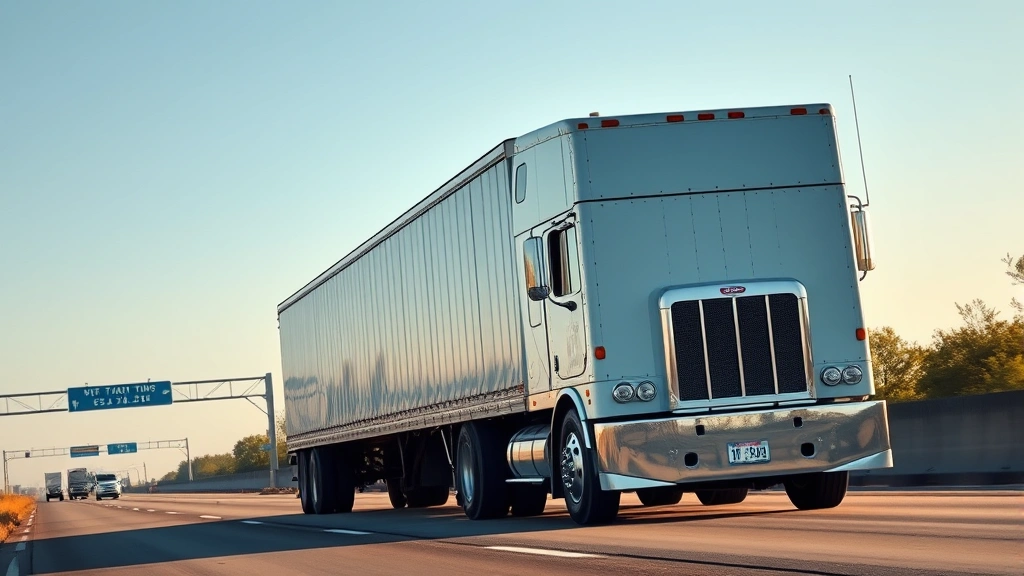
Understanding Truck Accidents and Liability
Truck accidents differ fundamentally from passenger vehicle collisions due to the size, weight, and regulatory complexity involved. A fully loaded commercial truck can weigh up to 80,000 pounds, compared to a typical car weighing 3,000-4,000 pounds. This massive difference creates disproportionate damage and injury severity when accidents occur. The physics of truck collisions—including jackknifing, rollovers, and underride accidents—produce unique injury patterns requiring specialized medical and engineering expertise.
Liability in truck accidents extends beyond the driver to include the trucking company, which bears responsibility for hiring qualified drivers, maintaining vehicles, and enforcing safety protocols. Understanding the chain of liability helps determine which parties can be held accountable. When you’re injured in a truck accident, identifying all responsible parties is essential because each may carry insurance or assets that can contribute to your compensation. This is why partnering with a truck accident law firm in Beaumont who understands the commercial trucking industry is invaluable.
Common causes of truck accidents include driver fatigue (the leading cause), mechanical failures, improper cargo loading, speeding, inadequate training, and violation of hours-of-service regulations. Each cause points to different responsible parties and requires distinct evidence to prove liability.
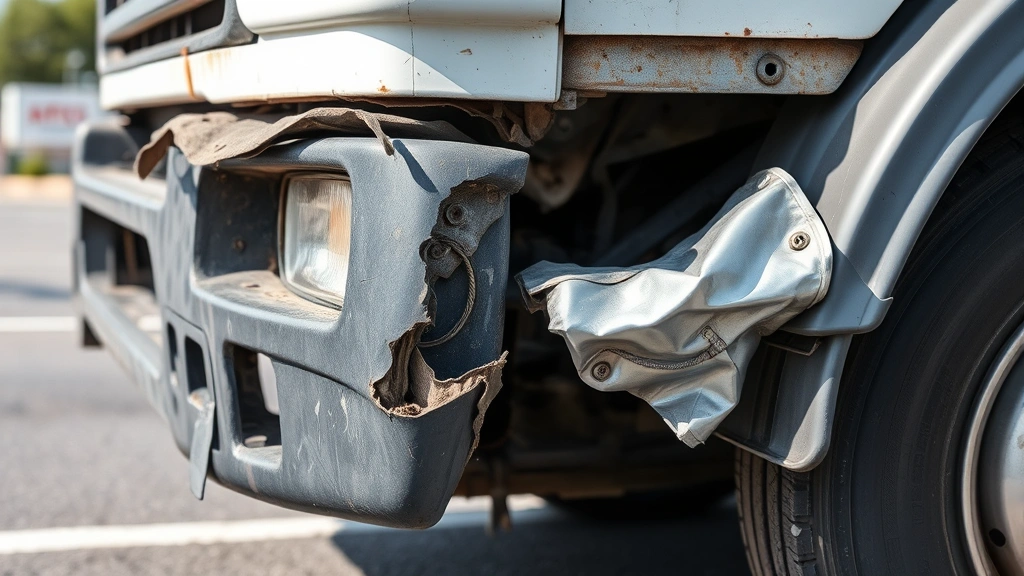
Federal Regulations Governing Commercial Trucks
The Federal Motor Carrier Safety Administration (FMCSA) establishes comprehensive regulations that govern commercial truck operations. These regulations cover driver qualifications, medical certification, hours of service, vehicle maintenance, cargo securement, and drug testing. When a truck accident occurs, violations of these federal standards often establish negligence and liability.
Hours-of-service regulations limit how long drivers can operate vehicles without rest periods. A driver cannot operate a commercial truck for more than 11 consecutive hours after 10 hours off-duty, and cannot drive after 60 cumulative hours in seven days. Electronic logging devices (ELDs) now track compliance automatically. When accident investigations reveal hours-of-service violations, this creates strong evidence of driver negligence and company failure to enforce safety standards.
Vehicle maintenance regulations require trucking companies to conduct pre-trip inspections, regular maintenance, and timely repairs. Brake failures, tire blowouts, and steering problems frequently cause truck accidents. Your attorney will obtain maintenance records, inspection logs, and repair history to establish whether negligent maintenance contributed to the accident. Understanding these common law principles applied to commercial liability helps establish duty of care standards.
Cargo securement regulations prevent improperly loaded cargo from shifting during transport, which can cause loss of vehicle control. Overloading trucks beyond weight limits also affects braking ability and stability. These violations provide additional bases for holding companies accountable.
Determining Liability in Truck Collisions
Establishing liability in truck accident cases requires comprehensive investigation and expert analysis. Your Beaumont truck accident attorney will examine multiple factors including driver conduct, company policies, vehicle condition, road conditions, and third-party factors.
Driver liability focuses on whether the truck driver breached their duty of care through negligent or reckless conduct. Evidence includes traffic citations, witness statements, accident reconstruction reports, and the driver’s employment history. Poor driving records, previous accidents, and documented safety violations strengthen liability claims.
Vicarious liability holds trucking companies responsible for driver negligence under the legal doctrine of respondeat superior. Companies are liable for employees’ negligent acts committed within the scope of employment. This means the company can be held accountable regardless of whether they directly caused the accident, provided the driver was acting in their employment capacity.
Direct company liability arises from the company’s own negligent actions, such as hiring unqualified drivers, failing to conduct background checks, inadequate training, negligent maintenance, or pressuring drivers to violate safety regulations. Companies must maintain reasonable hiring and training standards. If a company hired a driver with a history of safety violations or failed to provide proper training, the company bears direct liability.
Negligent retention occurs when a company continues employing a driver despite knowledge of dangerous conduct or incompetence. If a driver had previous accidents or safety violations, and the company retained them without remedial action, this creates liability.
Third-party liability may involve vehicle manufacturers (defective brakes, steering, or tires), maintenance contractors, cargo loaders, or other entities. Your attorney will investigate whether product defects or third-party negligence contributed to the accident.
Understanding how agreements and liability frameworks operate in commercial relationships helps identify all responsible parties.
Types of Damages and Recovery Options
Truck accident victims can recover multiple categories of damages, both economic and non-economic. Economic damages include quantifiable financial losses: medical expenses (emergency care, surgery, hospitalization, rehabilitation, ongoing treatment), lost wages and lost earning capacity, property damage to your vehicle, and transportation costs during recovery.
Medical damages often represent the largest component of truck accident claims. Catastrophic injuries from truck accidents—including spinal cord injuries, traumatic brain injuries, amputations, and severe burns—require extensive medical treatment. Your claim should include current medical expenses and reasonable future medical costs related to the accident.
Lost earning capacity addresses situations where injuries prevent you from returning to your previous occupation or earning at prior levels. If a truck accident causes permanent disability, you can recover damages for reduced lifetime earning potential. Economists and vocational experts calculate these damages by analyzing your age, education, skills, and the impact of injuries on your career.
Non-economic damages compensate for subjective harm: pain and suffering, emotional distress, loss of enjoyment of life, disfigurement, and loss of consortium (impact on family relationships). While harder to quantify than economic damages, Texas courts recognize non-economic damages as legitimate recovery components. Serious truck accident injuries typically justify substantial pain and suffering awards.
Punitive damages may be available if the trucking company’s conduct was grossly negligent or reckless. These damages punish defendants and deter future misconduct. Texas allows punitive damages when evidence shows the defendant acted with conscious indifference to the rights, safety, or welfare of others.
The Investigation and Evidence Collection Process
Successful truck accident claims depend on thorough investigation and comprehensive evidence gathering. Your attorney must act quickly because evidence degrades over time and witnesses’ memories fade. Immediate investigation preserves critical evidence.
Accident scene investigation begins with photographing the scene from multiple angles, documenting vehicle damage patterns, road conditions, traffic signals, and sight lines. Skid marks, vehicle debris patterns, and final resting positions help reconstruction experts determine how the accident occurred and establish speed at impact.
Electronic data retrieval is crucial in modern truck accident cases. Trucks contain electronic control modules (ECMs) that record data about speed, braking, acceleration, and other parameters. This data can be overwritten, so immediate preservation is critical. Your attorney will issue preservation letters to the trucking company demanding they preserve all electronic evidence.
Driver logbooks and records reveal whether hours-of-service regulations were violated. Electronic logging devices provide detailed records of driving time, rest periods, and vehicle location. Medical records for the truck driver may show fatigue-related conditions, medication use, or other factors affecting driver performance.
Maintenance and inspection records establish whether the truck was properly maintained. Failure to repair known defects or perform required inspections demonstrates negligence. Service records, parts receipts, and work orders document maintenance history.
Employment records including hiring files, training records, disciplinary records, and previous accident history show whether the company hired and retained qualified drivers. Background checks and driving history records reveal prior violations or unsafe conduct.
Witness statements from other drivers, passengers, and bystanders provide critical testimony about how the accident occurred. Your attorney will identify witnesses and obtain detailed statements before memories fade.
Expert analysis includes accident reconstruction engineers (who recreate the accident using physics and evidence), medical experts (who document injuries and treatment), and vocational experts (who calculate lost earning capacity). These specialists provide testimony supporting your damages claims.
Settlement vs. Litigation Strategy
Most truck accident claims settle before trial, but settlement decisions require careful analysis. Your attorney must evaluate the strength of liability evidence, the extent of damages, insurance coverage, and the defendant’s willingness to negotiate fairly.
Settlement advantages include certainty (you receive guaranteed compensation rather than risking trial outcomes), faster resolution (avoiding years of litigation), lower costs (reduced attorney time and expert expenses), and privacy (settlement terms remain confidential). However, settlements often result in lower compensation than jury verdicts for serious injuries.
Litigation advantages include access to discovery (obtaining detailed evidence from defendants), jury trials (where sympathetic juries may award substantial damages), and leverage (defendants often settle more favorably when facing trial). Litigation disadvantages include uncertainty (jury verdicts are unpredictable), higher costs (expert witnesses, depositions, trial preparation), longer timelines (cases take years to resolve), and public disclosure of case details.
Your Beaumont truck accident attorney will evaluate settlement offers based on comparable case outcomes. They’ll consider whether the offer adequately compensates for all economic and non-economic damages, accounts for future medical needs, and reflects the strength of your liability case. Rejecting inadequate settlement offers and proceeding to trial may result in substantially higher awards for catastrophic injuries.
The litigation process includes pleadings (filing complaints and responses), discovery (exchanging evidence and taking depositions), motion practice (filing motions to resolve issues before trial), and trial (presenting evidence to a jury). Understanding the framework for business liability in commercial contexts helps evaluate how trucking companies structure operations to limit liability exposure.
Insurance coverage analysis is critical because trucking companies carry commercial liability insurance with specific coverage limits. Your attorney will identify all insurance policies covering the defendant and pursue claims against each policy. Some cases involve multiple insurance policies that can stack to provide additional coverage.
FAQ
How long do I have to file a truck accident lawsuit in Texas?
Texas law provides a two-year statute of limitations for personal injury claims, meaning you have two years from the accident date to file a lawsuit. However, you should contact an attorney immediately because evidence degrades quickly and witness memories fade. Don’t wait until near the deadline because delays complicate evidence preservation and case development.
What makes truck accident cases different from regular car accident claims?
Truck accident cases involve federal regulations, commercial insurance with higher coverage limits, more complex liability (multiple parties including the company), catastrophic injuries requiring specialized medical evidence, and sophisticated defendants with legal resources. These factors demand specialized expertise that general personal injury attorneys may lack. Trucking companies employ experienced defense counsel, so you need equally experienced representation.
Can I recover damages if I was partially at fault for the truck accident?
Texas follows comparative negligence rules, allowing recovery even if you were partially at fault. Your damages award reduces by your percentage of fault. For example, if you were 20% at fault and your total damages are $100,000, you can recover $80,000. However, you cannot recover if you were more than 50% at fault. This makes establishing the truck driver’s and company’s negligence crucial to maximizing your recovery.
What should I do immediately after a truck accident?
First, prioritize your safety and others’ safety. Call 911 if anyone is injured. Obtain medical treatment for your injuries—even seemingly minor injuries may have delayed symptoms. Document the scene with photos and video if safely possible. Get contact information from witnesses. Report the accident to police and your insurance company. Avoid discussing fault with other parties. Contact a truck accident attorney promptly before speaking with insurance adjusters or defense counsel. Do not post about the accident on social media.
How much is my truck accident claim worth?
Claim value depends on injury severity, medical expenses, lost wages, permanent disability, pain and suffering, and liability strength. Minor injuries might be worth $10,000-$50,000, while catastrophic injuries can exceed $1,000,000. Your attorney will evaluate your specific circumstances, comparable case outcomes, and jury verdict data to estimate your claim’s value. Insurance adjusters often undervalue claims initially, so professional evaluation is essential.
Will my truck accident case go to trial?
Most cases settle before trial (approximately 90%), but your case should be prepared for trial from the beginning. This preparation strengthens settlement negotiations because defendants know you’re willing to litigate. If settlement negotiations fail to produce fair offers, proceeding to trial may result in higher awards. Your attorney will advise whether trial or settlement better serves your interests.
What if the truck driver was an independent contractor?
Determining whether a driver is an employee or independent contractor affects liability. Companies sometimes misclassify employees as independent contractors to avoid vicarious liability. However, courts examine the actual working relationship, not the label. If the company controlled the driver’s work, provided equipment, and directed daily operations, the driver is likely an employee and the company bears vicarious liability. Your attorney will investigate the true employment relationship.


