
Is Resisting Unjust Laws Legal? Expert Analysis
The principle that “when injustice becomes law, resistance becomes duty” has echoed through centuries of legal philosophy, civil rights movements, and democratic discourse. But what does this mean in practical legal terms? Can citizens legally resist laws they believe are unjust, or does the rule of law demand absolute compliance? This question sits at the intersection of constitutional law, civil disobedience, and fundamental human rights—an area where legal theory meets moral philosophy.
Understanding whether resisting unjust laws is legal requires examining constitutional protections, precedent from landmark cases, the distinction between legal and illegal protest, and the mechanisms available within democratic systems to challenge perceived injustices. The answer is nuanced: while citizens have constitutional protections for certain forms of resistance, outright defiance of laws carries legal consequences, even when motivated by moral conviction.
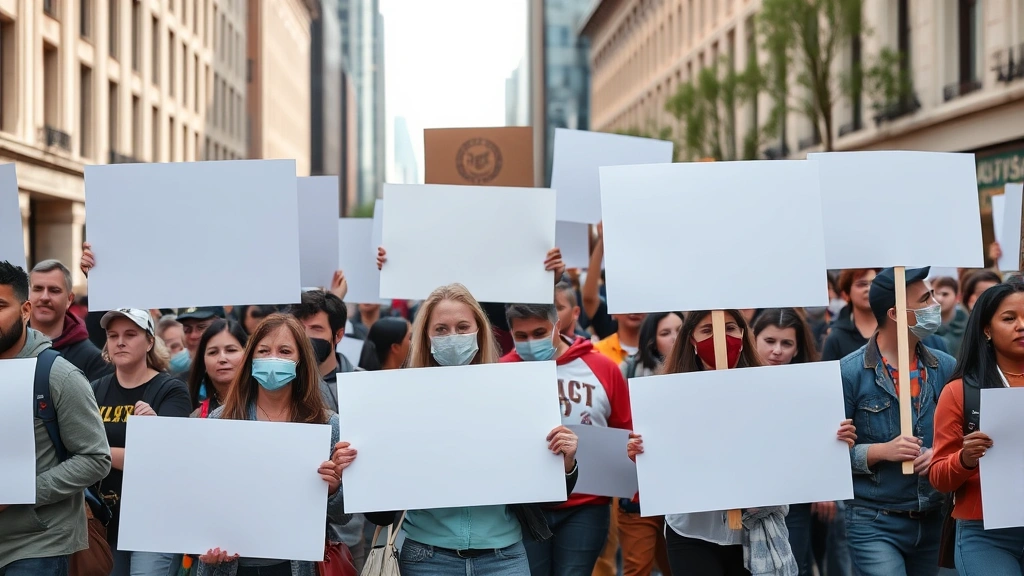
Constitutional Protections for Dissent and Protest
The United States Constitution provides several foundational protections for citizens who wish to challenge government authority and laws they perceive as unjust. The First Amendment guarantees freedom of speech, assembly, and petition—rights that form the legal foundation for lawful resistance.
These protections allow citizens to:
- Voice opposition through speech and writing without government censorship
- Organize peaceful assemblies and demonstrations
- Petition the government for redress of grievances
- Engage in symbolic speech that communicates political messages
However, these protections are not absolute. The Supreme Court has established that speech can be limited when it incites imminent lawless action or poses a clear and present danger. Understanding the common law legal system vs civil law legal system helps clarify how different jurisdictions approach these constitutional questions, as common law systems like the U.S. rely heavily on precedent and judicial interpretation.
The Fourteenth Amendment’s Due Process Clause provides additional protection, ensuring that laws themselves must be fundamentally fair and not arbitrary. This constitutional safeguard allows citizens to challenge the validity of laws through the judicial system—a legal form of resistance that doesn’t require defying the law itself.
The Doctrine of Civil Disobedience
Civil disobedience represents a specific form of resistance where individuals deliberately violate laws they believe are unjust, typically accepting legal consequences to make a moral point. This doctrine, popularized by figures like Henry David Thoreau and Mahatma Gandhi, raises a critical legal question: Is civil disobedience itself legal?
The short answer is no—civil disobedience, by definition, involves breaking laws and therefore carries legal consequences. However, it exists in a complex legal and moral space. Courts may consider the defendant’s motivations during sentencing, and some jurisdictions recognize necessity defenses or duress arguments in certain circumstances.
Key characteristics of civil disobedience include:
- Deliberate violation of a law believed to be unjust
- Peaceful and non-violent conduct
- Public announcement of intent and willingness to accept consequences
- Moral conviction as the primary motivation
- Typically targeting the unjust law itself, not unrelated laws
Legal scholars debate whether civil disobedience can ever be truly “legal.” While it may be morally justified, the act of breaking the law remains illegal. However, the substantive law that governs criminal responsibility sometimes provides defenses or mitigating factors that courts may consider when evaluating cases involving civil disobedience.
Legal vs. Illegal Resistance
The distinction between legal and illegal resistance is crucial for anyone considering challenging unjust laws. Legal resistance operates within the system; illegal resistance defies it.
Legal Forms of Resistance Include:
- Voting and supporting candidates who oppose unjust laws
- Peaceful protest and demonstration
- Writing and public advocacy
- Litigation and judicial challenge
- Legislative lobbying and petition drives
- Media campaigns and public awareness efforts
- Nonviolent civil disobedience with acceptance of legal consequences
Illegal Forms of Resistance Include:
- Violence or property destruction
- Obstruction of justice or government operations
- Trespassing or unauthorized occupation
- Interference with law enforcement
- Incitement to violence or immediate lawless action
Understanding the difference between felony and misdemeanor becomes important here, as different types of illegal resistance carry varying legal consequences. Peaceful civil disobedience typically results in misdemeanor charges, while violent resistance can result in felonies.
IMAGE_2
Historical Precedents and Landmark Cases
American legal history provides numerous examples of laws eventually recognized as unjust, along with the legal mechanisms used to challenge them.
Brown v. Board of Education (1954) represents perhaps the most significant example. The Supreme Court declared that “separate but equal” was unconstitutional, overturning Plessy v. Ferguson. Citizens who had resisted segregation laws through civil disobedience were ultimately vindicated, though they faced legal consequences at the time.
The Civil Rights Movement demonstrated both legal and illegal forms of resistance. Sit-ins, freedom rides, and marches operated in a gray area—participants deliberately violated segregation laws and sometimes faced charges, but these actions ultimately contributed to legal change through judicial review and legislative action. Many participants accepted jail time as part of their moral witness.
Loving v. Virginia (1967) struck down anti-miscegenation laws. Couples who had violated these laws and faced prosecution were ultimately protected by constitutional recognition of their fundamental rights.
These cases demonstrate that while illegal resistance carries immediate legal consequences, it may contribute to eventual legal recognition that the resisted laws were unconstitutional or unjust.
International Perspectives on Unjust Laws
International human rights law recognizes certain circumstances where resistance to government authority may be justified. The Universal Declaration of Human Rights and various international treaties acknowledge that citizens possess inherent rights that supersede unjust legal regimes.
The International Court of Justice has recognized the concept of jus cogens—peremptory norms of international law that no state can violate, including prohibitions on slavery, genocide, and torture. Laws that contradict these fundamental norms are considered void under international law, even if valid under domestic law.
However, this international framework doesn’t automatically legalize resistance to unjust domestic laws. Rather, it provides moral and legal justification for challenging laws that violate fundamental human rights, while domestic legal systems must determine appropriate remedies.
Many democracies recognize constitutional rights to protest and petition, creating legal mechanisms for challenging unjust laws without resorting to illegal resistance. This reflects the principle that common law and civil law systems both prioritize rule of law while protecting fundamental rights.
Modern Legal Avenues for Challenge
Contemporary legal systems provide multiple mechanisms for challenging unjust laws without engaging in civil disobedience or illegal resistance.
Judicial Review: Citizens can challenge laws in court, arguing they violate constitutional protections or fundamental rights. Courts have authority to strike down unconstitutional laws, providing a legal remedy for perceived injustice.
Legislative Reform: Democratic processes allow citizens to advocate for changing laws through their elected representatives. Petitions, lobbying, and public campaigns represent powerful legal tools for addressing unjust laws.
Constitutional Amendment: When courts uphold laws despite perceived injustice, citizens can pursue constitutional amendment—the ultimate legal mechanism for changing fundamental law.
Administrative Appeals: Many laws are implemented through administrative agencies. Appeals and challenges within these systems provide legal avenues for contesting specific applications of laws.
Executive Clemency: Governors and presidents possess power to pardon or commute sentences of those convicted under laws later recognized as unjust, providing post-conviction relief.
These legal mechanisms exist precisely because democracies recognize that laws can be unjust and that legal systems must provide remedies beyond mere compliance or illegal resistance.
IMAGE_3
Consequences of Resisting Laws
Understanding the potential legal consequences of resistance is essential for anyone considering this path. Even morally justified resistance to unjust laws carries legal risks.
Criminal Liability: Illegal resistance typically results in criminal charges. The severity depends on the nature of resistance—peaceful civil disobedience may result in misdemeanor trespassing or disorderly conduct charges, while violent resistance can result in felony charges including assault, property destruction, or incitement.
Sentencing Considerations: Courts may consider a defendant’s moral motivations during sentencing, potentially resulting in reduced sentences for civil disobedience motivated by genuine moral conviction. However, this is not guaranteed and varies by jurisdiction and judge.
Civil Liability: Resistance can expose individuals to civil lawsuits for damages, particularly if property is damaged or others are injured.
Employment and Professional Consequences: Criminal convictions can result in job loss, professional license suspension, and difficulty obtaining employment. Even arrest records can have lasting consequences.
Immigration Status: For non-citizens, criminal charges related to resistance can result in deportation proceedings.
Collateral Consequences: Beyond the immediate legal penalties, convictions can affect voting rights, housing opportunities, educational enrollment, and access to government benefits.
These consequences explain why legal forms of resistance—voting, advocacy, litigation, and peaceful protest—typically represent more prudent approaches to challenging perceived injustice.
For those considering whether to engage in illegal resistance, consulting with an attorney is essential. Those interested in legal practice related to civil rights and constitutional law may explore best law schools in US that emphasize these specialties, or seek representation from law companies in New York and other jurisdictions specializing in constitutional defense.
FAQ
Can I legally refuse to obey a law I believe is unjust?
No—refusing to obey a law is illegal, even if you believe the law is unjust. However, you can legally challenge the law through courts, advocate for its repeal through legislation, or engage in peaceful protest. If you choose civil disobedience, you must accept legal consequences.
What is the necessity defense in criminal law?
The necessity defense argues that violating a law was necessary to prevent greater harm. For example, breaking into a cabin during a blizzard to avoid freezing. However, courts rarely accept this defense for political resistance to laws, as it requires showing that breaking the law prevented imminent danger and that no legal alternatives existed.
Can courts overturn unjust laws?
Yes. Courts can strike down laws that violate constitutional protections or fundamental rights. This is why judicial review and constitutional litigation represent powerful legal mechanisms for challenging unjust laws.
Is civil disobedience protected by the First Amendment?
The act of civil disobedience itself is not protected—it involves breaking laws and carries legal consequences. However, the underlying speech and peaceful assembly that may accompany civil disobedience are protected. The protection doesn’t extend to the law-breaking itself.
What happened to people convicted under laws later declared unconstitutional?
This varies by jurisdiction and circumstance. Some may seek post-conviction relief through appeals or executive clemency. However, there is no automatic remedy—individuals convicted under laws later struck down don’t automatically receive expungement or compensation, though some jurisdictions have established procedures for such cases.
Can employers fire me for protesting unjust laws?
This depends on the circumstances and jurisdiction. If you protest on your own time in a private capacity, most employers can fire you for any reason (in at-will employment states). However, if you’re protesting government action or employer conduct, certain protections may apply. Public employees have stronger First Amendment protections than private employees.
What is the difference between lawful protest and illegal resistance?
Lawful protest typically involves peaceful assembly, speech, and petition—all protected by the First Amendment. Illegal resistance involves violating laws, such as trespassing, blocking traffic without permit, or property destruction. The line between them can blur in practice, but the legal distinction hinges on whether the conduct itself violates law.


