
Texas Booster Seat Laws Explained: Lawyer’s Insight
Child safety in vehicles remains one of the most critical concerns for Texas parents and guardians. Texas booster seat laws establish mandatory requirements designed to protect children during vehicle travel, yet many drivers remain confused about specific age, weight, and height requirements. Understanding these regulations is essential for compliance and, more importantly, for ensuring your child’s safety on the road.
As a legal matter, violations of Texas booster seat laws can result in traffic citations, fines, and potential insurance complications. Beyond the legal implications, proper booster seat usage significantly reduces the risk of serious injury or death in motor vehicle accidents. This comprehensive guide explains Texas booster seat requirements, enforcement mechanisms, and practical considerations for parents and caregivers.
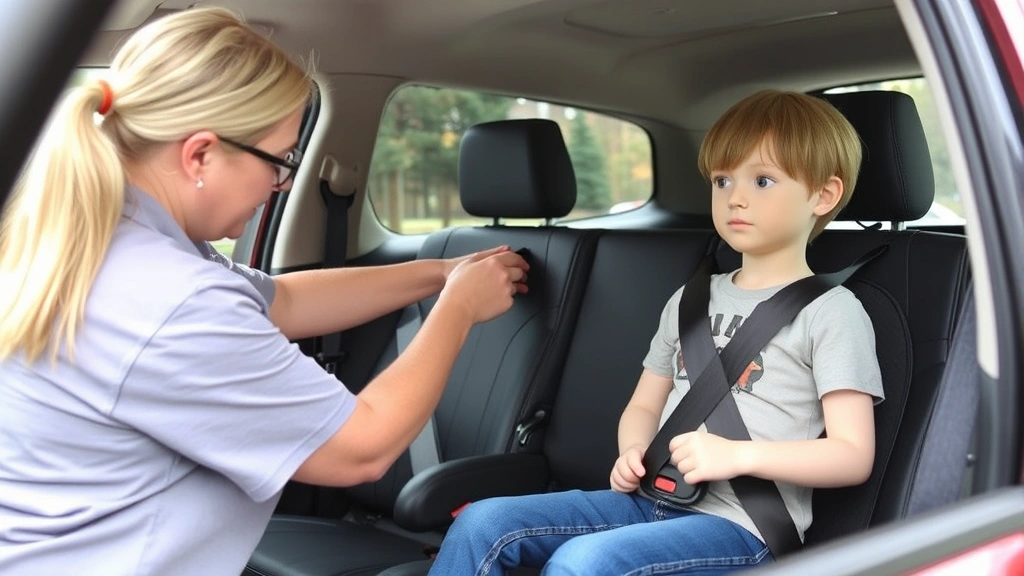
Texas Booster Seat Legal Requirements
Texas Transportation Code Section 545.412 establishes the legal framework governing child passenger safety, including booster seat mandates. Under this statute, a person operating a motor vehicle shall secure a child passenger in a child safety seat or booster seat that meets federal motor vehicle safety standards. The law applies to all children under specific age and size thresholds while riding in passenger vehicles.
The statute explicitly requires that booster seats be installed and used in accordance with the manufacturer’s instructions and the vehicle manufacturer’s instructions. This dual-instruction requirement ensures that booster seats provide maximum protection. Many parents overlook manufacturer guidelines, which can significantly compromise safety effectiveness. Legal compliance requires strict adherence to both sets of instructions.
Texas law distinguishes between child safety seats (typically for infants and toddlers) and booster seats (for older children who have outgrown traditional car seats). Understanding this distinction is crucial for legal compliance. The state recognizes that different developmental stages require different restraint systems. Parents transitioning children from car seats to booster seats must understand when this transition is legally required.
The law applies regardless of whether travel occurs within city limits or on rural highways. Short trips to school or nearby locations do not exempt drivers from compliance requirements. Additionally, Texas law applies equally to all passengers, whether they are biological children, stepchildren, or other children for whom an adult has temporary custody. Understanding your family law obligations regarding child safety is essential.

Age, Weight, and Height Guidelines
Texas booster seat laws establish specific thresholds based on three primary factors: age, weight, and height. A child must meet all applicable requirements before transitioning to the next restraint type. The state’s guidelines align with recommendations from the National Highway Traffic Safety Administration (NHTSA) and the American Academy of Pediatrics (AAP).
Age Requirements: Texas law requires booster seat use for children under eight years old. However, age alone does not determine compliance. Children who have reached their eighth birthday may transition away from booster seats only if they also meet weight and height criteria. Some children remain in booster seats beyond age eight if they have not satisfied size requirements.
Weight Criteria: Most booster seats accommodate children weighing between 40 and 100 pounds, though specific ranges vary by manufacturer. A child must weigh at least 40 pounds to safely use a booster seat. Children weighing less than 40 pounds require forward-facing car seats with harnesses. Children exceeding the booster seat’s maximum weight rating must transition to adult seat belts, provided they meet height requirements.
Height Standards: Height requirements typically range from 40 to 57 inches, depending on the specific booster seat model. A child must reach sufficient height to allow the vehicle’s adult seat belt to fit properly across the shoulder and lap. Improper belt positioning due to insufficient height can cause serious injuries in accidents. Many children who meet weight requirements have not yet reached the necessary height.
The “five-step test” provides practical guidance for determining readiness to transition from booster seats to adult seat belts. A child is ready when they can sit upright against the vehicle seat with knees bent at 90 degrees, feet flat on the floor, and the seat belt fits properly across the shoulder and hip. If any criterion fails, booster seat use should continue.
Types of Approved Booster Seats
Texas recognizes two primary booster seat categories: high-back booster seats and backless booster seats. Each type serves specific purposes and vehicle configurations. Understanding the differences helps parents select appropriate restraint systems.
High-Back Booster Seats: These seats feature a full back that provides head and neck support. High-back boosters work in virtually all vehicle configurations, including those with low seat backs or no headrests. The elevated position helps position seat belts correctly across the child’s shoulder and lap. High-back seats provide additional side-impact protection and are generally recommended for younger children within the booster seat weight range.
Backless Booster Seats: These lightweight, portable seats elevate the child to proper height without a back component. Backless boosters work best in vehicles with high seat backs and integrated headrests. They offer maximum portability and convenience but provide less support than high-back alternatives. Backless boosters are typically suitable for children who have grown considerably within the booster seat range.
All booster seats sold in Texas must comply with federal safety standards established by the National Highway Traffic Safety Administration (NHTSA). Approved seats display certification labels indicating compliance with Federal Motor Vehicle Safety Standard (FMVSS) 213. Parents should verify this certification before purchase. Used booster seats should never be purchased if they have been involved in accidents or lack documentation of their history.
Combination seats represent another category that functions as both forward-facing car seats and booster seats, accommodating children across broader age and weight ranges. These versatile seats can extend the duration of use, though they may not be optimal for all developmental stages. Consulting manufacturer specifications ensures appropriate use.
Penalties and Enforcement
Texas law enforcement actively enforces booster seat requirements through traffic stops and accident investigations. Violations carry significant legal and financial consequences. Understanding potential penalties encourages compliance and protects family finances.
Traffic Citations: A driver transporting a child without proper booster seat restraint can receive a traffic citation under Texas Transportation Code Section 545.412. This citation carries a fine up to $200 for a first offense. Subsequent violations increase penalties. The citation becomes part of the driver’s traffic record and may affect insurance rates.
Insurance Implications: Insurance companies often increase premiums following traffic citations for child safety violations. Some insurers implement surcharges specifically for child restraint violations. Over time, these premium increases can exceed the cost of purchasing appropriate booster seats, making compliance economically prudent beyond legal requirements.
Accident Liability: If an accident occurs and a child lacks proper booster seat restraint, liability questions arise. While the absence of a booster seat does not automatically establish negligence, it provides strong evidence of failure to exercise reasonable care. In civil lawsuits following accidents, booster seat violations substantially strengthen claims against drivers. Insurance companies may deny coverage or reduce settlement amounts when improper restraint contributed to injuries.
Criminal Charges: In serious accidents resulting in child injury or death, failure to use proper restraints can lead to criminal charges beyond simple traffic violations. Charges might include child endangerment or negligent injury to a child. These criminal matters carry jail time and permanent criminal records affecting employment and professional licensing.
Law enforcement training emphasizes child safety protection, making booster seat compliance a priority enforcement area. Many departments conduct special safety checkpoints focusing specifically on child restraint violations. Understanding that enforcement is active and consistent should motivate strict compliance.
Exceptions and Special Circumstances
While Texas booster seat laws are comprehensive, certain exceptions and special circumstances modify standard requirements. Parents should understand these exceptions to ensure appropriate compliance in specific situations.
Medical Exceptions: A physician may determine that a booster seat creates health risks for a particular child due to medical conditions or physical characteristics. In such cases, the physician can provide written documentation recommending alternative restraint methods. However, this exception requires formal medical documentation and does not permit arbitrary non-compliance. Parents must carry this documentation while transporting the child.
Ride-Share and Commercial Vehicles: Texas law provides limited exceptions for certain commercial transportation contexts. Taxi services and ride-sharing platforms have specific exemptions under certain circumstances, though they must comply with federal regulations. These exceptions do not apply to private vehicle use.
Out-of-State Travel: While traveling outside Texas, drivers must comply with the child safety laws of the destination state. Many states have similar or identical requirements, but variations exist. Before traveling, parents should research destination state requirements to ensure compliance. This demonstrates responsible legal planning.
Understanding consumer protection law principles also helps parents select safe products and understand manufacturer warranties and responsibilities.
Installation and Best Practices
Proper installation is critical for booster seat effectiveness. Many parents install booster seats incorrectly, significantly compromising safety benefits. Following installation best practices ensures maximum protection.
Reading Instructions Thoroughly: Both the booster seat manufacturer’s instructions and vehicle owner’s manual contain essential information. These documents specify compatible vehicles, proper positioning, and weight limitations. Parents must review both documents before initial use and periodically thereafter. Keeping documentation in vehicles facilitates reference during trips.
Correct Positioning: Booster seats must be positioned on rear seats, never in front passenger seats where airbags create injury risks. The seat should sit firmly against the vehicle seat back without excessive movement. Loose installation compromises safety. Testing stability by pushing the seat side-to-side verifies proper installation.
Seat Belt Fit: The vehicle’s seat belt must fit properly across the child’s shoulder and lap. The lap belt should sit low across the hips, not the stomach. The shoulder belt should cross the middle of the shoulder, not the neck or arm. Improper belt positioning reduces protection effectiveness and increases injury risk.
Professional Installation Assistance: Many communities offer free booster seat installation inspections through certified Child Passenger Safety Technicians. These professionals verify proper installation and provide guidance. The National Highway Traffic Safety Administration maintains a locator tool for finding certified inspectors. Utilizing this resource ensures expert verification of compliance.
Regular Inspections: Parents should periodically inspect booster seats for damage, wear, or deterioration. Seats damaged in accidents should be replaced, even if damage appears minor. Expired booster seats should be replaced with current models. Maintaining booster seat integrity ensures consistent protection across multiple vehicle trips.
Temperature Considerations: Booster seat materials can become extremely hot in direct sunlight, potentially causing discomfort or burns. Using seat covers or sunshades protects children from heat-related injuries. Conversely, cold materials in winter require brief acclimatization before child contact.
Parents should also understand that battery and assault definitions in law may relate to improper restraint practices that cause injury, emphasizing the importance of safe handling.
Transitioning Between Vehicles: Children transported in multiple vehicles require appropriate booster seats in each vehicle. Sharing a single booster seat between vehicles creates gaps in protection. Installing booster seats in all vehicles where children travel ensures consistent safety. This practice also eliminates confusion about which vehicle has proper restraints.
Behavioral Expectations: Parents should establish clear expectations that children remain properly restrained throughout vehicle journeys. Allowing children to remove booster seats or unbuckle seat belts teaches unsafe practices. Consistent enforcement of safety rules develops positive habits that extend into adulthood.
FAQ
At what age can a child stop using a booster seat in Texas?
A child may stop using a booster seat when they reach eight years old and satisfy weight and height requirements. Specifically, they must weigh at least 40 pounds and be tall enough for the vehicle seat belt to fit properly across the shoulder and lap. Many children continue booster seat use beyond age eight until they reach sufficient height.
Can a child use an adult seat belt instead of a booster seat?
Only when the child meets all requirements: age eight or older, minimum 40 pounds, and sufficient height for proper belt fit. Using adult seat belts prematurely exposes children to serious injury risk. The five-step test determines readiness for seat belt transition.
What are the penalties for not using a booster seat in Texas?
First-time violations result in fines up to $200. Subsequent violations carry increased penalties. Additionally, citations affect insurance rates and create liability exposure in accident situations. Criminal charges may result if accidents cause child injury.
Are there exceptions to Texas booster seat requirements?
Medical exceptions exist when physicians document health risks from booster seat use. Specific commercial transportation contexts have limited exemptions. Generally, private vehicle transportation requires strict compliance with booster seat laws.
Where can I find certified booster seat installation help?
The National Highway Traffic Safety Administration maintains a locator tool for finding certified Child Passenger Safety Technicians in your area. Many local police departments and fire departments also provide free installation inspections. Community health centers and hospitals frequently offer these services.
What should I do if a booster seat is damaged?
Replace damaged booster seats immediately. Even minor damage can compromise structural integrity and safety effectiveness. Booster seats involved in accidents should be replaced regardless of visible damage. Damaged seats should not be donated or resold.
Can I use a used booster seat?
Used booster seats can be acceptable if they have complete documentation, no history of accidents, and all original components intact. Never purchase used booster seats from unknown sources or without complete history verification. When in doubt, purchasing new seats ensures known safety standards.


