
California Car Tint Laws Explained: Lawyer’s Insight
Window tinting has become increasingly popular among California drivers seeking enhanced privacy, UV protection, and aesthetic appeal. However, California maintains some of the strictest automotive window tinting regulations in the United States, and violations can result in significant fines and vehicle citations. Understanding these laws is essential for any vehicle owner looking to modify their car legally while avoiding costly penalties.
California’s approach to window tinting regulations balances driver safety, law enforcement visibility, and individual vehicle customization preferences. The state’s Vehicle Code contains specific provisions governing tint darkness levels, reflectivity standards, and exemptions for medical conditions. This comprehensive guide explores California’s car tint laws in detail, providing clarity on what is permitted and what constitutes a violation.
California Window Tint Darkness Requirements
California Vehicle Code Section 26708 establishes the fundamental rules for window tinting across all vehicles. The state distinguishes between different windows on a vehicle, applying varying standards to each location. Understanding these distinctions is crucial for legal compliance.
Windshield regulations are the most restrictive. California law permits only a non-reflective tint on the upper six inches of the windshield. This small strip allows drivers to maintain visibility while providing minimal sun protection. Many drivers are surprised to learn that extensive windshield tinting, even if light-colored, violates California law unless it falls within this narrow exception.
Front side windows present a different standard. California requires that front side windows allow at least 70% of outside light to pass through the window. This means the tint can block no more than 30% of incoming light. This relatively permissive standard reflects the legislature’s understanding that front side windows are critical for driver visibility and law enforcement interaction.
Rear side windows and rear windshields operate under more lenient rules. California permits any darkness level for rear side windows and rear windshields, meaning drivers can apply extremely dark or reflective tints to these locations without legal restriction. This distinction recognizes that rear window visibility is less critical for safe vehicle operation than front window visibility.
The practical impact of these regulations means that many popular aftermarket tint packages available nationwide cannot be legally installed in California without modification. Drivers should consult with professional tinting installers familiar with California’s specific requirements before purchasing tint materials.
Visible Light Transmission Standards
Visible Light Transmission, commonly abbreviated as VLT, is the technical measurement California uses to regulate window tinting. VLT percentage indicates how much visible light passes through a window after tinting application. Higher VLT percentages mean lighter tints that allow more light through, while lower percentages indicate darker tints that block more light.
California’s 70% VLT requirement for front side windows translates to specific practical limitations. A window with 70% VLT allows 70% of outside light to pass through, blocking 30%. Professional tinting shops measure and verify VLT compliance using specialized light meters. If you’re considering window tinting, requesting documentation of VLT measurements from your installer provides legal protection.
The distinction between VLT and darkness perception is important. A tint that appears moderately dark to the human eye might still meet California’s 70% VLT requirement, while an extremely dark tint obviously violates the standard. Law enforcement officers use both visual inspection and light meters to determine compliance during traffic stops.
Many drivers wonder whether factory-installed tinted windows are subject to the same VLT standards as aftermarket tints. The answer is yes—California law applies equally to factory tint and aftermarket applications. However, factory tint from the manufacturer is presumed to comply with state law unless evidence suggests otherwise. This presumption rarely becomes an issue in practice, as manufacturers design vehicles for multi-state sale and typically ensure compliance with the strictest state requirements.
Understanding small claims court procedures becomes relevant if you dispute a tinting citation or encounter installation issues with a professional tinting service. Small claims court provides an accessible forum for resolving disputes over tinting services without requiring an attorney.
Medical Exemptions and Special Permits
California recognizes that certain medical conditions warrant exceptions to standard window tinting regulations. The state permits individuals with specific photosensitivity conditions, severe burns, or other medical issues to apply for medical exemption permits allowing darker window tints.
The medical exemption process requires documentation from a licensed physician confirming that the applicant has a medical condition necessitating protection from sunlight. Conditions qualifying for exemption include:
- Photosensitivity disorders causing severe reactions to sunlight
- Severe burns or skin grafts requiring UV protection
- Lupus and other autoimmune conditions triggered by sun exposure
- Certain medications causing photosensitivity reactions
- Eye conditions causing light sensitivity
To obtain a medical exemption, California residents must submit an application to their county’s Department of Motor Vehicles along with physician documentation. Once approved, the DMV issues a special permit that the driver must keep in the vehicle. Law enforcement officers recognize this permit during traffic stops, and proper documentation prevents citations for otherwise non-compliant tinting.
The medical exemption does not provide unlimited tinting freedom. Even with an exemption permit, drivers must maintain reasonable visibility and cannot apply reflective or metallic tints. The exemption essentially allows darker tints than normally permitted but maintains safety standards.
Obtaining false medical exemptions or misrepresenting medical conditions to obtain permits constitutes fraud. California takes this seriously, and individuals caught submitting fraudulent medical documentation face criminal charges in addition to tinting violations.
Reflectivity and Metallic Tint Restrictions
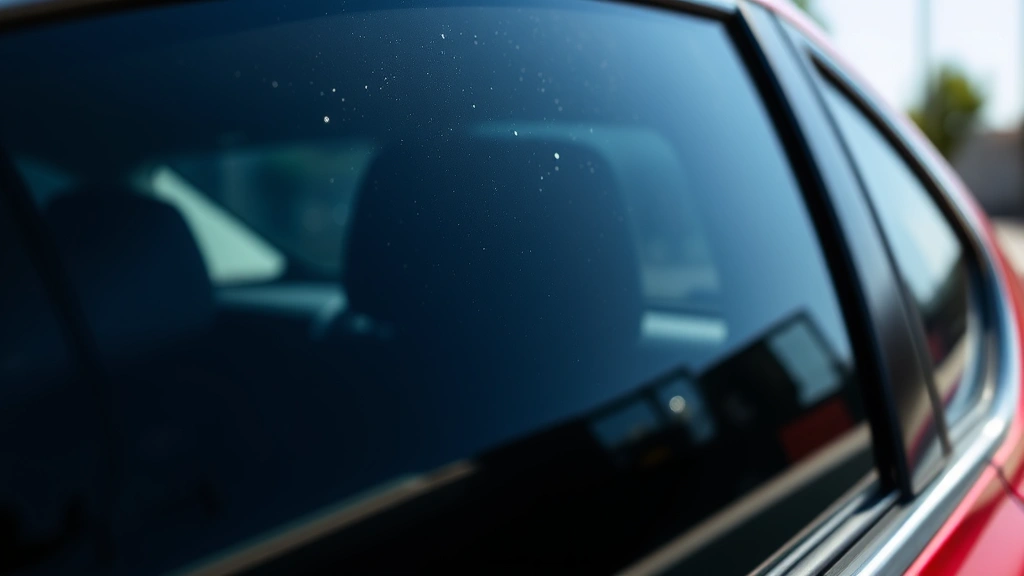
Beyond darkness standards, California prohibits certain types of tinting materials based on their reflective properties. Metallic, mirrored, or highly reflective tints are illegal on California vehicles, regardless of whether they comply with VLT requirements. This restriction applies to all windows, including rear windows where darkness levels are otherwise unrestricted.
The prohibition on reflective tints serves multiple purposes. Reflective tints can interfere with law enforcement visibility during traffic stops, creating safety concerns for officers. Additionally, reflective tints can cause visibility problems for other drivers, particularly in bright sunlight when the reflection becomes blinding. California’s restriction protects both public safety and law enforcement operational effectiveness.
Many popular aftermarket tint products marketed nationally include metallic or reflective properties. California drivers must specifically request non-reflective tints or verify product specifications before purchasing. Professional installers familiar with California law typically stock only compliant products and actively discourage customers from using non-compliant materials.
Determining whether a tint violates reflectivity standards requires careful examination. Some tints appear to have a slight metallic sheen while remaining technically non-reflective. Law enforcement officers apply judgment during enforcement, but the safest approach involves selecting tints explicitly marketed as compliant with California law.
Penalties and Enforcement
California enforces window tinting laws through traffic citations issued by law enforcement officers. A violation of Vehicle Code Section 26708 constitutes an infraction, which carries financial penalties but does not result in criminal charges or jail time for first-time offenders.
The penalties for window tinting violations include:
- Base fines typically ranging from $25 to $100 for the infraction itself
- Court assessments and processing fees that can double or triple the base fine
- Vehicle correction orders requiring removal of non-compliant tinting
- Proof of correction submission requirements showing the tint has been removed
Total costs for a first-time tinting violation often reach $200 to $300 when all court fees are included. Repeat violations carry higher penalties, and some jurisdictions impose additional fines for failure to remove non-compliant tinting after citation.
Law enforcement officers have discretion in enforcing tinting laws. Some officers prioritize tinting violations during specific enforcement campaigns, while others cite violations primarily when they encounter vehicles during traffic stops for other reasons. This discretionary enforcement means that some non-compliant vehicles never receive citations, while others are cited multiple times.
Proof of correction represents a critical requirement after receiving a citation. The cited driver must have the non-compliant tinting removed and provide documentation to the court, typically through a correction notice from a law enforcement officer or certified statement from a professional tinting removal service. Failure to provide proof of correction can result in additional penalties and license suspension.
Understanding how to appeal a court decision becomes relevant for drivers who believe a tinting citation was issued incorrectly. Traffic court appeals follow specific procedures, and drivers have the right to contest citations if they believe they were unlawfully issued.
How to Challenge a Tinting Violation
Drivers who receive window tinting citations have several options for response. The most straightforward approach involves compliance—removing non-compliant tinting and providing proof of correction. However, drivers who believe the citation was issued in error have the right to contest it in traffic court.
Effective defenses to tinting citations are limited but exist in specific circumstances. A valid defense requires demonstrating that either the tinting actually complies with California law or that the officer made a procedural error in issuing the citation. Claiming that you didn’t know about the law or that your tinting looks compliant does not constitute a valid legal defense.
To build a strong defense, drivers should:
- Document the exact VLT percentage of their window tint with professional measurement equipment
- Obtain written statements from professional tinting installers confirming compliance
- Photograph the vehicle from various angles and lighting conditions
- Research whether the specific tint product is marketed as California-compliant
- Gather any receipts or documentation from the tinting installation
Traffic court proceedings for tinting violations are relatively informal. The officer who issued the citation typically testifies about their observations and the basis for determining non-compliance. Drivers can cross-examine the officer and present their own evidence, including expert testimony from professional tinting services.
Many drivers successfully contest citations by presenting professional documentation showing their tint meets California standards. If the officer relied on visual inspection rather than VLT measurement, and professional testing shows compliance, the court may dismiss the citation. However, if professional testing confirms non-compliance, contesting the citation becomes futile, and drivers should instead focus on timely removal and correction filing.
The legal concepts involved in traffic court proceedings relate to broader principles of evidence and procedure. Learning about best law schools in the US might inspire interest in these procedural topics, though most drivers need only understand basic traffic court mechanics to handle their own citations.
Some drivers consider hiring traffic attorneys to contest tinting violations. The cost of attorney representation typically ranges from $500 to $2,000, making it economically rational only when facing multiple citations or when employment depends on maintaining a clean driving record. For single-citation situations, drivers can effectively represent themselves in traffic court.
California’s window tinting regulations might seem overly restrictive compared to USA crazy laws in other contexts, but they reflect legitimate safety and law enforcement concerns. Understanding the rationale behind these regulations helps drivers appreciate why California maintains stricter standards than neighboring states.
FAQ
Can I have any darkness level on my rear windows in California?
Yes, California permits any level of darkness on rear side windows and rear windshields. You can apply extremely dark or reflective tints to rear windows without violating the law. However, reflective or metallic tints remain prohibited even on rear windows due to reflectivity restrictions rather than darkness limits.
What is the exact VLT percentage required for California front windows?
California requires at least 70% VLT for front side windows. This means your tint can block no more than 30% of visible light. The windshield can only have non-reflective tint on the upper six inches.
Do I need a medical exemption to get darker tints?
Only if your front side windows exceed the 70% VLT standard. If your tinting meets California’s standard requirements, no medical exemption is necessary. Medical exemptions are specifically for individuals with documented medical conditions requiring darker tints than normally permitted.
How can I verify my tint complies with California law?
Professional tinting shops can measure your windows using VLT meters to verify compliance. You can also request documentation of VLT percentages at installation. If cited, you can obtain professional testing to demonstrate compliance as a defense.
What happens if I don’t remove non-compliant tinting after receiving a citation?
Failure to provide proof of correction can result in additional penalties, fines, and potential license suspension. The court will set a deadline for removing the tinting and submitting proof of correction. Missing this deadline has serious consequences.
Are factory-tinted windows subject to the same rules as aftermarket tints?
Yes, California law applies equally to factory and aftermarket tints. However, factory tints from vehicle manufacturers are presumed to comply with state law, so you’re unlikely to receive a citation for factory-installed tinting.
Can I apply for a medical exemption without a physician’s letter?
No, medical exemptions require documented physician confirmation of a qualifying medical condition. The DMV will not grant exemptions based solely on personal claims of medical need.
What should I do if I believe a tinting citation was issued incorrectly?
You have the right to contest the citation in traffic court. Gather professional documentation of your tint’s VLT percentage, obtain written statements from installers, and prepare to present evidence challenging the officer’s observations. If your tint actually complies with California standards, the court may dismiss the citation.
Are there any exceptions to California’s tinting laws for specific vehicle types?
California’s tinting laws apply uniformly to all vehicles, including sedans, SUVs, trucks, and vans. Commercial vehicles, law enforcement vehicles, and government vehicles may have different rules, but standard civilian vehicles must comply with the regulations outlined in Vehicle Code Section 26708.
Can I get a refund if a tinting shop installed non-compliant tint?
This depends on your contract with the tinting shop and whether they represented the tint as California-compliant. If they installed non-compliant tint despite assuring you it met California standards, you may have a valid consumer protection claim. Small claims court provides an accessible forum for recovering the tinting cost in such situations.


