
Dominican Republic Drinking Age: A Lawyer’s Complete Legal Insight
The Dominican Republic maintains one of the most permissive drinking age laws in the Caribbean and Latin America. Unlike the United States, where the legal drinking age is uniformly 21 years old across all states, the Dominican Republic sets its legal drinking age at 18 years old. This relatively low threshold reflects broader cultural attitudes toward alcohol consumption in Caribbean nations and has significant implications for tourists, residents, and businesses operating within the country.
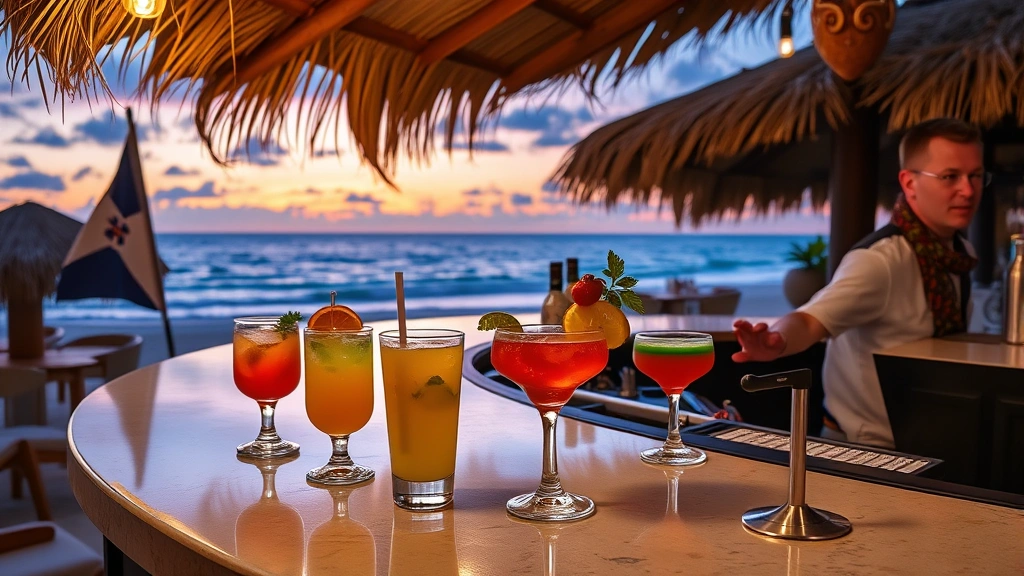
Understanding Dominican Republic drinking laws is essential for anyone planning to visit or relocate to this tropical destination. Whether you’re a tourist enjoying a mojito at a beachfront resort or a business owner operating a bar or nightclub, comprehending the legal framework surrounding alcohol consumption protects you from potential violations and ensures compliance with local regulations. This comprehensive guide examines the drinking age requirements, enforcement mechanisms, and related legal considerations that affect alcohol consumption in the Dominican Republic.
Legal Drinking Age in the Dominican Republic
The Dominican Republic establishes 18 years old as the minimum legal drinking age for all alcoholic beverages, including beer, wine, and spirits. This age requirement applies equally to Dominican citizens and foreign nationals within the country’s jurisdiction. The law does not differentiate between types of alcohol—an 18-year-old can legally purchase and consume any category of alcoholic drink without legal restriction.
This drinking age aligns the Dominican Republic with many European and Caribbean nations that recognize adulthood at 18. The legal framework stems from the Dominican Constitution and various statutory regulations governing alcohol distribution and consumption. Unlike some jurisdictions with tiered drinking ages (such as allowing beer and wine at lower ages than spirits), Dominican law maintains a uniform minimum age across all alcoholic beverages.
The age requirement applies in all settings: bars, restaurants, nightclubs, retail stores, and private establishments. Establishments serving alcohol must verify customer age through valid identification documents. While enforcement varies by location and establishment, the legal obligation to check identification exists throughout the Dominican Republic.
Alcohol Sales and Distribution Laws
The Dominican Republic regulates alcohol sales through specific licensing requirements and operational restrictions. Businesses selling alcoholic beverages must obtain proper permits from relevant government authorities, typically the municipal government and alcohol regulatory bodies. These licenses specify the types of alcohol that can be sold and operating hours for each establishment.
Off-premise sales (liquor stores, supermarkets, convenience stores) generally face fewer time restrictions than on-premise establishments (bars, nightclubs, restaurants). Many off-license retailers can sell alcohol during extended hours, including early morning and late evening periods. However, on-premise establishments often face restrictions on operating hours, particularly regarding closing times for bars and nightclubs.
The Dominican government regulates alcohol production, importation, and distribution to ensure quality standards and tax compliance. Imported beverages must meet specific regulatory requirements, and domestic producers must adhere to health and safety standards. Violations of licensing requirements or operating outside permit parameters can result in significant penalties, including business closure and substantial fines.
Retailers must refuse sales to customers appearing intoxicated or unable to provide valid identification. This responsibility extends to all employees involved in alcohol transactions. Training staff on age verification and refusal procedures is essential for legal compliance.
Enforcement and Penalties
Dominican authorities enforce drinking age laws through municipal police, alcohol regulatory inspectors, and establishment monitoring. Enforcement intensity varies by region, with tourist areas and major cities typically experiencing more rigorous oversight than rural areas. Police conduct periodic inspections of bars, nightclubs, and retail establishments to verify compliance with age restrictions and licensing requirements.
Penalties for selling alcohol to minors in the Dominican Republic include substantial fines that can range from thousands to tens of thousands of Dominican pesos (depending on the specific violation and circumstances). Business owners and individual employees can face personal liability for violations. Repeated offenses may result in license revocation, effectively closing the business.
For individuals under 18 found consuming alcohol, penalties vary based on circumstances and location. While criminal prosecution is less common for minors, parents or guardians may face legal consequences. Establishments serving minors face the most severe penalties, as they violate business licensing requirements and alcohol sales regulations.
Enforcement also addresses public intoxication and disorderly conduct. Individuals creating disturbances while intoxicated may face arrest and prosecution under general criminal statutes. This applies regardless of whether the intoxication occurred in an establishment or public space.
Tourist Considerations and Travel Safety
Tourists visiting the Dominican Republic should understand that the 18-year-old drinking age applies equally to visitors. Many young travelers from the United States or other countries with higher drinking ages may be unaccustomed to legal alcohol consumption, making responsible drinking practices particularly important.
Valid identification is essential for purchasing alcohol. Tourists should carry their passport or international identification at all times, as establishments will request proof of age. Without proper identification, service will be refused regardless of appearance or claims about age. Digital copies of identification documents may not be accepted; physical documents are generally required.
Tourist areas, resort destinations, and popular nightlife districts typically enforce age verification more strictly than casual neighborhood bars. All-inclusive resorts often have their own alcohol service policies that may be more restrictive than Dominican law requires. Guests should familiarize themselves with resort-specific rules.
Safety concerns related to alcohol consumption warrant attention. Tourists should exercise caution regarding drink safety, particularly in unfamiliar establishments. Never leave beverages unattended, be aware of surroundings while consuming alcohol, and use trusted transportation methods rather than driving after drinking.
Business Regulations for Bars and Nightclubs
Entrepreneurs operating bars, nightclubs, and other on-premise alcohol establishments must navigate substantial regulatory requirements. Licensing involves multiple government agencies and requires documentation of premises, ownership, management structure, and operational plans. The application process can be lengthy and may require local municipal approval and community input.
Establishment owners must implement age verification procedures for all customers. This includes training staff on identification verification techniques, recognizing fraudulent documents, and properly refusing service to underage individuals or those without identification. Documented training programs demonstrate due diligence in compliance efforts.
Hours of operation are typically specified in business licenses. Different establishments may face different restrictions based on location (residential versus commercial areas) and license classification. Violating operating hour restrictions can result in fines and license suspension.
Liability issues extend beyond age verification. Establishments can face civil liability for injuries caused by intoxicated patrons, particularly if staff continued serving visibly intoxicated individuals. This legal concept, often called “dram shop liability,” holds businesses accountable for irresponsible service practices.
Businesses should maintain detailed records of alcohol purchases, sales, and inventory. These records facilitate tax compliance and demonstrate regulatory adherence during inspections. Regular staff training on responsible service practices protects both the establishment and the public.
Driving Under the Influence Laws
The Dominican Republic maintains strict drunk driving laws that operate independently from drinking age regulations. Driving under the influence (DUI) is a serious criminal offense with severe penalties including imprisonment, substantial fines, vehicle impoundment, and license suspension or revocation.
Blood alcohol concentration (BAC) limits apply to all drivers. The legal limit is typically 0.08% for standard drivers, with lower limits for commercial drivers and those with prior DUI convictions. Law enforcement conducts breath tests and blood tests to determine BAC levels at traffic stops and accident scenes.
Penalties for DUI convictions escalate with severity and prior offense history. First-time offenders face significant fines (potentially tens of thousands of pesos), license suspension (typically 6-12 months), and possible jail time. Repeat offenses result in longer license suspensions, higher fines, and mandatory imprisonment.
Accidents causing injury or death while driving under the influence elevate charges to more serious criminal offenses with correspondingly harsh penalties. Drivers should never operate vehicles after consuming alcohol, regardless of personal assessment of impairment level.
Understanding civil versus criminal law becomes relevant in DUI cases, as victims may pursue both criminal prosecution and civil damage claims against impaired drivers.
Comparing Caribbean Drinking Age Laws
The Dominican Republic’s 18-year-old drinking age reflects regional patterns throughout the Caribbean. Most Caribbean nations establish 18 as the minimum legal drinking age, creating a relatively uniform legal landscape across the region. However, variations exist in enforcement intensity, licensing procedures, and penalties for violations.
Jamaica, Puerto Rico, Trinidad and Tobago, and Barbados all maintain 18-year-old minimum drinking ages. This consistency facilitates travel throughout the Caribbean for individuals of legal drinking age. However, tourists should recognize that while the drinking age may be uniform, other alcohol-related regulations vary significantly between jurisdictions.
The United States maintains a 21-year-old federal drinking age, creating potential confusion for American tourists. Young Americans accustomed to prohibition in their home country may be unfamiliar with responsible alcohol consumption practices. This age differential has led to increased alcohol-related incidents involving American tourists in Caribbean destinations.
International travelers should research specific regulations of each destination they plan to visit. What is legal in one jurisdiction may be prohibited in another. Familiarity with local laws prevents unintentional violations and ensures safer, more enjoyable travel experiences.
Health and Social Considerations
While the Dominican Republic permits alcohol consumption at age 18, public health concerns regarding early alcohol access persist. Medical research consistently demonstrates that early alcohol consumption correlates with increased risks of addiction, liver disease, and alcohol-related accidents. Public health advocates in many Caribbean nations, including the Dominican Republic, continue discussing whether minimum drinking age increases would reduce these health risks.
The Dominican government implements various public health initiatives addressing alcohol-related issues, including drunk driving prevention campaigns, alcohol abuse treatment programs, and community education efforts. These initiatives operate alongside legal enforcement mechanisms to reduce alcohol-related harms.
Pregnant women and individuals with specific health conditions should avoid alcohol entirely. Healthcare providers in the Dominican Republic, as in all nations, advise abstinence during pregnancy due to fetal alcohol syndrome risks. Medical professionals should be consulted regarding alcohol consumption in the context of specific health conditions or medications.
Cultural Context and Attitudes Toward Alcohol
Caribbean culture generally reflects relatively permissive attitudes toward adult alcohol consumption. The Dominican Republic, with its strong tourism industry and vibrant nightlife, embraces alcohol as a normal component of social and recreational activities. Rum production and consumption hold particular cultural significance, with Dominican rum gaining international recognition for quality and craftsmanship.
Social drinking is deeply embedded in Dominican culture, with alcohol consumption accompanying celebrations, family gatherings, and informal social events. This cultural context influences how alcohol regulations are developed and enforced, often prioritizing adult access while still maintaining age restrictions for minors.
Understanding cultural context helps visitors and residents appreciate the broader legal framework. Alcohol regulations reflect societal values and practical considerations specific to Caribbean communities, rather than simply mirroring restrictions from other regions.
Practical Legal Compliance for Visitors and Residents
Visitors to the Dominican Republic should maintain valid identification at all times, respect establishment policies regarding alcohol service, and consume alcohol responsibly. Understanding that intoxication does not excuse illegal behavior is essential—individuals remain subject to all criminal laws regardless of alcohol consumption.
Residents and business owners should familiarize themselves thoroughly with applicable regulations. Consulting with local legal counsel regarding licensing requirements, operational procedures, and compliance documentation ensures proper adherence to Dominican law. Professional legal guidance proves invaluable when establishing or operating alcohol-serving businesses.
Those facing legal issues related to alcohol violations should seek representation from attorneys experienced in Dominican law. Legal professionals can navigate the Dominican judicial system, negotiate with authorities, and develop defense strategies in criminal or administrative proceedings.
Learning about legal education and professional development in law can benefit those seriously interested in understanding Caribbean legal systems more comprehensively, though immediate concerns can be addressed through local legal consultation.
FAQ
What is the legal drinking age in the Dominican Republic?
The legal drinking age in the Dominican Republic is 18 years old. This applies to all alcoholic beverages including beer, wine, and spirits. The age requirement is uniform and applies equally to Dominican citizens and foreign nationals.
Can tourists drink alcohol in the Dominican Republic at age 18?
Yes, tourists aged 18 or older can legally purchase and consume alcohol in the Dominican Republic. Valid identification is required, and tourists should carry their passport or international identification document. Resort and establishment-specific policies may impose additional restrictions beyond legal requirements.
What identification is required to purchase alcohol in the Dominican Republic?
Valid government-issued identification is required to purchase alcohol. Acceptable documents typically include passports, national ID cards, and driver’s licenses. Digital copies are generally not accepted; physical documents are required. Establishments have the right to refuse service to individuals unable to provide valid identification.
What are the penalties for selling alcohol to minors in the Dominican Republic?
Penalties for selling alcohol to minors include substantial fines (potentially thousands to tens of thousands of Dominican pesos), business license suspension or revocation, and personal liability for business owners and employees. Repeated violations can result in permanent business closure.
Is drunk driving illegal in the Dominican Republic?
Yes, driving under the influence is a serious criminal offense in the Dominican Republic. The legal blood alcohol concentration limit is typically 0.08% for standard drivers. Penalties include fines, license suspension or revocation, vehicle impoundment, and imprisonment. Accidents causing injury or death result in more severe charges.
Can bars refuse to serve alcohol to someone over 18?
Yes, establishments can refuse service to anyone appearing intoxicated, without valid identification, or for other business reasons. Responsible service practices require staff to refuse service to visibly intoxicated individuals regardless of age. Establishments have legal authority to set their own service policies within regulatory guidelines.
Are there different drinking ages for different types of alcohol in the Dominican Republic?
No, the Dominican Republic maintains a uniform 18-year-old minimum drinking age for all types of alcohol. Beer, wine, and spirits all require the same age verification and legal minimum age for consumption and purchase.
How is the drinking age law enforced in the Dominican Republic?
Enforcement occurs through municipal police, alcohol regulatory inspectors, and periodic establishment inspections. Enforcement intensity varies by region, with tourist areas and major cities typically experiencing more rigorous oversight. Violations can result in fines, license suspension, and criminal prosecution.
What should American tourists know about Dominican drinking laws?
American tourists aged 18-20 who cannot legally drink in the United States can legally consume alcohol in the Dominican Republic. However, they should exercise responsible drinking practices, maintain valid identification, respect establishment policies, and understand that intoxication does not excuse illegal behavior. Never drive after consuming alcohol.
Are there specific hours when alcohol sales are restricted in the Dominican Republic?
Operating hours for alcohol sales are typically specified in individual business licenses and vary by establishment type and location. Off-premise retailers may have extended hours, while on-premise establishments (bars, nightclubs) often face specific closing time requirements. Businesses should verify their specific license requirements with local authorities.


