
New License Law: Driving Without Penalty? Expert View
Recent legislative developments across multiple jurisdictions have sparked significant debate about driving without a valid license and whether new laws provide relief from traditional penalties. This comprehensive analysis examines the current legal landscape, explores what these new regulations actually mean for drivers, and separates fact from fiction regarding potential penalty exemptions.
Understanding the distinction between civil law versus criminal law becomes crucial when evaluating how these new statutes apply to unlicensed driving scenarios. While some jurisdictions have introduced reforms, the fundamental legal consequences of operating a motor vehicle without proper licensing remain serious in most contexts.
Understanding the New License Laws
The term “new license law” encompasses various legislative initiatives introduced in recent years across different states and jurisdictions. These reforms typically address issues such as license suspension procedures, reinstatement requirements, and in some cases, graduated penalty structures for first-time offenders. However, it’s essential to clarify that “driving without penalty” is largely a misconception rather than a legal reality in most jurisdictions.
Several states have implemented more lenient approaches to license suspension, particularly for non-criminal violations like administrative infractions. These reforms often focus on providing alternative pathways for license restoration and reducing the duration of suspensions for specific violations. For example, some jurisdictions now allow drivers to obtain restricted licenses for essential activities such as commuting to work or attending medical appointments while their full driving privileges are suspended.
The National Highway Traffic Safety Administration and various state motor vehicle departments have documented these legislative trends. Some reforms specifically target situations where drivers face license suspension due to unpaid fines or administrative oversights rather than safety violations. These distinctions matter significantly when determining what penalties actually apply.
Additionally, certain jurisdictions have introduced “hardship licenses” or “occupational licenses” that permit limited driving for employment and essential purposes. Understanding whether your state offers such alternatives is crucial for anyone facing license suspension or restriction.
Criminal Penalties for Unlicensed Driving
Despite new legislative reforms, driving without a valid license remains a criminal or quasi-criminal offense in virtually all U.S. jurisdictions. The severity of penalties depends on several factors, including whether the license was suspended, revoked, or never obtained in the first place.
First-time offenders typically face misdemeanor charges, which can result in fines ranging from $100 to $500, depending on the jurisdiction. However, penalties escalate significantly for repeat offenders or when driving with a suspended license due to serious violations such as DUI convictions or reckless driving.
Possible criminal consequences include:
- Fines: Generally ranging from $100-$1,000 for first offenses, increasing substantially for subsequent violations
- Jail time: Up to 90 days for misdemeanor convictions, potentially extending to six months or longer for repeat offenses
- Community service: Courts may impose 20-100 hours of community service as an alternative or supplementary penalty
- License suspension extension: Additional suspension periods added to existing restrictions
- Probation: Supervised probation periods that may include regular check-ins with probation officers
The specific penalties applied depend on the reason for the license suspension or revocation. If your license was suspended due to unpaid traffic fines or administrative reasons, penalties may be less severe than if it was revoked following a DUI conviction.
Civil Liability and Insurance Implications
Beyond criminal penalties, driving without a valid license creates significant civil liability exposure. If you’re involved in an accident while driving unlicensed, insurance companies may deny claims, leaving you personally responsible for all damages, medical expenses, and property repairs.
Understanding consumer legal rights becomes important when dealing with insurance claim denials related to unlicensed driving. Most auto insurance policies contain explicit clauses excluding coverage for drivers operating vehicles without valid licenses.
Civil consequences include:
- Insurance claim denial: Your insurance provider may refuse to cover damages you caused or sustained
- Personal liability exposure: You become personally responsible for accident-related costs, potentially including significant medical bills and property damage
- Increased insurance premiums: If you eventually restore your license and obtain coverage, rates will increase substantially
- Difficulty obtaining future coverage: Insurance companies may refuse to insure you or require high-risk policies with elevated premiums
- Civil lawsuits: Injured parties may pursue personal injury claims directly against you in small claims court or civil court proceedings
These civil implications often create more significant financial consequences than the criminal penalties themselves. A single accident can result in tens of thousands of dollars in liability exposure.
Exceptions and Special Circumstances
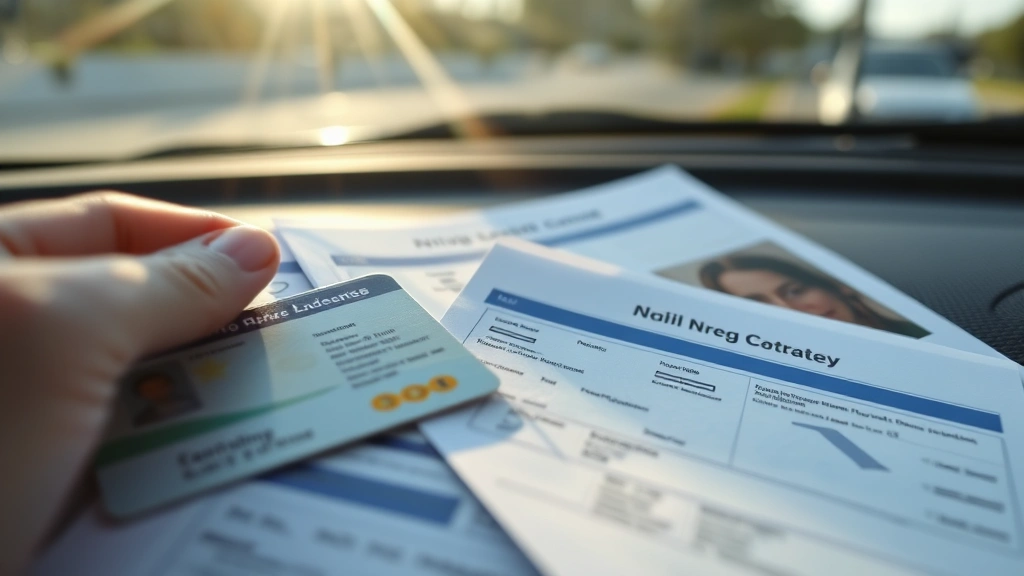
While driving without a license generally carries serious consequences, certain exceptions and special circumstances may apply depending on your jurisdiction and specific situation.
Valid License in Another State: If you hold a valid driver’s license from another state and haven’t been notified that it’s suspended or revoked in your current location, you may have a viable defense. However, you should verify the status of your license in all states where you’ve held licenses.
Administrative Errors: In rare cases, administrative errors by the motor vehicle department may provide a defense. If the department incorrectly suspended your license without proper notice, you may have grounds to challenge the traffic citation.
Hardship and Occupational Licenses: Many states permit drivers with suspended licenses to obtain restricted licenses for essential purposes. These limited licenses allow driving to work, medical appointments, and court-ordered programs while the suspension remains in effect.
License Renewal Delays: Some jurisdictions distinguish between driving with an expired license versus a suspended or revoked license. Expired licenses may carry lesser penalties, particularly if renewal was delayed due to circumstances beyond your control.
Certain Professional Drivers: Commercial drivers and some professional categories may have different rules or exemptions under specific circumstances.
State-by-State Variations
License laws vary significantly across jurisdictions, making it essential to understand the specific regulations in your state. Some states have implemented more progressive reform measures, while others maintain stricter enforcement policies.
States with Hardship License Programs: Many states including California, New York, Florida, and Texas offer occupational or hardship licenses that permit limited driving during suspension periods. These programs have expanded in recent years as part of broader criminal justice reform efforts.
States with Graduated Penalties: Some jurisdictions have implemented tiered penalty structures where first-time offenders face reduced penalties compared to repeat violators. This approach encourages compliance while providing some leniency for initial violations.
States with Administrative Alternatives: Certain states allow drivers to address suspensions through payment plans, traffic school completion, or other administrative remedies rather than solely through criminal prosecution.
Researching your state’s specific statutes through your National Highway Traffic Safety Administration resources or state motor vehicle department website is crucial for understanding applicable penalties and available alternatives.
Steps to Take If Cited
If you’ve been cited for driving without a valid license, taking immediate action can significantly impact the outcome of your case.
First Steps After Citation: Document the circumstances of the citation, including the officer’s statements about why you were stopped and what violations were cited. Note the date, time, location, and any witnesses present. This information will be valuable if you decide to challenge the citation.
Verify License Status: Contact your state’s motor vehicle department immediately to verify your license status. Confirm whether your license is suspended, revoked, or expired, and understand the specific reason for any suspension or revocation.
Explore Available Options: Investigate whether your state offers hardship licenses, occupational licenses, or other alternatives that might address your situation. These programs can provide immediate relief while you work toward full license restoration.
Understand Related Legal Concepts: Familiarize yourself with contract and law principles as they relate to your citation, particularly regarding any agreements you may have made regarding your license status or traffic violations.
Consult with an Attorney: Before responding to the citation or pleading guilty, consult with a traffic attorney who understands local court procedures and can evaluate your specific circumstances. Many jurisdictions offer public defenders for those unable to afford private counsel.
Gather Supporting Documentation: Collect any documents that support your case, including correspondence from the motor vehicle department, proof of license renewal applications, medical records if relevant, or employment documentation related to hardship license applications.
Consider Court Options: Some jurisdictions offer traffic diversion programs, deferred adjudication, or other alternatives that can reduce or eliminate penalties if you successfully complete program requirements. Your attorney can determine if such options apply to your case.
Plan for License Restoration: Develop a concrete plan for restoring your license, whether through paying outstanding fines, completing required courses, or fulfilling other requirements. Demonstrating proactive steps toward compliance can positively influence court outcomes and future interactions with the motor vehicle department.
FAQ
Can I drive with an expired license under new laws?
Most states distinguish between expired licenses and suspended or revoked licenses. Driving with an expired license is typically treated less seriously than driving with a suspended license. However, you should renew your license immediately, as penalties still apply for expired license violations. Some states have extended grace periods for renewal, particularly during public health emergencies, so check your state’s current policies.
Do new license laws eliminate penalties for unlicensed driving?
No. While some jurisdictions have implemented more lenient approaches to license suspension and restoration, driving without a valid license remains illegal in all U.S. jurisdictions. New laws typically focus on providing alternatives like hardship licenses and more flexible reinstatement procedures rather than eliminating penalties entirely.
What’s the difference between a suspended and revoked license?
A suspended license is a temporary restriction, typically lasting a specified period. Once the suspension period ends and any requirements are met, your license is automatically restored. A revoked license is permanently canceled, and you must reapply and retake tests to obtain a new license. Revocations typically result from serious violations like multiple DUIs or reckless driving convictions.
Can I get a hardship license while my license is suspended?
Many states offer hardship or occupational licenses that permit driving for essential purposes during suspension periods. Eligibility requirements vary by state and reason for suspension. Contact your state’s motor vehicle department or consult with a traffic attorney to determine if you qualify.
What should I do if I’m stopped while my license is suspended?
Remain calm and polite. Provide the officer with your identification and registration. You have the right to remain silent beyond providing required information. Do not admit to knowing your license was suspended. Contact an attorney before responding to any citation or making statements to law enforcement.
How can I restore my license after suspension?
License restoration procedures vary by state and suspension reason. Generally, you must wait out the suspension period, pay outstanding fines, complete required courses or programs, and meet any other conditions imposed by the court or motor vehicle department. Your state’s motor vehicle department website provides specific restoration procedures and requirements.
Will driving without a license affect my insurance?
Yes, significantly. If you’re involved in an accident while driving unlicensed, your insurance company may deny coverage claims, leaving you personally liable for all damages. Additionally, once you restore your license and obtain coverage, your rates will increase substantially due to the violation on your driving record.
Can I challenge a citation for driving without a license?
Possibly. Valid defenses may include administrative errors, valid licenses in other states, or situations where you weren’t properly notified of suspension. An experienced traffic attorney can evaluate your specific circumstances and determine if challengeable grounds exist. Many jurisdictions also offer alternative resolution options like traffic diversion programs.


