
Understanding Greece Drinking Laws: Legal Overview
Greece, with its rich history of wine production and Mediterranean culture, has established a comprehensive framework of drinking laws designed to protect public health and safety. Understanding these regulations is essential for both residents and visitors to the country. Greece’s approach to alcohol regulation combines European Union directives with national legislation that reflects the nation’s cultural heritage and contemporary public health concerns.
The legal landscape surrounding alcohol consumption in Greece encompasses age restrictions, licensing requirements, public consumption rules, and penalties for violations. These laws apply across all regions of Greece, including the mainland and island territories. Whether you’re planning a vacation to Greece or relocating there, familiarity with these drinking laws ensures compliance and helps you navigate social situations appropriately.
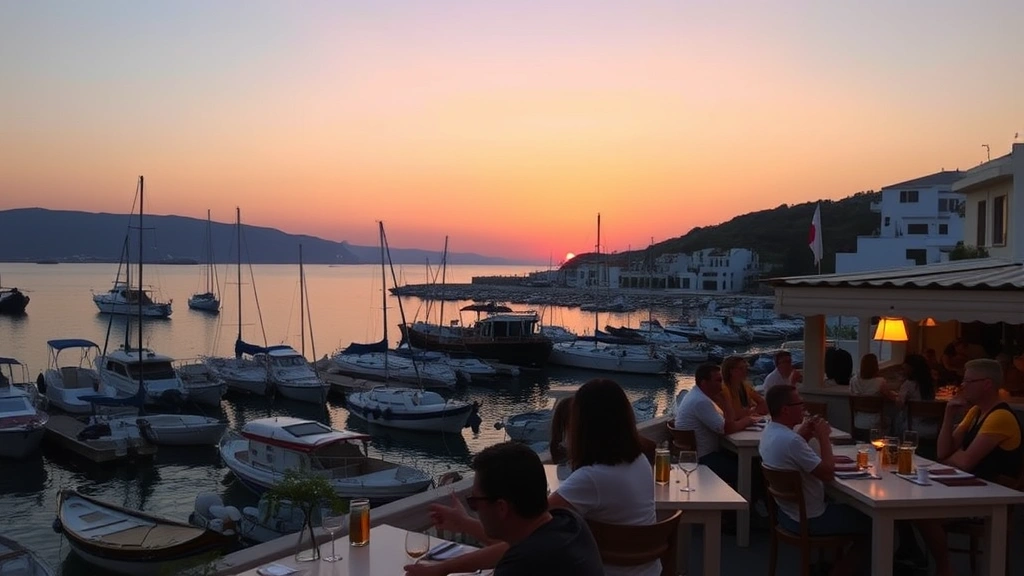
Legal Drinking Age in Greece
The legal drinking age in Greece is 18 years old, which aligns with most European Union member states. This age requirement applies to all alcoholic beverages, including beer, wine, and spirits. The law is consistently enforced across the country, and establishments selling alcohol are required to verify the age of customers who appear to be under 25 years old.
Greece’s approach to underage drinking reflects broader European public health initiatives. The legal drinking age of 18 represents the age at which individuals are considered adults under Greek law and are therefore permitted to purchase and consume alcohol. However, parental supervision of minors consuming alcohol in private settings is generally permitted, though this varies by region and family discretion.
Establishments that sell alcohol to underage customers face significant penalties. Bar owners, restaurant managers, and retail workers can be held personally liable for serving alcohol to minors. This responsibility extends to all venues, from traditional tavernas to modern nightclubs. Age verification is not merely a suggestion but a legal obligation that carries serious consequences for non-compliance.

Alcohol Sales and Licensing Requirements
In Greece, any establishment seeking to sell alcoholic beverages must obtain proper licensing from local authorities. The licensing process involves submitting applications to municipal offices and meeting specific operational requirements. Different types of licenses exist depending on the category of alcohol being sold and the type of establishment.
Retailers selling packaged alcohol, such as wine shops and supermarkets, must maintain separate licenses from on-premises establishments like bars and restaurants. The Greek government regulates these operations through the Ministry of Finance and local municipal authorities. Business owners must demonstrate compliance with health and safety standards, proper record-keeping, and adherence to operating hours established by local regulations.
Operating hours for alcohol sales vary by region and type of establishment. Some municipalities enforce strict closing times for bars and nightclubs, typically between 2:00 AM and 4:00 AM, while off-premises retailers may have different hours. These regulations are designed to reduce public disorder and promote responsible consumption patterns. Violations of licensing requirements or operating hour restrictions can result in fines, license suspension, or permanent revocation.
The licensing fee structure in Greece is designed to fund regulatory oversight and public health initiatives. Business owners must renew their licenses annually and maintain compliance with all applicable regulations. Changes in ownership, location, or business operations require updated licensing documentation and approval from municipal authorities.
Public Consumption and Restrictions
While Greece permits alcohol consumption in designated venues, public drinking in certain locations is restricted or prohibited. Open-container laws prevent individuals from consuming alcohol in public spaces such as streets, parks, and beaches, though enforcement varies by municipality. Some areas have designated drinking zones, while others maintain stricter prohibitions.
Local ordinances in Athens, Thessaloniki, and other major cities often include specific regulations about public drinking. For example, consuming alcohol on public transportation is generally prohibited, and drinking in parks may be restricted to designated areas. Violations of public consumption rules can result in fines ranging from €50 to €500, depending on the severity and local regulations.
Beaches represent a unique category in Greek drinking law. While alcohol consumption is permitted in many beach areas, some municipalities have implemented bans on glass bottles to prevent injuries and environmental damage. Visitors should check local regulations before bringing alcohol to beaches, as enforcement has increased in popular tourist destinations.
Private establishments maintain their own policies regarding alcohol consumption. Restaurants and bars can refuse service to intoxicated individuals and have the authority to ask patrons to leave. Greek hospitality culture emphasizes responsible service, and bartenders are trained to recognize signs of excessive intoxication and intervene appropriately.
Driving Under the Influence Laws
Greece maintains strict driving under the influence laws that are comparable to standards across the European Union. The legal blood alcohol content (BAC) limit for drivers is 0.05%, which is lower than the limits in some other countries. For professional drivers and those with less than three years of driving experience, the limit is even stricter at 0.02%.
Law enforcement agencies conduct regular sobriety checkpoints, particularly during weekends and holiday periods. Police officers can request breath tests or blood tests when they suspect impaired driving. Refusing to submit to testing carries penalties equivalent to those for driving under the influence, making compliance mandatory.
Penalties for exceeding the legal BAC limit include fines, license suspension, and potentially imprisonment for repeat offenders. First-time offenders with a BAC between 0.05% and 0.09% face fines starting at €200 and temporary license suspension. Higher BAC levels or causing accidents while impaired result in significantly harsher penalties, including substantial fines and extended license revocation.
Understanding the difference between felony and misdemeanor charges becomes relevant when DUI cases involve serious accidents or injuries. In Greece, serious traffic violations resulting in injury can be prosecuted as criminal offenses rather than administrative violations, potentially leading to imprisonment.
Penalties and Enforcement
Greece enforces drinking laws through a combination of police, municipal authorities, and health inspectors. Penalties vary depending on the nature of the violation, ranging from administrative fines to criminal prosecution. The Greek legal system distinguishes between different categories of violations, with corresponding graduated penalties.
Administrative violations, such as public drinking or underage sales, typically result in fines. These fines are collected by municipal authorities and can be paid directly or contested through administrative appeals. The process is relatively straightforward for minor violations, though serious breaches can escalate to criminal proceedings.
Criminal prosecution applies to serious violations, such as selling alcohol to minors repeatedly, operating without proper licensing, or causing harm while intoxicated. These cases proceed through the regular court system and can result in imprisonment sentences. Courts consider factors such as prior violations, the severity of harm caused, and whether the violation was intentional or negligent.
Enforcement priorities have shifted in recent years, with increased focus on protecting minors and reducing alcohol-related traffic accidents. Police departments in major cities have dedicated units focused on underage drinking prevention and DUI enforcement. Public awareness campaigns complement enforcement efforts, promoting responsible consumption and safe driving practices.
Special Regulations for Minors
Greece’s laws provide enhanced protections for minors concerning alcohol. In addition to the prohibition on purchasing and consuming alcohol under age 18, Greek law restricts advertising of alcoholic beverages in ways that appeal to minors. Marketing regulations prohibit depicting minors consuming alcohol or suggesting that alcohol consumption enhances youth appeal or athletic performance.
Educational institutions in Greece include alcohol education in school curricula, teaching students about health risks and legal consequences of underage drinking. Parents and educators are encouraged to communicate about responsible attitudes toward alcohol. The government supports prevention programs targeting adolescents, particularly in secondary schools.
Minors found in possession of alcohol or consuming alcohol in public can face consequences including parental notification, community service, or mandatory education programs. The focus is generally rehabilitative rather than purely punitive, reflecting a commitment to youth development and harm reduction.
Family law considerations arise when minors are involved in alcohol-related incidents. Parents may be held liable for damages caused by their children’s alcohol consumption, particularly if parental supervision was inadequate. This legal responsibility encourages parents to actively monitor and restrict their children’s access to alcohol.
EU Compliance and International Standards
As a European Union member state, Greece aligns its drinking laws with EU directives and regulations. The European Union establishes minimum standards for alcohol regulation, focusing on health protection, consumer information, and market harmonization. Greece’s national laws often exceed these minimum standards, reflecting stricter public health policies.
The EU requires member states to implement alcohol labeling regulations, providing consumers with information about alcohol content and health warnings. Greece complies with these requirements, ensuring that all alcoholic beverages sold within the country display appropriate labels. Producers must provide accurate information about ingredients and potential allergens.
International cooperation on alcohol regulation involves exchange of best practices and coordinated enforcement efforts. Greece participates in regional initiatives addressing alcohol-related harm, including cross-border trafficking prevention and public health campaigns. These collaborative efforts strengthen the effectiveness of national regulations.
Understanding administrative law principles helps explain how Greece implements EU directives at the national level. Administrative agencies translate international standards into practical regulations, establishing procedures for licensing, enforcement, and appeals.
Visitors to Greece should be aware that consumer protection laws extend to alcohol purchases. Retailers must provide accurate information about products, and consumers have rights to safe, properly labeled products. These protections ensure that both residents and tourists receive reliable information about alcohol products.
IMAGE_2
Regional Variations and Local Ordinances
While national laws provide the framework for drinking regulations, Greek municipalities have authority to establish local ordinances that may be more restrictive. Island communities, for example, may implement stricter rules regarding nighttime noise and public disorder associated with alcohol consumption. Major tourist destinations sometimes enforce special regulations during peak seasons.
Athens has implemented specific regulations in certain neighborhoods to address public drinking and associated social issues. Local ordinances may restrict the hours during which bars can operate or prohibit new bar licenses in saturated areas. These measures reflect efforts to balance tourism development with quality of life for residents.
Crete, Rhodes, and other popular tourist islands have their own regulatory approaches. Some island communities have established designated entertainment zones where alcohol consumption is permitted with fewer restrictions, while residential areas maintain stricter rules. Visitors should inquire about local regulations when arriving in different regions.
Religious and cultural considerations influence some local regulations. In areas with significant religious communities, municipalities may impose stricter Sunday restrictions or limit alcohol sales during religious holidays. These variations reflect Greece’s respect for cultural traditions and religious practices.
Responsible Service and Industry Standards
The hospitality industry in Greece adheres to responsible service standards, with bar staff and restaurant servers trained to recognize signs of intoxication and manage patrons appropriately. Industry associations promote best practices in alcohol service, including age verification procedures, pacing of drinks, and food provision alongside alcohol consumption.
Many establishments display health warnings about alcohol’s effects during pregnancy and driving. Staff training programs emphasize the legal and ethical responsibilities associated with alcohol service. Professional bartenders pursue certifications in responsible service, demonstrating commitment to public health and legal compliance.
Customer education is an important component of responsible service. Establishments provide information about standard drink sizes, alcohol content, and health recommendations. Some venues offer non-alcoholic alternatives and encourage designated driver programs, promoting safe practices among patrons.
The Greek Hotel Association and restaurant industry organizations work with government agencies to establish and maintain service standards. These collaborative efforts create a culture of responsibility within the hospitality sector, benefiting both businesses and communities.
IMAGE_3
Practical Guidance for Visitors and Residents
For those visiting Greece, understanding drinking laws ensures a safe and legally compliant experience. Visitors should carry identification to verify age when purchasing alcohol, as retailers are required to verify age for anyone appearing under 25. Respecting local customs regarding alcohol consumption enhances cultural integration and prevents misunderstandings.
Residents establishing themselves in Greece should familiarize themselves with local regulations in their specific municipality. Registering for residency and obtaining necessary permits requires understanding local administrative procedures. Those planning to operate businesses involving alcohol sales must navigate the licensing process carefully, consulting with local authorities and legal professionals.
Expatriate communities in Greece often provide resources about local regulations and cultural practices. These communities can offer practical advice about navigating Greek bureaucracy and understanding enforcement patterns in different regions. Connecting with established networks facilitates smoother integration and legal compliance.
Understanding how the legal profession operates in Greece, including information about how long is law school and the structure of legal practice, can be helpful for those needing legal assistance. Greek lawyers specializing in administrative and criminal law can provide guidance on alcohol-related violations and disputes.
Dispute resolution regarding alcohol licensing or regulatory violations may involve administrative appeals or court proceedings. Those facing penalties or legal challenges should seek professional legal counsel. Resources like law pay systems may assist with managing legal fees and costs associated with representation.
FAQ
What is the legal drinking age in Greece?
The legal drinking age in Greece is 18 years old. This applies to all alcoholic beverages, including beer, wine, and spirits. Establishments selling alcohol are required to verify age for customers appearing under 25 years old.
What is the blood alcohol limit for driving in Greece?
The legal blood alcohol content (BAC) limit for drivers in Greece is 0.05%. Professional drivers and those with less than three years of driving experience face a stricter limit of 0.02%. Exceeding these limits results in fines, license suspension, and potential imprisonment.
Can I drink alcohol in public places in Greece?
Public drinking is restricted in many Greek municipalities, though rules vary by location. Consuming alcohol on public transportation, in certain parks, and in designated no-drinking zones is prohibited. Some beaches restrict glass bottles. Check local ordinances in your specific area.
What are the penalties for selling alcohol to minors in Greece?
Selling alcohol to minors in Greece results in significant fines and potential license suspension or revocation. Business owners and employees can face personal liability. Repeat violations may lead to criminal prosecution and imprisonment.
Are there regional differences in drinking laws across Greece?
Yes, Greek municipalities have authority to establish local ordinances that may be more restrictive than national laws. Operating hours for bars, public drinking rules, and licensing policies vary by region. Major cities and tourist areas often have specific regulations addressing local concerns.
What should visitors know about alcohol laws in Greece?
Visitors should carry identification to verify age, respect local customs regarding alcohol consumption, and familiarize themselves with regulations in their specific destination. Public intoxication and driving under the influence are strictly enforced. Responsible consumption and awareness of local rules ensure a safe experience.
How does Greece enforce drinking laws?
Greece enforces drinking laws through police, municipal authorities, and health inspectors. Enforcement includes age verification at point of sale, sobriety checkpoints on roads, and monitoring of licensed establishments. Penalties range from administrative fines to criminal prosecution depending on violation severity.


