
SVU Latest Episode: Legal Insights and Real-World Applications
Law & Order: SVU continues to captivate audiences by dramatizing complex criminal cases that reflect genuine legal challenges within the justice system. Each episode presents intricate scenarios involving sexual assault, domestic violence, and exploitation—topics that demand both emotional sensitivity and rigorous legal analysis. The show’s writers collaborate with legal consultants to ensure procedural accuracy, making it a valuable resource for understanding how investigations unfold, evidence is gathered, and cases proceed through prosecution. Beyond entertainment, these episodes illuminate the intersection of criminal law, victim advocacy, and prosecutorial strategy that shapes real-world outcomes.
Recent episodes have tackled increasingly nuanced legal territory, from consent and digital evidence to institutional accountability and trauma-informed investigation techniques. As the series evolves, it reflects contemporary shifts in how law enforcement approaches sensitive crimes, what evidence courts now recognize, and how systemic reforms attempt to protect vulnerable populations. Understanding these legal frameworks provides context for the dramatic tensions portrayed on screen while offering insight into actual legal procedures that survivors and their families navigate.
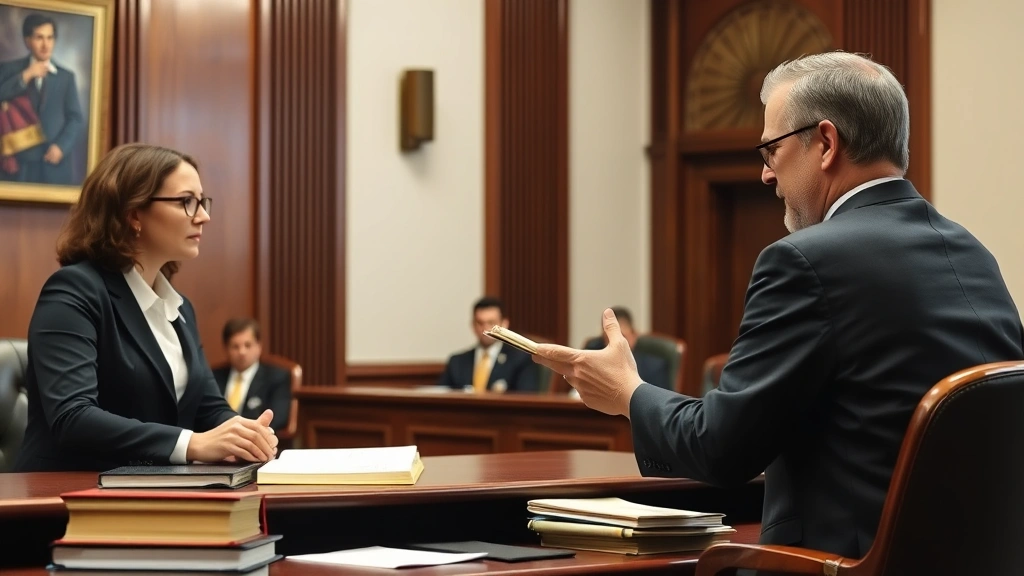
How SVU Episodes Mirror Real Criminal Procedure
The procedural foundation of Law & Order: SVU rests on accurate representation of criminal investigation and prosecution protocols. Each episode typically follows a recognizable arc: initial complaint, detective investigation, evidence collection, suspect interrogation, grand jury presentation, and trial. This structure mirrors actual practice in jurisdictions across the United States, though television compression means real cases span months or years rather than 42 minutes.
Criminal procedure begins when a victim or witness reports a crime to law enforcement. Detectives must establish probable cause—a legal standard requiring sufficient evidence that a crime occurred and a specific person committed it. The show accurately depicts how detectives interview witnesses, collect forensic evidence, and build investigative timelines. However, real investigations involve significantly more paperwork, legal review, and coordination with prosecutors before any arrest warrant is issued.
The public interest law perspective is crucial here, as many SVU investigations involve vulnerable populations—minors, undocumented immigrants, individuals with cognitive disabilities—whose rights require special protection. Real detectives must navigate mandatory reporting requirements, victim confidentiality laws, and consent protocols that protect these populations while securing prosecutable evidence.
Grand jury proceedings, depicted in many episodes, represent a critical procedural checkpoint. Prosecutors present evidence to grand juries, which determine whether probable cause exists to charge defendants with crimes. Unlike trials, grand jury proceedings occur without defendants present, and the standard is significantly lower than the ‘beyond reasonable doubt’ standard required for conviction. The show occasionally simplifies this process but generally conveys its importance in filtering out weak cases before trial.
Miranda rights and custodial interrogation feature prominently in SVU episodes, reflecting genuine constitutional protections. The 1966 Supreme Court decision in Miranda v. Arizona requires law enforcement to inform suspects of their rights before custodial questioning. The show accurately depicts how suspects invoking their right to counsel must have questioning cease, and how statements obtained in violation of Miranda are typically inadmissible at trial. However, the show sometimes compresses the time detectives spend obtaining confessions compared to real interrogations.
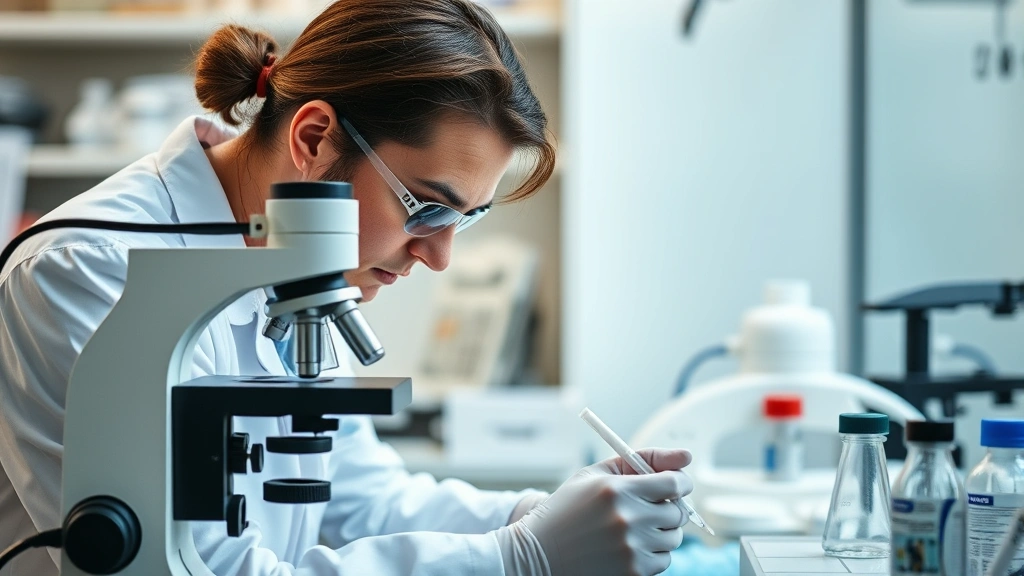
Sexual Assault Investigation and Evidence Standards
Sexual assault investigations present unique evidentiary challenges that SVU episodes frequently explore. Unlike many crimes with clear physical evidence or multiple witnesses, sexual assault cases often involve credibility determinations and complex forensic analysis. Modern investigations increasingly rely on DNA evidence, which can establish or exclude suspects with scientific certainty. The show accurately depicts how DNA samples are collected, analyzed, and compared to databases like CODIS (Combined DNA Index System).
However, DNA evidence alone doesn’t always prove guilt—it establishes presence or contact. Prosecutors must still prove the encounter was non-consensual, which requires corroborating evidence: witness testimony, medical documentation of injuries, behavioral evidence, or the victim’s account. Recent episodes have highlighted how trauma responses—freezing, delayed reporting, inconsistent recollection—don’t diminish credibility but reflect normal neurobiological reactions to sexual assault.
Forensic evidence collection follows strict chain-of-custody protocols to ensure admissibility. Crime scene investigators document evidence location, photograph items before collection, and maintain detailed records of who handled evidence and when. The show depicts these procedures reasonably accurately, though it compresses the extensive documentation process. Real forensic analysis takes weeks or months; SVU episodes typically show results within days.
Rape kit examination—the medical and forensic assessment performed on sexual assault victims—represents a critical evidence source. These exams document injuries, collect biological evidence, and create medical records that corroborate victim accounts. Historically, thousands of rape kits remained untested, but recent initiatives have prioritized analysis of backlogged kits, sometimes identifying serial offenders years after assaults. SVU episodes have incorporated this reality, showing how cold cases are solved through previously unanalyzed evidence.
Consent remains the legal and moral crux of sexual assault cases. Consent requires voluntary agreement to sexual contact; it can be withdrawn at any time, and the absence of ‘no’ doesn’t constitute ‘yes.’ The show has increasingly explored consent complexities: intoxication, power dynamics, incapacity, and coercion. Recent episodes have depicted how perpetrators exploit vulnerabilities rather than using force, reflecting how many real assaults occur.
Prosecutorial Strategy and Victim Advocacy
Assistant District Attorney Dominick Carisi, the show’s primary prosecutor character, embodies modern prosecutorial philosophy emphasizing victim advocacy alongside justice system effectiveness. His approach reflects genuine trends in how specialized sex crimes units handle cases, prioritizing victim preferences while pursuing legal accountability.
Prosecutors face strategic decisions about which cases to charge, what charges to pursue, and what evidence to prioritize. SVU episodes show prosecutors declining weak cases despite victim desire to prosecute—a difficult but legally sound decision. Pursuing cases likely to fail at trial wastes resources and risks acquittals that may psychologically harm victims. Conversely, prosecutors sometimes overreach with charges that juries are unlikely to convict on, risking similar outcomes.
Victim impact statements, depicted in trial scenes, represent formal opportunities for victims to address courts about assault effects. These statements inform sentencing and demonstrate to juries how crimes affected real people beyond abstract legal violations. The show portrays emotional victim testimony accurately, though real trials involve extensive witness preparation and legal constraints on what victims can express.
Plea negotiations feature prominently in SVU episodes and real practice. Most criminal cases resolve through plea agreements rather than trials, with defendants pleading guilty to lesser charges in exchange for reduced sentences. Prosecutors must balance victim preferences against practical considerations: trial uncertainty, victim trauma from testifying, and resource constraints. The show depicts these tensions realistically, showing how victims sometimes feel betrayed by plea deals while understanding prosecutorial reasoning.
The relationship between detectives and prosecutors appears throughout SVU. Real investigations require close collaboration between law enforcement and prosecutors, who may advise detectives on evidence collection, interview strategies, and legal constraints. The show depicts occasional friction between these professionals, reflecting genuine disagreements about case strategy that occur in actual practice.
Digital Evidence and Modern Crime Investigation
Recent SVU episodes increasingly feature digital evidence—text messages, social media posts, location data, and online communications—that reflects how modern crimes are investigated. Digital evidence presents novel legal questions: privacy expectations, search warrant requirements for devices and accounts, and authentication procedures.
Law enforcement seeking to search suspects’ phones or computers typically need search warrants based on probable cause. However, the legal landscape remains unsettled regarding digital privacy. The 2014 Supreme Court decision in Riley v. California established that police cannot search phones incident to arrest without warrants, recognizing the vast personal information phones contain. SVU episodes have depicted this requirement, showing detectives obtaining warrants before accessing suspects’ devices.
Social media evidence presents authentication challenges. Prosecutors must establish that posts actually originated from defendants, not imposters or hacked accounts. Screenshots alone may be insufficient; prosecutors often need testimony from social media platform representatives or device forensics confirming who created posts. The show has increasingly explored these authentication issues, depicting how digital evidence must meet evidentiary standards despite seeming obviously probative.
Revenge porn and non-consensual intimate image sharing feature in recent episodes, reflecting emerging laws criminalizing distribution of intimate images without consent. These laws vary by jurisdiction but increasingly recognize that such distribution causes serious harm. Prosecution requires proving the images are intimate, that distribution was without consent, and that the defendant distributed them—a chain of proof the show depicts with increasing accuracy.
Location data from phones and cellular networks can establish whether suspects were present at crime scenes. The show depicts subpoenas for cell tower records and GPS data, though it sometimes oversimplifies how this evidence is obtained and analyzed. Real location evidence requires technical expertise and careful interpretation, as cellular data provides approximate rather than precise locations.
Institutional Accountability and Reform
SVU episodes increasingly address systemic failures: police misconduct, prosecutorial overreach, institutional corruption, and victim-blaming within law enforcement. These storylines reflect real problems that criminal justice reform advocates have documented extensively. The show depicts how individual officers’ biases, inadequate training, and institutional indifference compound victims’ trauma.
Police misconduct allegations appear regularly in recent episodes. When detectives fabricate evidence, coerce confessions, or discriminate against victims based on identity, cases collapse and perpetrators escape accountability. SVU portrays consequences: suppressed evidence, dismissed charges, civil liability. These outcomes reflect actual legal remedies: Brady violations (prosecutors’ failure to disclose exculpatory evidence), Giglio violations (failure to disclose witness credibility issues), and Section 1983 civil rights lawsuits.
The show has explored how family law intersects with sex crimes, particularly regarding custody disputes where abuse allegations arise. Episodes depict tensions between protecting children and avoiding weaponizing family law against ex-partners. Accurate representation requires distinguishing genuine abuse from false allegations while recognizing that actual abuse often appears in custody contexts.
Institutional reform initiatives depicted in recent episodes—specialized training, victim advocates, evidence-based investigation practices—reflect real-world improvements. Many jurisdictions now employ victim advocates who support survivors throughout investigation and prosecution, improving outcomes and victim wellbeing. Detective training increasingly emphasizes trauma-informed investigation, recognizing that survivors’ responses reflect neurobiology rather than credibility problems.
The show has also depicted how institutional accountability mechanisms sometimes fail. Episodes show how powerful individuals exploit position, how institutions protect wrongdoers to avoid scandal, and how victims struggle against entrenched systems. These narratives reflect documented problems in universities, religious institutions, and workplaces where abuse has been systematized or concealed.
Cold case investigations, featured throughout the series, demonstrate how advancing forensic technology and evolving legal standards enable prosecution of old crimes. DNA technology has exonerated hundreds of wrongfully convicted individuals while solving decades-old cases. SVU episodes depicting cold case breakthroughs through DNA analysis or digital evidence reflect genuine investigative successes.
FAQ
How accurate is SVU’s legal procedure?
SVU maintains reasonable accuracy regarding criminal procedure, investigation methods, and prosecution strategy. However, television compression means real cases take much longer, involve more paperwork, and proceed less dramatically. The show generally depicts legal standards and evidentiary requirements correctly, though it occasionally oversimplifies complex forensic or digital evidence.
Can confessions obtained during SVU-style interrogations be used at trial?
Only if the interrogation complied with constitutional requirements. Miranda warnings must be given before custodial questioning, suspects invoking counsel rights must have questioning cease, and confessions cannot result from coercion or deception that shocks the conscience. Confessions obtained in violation of these standards are inadmissible. SVU generally depicts these requirements accurately.
What evidence is required to prosecute sexual assault cases?
Prosecutors must prove non-consent beyond reasonable doubt. Evidence may include victim testimony, DNA evidence, medical documentation, witness accounts, digital communications, and behavioral evidence. No single evidence type is required; cases are built through corroborating evidence from multiple sources. The show depicts this multi-faceted approach reasonably well.
How do plea negotiations work in sex crime cases?
Prosecutors and defense attorneys negotiate potential sentence ranges in exchange for guilty pleas. Victims may provide input about whether they prefer plea agreements or trials, though prosecutors make ultimate charging decisions. Judges must approve plea agreements, ensuring they’re voluntary and knowing. SVU depicts these negotiations accurately, showing victim involvement and prosecutorial discretion.
What happens when police evidence is determined to be inadmissible?
Inadmissible evidence cannot be presented at trial. If prosecutors lack admissible evidence proving guilt beyond reasonable doubt, cases may be dismissed. This occurred in real cases depicted in SVU episodes where detective misconduct resulted in evidence suppression. Prosecutors can appeal dismissals, but appellate courts typically uphold trial judges’ evidentiary rulings absent clear legal error.
How has SVU addressed evolving consent standards?
Recent episodes depict consent as affirmative agreement, not absence of objection. The show explores how intoxication, power dynamics, and coercion vitiate consent. Episodes have addressed affirmative consent laws adopted in many states and universities, requiring explicit agreement to sexual contact. This evolution reflects genuine legal and cultural shifts in understanding sexual autonomy.


