
Florida Booster Seat Law Explained by Attorney
Child safety in vehicles remains one of the most critical concerns for Florida parents and caregivers. Understanding the specific requirements of Florida’s booster seat law is essential to protect children from serious injury or death during vehicle accidents. This comprehensive guide breaks down the legal obligations, age requirements, weight specifications, and penalties associated with Florida’s child restraint statutes.
Florida law mandates that children meet specific criteria before they can transition from booster seats to standard seat belts. Failure to comply with these regulations can result in traffic citations, fines, and more importantly, put your child at significant risk. As an attorney specializing in traffic and family law matters, I’ve reviewed countless cases where proper child restraint could have prevented tragedy.
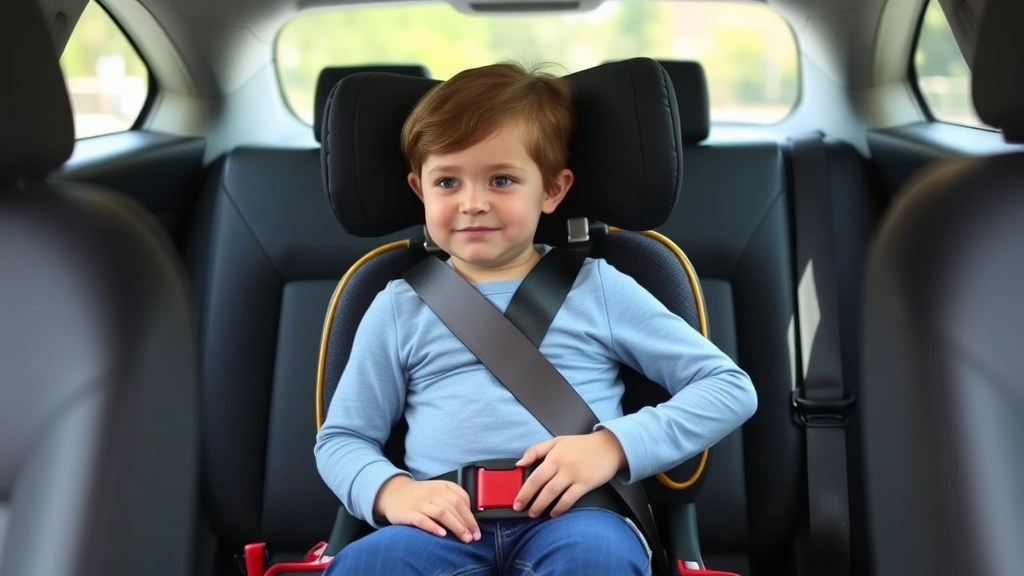
Florida Booster Seat Law Requirements
Florida Statute 316.613 establishes the state’s comprehensive child restraint requirements. Under this statute, all children under 18 years old must be properly restrained while riding in a motor vehicle. The law specifically addresses booster seats as a critical safety device for children who have outgrown infant and convertible car seats but are not yet large enough for standard adult seat belts to fit properly.
The primary purpose of booster seat legislation is to position the child correctly so that the vehicle’s lap and shoulder belts can restrain them safely during a collision. A booster seat elevates the child, allowing the shoulder belt to cross the chest properly rather than across the neck or face, and the lap belt to rest on the hips rather than the abdomen. This proper positioning significantly reduces the risk of internal injuries during vehicular accidents.
Florida law requires that children remain in a booster seat until they reach either the age of 8 years old or attain a height of 4’9″. However, many child safety experts recommend continuing booster seat use even after meeting the legal minimum, as children continue to benefit from proper positioning until they reach full adult size, typically around age 12 or when they weigh approximately 100 pounds.
Parents and guardians are responsible for ensuring compliance with these requirements. This responsibility cannot be delegated to childcare providers, school transportation, or other caregivers without explicit instructions and verification. The law holds the vehicle’s registered owner or driver accountable for violations, regardless of who is supervising the child at any given moment.

Age and Weight Guidelines
Understanding the specific age and weight thresholds under Florida law is crucial for determining which restraint system your child requires. Florida’s booster seat law uses a tiered approach based on the child’s age and physical development, recognizing that children develop at different rates and require different types of restraint at different stages.
For children from birth to approximately 2 years old or weighing less than 30-35 pounds, Florida law requires the use of a rear-facing infant car seat. These seats provide the best protection for a young child’s head, neck, and spine during a collision. Rear-facing seats distribute crash forces across the entire back and head, providing superior protection compared to forward-facing alternatives.
Children between 2 and 7 years old, or those weighing between 30-65 pounds, must use either a forward-facing car seat with a harness system or a high-back booster seat with a lap and shoulder belt. During this critical stage, the transition depends on the individual child’s size and maturity level. Many safety experts recommend keeping children in forward-facing car seats with harnesses as long as possible, as these seats provide superior protection compared to booster seats.
Once children reach 8 years old or achieve a height of 4’9″, they may transition to using a standard seat belt without a booster seat. However, this transition should only occur when the child can sit properly with their back against the vehicle seat, knees bent at the edge of the seat, and feet touching the floor. If the child cannot maintain this position, they should continue using a booster seat.
Weight considerations also play a significant role in determining appropriate restraint systems. Booster seats typically accommodate children weighing between 40-100 pounds, though this varies by manufacturer. Parents should always consult the specific booster seat’s manual to ensure their child falls within the appropriate weight range, as using a booster seat outside these parameters can compromise safety.
Types of Approved Booster Seats
Florida recognizes two primary categories of booster seats that comply with state safety standards. High-back booster seats feature a backrest that provides head and neck support, while backless booster seats elevate the child without providing back support. Both types are legal under Florida law when used correctly, though they offer different advantages depending on the vehicle and child.
High-back booster seats are particularly beneficial for vehicles without headrests or with low-quality headrests. They provide additional head and neck support during side-impact collisions and help position the shoulder belt correctly across the child’s chest. These seats are also easier to use correctly, as the backrest provides a visual guide for proper belt positioning.
Backless booster seats are more portable and convenient for parents who frequently move the seat between vehicles. They work well in vehicles with properly functioning headrests and can be stored more easily than high-back models. However, they offer less head and neck support and require more active participation from the child to maintain proper positioning.
All booster seats sold in the United States must meet federal safety standards established by the National Highway Traffic Safety Administration (NHTSA). When selecting a booster seat, parents should verify that the seat displays certification labels indicating compliance with these standards. The seat should also be compatible with the specific vehicle, as proper installation is critical for safety effectiveness.
Installation quality directly impacts booster seat safety. Many parents incorrectly install booster seats, reducing their effectiveness significantly. Florida offers free car seat inspection services through various organizations and law enforcement agencies. Parents should take advantage of these services to ensure their booster seat is installed correctly and positioned appropriately for their child.
Penalties and Fines
Violating Florida’s child restraint law carries significant penalties designed to encourage compliance and protect child safety. Understanding these consequences can motivate parents and guardians to maintain proper restraint systems for their children at all times.
The primary penalty for violating Florida’s booster seat law is a traffic citation with associated fines. A first violation typically results in a fine of up to $30, though this amount may increase if the violation occurs in a school zone or construction zone. While this fine amount may seem modest, it reflects the state’s recognition that violations are traffic infractions rather than criminal offenses.
However, the financial consequences extend beyond the initial fine. Traffic citations for child restraint violations may impact your vehicle insurance rates, resulting in higher premiums over multiple policy periods. Additionally, accumulation of traffic violations can lead to license suspension or other driving privileges restrictions.
More significantly, child restraint violations can have serious consequences in family law matters. If a parent or guardian is cited for failing to properly restrain a child, this violation can be introduced as evidence in custody disputes, demonstrating a failure to prioritize the child’s safety. Courts consider such violations when making custody and visitation decisions, potentially resulting in loss of custody or restricted visitation rights.
In cases where a child is injured in a vehicle accident and was not properly restrained, the failure to use appropriate restraint systems can be considered negligence. This negligence can expose parents to civil liability, potentially resulting in significant financial damages. Additionally, in extreme cases involving serious injury or death, prosecutors may consider charging parents with child endangerment or other criminal offenses.
Exceptions to Booster Seat Rules
While Florida law provides clear guidelines for booster seat usage, the statute does include specific exceptions where booster seats are not required. Understanding these exceptions is important, though they apply only in limited circumstances.
Medical exceptions represent the primary category of legitimate booster seat exemptions. If a child has a medical condition that makes booster seat usage unsafe or impossible, a physician may issue a written certificate exempting the child from booster seat requirements. Such certificates typically require specific medical justification and must be carried in the vehicle when the child is being transported. Parents seeking medical exemptions should consult with their child’s pediatrician or specialist to determine whether such an exemption is appropriate.
Children who are 15 years old or older are exempt from booster seat requirements under Florida law. At this age, the statute presumes that children are sufficiently developed to use standard seat belts safely. However, many safety experts recommend continued proper seat belt usage throughout the teenage years, as teenagers are involved in a disproportionate number of vehicle accidents.
Certain types of vehicles may have exemptions, though these are limited. For example, vehicles manufactured before seat belt systems were standard may have exemptions, though such vehicles are increasingly rare. Additionally, vehicles used exclusively for commercial purposes or certain types of transportation may have different requirements under specific circumstances.
It is important to note that perceived exceptions, such as short trips, familiar routes, or low-speed driving, do not provide legal justification for avoiding booster seat usage. Many serious accidents occur on short trips in familiar areas at relatively low speeds, making booster seat protection equally important in these situations.
Safe Driving Practices
Proper booster seat usage represents only one component of comprehensive child vehicle safety. Parents and guardians should implement additional safe driving practices to minimize accident risk and protect children from injury.
Defensive driving techniques significantly reduce accident risk. Maintaining appropriate speeds, leaving adequate following distance, avoiding distracted driving, and remaining vigilant for potential hazards all contribute to safer vehicle operation. Parents should model these safe driving behaviors for their children, instilling good habits that children will carry into their own driving years. If you need guidance on traffic violations related to safe driving practices, consider consulting a qualified traffic attorney who can review your specific situation.
Vehicle maintenance ensures that critical safety systems function properly. Regular inspection of brakes, tires, lights, and steering components reduces the likelihood of mechanical failures that could cause accidents. Parents should also ensure that air bags are functioning properly and that children are positioned appropriately relative to air bag deployment zones.
Proper vehicle seating positions children away from air bag deployment areas. Children should always ride in the back seat until they reach age 13, as rear seating provides better protection than front seating for younger passengers. The middle rear seat offers the most protection, followed by the rear window seats. Front seat airbags can cause serious injury to children positioned too close to deployment areas.
Parents should educate children about vehicle safety from an early age. Teaching children the importance of booster seat usage, proper seat belt positioning, and appropriate vehicle behavior creates safety-conscious habits. Children who understand the reasons behind safety requirements are more likely to comply willingly and to practice safe behaviors as adult drivers.
Regular vehicle safety checks should include verification that booster seats remain properly installed and positioned. Over time, seats can shift or become loose, reducing their effectiveness. Parents should periodically inspect booster seat installation and make adjustments as necessary. Additionally, as children grow, parents should reassess whether the current booster seat remains appropriate for the child’s size and development stage.
Communication with other caregivers ensures consistent safety practices. If your child spends time with grandparents, childcare providers, or other adults, ensure that they understand and follow proper booster seat requirements. Provide clear instructions and verify that appropriate booster seats are available in all vehicles the child uses regularly.
FAQ
At what age can a child stop using a booster seat in Florida?
Under Florida law, a child may stop using a booster seat when they reach 8 years old or attain a height of 4’9″, whichever occurs first. However, many child safety experts recommend continued booster seat usage until children reach age 12 or weigh approximately 100 pounds, as this provides superior protection during development.
What is the fine for not using a booster seat in Florida?
Violating Florida’s child restraint law typically results in a fine of up to $30 for a first offense. However, fines may increase in school zones or construction zones, and violations can impact vehicle insurance rates and may have consequences in family law matters.
Can a child sit in the front seat with a booster seat in Florida?
While not explicitly prohibited by Florida law, child safety experts strongly recommend keeping children in the back seat until age 13, even with booster seats. Front seat positioning exposes children to airbag deployment risks and provides less protection during collisions.
Are backless booster seats legal in Florida?
Yes, backless booster seats are legal in Florida provided they meet federal safety standards and the child is within the appropriate weight range. However, high-back booster seats provide superior head and neck support and are recommended for most applications.
Do I need a booster seat for a child visiting from another state?
Yes, when a child is in Florida, Florida’s child restraint laws apply regardless of the child’s home state. All children under 18 must comply with Florida requirements while traveling in Florida vehicles.
What should I do if my child refuses to use a booster seat?
Parents should explain the importance of booster seat safety and establish clear expectations that booster seat usage is non-negotiable. Consistency and positive reinforcement help children accept safety requirements. If behavioral issues persist, consulting with a pediatrician or child psychologist may provide helpful strategies.
Are there resources for finding certified car seat technicians in Florida?
Yes, the National Highway Traffic Safety Administration (NHTSA) maintains a directory of certified child passenger safety technicians throughout Florida. Many local law enforcement agencies and hospitals also offer free car seat inspection services.


