
Is Matter Created or Destroyed? Legal Insight into the Law of Conservation of Matter
The law of conservation of matter stands as one of the fundamental principles in science, stating that matter cannot be created or destroyed—only transformed from one state to another. While this concept originates in physics and chemistry, its implications extend into the legal realm in surprising and significant ways. From environmental law to product liability, from evidence handling in criminal cases to contractual obligations involving physical goods, the law of conservation of matter influences how courts interpret disputes, assess damages, and determine responsibility.
Understanding how this scientific principle intersects with legal frameworks is essential for attorneys, business professionals, and individuals involved in litigation. When property damage occurs, when environmental contamination spreads, or when materials change form during manufacturing processes, the law of conservation of matter becomes relevant to establishing facts, calculating losses, and determining liability. This comprehensive guide explores the legal dimensions of matter conservation, examining how courts apply this principle across various practice areas and what it means for your rights and obligations.
The Scientific Foundation and Legal Relevance
The law of conservation of matter, first articulated by Antoine Lavoisier in the 18th century, provides a cornerstone for scientific understanding. This principle asserts that in a closed system, the total mass of matter remains constant, regardless of how substances transform, combine, or separate. While matter changes form—from solid to liquid to gas—the total amount of matter involved in any chemical reaction or physical transformation stays the same.
In legal contexts, this principle becomes crucial when courts must determine what happened to specific materials, whether liability attaches to parties who handled substances, and how to calculate damages when matter transforms during processes. When a manufacturing facility produces chemical waste, when a vehicle collision redistributes metal and plastic components, or when environmental contamination spreads through groundwater, the law of conservation of matter provides a framework for understanding and proving what occurred.
Legal professionals must recognize that while matter cannot disappear, it can become dispersed, contaminated, or transformed into less valuable forms. This distinction matters significantly in litigation. When establishing personal injury claim process damages or legal malpractice liability, understanding how matter transforms helps determine causation and quantify losses.
Conservation of Matter in Environmental Law
Environmental law frequently invokes the law of conservation of matter when addressing pollution, contamination, and waste management. The Environmental Protection Agency (EPA) and state environmental agencies rely on material balance equations to track pollutants through ecosystems. When a factory releases chemicals, those chemicals don’t vanish—they transform and disperse through air, water, and soil.
Tracking Pollutant Movement
Courts addressing environmental contamination cases use conservation of matter principles to establish liability chains. If a facility releases 10,000 gallons of hazardous material, environmental experts calculate where that material travels, how it transforms chemically, and what concentrations appear in affected areas. This scientific foundation strengthens legal arguments about causation and damages.
The Comprehensive Environmental Response, Compensation, and Liability Act (CERCLA) holds responsible parties accountable for contamination they caused. Conservation of matter principles help establish that specific pollutants originated from particular sources. When groundwater contamination spreads across property boundaries, lawyers use material tracking to prove that the defendant’s actions caused environmental harm to plaintiffs’ properties.
Waste Disposal and Regulatory Compliance
Hazardous waste regulations require facilities to account for every unit of material they handle. The law of conservation of matter demands that companies document where waste goes—whether it’s treated, stored, disposed, or transferred. Regulatory violations often stem from failure to account for material movement. When waste appears in unexpected locations, conservation of matter helps establish negligent handling or intentional dumping.
State and federal environmental statutes impose strict liability for certain contamination, meaning defendants bear responsibility even without proving negligence. The law of conservation of matter becomes evidence itself—if contamination matches material a facility handled, conservation principles establish the connection.
Product Liability and Material Transformation
Product liability cases often involve materials that transform during manufacturing or use. When a defective product causes injury, manufacturers face liability if they failed to maintain material integrity or properly account for hazardous substances within products.
Defect Discovery Through Material Analysis
When products fail catastrophically—from exploding batteries to collapsing structures—forensic experts analyze material composition to identify defects. Conservation of matter principles guide this analysis. If a product contained toxic materials that dispersed during failure, causing injuries, the manufacturer’s responsibility for that material matters legally.
In pharmaceutical product liability cases, conservation of matter helps establish whether manufacturers included proper ingredients in proper quantities. If a medication caused harm because it contained unexpected substances or lacked expected components, material analysis proves the defect. Courts rely on conservation principles to show that what patients ingested differed from what manufacturers claimed to provide.
Manufacturing Process Accountability
Manufacturing defects often involve material loss or contamination during production. When factories produce goods, conservation of matter requires accounting for all input materials. If output doesn’t match input accounting, something went wrong—materials were contaminated, misdirected, or improperly handled. This discrepancy can establish negligence or breach of warranty.
Evidence Preservation and Chain of Custody
Criminal and civil litigation depend on preserving physical evidence. The law of conservation of matter establishes that evidence cannot simply vanish—if evidence is missing, either it was never present, it was mishandled, or it was deliberately destroyed.
Chain of Custody Requirements
Legal procedures require documenting every person who handled physical evidence and what condition that evidence remained in. Conservation of matter principles underpin these requirements. Evidence materials don’t disappear; they either remain intact, degrade through normal processes, or are deliberately altered. If evidence quantity or quality changes unexpectedly, chain of custody breaks down.
Courts exclude evidence when chain of custody fails because the law of conservation of matter suggests tampering occurred. If a controlled substance weighs less than when initially seized, either evaporation occurred (chemically possible and documentable) or someone removed material (legally problematic). When parties cannot account for material changes, judges question evidence reliability.
Digital and Physical Evidence Integration
Modern litigation increasingly combines digital records with physical evidence. Conservation of matter extends to digital contexts metaphorically—data doesn’t disappear; it exists somewhere in systems. Lawyers investigating cases use conservation principles to argue that deleted files, destroyed documents, or missing evidence suggests consciousness of guilt. When parties cannot account for materials or information they should possess, legal inferences favor opposing parties.
Property Rights and Material Accountability
Property law fundamentally concerns material ownership and control. The law of conservation of matter establishes that owners remain responsible for materials they possess or control, even when those materials transform.
Nuisance and Trespass Liability
When property owners allow materials to escape their premises—dust, pollutants, noise vibrations—the law of conservation of matter establishes that those materials originated from the defendant’s property. Neighbors suing for nuisance or trespass use conservation principles to prove that defendant-owned materials invaded their property. Dust settling on neighboring land, groundwater contamination spreading from defendant’s site, or airborne particles drifting across boundaries all represent material movement that conservation of matter helps quantify and trace.
Bailment and Material Responsibility
When someone temporarily possesses another’s property (bailment), they must return it in proper condition. The law of conservation of matter establishes accountability—if material quantity or quality decreases, the bailee caused that loss. If stored goods deteriorate, the bailee may bear responsibility unless they exercised proper care. Conservation principles help courts determine whether loss resulted from normal degradation or negligent handling.
Manufacturing Defects and Material Integrity
Manufacturing defects frequently involve material integrity failures. When products contain foreign materials, lack required materials, or contain materials in wrong proportions, conservation of matter analysis reveals the defect.
Contamination in Food and Pharmaceuticals
Food and pharmaceutical manufacturing requires rigorous material control. When finished products contain unexpected substances—glass fragments, metal particles, harmful chemicals—manufacturers violated material integrity standards. Conservation of matter helps establish that these materials either came from manufacturing processes or entered products through inadequate quality control.
Strict liability applies in many product liability cases, meaning manufacturers bear responsibility for defects regardless of negligence. The law of conservation of matter provides evidence of defects. If analysis shows products contain materials manufacturers didn’t intend to include, liability attaches based on material evidence itself.
Structural and Mechanical Defects
In construction and machinery cases, conservation of matter helps identify whether proper materials were used in proper quantities. If a building collapse occurs and investigation shows that structural materials differ from specifications—wrong alloys, insufficient quantities, or improper composition—conservation principles establish the defect. Material analysis reveals whether contractors used specified materials or substituted inferior alternatives.
Insurance Claims and Material Loss Documentation
Insurance claims for property damage, business interruption, or liability require documenting material loss. The law of conservation of matter establishes that lost or damaged materials have value that can be calculated and recovered through insurance.
Proving Damage Extent
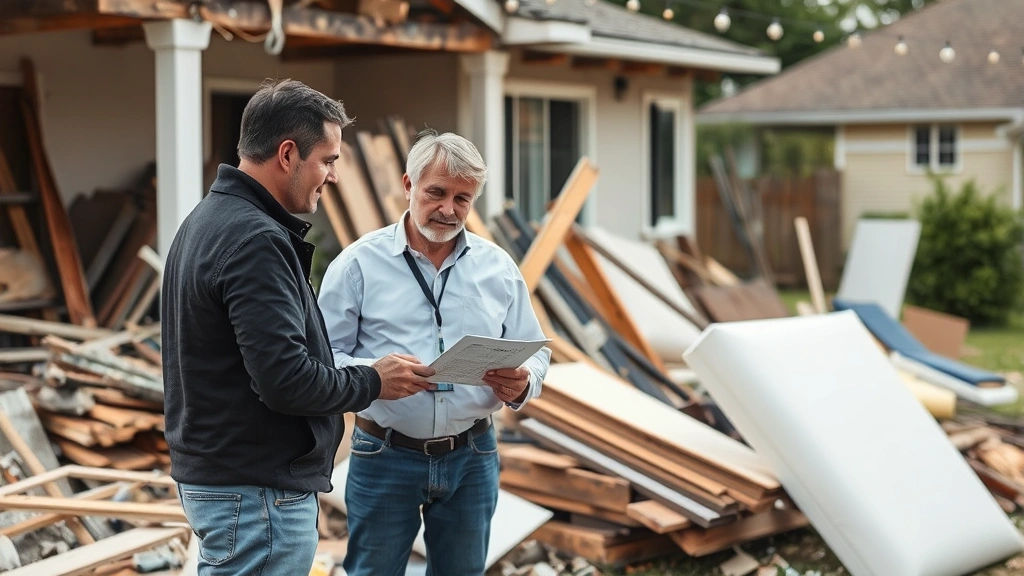
When fires, floods, or other disasters damage property, insurers and policyholders dispute damage extent. Conservation of matter helps quantify losses. If a warehouse contained 50,000 units of merchandise before a fire, and investigation reveals only 5,000 intact units afterward, conservation principles establish that 45,000 units were destroyed. Material analysis determines whether remaining units are salvageable or total losses.
Policyholders claiming losses must document materials they possessed before loss occurred. The law of conservation of matter requires that if materials disappeared, they either were destroyed (covered loss) or were never present (fraudulent claim). When policyholders cannot account for claimed materials, insurers deny claims based on conservation principles—materials must exist somewhere.
Causation and Liability Determination
Insurance disputes often involve determining what caused material loss. Conservation of matter helps establish causation. If a manufacturer’s negligence caused chemical contamination of raw materials, conservation analysis shows how much material was affected and whether it could still be processed. This determines economic loss and appropriate damages.
When choosing a lawyer experienced in insurance disputes, seek counsel who understands how material analysis strengthens claims. Understanding conservation of matter principles helps attorneys and clients document losses more effectively and support claims with scientific evidence.

Subrogation and Material Recovery
After paying claims, insurers often pursue subrogation—recovering losses from responsible parties. The law of conservation of matter establishes that materials responsible parties damaged have specific value. When subrogation cases proceed, conservation principles quantify what was lost and what defendants owe.
Material recovery sometimes occurs literally—contaminated materials might be cleaned, damaged goods might be repaired, or destroyed items might be salvaged. The law of conservation of matter establishes that materials retain value even when transformed. Scrap value, salvage value, and recovery costs all depend on understanding material composition and transformation possibilities.
Regulatory Compliance and Documentation
Insurance policies increasingly require policyholders to maintain detailed material inventories and documentation. Regulatory frameworks like EPA regulations require businesses to track hazardous materials. When claims arise, this documentation proves what materials existed, where they were located, and what happened to them.
Businesses that fail to maintain material records face insurance claim denials. The law of conservation of matter requires that if materials disappeared, evidence must show they were destroyed or transferred. Without documentation, insurers argue that claimed materials never existed, defeating claims entirely.
Litigation Support Through Material Analysis
Expert witnesses in insurance litigation rely on conservation of matter principles to support testimony about material loss. When disputes arise about damage extent, contamination levels, or material composition, experts use conservation analysis to provide credible evidence. Courts find this analysis persuasive because it rests on fundamental scientific principles that cannot be disputed.
If you’re involved in insurance disputes, property damage claims, or filing complaints against professionals who mishandled your materials, understanding conservation of matter strengthens your position. Material accountability cannot be avoided—what exists must be accounted for, and what disappears requires explanation.
Legal professionals addressing environmental contamination, product liability, or property disputes benefit from consulting scientific experts who understand conservation of matter. This principle bridges science and law, providing objective evidence that supports legal arguments and helps courts reach fair determinations based on physical reality rather than speculation.
FAQ
How does the law of conservation of matter apply to environmental contamination cases?
In environmental cases, conservation of matter establishes that pollutants don’t vanish—they transform and disperse through ecosystems. Courts use material balance equations to trace contamination from sources to affected areas, establishing causation and liability. When hazardous materials escape a facility, conservation principles help prove the defendant’s responsibility by showing where that material traveled and how it harmed the plaintiff’s property.
Can conservation of matter principles help prove product defects?
Yes. When products fail or cause injury, forensic analysis using conservation of matter principles reveals defects. If a product contained unexpected materials, lacked required components, or had improper material composition, analysis proves the defect. Manufacturers cannot claim materials simply vanished or changed unexpectedly—conservation of matter requires accountability for all materials in products.
What happens when chain of custody breaks for physical evidence?
When evidence handlers cannot account for material changes or quantity discrepancies, chain of custody breaks. Courts often exclude evidence when conservation of matter suggests tampering occurred. If controlled substances weigh less than when seized, or if evidence quantity cannot be explained, judges question reliability and may exclude evidence entirely, potentially dismissing cases.
How do insurance companies use conservation of matter to evaluate claims?
Insurers use conservation principles to verify that claimed losses actually occurred. If policyholders claim materials were destroyed, but investigation suggests those materials never existed, claims face denial. Conversely, conservation of matter helps policyholders prove losses by documenting materials that existed before loss events and showing they cannot be accounted for afterward.
Can material transformation affect legal liability?
Yes. While matter transforms, responsibility for that matter often continues. If a manufacturer uses toxic materials that transform into different substances during processing, the manufacturer may remain liable for those transformed substances if they cause harm. Conservation of matter establishes that the defendant’s materials caused the plaintiff’s injury, regardless of how those materials changed form.
What documentation do businesses need for conservation of matter compliance?
Businesses should maintain detailed material inventories documenting what materials they possess, where materials are located, and what happens to materials through processing or disposal. When disputes arise, this documentation proves accountability. Regulatory agencies require hazardous material tracking, and insurance policies often require similar documentation. Without records, businesses cannot prove what materials they had or what happened to them.
How can I strengthen legal claims using conservation of matter principles?
Work with expert witnesses who understand material analysis and conservation principles. When pursuing restraining orders, property claims, or contamination litigation, material evidence provides objective support for arguments. Document materials you possess, track transformations they undergo, and when disputes arise, hire experts to analyze material composition and movement. This scientific foundation strengthens legal positions considerably.


