
Understanding Maritime Law: Expert Insights
Maritime law, also known as admiralty law, governs activities and commerce on the ocean and navigable waters. This ancient body of law has evolved over centuries to address disputes, injuries, environmental concerns, and commercial transactions involving vessels, cargo, and maritime workers. Whether you’re a shipping company, seafarer, or business owner engaged in water-based commerce, understanding maritime law is essential for navigating the complex legal landscape of international waters and coastal jurisdictions.
The law of maritime encompasses an intricate network of international conventions, national statutes, and centuries-old maritime traditions. From salvage operations and collision liability to crew member rights and environmental protection, maritime law touches nearly every aspect of ocean-based activity. This comprehensive guide provides expert insights into the key principles, regulations, and practical considerations that define this specialized legal field.
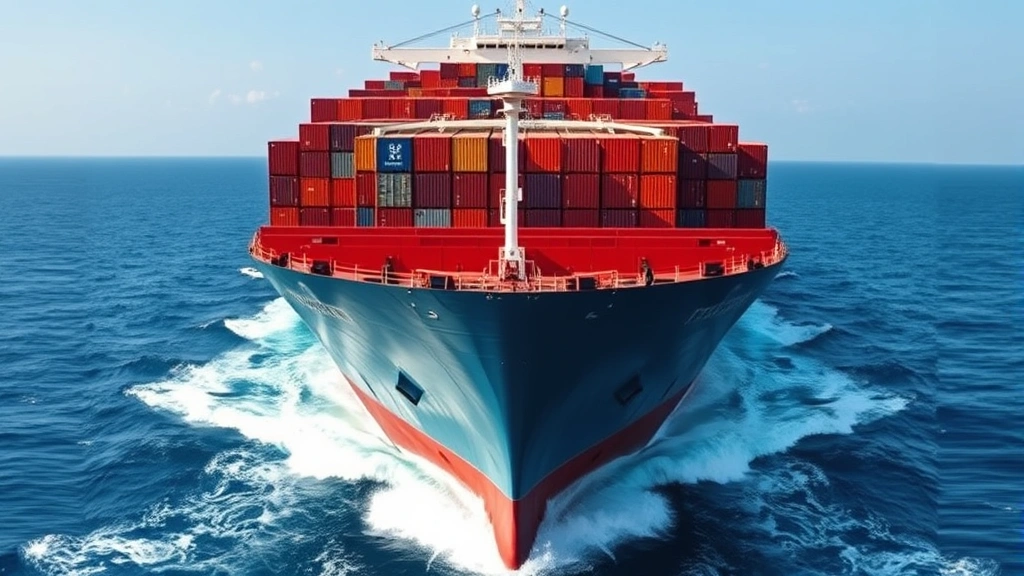
Historical Evolution of Maritime Law
The origins of maritime law trace back thousands of years to ancient seafaring civilizations. The Phoenicians, Greeks, and Romans all developed early maritime codes to regulate commerce and resolve disputes at sea. However, the modern foundation of maritime law emerged during the medieval period when Mediterranean trading cities established the Roles d’Oléron and Laws of Wisby, which became the basis for contemporary maritime regulations across Europe and beyond.
Maritime law developed as a distinct legal discipline because traditional land-based law proved inadequate for addressing the unique challenges of ocean commerce. The need for standardized rules across different national jurisdictions led to the creation of international maritime conventions. Understanding this historical context helps explain why maritime law maintains its own specialized courts, procedures, and substantive principles distinct from general civil law. The law of maritime continues to evolve in response to modern challenges including climate change, technological advancement, and cybersecurity threats.
During the Age of Exploration, maritime powers codified extensive regulations governing piracy, salvage, and prize law. These principles established concepts like the right of innocent passage and territorial waters that remain central to maritime jurisprudence today. The British merchant fleet’s dominance led to widespread adoption of English maritime law principles throughout Commonwealth nations and influenced American maritime law significantly.
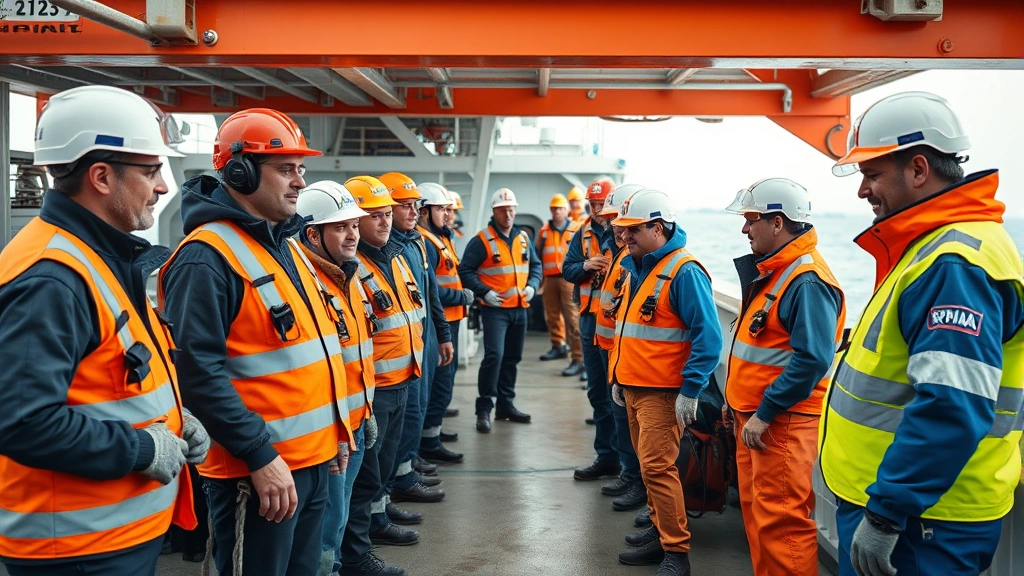
Core Principles and Jurisdictional Framework
Maritime law rests on several fundamental principles that distinguish it from terrestrial legal systems. General average, for instance, allows ship owners to distribute losses among all parties with interests in a voyage when extraordinary measures are taken to preserve the vessel and cargo. This principle, codified in the International Maritime Organization’s York-Antwerp Rules, reflects the shared risk inherent in ocean commerce.
Another cornerstone principle is limitation of liability, which caps the financial exposure of shipowners and vessel operators. This doctrine, established in the Convention on Limitation of Liability for Maritime Claims (LLMC), protects vessel owners from catastrophic liability exposure while ensuring compensation mechanisms for injured parties. The principle balances commercial interests with victim protection through established liability funds.
Jurisdiction in maritime matters depends on several factors: the flag state of the vessel, the location where the incident occurred, the nationality of parties involved, and the nature of the claim. International waters generally fall under the jurisdiction of the vessel’s flag state, creating a complex jurisdictional mosaic. Coastal states exercise jurisdiction over their territorial waters (typically 12 nautical miles) and exclusive economic zones (200 nautical miles), where they can enforce environmental and safety regulations.
The concept of maritime lien provides creditors with security interests in vessels for unpaid wages, repairs, salvage, or supplies. These liens have priority over many other claims and can result in vessel arrest and forced sale. Understanding maritime liens is crucial for all parties engaged in maritime commerce, as they create automatic security interests without requiring formal registration or notice.
International Maritime Conventions
The International Maritime Organization (IMO) administers numerous conventions that establish uniform rules governing maritime safety, security, and environmental protection. The Safety of Life at Sea (SOLAS) convention, first adopted in 1914 following the Titanic disaster, sets minimum safety standards for ship construction, equipment, and crew training. SOLAS remains the most comprehensive maritime safety convention and has been updated multiple times to address evolving maritime risks.
The International Convention for the Prevention of Pollution from Ships (MARPOL) represents a critical environmental protection framework. MARPOL restricts discharges of oil, chemicals, harmful substances, sewage, and garbage into the marine environment. Violations can result in substantial fines, vessel detention, and criminal prosecution. The convention’s effectiveness demonstrates how international maritime law addresses environmental concerns that transcend national boundaries.
The International Convention on Standards of Training, Certification and Watchkeeping for Seafarers (STCW) establishes minimum competency requirements for maritime personnel. These standards ensure that crew members possess adequate training and qualifications, directly impacting maritime safety and reducing accidents at sea. The STCW Convention represents a cornerstone of international maritime labor standards.
Additional critical conventions include the United Nations Convention on the Law of the Sea (UNCLOS), which establishes the legal framework for maritime zones, resource rights, and dispute resolution mechanisms. UNCLOS has been ratified by most nations and fundamentally shapes how countries exercise jurisdiction over maritime areas. The convention also addresses piracy, environmental protection, and scientific research in marine environments.
The Maritime Labour Convention (MLC) consolidates international labor standards for seafarers, addressing working conditions, hours of rest, accommodation, food and catering, medical care, and dispute resolution. As an international employment agreement, the MLC ensures that maritime workers enjoy comparable protections regardless of their vessel’s flag state, representing a significant achievement in labor rights protection.
Maritime Workers and Employment Rights
Maritime employment presents unique challenges that justify specialized legal protections. Seafarers work in isolated, hazardous environments far from their families and support systems, often for extended periods. Maritime law recognizes these distinctive circumstances and provides workers with protections that exceed those available to land-based employees.
The Jones Act, enacted in 1920, grants U.S. maritime workers the right to sue their employers for negligence and recover damages for injuries sustained during employment. This statute fundamentally altered maritime employment law by extending personal injury remedies to workers, complementing the traditional unseaworthiness doctrine. Under unseaworthiness principles, vessel owners must maintain their ships in safe condition for the crew’s protection, creating an absolute liability standard that benefits maritime workers.
Crew member rights extend to compensation for injuries, maintenance and cure (medical expenses and living costs while recovering from injury-related ailments), and wages. These remedies exist in addition to workers’ compensation benefits available in many jurisdictions. Maritime workers also enjoy protections under the Occupational Safety and Health Administration (OSHA) maritime standards and international labor conventions.
The Longshore and Harbor Workers’ Compensation Act (LHWCA) provides injury compensation for maritime workers not covered by the Jones Act, including dock workers, ship repairers, and other harbor employees. This federal workers’ compensation program ensures that maritime workers have access to medical treatment and wage replacement benefits regardless of employer negligence.
Immigration law intersects significantly with maritime employment, as crew members often come from different countries. Vessel operators must comply with international maritime security regulations (International Ship and Port Facility Security Code) and national immigration requirements. The intersection of maritime law and immigration creates compliance challenges that employers must navigate carefully.
Vessel Liability and Insurance
Vessel owners and operators face multiple liability exposures in maritime commerce. Collision liability arises when vessels collide, potentially causing injury, death, or property damage. Maritime law applies comparative negligence principles to collision cases, allowing liability to be apportioned based on each party’s degree of fault. The Limitation of Liability for Maritime Claims Convention caps shipowners’ liability in collision cases based on vessel tonnage and claim categories.
Cargo liability represents another significant exposure. Vessel operators undertake to transport cargo safely and must compensate shippers for cargo loss or damage, subject to certain exceptions and liability limitations. The Hague-Visby Rules establish uniform liability standards for ocean cargo contracts, defining carrier responsibilities and defenses. These rules significantly impact maritime commerce by creating predictable legal frameworks that facilitate international trade.
Environmental liability has increased substantially following major maritime incidents. The Oil Pollution Act of 1990, enacted after the Exxon Valdez disaster, established strict liability for vessel-source oil spills. Vessel operators must maintain oil spill response plans, financial responsibility evidence, and insurance coverage. Similar environmental liability regimes apply to hazardous substance releases and maritime pollution.
Marine insurance provides critical risk management for maritime stakeholders. Hull insurance protects vessel owners against physical loss or damage to the vessel. Protection and Indemnity (P&I) insurance covers third-party liability exposures including crew injury claims, cargo liability, and pollution damage. Cargo insurance protects shippers against cargo loss or damage during transit. These insurance products are essential for maritime commerce and often required by lenders and regulatory authorities.
Insurance clauses frequently incorporate maritime law principles, including the law of maritime conventions and customary practices. Understanding how insurance contracts interact with underlying maritime law principles is essential for all maritime stakeholders. Disputes often arise regarding coverage interpretation and the application of policy exclusions to maritime incidents.
Environmental Regulations
Environmental protection represents an increasingly important component of maritime law. The Clean Water Act and Oil Pollution Act establish strict liability for maritime pollution in U.S. waters, creating powerful incentives for pollution prevention. Vessel operators must implement pollution prevention plans, maintain equipment in proper working condition, and train personnel on environmental compliance.
International environmental standards established by MARPOL regulate ship-source pollution across global waters. The convention’s Annex I addresses oil pollution, Annex II covers noxious liquid substances, Annex III regulates harmful substances in packaged form, Annex IV governs sewage discharge, and Annex V restricts garbage disposal. Compliance with these annexes requires maintaining equipment, implementing procedures, and maintaining detailed records.
The International Convention on the Control of Harmful Anti-fouling Systems on Ships (AFS Convention) restricts the use of harmful anti-fouling paints on vessel hulls. Anti-fouling systems prevent marine organisms from attaching to hulls but can introduce toxic substances into the marine environment. The AFS Convention reflects the maritime industry’s recognition that environmental protection serves long-term commercial interests by maintaining healthy marine ecosystems.
Ballast water management has emerged as a critical environmental concern. Vessels take on ballast water in one region and discharge it in another, potentially introducing invasive species into new ecosystems. The International Convention for the Control and Management of Ships’ Ballast Water and Sediments (BWM Convention) requires vessels to implement ballast water management plans and use approved treatment systems. This convention demonstrates how maritime law addresses complex environmental challenges requiring technological and procedural solutions.
Compliance with environmental regulations requires substantial investment in technology, training, and administrative systems. The Environmental Protection Agency (EPA) maritime programs provide guidance on U.S. environmental requirements, while the IMO website offers international standards. Vessel operators must maintain awareness of evolving environmental standards to ensure compliance and avoid substantial penalties.
Maritime Disputes and Resolution
Maritime disputes encompass contract disagreements, collision liability claims, cargo disputes, injury claims, and environmental liability matters. These disputes can be resolved through negotiation, arbitration, mediation, or litigation, with maritime parties frequently preferring arbitration for its efficiency and expertise.
Maritime arbitration has become the dominant dispute resolution mechanism for international maritime commerce. The London Maritime Arbitrators Association (LMAA) and similar organizations administer arbitrations under established maritime arbitration rules. Arbitration provides confidentiality, expertise in maritime matters, and enforceability across jurisdictions under the New York Convention on the Recognition and Enforcement of Foreign Arbitral Awards.
Vessel arrest provides a powerful enforcement mechanism in maritime disputes. Creditors can arrest vessels in ports to secure claims and compel dispute resolution. The International Convention on Arrest of Ships harmonizes arrest procedures across jurisdictions, creating predictable rules for this potent remedy. However, arrest procedures are strictly regulated, and wrongful arrest can result in substantial damages claims.
The Limitation of Liability for Maritime Claims Convention establishes procedures for vessel owners to limit liability by establishing limitation funds. This mechanism protects shipowners from catastrophic liability exposure while ensuring that claimants receive equitable compensation from available funds. Understanding limitation procedures is essential for maritime claimants, as failure to comply with procedural requirements can result in loss of recovery rights.
When litigation occurs in maritime matters, specialized maritime courts or maritime panels within general courts typically hear cases. These specialized forums possess expertise in maritime law and understand the unique commercial context of maritime disputes. The U.S. federal courts maintain admiralty jurisdiction over maritime matters, providing expertise through judges experienced in maritime law complexities.
Cross-border maritime disputes often involve conflicts of law questions regarding which jurisdiction’s law applies. Maritime parties frequently specify governing law and dispute resolution procedures in contracts, creating predictability and reducing litigation risk. However, mandatory regulatory provisions and public policy considerations can override contractual choice of law provisions in certain circumstances.
FAQ
What is the difference between maritime law and admiralty law?
Maritime law and admiralty law are essentially synonymous terms referring to the same body of law governing maritime commerce and activities. Admiralty derives from historical English courts that handled maritime matters, while maritime is the broader, more commonly used international term. In the United States, federal courts exercise admiralty jurisdiction over maritime matters, though the terms are used interchangeably in legal practice.
How does maritime law apply in international waters?
Maritime law in international waters (beyond exclusive economic zones) depends primarily on the vessel’s flag state, which is the country where the vessel is registered. The flag state exercises jurisdiction over the vessel and its crew. However, coastal states can enforce their laws regarding maritime safety, environmental protection, and security in their territorial waters and exclusive economic zones. International conventions establish minimum standards that apply across jurisdictions.
What protections do maritime workers have under maritime law?
Maritime workers enjoy substantial protections including the right to sue employers for negligence under the Jones Act, maintenance and cure benefits, unseaworthiness claims, and compensation under workers’ compensation schemes like the LHWCA. Additionally, the Maritime Labour Convention establishes international standards for working conditions, hours of rest, accommodation, and medical care. These protections reflect the hazardous nature of maritime employment and the workers’ vulnerability in isolated ocean environments.
How are maritime disputes typically resolved?
Maritime disputes are commonly resolved through arbitration, which provides expertise, confidentiality, and international enforceability. Many maritime contracts specify arbitration under LMAA rules or similar maritime arbitration frameworks. Alternatively, parties may pursue litigation in specialized maritime courts or federal courts with admiralty jurisdiction. Vessel arrest often compels participation in dispute resolution by securing the creditor’s claim.
What are the major international maritime conventions?
Critical international maritime conventions include SOLAS (maritime safety), MARPOL (pollution prevention), STCW (crew training and competency), UNCLOS (law of the sea), and the Maritime Labour Convention (seafarer employment). These conventions establish minimum international standards that countries adopt into national law, creating a relatively uniform global maritime legal framework despite jurisdictional variations.
How does environmental law intersect with maritime law?
Environmental law significantly impacts maritime operations through regulations addressing ship-source pollution, ballast water management, anti-fouling systems, and waste disposal. The Oil Pollution Act, Clean Water Act, and international conventions like MARPOL create strict liability for environmental damage. Vessel operators must implement comprehensive environmental compliance programs, maintain detailed records, and invest in pollution prevention technology to avoid substantial civil and criminal penalties.
What is vessel arrest and when can it be used?
Vessel arrest is a remedy allowing creditors to arrest (seize) a vessel in port to secure maritime claims. Under the International Convention on Arrest of Ships, vessel arrest can be used to secure claims arising from maritime commerce, including cargo disputes, collision liability, salvage claims, and crew injury claims. Wrongful arrest can result in substantial damages, so maritime practitioners must carefully evaluate the legal basis for arrest before proceeding.
How does the limitation of liability work in maritime law?
The Limitation of Liability for Maritime Claims Convention allows vessel owners to limit liability for certain maritime claims based on vessel tonnage. Owners can establish limitation funds to settle claims within defined limits, protecting against catastrophic liability exposure. However, limitation does not apply to certain willful misconduct or environmental damage claims, and claimants must follow prescribed procedural requirements to recover from limitation funds.


