
Tennessee vs Virginia Vape Laws: A Comprehensive Legal Comparison
Vaping regulations have become increasingly complex across the United States, with each state establishing its own framework governing the sale, distribution, and use of electronic nicotine delivery systems. Tennessee and Virginia, two neighboring southeastern states, have adopted notably different approaches to vaping legislation. Understanding these distinctions is critical for consumers, retailers, and legal professionals operating across state lines or relocating between jurisdictions.
The regulatory landscape surrounding vaping products continues to evolve as legislatures respond to public health concerns, industry lobbying, and federal guidance. Both Tennessee and Virginia have implemented age restrictions, flavor regulations, and retailer licensing requirements, yet the specifics of these laws create meaningful differences in compliance obligations and legal consequences. This comprehensive guide examines the key distinctions between Tennessee and Virginia vape laws, helping stakeholders navigate the complex regulatory environment.
Age Restrictions and Purchase Requirements
Both Tennessee and Virginia recognize the importance of preventing youth access to vaping products through age-based purchasing restrictions. However, the implementation details reveal important distinctions that affect retailers and consumers alike.
Tennessee Vape Age Restrictions: Tennessee law prohibits the sale of vaping products to individuals under 21 years of age. This aligns with the federal Tobacco 21 law that took effect in December 2019, which established 21 as the national minimum age for tobacco and nicotine product purchases. Tennessee retailers must verify the age of all purchasers using valid government-issued identification. The state does not currently allow online sales of vaping products to residents, a restriction that significantly limits distribution channels compared to some neighboring states.
Virginia Vape Age Restrictions: Virginia similarly enforces a 21-year-old minimum age requirement for purchasing vaping products and electronic cigarettes. However, Virginia permits online retailers to ship vaping products to Virginia residents under specific conditions. Online retailers must implement age verification systems and maintain detailed records of purchasers. Virginia’s approach provides greater consumer flexibility while still maintaining age-gate protections. Retailers in Virginia must verify age through valid identification and cannot sell to anyone appearing under 30 without proper documentation.
Understanding these legal terminology is essential for compliance. Both states define vaping products broadly to include e-cigarettes, vape pens, and any device designed to deliver nicotine or other substances through inhalation. The definition extends to nicotine liquid or “e-liquid” sold for use in these devices.
Product Regulations and Flavor Bans
Flavor restrictions represent one of the most significant regulatory differences between Tennessee and Virginia, directly impacting product availability and retailer inventory decisions.
Tennessee Flavor Regulations: Tennessee has implemented a comprehensive ban on flavored vaping products, with limited exceptions. The state prohibits the sale of all flavored e-cigarettes and vaping liquids except for tobacco-flavored products. This restriction includes fruit flavors, dessert flavors, candy flavors, and menthol-flavored products. The rationale behind Tennessee’s restrictive approach centers on public health concerns about youth appeal and the potential gateway effects of flavored nicotine products. Retailers discovered selling flavored vaping products face significant penalties, making inventory management a critical compliance issue.
Virginia Flavor Regulations: Virginia maintains less restrictive flavor regulations compared to Tennessee. While Virginia restricts flavored vaping products in some contexts, the state permits the sale of most flavored e-liquids in retail establishments. Virginia does prohibit the sale of flavored tobacco products in convenience stores and gas stations but allows them in age-restricted vape shops and specialty retailers. This distinction creates a bifurcated retail market where location and retailer type determine product availability.
The flavor regulation differences create substantial business implications. Retailers operating in both states must maintain separate inventory systems and ensure products sold in Tennessee comply with stricter flavor restrictions. This regulatory divergence has prompted some national retailers to establish state-specific distribution networks.
Retailer Licensing and Compliance
Retail establishments selling vaping products must navigate different licensing requirements and compliance obligations in each state.

Tennessee Retailer Requirements: Tennessee requires retailers selling vaping products to obtain appropriate licenses and permits. Retailers must comply with local ordinances in addition to state regulations, as many Tennessee municipalities have enacted their own vaping restrictions. The state does not currently operate a centralized vape retailer licensing system, instead delegating much regulatory authority to local health departments and city/county governments. This decentralized approach means compliance obligations vary significantly based on geographic location within Tennessee.
Virginia Retailer Requirements: Virginia has established a more formalized regulatory framework for vaping retailers. The state requires retailers to register with relevant authorities and comply with packaging and labeling requirements. Virginia’s Department of Health monitors compliance and maintains records of licensed retailers. The state has implemented stricter regulations on where vaping products can be sold, prohibiting sales in certain locations such as schools and government buildings. Virginia also requires retailers to maintain detailed transaction records for age verification purposes.
Both states require retailers to post age restriction notices prominently in their establishments. These notices must clearly indicate that vaping products are not available to individuals under 21 years of age. Retailers who fail to post appropriate signage may face violations even if they properly verify customer age during transactions.
Public Use and Vaping Restrictions
Beyond purchase and retail regulations, both states restrict where individuals can legally use vaping products in public spaces, though with different scopes and exceptions.
Tennessee Public Use Restrictions: Tennessee permits vaping in most public spaces, reflecting a more permissive approach to personal use. The state does not classify e-cigarettes the same as traditional cigarettes for purposes of smoke-free air regulations. However, private businesses retain the right to establish their own vaping policies. Many Tennessee schools, workplaces, and public buildings have implemented vaping prohibitions through institutional policies rather than state law. Local ordinances in some Tennessee municipalities do restrict vaping in public spaces, creating a patchwork of regulations depending on location.
Virginia Public Use Restrictions: Virginia has implemented broader restrictions on vaping in public spaces. The state prohibits vaping in enclosed public places and workplaces, similar to restrictions on traditional cigarette smoking. Vaping is prohibited in schools, public transportation, and government buildings. Virginia’s approach treats vaping more similarly to traditional tobacco smoking for purposes of public health regulations. This reflects Virginia’s broader public health policy framework emphasizing smoke-free and vapor-free environments.
These public use distinctions affect daily conduct and potential legal exposure. Individuals transitioning between states must understand that behavior legal in Tennessee may violate Virginia regulations, and vice versa.
Penalties and Enforcement Mechanisms
Understanding the consequences of violating vaping laws is essential for both consumers and retailers. Tennessee and Virginia impose different penalties for various violations.
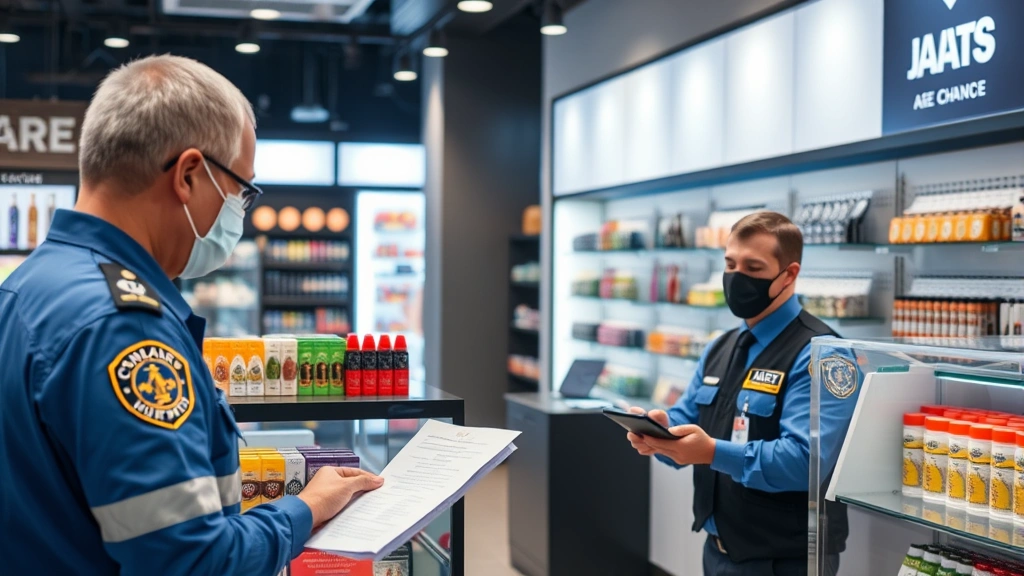
Tennessee Penalties: Retailers violating Tennessee vaping laws face civil penalties ranging from $100 to $500 for first offenses, with escalating penalties for subsequent violations. Selling vaping products to minors constitutes a Class B misdemeanor, potentially resulting in jail time up to six months and fines up to $500. Individuals under 21 caught attempting to purchase vaping products may face penalties including fines or community service. The state employs age verification compliance checks, where enforcement officers pose as underage purchasers to test retailer compliance. Retailers consistently failing these checks face license suspension or revocation.
Virginia Penalties: Virginia imposes stricter penalties for vaping law violations. Retailers selling vaping products to minors face Class 3 misdemeanor charges with fines up to $500. Subsequent violations within a three-year period escalate to Class 2 misdemeanor status. Individuals under 21 attempting to purchase vaping products face Class 4 felony charges in some circumstances. Virginia’s enforcement approach is more aggressive, with the state conducting regular compliance inspections and maintaining detailed violation records. Retailers accumulating multiple violations may face license revocation and criminal prosecution of ownership or management personnel.
The distinction in penalty severity creates different risk profiles for retailers. Virginia’s stricter approach demands more rigorous compliance procedures and employee training compared to Tennessee’s framework.
Recent Legal Developments
The vaping regulatory landscape continues evolving as courts address constitutional challenges and legislatures respond to emerging evidence regarding nicotine products.
Federal developments significantly impact state-level vaping regulations. The FDA’s continued oversight of vaping products and recent guidance on nicotine levels and marketing practices influence how states structure their own regulations. The 2019 Tobacco 21 law established a baseline that both Tennessee and Virginia have built upon with additional state-specific restrictions.
Recent legislative activity in both states reflects ongoing debate about balancing public health concerns with individual liberty and business interests. Tennessee legislators have considered expanding flavor restrictions and implementing additional retailer regulations. Virginia has proposed strengthening enforcement mechanisms and increasing penalties for violations. These developments suggest both states view vaping regulation as an evolving policy area requiring periodic adjustment.
Court challenges to vaping restrictions have emerged in various jurisdictions, with mixed results. Some courts have upheld flavor bans as constitutional exercises of state police power, while others have questioned whether restrictions infringe on free speech or commerce protections. Both Tennessee and Virginia face potential litigation regarding their respective regulatory frameworks, particularly concerning flavor bans and their constitutional justification.
Understanding current legal developments requires consulting authoritative sources on an ongoing basis, as regulations change frequently. If you encounter legal issues related to vaping violations, knowing how to engage legal counsel becomes important for protecting your rights.
FAQ
Can I legally purchase vaping products online in Tennessee and Virginia?
Tennessee currently prohibits online sales of vaping products to residents. Virginia permits online purchases through age-verified retailers, though customers must be 21 or older and provide valid identification. Online retailers shipping to Virginia must implement robust age verification systems.
Are there any flavored vaping products legal in Tennessee?
Tennessee permits only tobacco-flavored vaping products. All other flavors, including menthol, fruit, and dessert flavors, are prohibited. Virginia allows flavored products in age-restricted retail locations, creating a significant regulatory difference between the states.
What happens if a retailer sells vaping products to a minor?
In Tennessee, selling to minors constitutes a Class B misdemeanor with potential jail time and fines. Virginia treats the violation more seriously, potentially charging retailers with Class 2 or 3 misdemeanors depending on circumstances. Repeated violations carry escalating penalties including license revocation.
Can employers ban vaping in the workplace in both states?
Yes, both states permit private employers to establish no-vaping policies. Virginia’s state law prohibits vaping in enclosed workplaces, but employers can implement even stricter policies. Tennessee law does not restrict workplace vaping statewide, though individual employers maintain the right to prohibit the practice.
Do vaping restrictions apply differently in different Tennessee cities?
Yes, Tennessee municipalities have authority to implement stricter vaping regulations than state law requires. Some cities have enacted flavor bans, public use restrictions, and additional retailer requirements. Anyone operating a vaping business or using vaping products in Tennessee should verify local ordinances applicable to their specific location.
What should I do if I’m charged with violating vaping laws?
Vaping law violations can result in criminal charges with serious consequences. If charged, consult with a criminal defense attorney immediately to understand your options and develop an appropriate defense strategy. Understanding your legal rights is essential in any criminal proceeding.


