Texas Tint Laws: Expert Legal Overview
Window tinting has become increasingly popular among Texas vehicle owners seeking privacy, heat reduction, and aesthetic appeal. However, Texas maintains specific regulations governing vehicle window tint that drivers must understand to avoid citations, fines, and legal complications. Understanding these laws is essential for anyone considering tinting their vehicle or already operating a tinted vehicle in the state.
Texas Transportation Code Section 502.409 establishes the legal framework for window tinting, setting forth precise light transmittance requirements that vary by window type and vehicle classification. Violating these regulations can result in traffic citations, vehicle inspection failures, and potential liability issues in accident scenarios. This comprehensive guide explores Texas tint laws in detail, helping you navigate compliance requirements and avoid costly legal troubles.
Understanding Light Transmittance Requirements
Light transmittance refers to the percentage of visible light that passes through a window or tinted film. Texas law measures tint darkness using this metric, with different percentages allowed for different vehicle windows. The term “visible light transmittance” (VLT) is critical to understanding compliance—higher percentages mean lighter tint, while lower percentages indicate darker tint.
Texas requires that all front side windows allow at least 25% of light to pass through. This means your tint cannot be darker than 75% opacity on front windows. The windshield presents different requirements, permitting only non-reflective tint above the manufacturer’s AS-1 line (typically a few inches from the top). Rear windows and back glass have more lenient requirements, allowing tint as dark as the driver prefers, provided the vehicle has dual side mirrors.
The distinction between front and rear window regulations exists to balance privacy and aesthetic desires with safety concerns. Front windows require greater light transmittance because drivers need clear visibility of pedestrians, cyclists, and oncoming traffic. When consulting about how to choose a lawyer for vehicle-related legal matters, ensure they understand transportation code specifics.
Reflectivity is another important consideration. Texas law prohibits excessively reflective tints on front and back windows, as reflective films can create dangerous glare for other drivers. Most quality tint films comply with these requirements, but cheaper or non-standard products may violate reflectivity standards, creating both legal and safety hazards.
Specific Tint Regulations by Window Type
Windshield Tinting: Only non-reflective tint is permitted above the AS-1 line, which manufacturers establish on each windshield. This line typically runs 4-6 inches from the top. Colored tint is prohibited entirely on windshields. The windshield restriction exists because the windshield is critical for driver visibility and safety. Any tint below this line violates Texas law, regardless of darkness percentage.
Front Side Windows: These windows must allow at least 25% light transmittance (VLT ≥ 25%). This is the most strictly regulated window type for passenger vehicles because law enforcement and other drivers need to see drivers’ faces and upper bodies. Tint cannot be reflective or metallic in appearance. Many drivers find this requirement restrictive compared to other states, but Texas prioritizes safety and law enforcement visibility.
Rear Side Windows: Texas law allows rear side windows to have any darkness level (VLT can be 0%), provided your vehicle has dual side mirrors. This accommodation recognizes that rear windows don’t impact driver visibility of the road ahead. Many Texas drivers take advantage of this provision for maximum privacy and heat reduction in rear seating areas.
Back Glass: Similar to rear side windows, back glass can be tinted to any darkness level if dual mirrors are present. This flexibility applies to SUVs, vans, and sedans with rear windows. The dual mirror requirement ensures drivers maintain adequate visibility of traffic behind them despite dark rear glass.
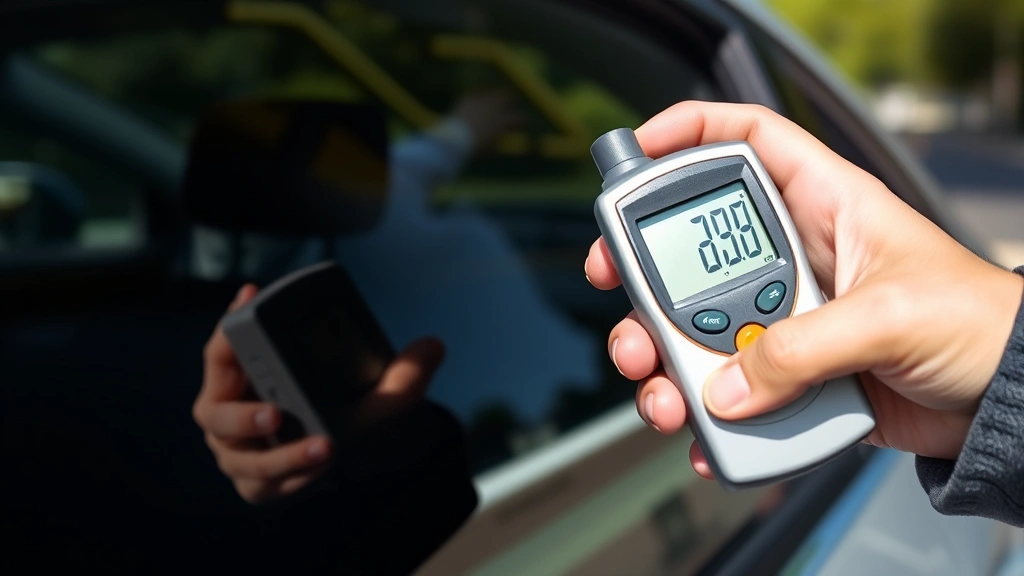
Understanding these specific requirements prevents costly mistakes. Before applying tint, verify your vehicle’s current tint darkness using a light meter or professional tint shop measurement. Many auto glass shops in Texas are familiar with state requirements and can ensure compliance during installation.
Medical Exemptions and Special Permits
Texas law recognizes that certain medical conditions justify exceptions to standard tint regulations. Individuals with photosensitivity disorders, lupus, severe sun allergies, and similar conditions may qualify for legal exemptions allowing darker tint on front windows than normally permitted.
To obtain a medical exemption, you must submit documentation from a licensed physician establishing that your medical condition requires darker tinting for health reasons. The Texas Department of Public Safety (DPS) reviews these applications and issues special permits if approved. The permit must remain in your vehicle and be presented to law enforcement if stopped.
Medical exemption permits typically allow front window tint darker than the standard 25% VLT requirement, though the exact allowance depends on medical documentation. These permits are not blanket authorizations—they apply specifically to the vehicle owner and the vehicle listed on the permit. If you change vehicles, you must apply for a new permit.
The exemption process requires patience and thorough documentation. Your physician must specifically address how darker tinting alleviates your medical condition. Generic letters stating you need tint are insufficient; the medical professional must explain the condition, its severity, and the medical necessity of darker tinting. This process protects both individuals with legitimate medical needs and maintains law enforcement’s ability to verify compliance.
Some individuals attempt to obtain exemptions fraudulently, which constitutes illegal conduct. Falsifying medical documentation or misrepresenting medical conditions to obtain exemptions can result in criminal charges, not merely traffic citations. If you qualify for a legitimate medical exemption, pursue it through proper channels rather than risking legal consequences.
Penalties and Enforcement
Violating Texas tint laws results in traffic citations carrying fines and potential vehicle inspection failures. A first-time violation typically results in a fine of $100-$200, though officers have discretion in enforcement. More importantly, vehicles with illegal tint will fail safety inspections required for vehicle registration renewal.
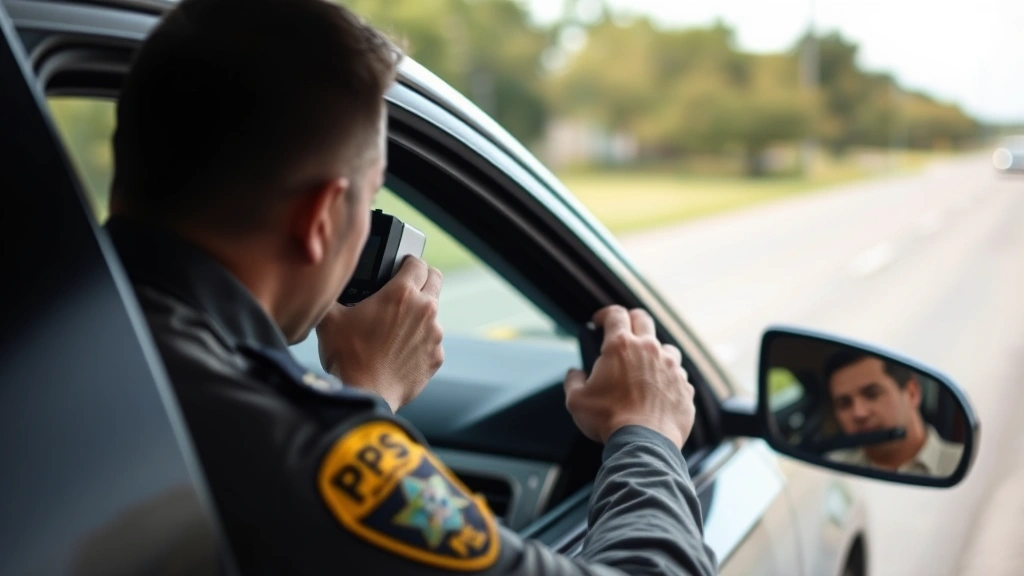
Law enforcement officers use light meters to measure tint darkness during traffic stops. If your vehicle’s tint exceeds legal darkness limits, officers can issue citations. The citation requires you to remove the illegal tint and present your vehicle for re-inspection within a specified timeframe, typically 10-30 days depending on the citation.
Repeat violations or failure to comply with citation requirements can escalate penalties. Some jurisdictions impose additional fines for second or subsequent violations. Additionally, if you’re involved in an accident and your vehicle has illegal tint, insurance companies may use this fact to deny claims or argue comparative negligence, though this varies by policy and circumstances.
The practical impact of illegal tint extends beyond fines. Vehicles with illegal tint cannot pass safety inspections, preventing registration renewal. This creates a cascading legal problem—driving an unregistered vehicle is a more serious offense than the original tint violation. Many drivers discover their tint problem when attempting annual registration renewal.
Law enforcement priorities vary by jurisdiction. Some Texas cities and counties aggressively enforce tint laws, while others focus enforcement on safety-related violations. However, enforcement patterns can change, and any violation creates legal exposure. The safest approach is ensuring your vehicle complies with all applicable regulations.
How to Stay Compliant
Staying compliant with Texas tint laws begins with understanding whether your vehicle currently violates these regulations. If your vehicle came from outside Texas or has aftermarket tinting, measure your tint’s light transmittance before any legal issues arise. Many professional tint shops offer free measurements using calibrated light meters.
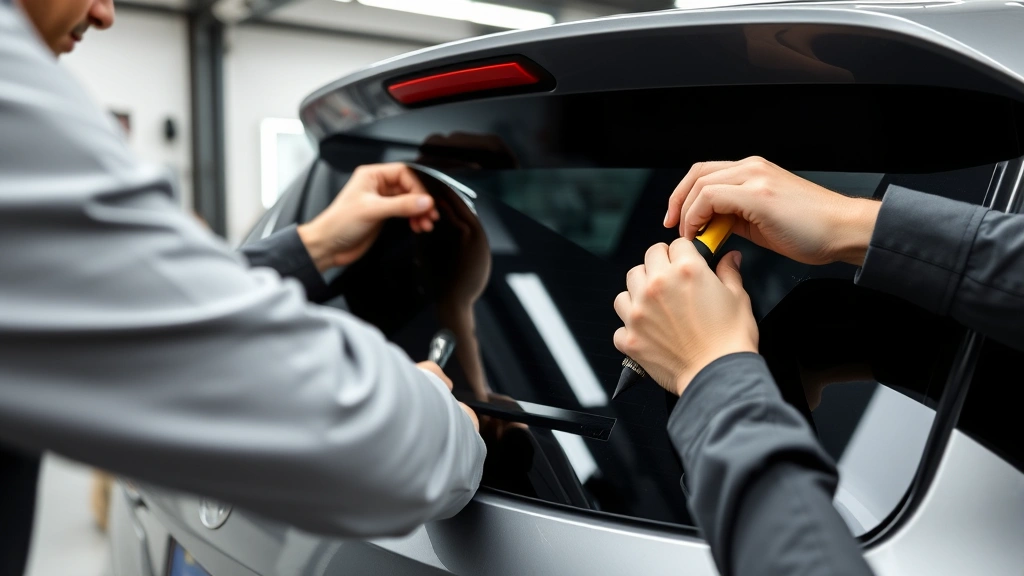
When selecting a tint installer, choose established businesses familiar with Texas regulations. Professional installers understand the specific requirements for different window types and can advise whether your desired tint level complies with law. They typically warrant their work and maintain records documenting compliance, which proves valuable if legal questions arise later.
If your vehicle currently has illegal tint, removing it is the straightforward solution. Professional removal typically costs $100-$300 depending on tint type and window count. This expense, while frustrating, is considerably less than accumulated fines, failed inspections, and registration complications. Some individuals attempt DIY removal, which is possible but time-consuming and can damage window tinting or glass if performed improperly.
For those seeking darker tint for heat reduction or privacy, focus on rear windows and back glass where regulations are more permissive. Quality rear-window tinting provides significant heat reduction and privacy while maintaining full legal compliance. Many Texas drivers find this compromise satisfactory for their needs.
If you have a legitimate medical condition justifying darker front-window tint, pursue the medical exemption process through Texas DPS. This legal pathway provides protection against citations while your medical condition requires accommodation. The exemption application requires effort but provides certainty and legal protection.
Keep documentation of any tint work performed on your vehicle. Receipts from professional installers, measurements confirming VLT compliance, and medical exemption permits should remain accessible in your vehicle. If stopped by law enforcement, this documentation demonstrates your good-faith compliance efforts and provides legal protection.
For those operating commercial vehicles or fleet vehicles, ensure compliance across all vehicles in your operation. Fleet managers should establish clear tint policies aligned with Texas law and communicate these requirements to drivers. This prevents individual drivers from violating regulations and exposing your business to liability.
FAQ
What is the legal tint darkness in Texas for front windows?
Front side windows must allow at least 25% light transmittance (VLT ≥ 25%), meaning tint cannot be darker than 75% opacity. This is the most strictly regulated window type in Texas vehicles.
Can I tint my rear windows as dark as I want in Texas?
Yes, if your vehicle has dual side mirrors, rear windows and back glass can be tinted to any darkness level. The dual mirror requirement ensures you maintain adequate visibility of traffic behind your vehicle.
Is windshield tinting legal in Texas?
Only non-reflective tint above the manufacturer’s AS-1 line is permitted on windshields. Colored tint or tint below the AS-1 line violates Texas law regardless of darkness.
How do I get a medical exemption for darker tint in Texas?
Submit an application to the Texas Department of Public Safety with documentation from a licensed physician explaining your medical condition and how darker tinting alleviates it. Approval is not guaranteed and depends on the strength of medical documentation.
What happens if I get caught with illegal tint in Texas?
You receive a traffic citation with fines typically ranging from $100-$200. You must remove the illegal tint and present your vehicle for re-inspection within the timeframe specified on the citation. Failure to comply can result in additional penalties and registration problems.
Can I remove tint myself in Texas?
While DIY tint removal is possible, professional removal is recommended to avoid damaging windows. Professional removal typically costs $100-$300 and is often worth the expense for proper completion.
Will illegal tint affect my insurance claim?
Insurance companies may use illegal modifications as grounds to deny claims or argue comparative negligence in accidents. While outcomes vary by policy, illegal tint creates potential insurance complications.
Are there any Texas cities with different tint regulations?
Texas state law preempts local tint regulations, so all Texas cities and counties follow the same state requirements. However, enforcement intensity varies by jurisdiction.


