
Australian Gun Laws: A Comprehensive Legal Overview
Australia maintains some of the world’s strictest firearm regulations, shaped by landmark legislation enacted in the 1990s following tragic mass shooting incidents. The legal framework governing gun ownership and use is complex, multifaceted, and strictly enforced across all states and territories. Understanding Australian gun laws requires familiarity with federal regulations, state-specific requirements, licensing procedures, and penalties for non-compliance.
The current regulatory landscape reflects Australia’s commitment to public safety through comprehensive firearm control. Unlike some jurisdictions where gun rights are constitutionally protected, Australia treats firearm ownership as a privilege subject to rigorous scrutiny rather than a fundamental right. This distinction fundamentally shapes how the legal system approaches licensing, registration, storage, and use of firearms across the nation.
Historical Context and Legislative Framework
Australia’s approach to firearm regulation fundamentally changed following the Port Arthur massacre in Tasmania on April 28, 1996, when 35 people were killed in one of the world’s deadliest mass shootings by an individual. This tragedy catalyzed swift legislative action across all Australian jurisdictions. Within months, the federal government introduced the National Firearms Agreement (NFA), representing unprecedented coordination between state and territory governments to implement uniform firearms laws.
The Crimes (Firearms and Offensive Weapons) Act 1990 in New South Wales and similar legislation in other states formed the foundation for modern Australian gun regulation. These laws were substantially strengthened following Port Arthur through the National Firearms Program Implementation Act 1996 and complementary state legislation. The legal framework established that firearm ownership requires demonstrated genuine need, rigorous background checks, and compliance with strict storage standards.
Understanding this historical context is essential for comprehending why contemporary Australian gun laws are structured as they are. The legislation represents a deliberate policy choice that firearm access should be restricted to those with legitimate purposes, rather than being available to the general population. This contrasts sharply with legal traditions in some other common law jurisdictions and reflects Australia’s specific historical experience with mass violence.

Categories of Firearms and Licensing Requirements
Australian firearms legislation categorizes weapons into distinct classes, each with corresponding licensing requirements. Category A firearms include standard rifles and shotguns suitable for legitimate purposes like hunting and sport shooting. Category B encompasses pump-action and semi-automatic rifles and shotguns with larger magazine capacities. Category C includes semi-automatic and pump-action shotguns, restricted primarily to primary producers and professional hunters.
Category D firearms—which include semi-automatic and pump-action rifles with larger capacities—are generally prohibited from civilian ownership, with very limited exceptions for professional purposes. Category H covers handguns and air guns, with separate licensing requirements reflecting their distinct characteristics and risks. Each category requires different justifications for ownership and imposes varying compliance obligations on licensees.
To obtain a firearms license, applicants must demonstrate genuine need, a legal requirement that effectively restricts civilian access. Legitimate reasons include primary production (farming), professional hunting, sport shooting with recognized clubs, or occupational requirements. Recreational hunting alone is insufficient justification in most jurisdictions; applicants must typically join approved shooting clubs and demonstrate genuine participation. This requirement fundamentally distinguishes Australian gun law from jurisdictions where self-defense or general sporting interest suffice for licensing.
Background checks are extraordinarily thorough, examining criminal history, mental health records, substance abuse, domestic violence incidents, and character references. Authorities may deny licenses to individuals with disqualifying factors, including conviction for violent offenses, certain mental health conditions, or restraining orders. This preventive approach prioritizes public safety over individual access to firearms, reflecting the underlying philosophy embedded in Australian gun laws.
The National Firearms Agreement
The National Firearms Agreement represents a watershed moment in Australian regulatory history. Implemented in 1996 and updated in 2002, the NFA established uniform minimum standards across all states and territories, eliminating the possibility of individuals obtaining firearms in jurisdictions with weaker regulations. This coordination mechanism addresses what would otherwise be a significant enforcement gap.
The NFA mandated registration of all firearms, establishing a national database enabling law enforcement to track firearm ownership and identify unauthorized transfers. It prohibited automatic and semi-automatic rifles and shotguns from civilian ownership, with limited exceptions for professional purposes. The agreement required secure storage standards, including locked safes with ammunition stored separately. It also established mandatory waiting periods between application and license issuance, typically ranging from 28 days to several months depending on jurisdiction.
A critical component involved the government-funded buyback scheme, which removed approximately 650,000 firearms from civilian circulation following Port Arthur. This program—funded through a temporary tax increase—represented unprecedented government intervention in the private firearms market and demonstrated Australia’s commitment to reducing the total number of weapons in civilian hands. The buyback significantly reduced firearm suicide rates, a documented public health outcome that informs ongoing regulatory discussions.
The NFA also established that state and territory governments must maintain equivalent standards, preventing regulatory arbitrage. Any proposed relaxation of firearm laws requires agreement from all participating jurisdictions, creating a high bar for legislative change. This cooperative federalism approach has proven remarkably stable, with the agreement remaining substantially intact for nearly three decades despite periodic lobbying from shooting organizations and rural groups.
Licensing and Registration Procedures
The licensing process under Australian gun laws involves multiple stages and can extend over several months. Applicants must first complete a firearms safety course approved by their state or territory authority, demonstrating knowledge of safe handling, storage, and use. These courses are mandatory and cannot be waived regardless of prior experience.
Following course completion, applicants submit formal license applications to their state or territory firearms authority, typically the police department or dedicated firearms registry. Applications must include references from respected community members, proof of genuine need, and documentation of club membership where applicable. Police conduct comprehensive background checks, including criminal history searches, mental health inquiries, and interviews with referees and family members.
Once licensed, owners must register each firearm individually, providing detailed information about the weapon’s make, model, serial number, and intended use. Registration is non-transferable; if an owner wishes to sell a firearm, the new owner must apply for their own license and the firearm must be re-registered in their name. This requirement prevents informal transfers and maintains accurate ownership records throughout a firearm’s lifecycle.
License holders must renew licenses periodically—typically every 3-5 years depending on jurisdiction—undergoing updated background checks and demonstrating continued compliance with storage and use requirements. Failure to renew results in automatic license cancellation and legal obligation to surrender all firearms. This ongoing compliance mechanism distinguishes Australian gun laws from jurisdictions with one-time licensing.
Related to understanding legal rights and regulatory compliance, you may find it useful to review Understanding the Legal Rights of Consumers, as similar principles regarding disclosure and compliance obligations apply in regulated industries.
Storage, Transport, and Use Requirements
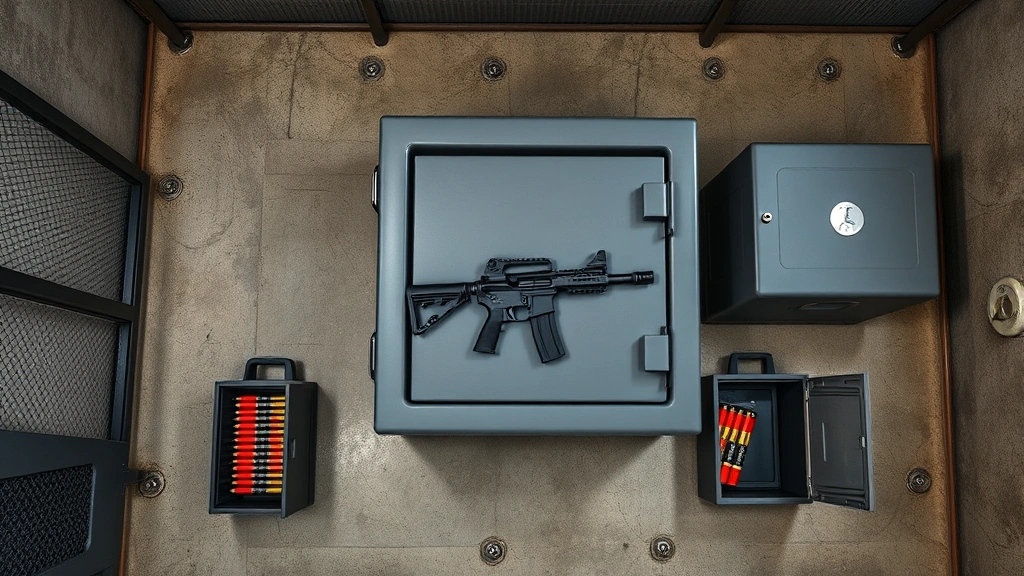
Australian gun laws impose exceptionally detailed requirements regarding firearm storage, designed to prevent unauthorized access, theft, and misuse. Firearms must be stored in locked safes, secure storage boxes, or rooms meeting specified security standards. The safe must be bolted to immovable fixtures, preventing removal by thieves. Ammunition must be stored separately in locked containers, further reducing the risk of unauthorized use.
When not in use, firearms must be unloaded and secured. Firing pins may be removed and stored separately. Keys or combinations to storage containers must not be kept near the firearm itself. These requirements apply to all firearms, regardless of category, and violations constitute criminal offenses subject to substantial penalties.
Transport regulations specify that firearms must be unloaded and secured during transport, with ammunition stored separately in different compartments. Direct routes between home, shooting ranges, and hunting locations are required; detours for other purposes may constitute violations. Firearms cannot be transported through densely populated areas except on the most direct available route. These requirements reflect the legal principle that firearms should be isolated from everyday civilian spaces and activities.
Use of firearms is restricted to licensed ranges, private property with appropriate permissions, or hunting in designated areas during designated seasons. Shooting on public land is generally prohibited except in specified circumstances. Target shooting must occur at registered ranges with appropriate safety infrastructure. These restrictions confine firearm use to controlled environments where risks are minimized and supervision is available.
The legal framework also addresses circumstances where Understanding the Rights of Crime Victims becomes relevant, as firearm-related incidents may generate both criminal and civil liability for owners, particularly if firearms are stolen or misused due to inadequate security.
Prohibited Weapons and Penalties
Australian gun laws maintain comprehensive lists of prohibited weapons, including automatic firearms, semi-automatic rifles and shotguns (with narrow professional exceptions), and various improvised or modified weapons. Possession of prohibited weapons without explicit authorization constitutes a serious criminal offense, typically resulting in imprisonment and substantial fines.
Penalties for violations of Australian gun laws are severe and escalate based on offense severity. Unauthorized possession of a firearm may result in imprisonment of 2-5 years. Possession of prohibited weapons carries sentences of 3-10 years depending on circumstances and jurisdiction. Using a firearm in commission of another crime substantially increases penalties for that underlying offense.
Failure to comply with storage requirements, though less severe than unauthorized possession, still attracts significant penalties including fines of $5,000-$10,000 and potential imprisonment. These penalties apply regardless of whether any actual harm resulted, reflecting the preventive approach embedded in Australian regulation. The theory is that proper storage requirements prevent incidents before they occur, rather than addressing consequences afterward.
Selling or transferring firearms without proper licensing and registration constitutes trafficking, subject to trafficking-level penalties including lengthy imprisonment. Providing false information on license applications results in criminal liability. These strict penalties create strong incentives for compliance throughout the licensing and ownership process.
Authorities maintain substantial discretion in enforcing these laws, with police empowered to conduct inspections of storage facilities, seize non-compliant firearms, and revoke licenses based on compliance failures or changed circumstances. This administrative flexibility allows responsive enforcement tailored to individual circumstances while maintaining consistent standards across jurisdictions.
State and Territory Variations
Although the National Firearms Agreement establishes minimum uniform standards, individual states and territories retain authority to implement regulations exceeding those minimum requirements. New South Wales, Victoria, Queensland, Western Australia, South Australia, Tasmania, Australian Capital Territory, and Northern Territory each maintain separate firearms registries and regulatory bodies, with subtle but sometimes significant variations in implementation.
Some jurisdictions impose stricter storage requirements, shorter license renewal periods, or more rigorous background check procedures. Tasmania, which experienced the Port Arthur tragedy, maintains particularly strict regulations including mandatory safety training requirements exceeding national minimums. Victoria similarly implements enhanced regulations reflecting its policy priorities.
Primary production licensing varies across jurisdictions, with some states more readily granting licenses for farm protection purposes while others require more substantial demonstration of need. Professional hunter licensing similarly varies, with some jurisdictions maintaining explicit categories for occupational use while others require such uses to fit within standard sporting or primary production categories.
Handgun licensing, while regulated uniformly at the national level, involves substantial state variation in implementation. Some states maintain dedicated handgun registries and specialized licensing procedures, while others incorporate handguns within general firearms licensing frameworks. Shooting sports involving handguns must occur at registered clubs, but the specific requirements for club registration and operation vary across jurisdictions.
Individuals relocating between states must understand that their firearms licenses do not automatically transfer. New residents must apply for licenses in their new state, potentially requiring membership in new shooting clubs and re-registration of firearms. This requirement prevents regulatory arbitrage and ensures all firearms remain registered with appropriate authorities.
Recent Amendments and Future Directions
Australian gun laws continue evolving in response to emerging threats and changing circumstances. Recent amendments have addressed concerns about unregistered firearms, particularly relating to criminal acquisition of weapons outside legal channels. Enhanced penalties for firearm trafficking and stricter licensing requirements for dealers have been implemented across jurisdictions.
Discussions regarding electronic storage of ammunition, enhanced background check procedures, and expanded prohibited weapons categories reflect ongoing refinement of regulatory frameworks. Some jurisdictions have proposed mandatory reporting requirements for mental health professionals treating individuals with firearm licenses, though such proposals remain contentious and subject to privacy law considerations.
The rise of 3D printing technology has prompted legislative responses, with amendments in several jurisdictions specifically prohibiting manufacture of firearms using additive manufacturing or other unregulated processes. These amendments reflect the regulatory system’s evolution to address technological changes that might otherwise create enforcement gaps.
International developments also influence Australian policy discussions. Comparative analysis with other nations maintaining strict firearms regulations, as well as evidence regarding public health outcomes associated with rigorous firearm control, inform ongoing legislative debates. Research demonstrating correlations between comprehensive gun laws and reduced firearm homicide and suicide rates continues shaping policy perspectives.
For those interested in understanding how Australian gun laws intersect with broader legal principles, exploring LegalWise Hub Blog provides additional context on regulatory frameworks and legal compliance. Additionally, What is Sovereign Immunity offers relevant background on how government authorities enforce firearms regulations.
FAQ
Can I own a firearm for self-defense under Australian gun laws?
Self-defense is not recognized as legitimate need for firearm ownership under Australian gun laws. The legal framework distinguishes between defensive use—which is not accepted—and legitimate purposes including sport shooting, hunting, and primary production. This reflects the policy determination that firearm ownership should be restricted to specific, defined purposes rather than general personal protection.
What happens if I inherit a firearm?
Inherited firearms must be immediately secured and reported to police. The inheritor must obtain a firearms license to legally retain the weapon, or arrange for its surrender or sale to a licensed dealer. Temporary possession periods are available in some jurisdictions to allow estate administration, but the firearm cannot remain in the deceased’s name indefinitely. Failure to obtain proper licensing constitutes unauthorized possession.
Are air guns regulated under Australian gun laws?
Air guns fall into Category H and are subject to licensing requirements varying across jurisdictions. Some states treat air guns as firearms subject to standard licensing, while others maintain separate, less restrictive air gun regulations. Regardless of jurisdiction, air guns cannot be carried in public spaces or used in populated areas without specific authorization.
What are the penalties for unlicensed firearm possession?
Unlicensed possession of a firearm typically results in criminal charges carrying sentences of 2-5 years imprisonment and substantial fines. Aggravating circumstances—such as possession of multiple weapons, possession in conjunction with other crimes, or possession of prohibited weapons—result in more severe sentences. Conviction creates permanent criminal record affecting employment and travel opportunities.
Can I transport firearms across state borders?
Transporting firearms across state borders requires advance authorization from relevant authorities in both jurisdictions. Typically, special permits must be obtained before transport, and firearms must be registered in the destination state. Unauthorized interstate transport constitutes a criminal offense. Even licensed owners cannot simply drive firearms across borders without explicit permission from both states’ regulatory authorities.
What is the process for surrendering firearms?
Firearm owners wishing to surrender weapons must contact their state or territory firearms authority to arrange safe surrender. Police typically provide collection services or direct owners to licensed dealers accepting surrendered firearms. Amnesty periods periodically occur allowing anonymous surrender without penalty, though non-amnesty surrenders also avoid prosecution provided the owner initiates the process voluntarily.


