
Automotive Tint Laws Explained: Attorney Insights
Window tinting has become increasingly popular among vehicle owners seeking privacy, UV protection, and aesthetic appeal. However, what many drivers don’t realize is that automotive tint laws vary significantly across jurisdictions and come with serious legal consequences for violations. Understanding these regulations is crucial to avoid fines, vehicle impoundment, or mandatory tint removal. This comprehensive guide explores the legal landscape of automotive window tinting, helping you navigate compliance requirements and make informed decisions about vehicle modifications.
Automotive tint laws represent an intersection of safety regulations, traffic enforcement, and vehicle modification standards. Law enforcement agencies enforce these rules to maintain road safety, ensure driver visibility, and prevent vehicles from being used to conceal illegal activities. Whether you’re considering tinting your windows or already have tinted windows, understanding the legal framework is essential. This article provides attorney insights into federal guidelines, state-by-state variations, enforcement practices, and practical compliance strategies.
Understanding Automotive Tint Laws Basics
Automotive tint laws establish minimum standards for window transparency to ensure drivers maintain adequate visibility for safe operation. These regulations typically focus on the front windshield, front side windows, and rear windows, with different transparency requirements for each. The primary concern underlying these laws is driver safety—law enforcement and legislators recognize that excessively dark tinting impairs visibility for both the driver and other road users.
The legal framework for automotive tinting encompasses multiple regulatory layers. At the federal level, the National Highway Traffic Safety Administration (NHTSA) provides guidance, though enforcement primarily occurs at the state and local levels. Each state legislature has adopted specific tint standards, and some municipalities have even stricter requirements. Additionally, county and city ordinances may impose additional restrictions beyond state law.
Window tinting darkness is measured using a metric called Visible Light Transmission (VLT), which represents the percentage of light allowed through the window film. A lower VLT percentage means darker tinting, while higher percentages indicate lighter tints. Understanding your state’s VLT requirements is fundamental to legal compliance. Most states allow different VLT levels for front windows versus rear windows, recognizing that rear window tinting poses fewer safety concerns than front window modifications.
It’s important to recognize that automotive tint laws exist primarily for public safety rather than aesthetic regulation. Courts have consistently upheld these regulations as valid exercises of state police power. When challenging tint violations, attorneys typically cannot argue that the laws are unreasonable or unconstitutional, as courts have already established their validity. Instead, legal defenses focus on procedural issues, measurement accuracy, or medical exemption qualifications.

Federal Regulations and Guidelines
The federal government establishes baseline standards for automotive window tinting through NHTSA regulations and Department of Transportation guidelines. Federal Motor Vehicle Safety Standard (FMVSS) 205 specifically addresses glazing materials and light transmission requirements for motor vehicles. This standard requires that the windshield and front side windows transmit at least 70% of visible light, establishing a national minimum threshold.
However, federal regulations provide states with considerable latitude to establish their own, often stricter requirements. This federalism approach allows states to tailor regulations to local conditions, climate considerations, and enforcement priorities. The NHTSA has not preempted state tinting laws, meaning states remain free to impose more restrictive requirements than federal minimums. Consequently, you cannot rely on federal compliance to ensure state compliance.
The federal framework also addresses safety considerations for law enforcement. While not a legal requirement, federal guidance emphasizes that excessive tinting impairs officer safety during traffic stops, as it prevents officers from seeing vehicle occupants. This practical safety concern has influenced many state legislatures to adopt relatively strict tinting standards for front windows.
Manufacturers of window tinting film must comply with federal standards, but aftermarket installation is where most violations occur. The distinction between manufacturer compliance and user compliance is important—a film product may be federally compliant, but improper installation or application to prohibited windows can create legal violations. When selecting tinting services, consumers should verify that both the film product and installation method comply with their state’s specific requirements.
State-by-State Tint Requirements
Automotive tint laws vary dramatically across the United States, creating a complex compliance landscape for vehicle owners. Some states permit relatively dark tinting throughout most windows, while others maintain strict restrictions. Understanding your specific state’s requirements is non-negotiable for legal compliance.
In states like Arizona and Texas, regulations are relatively permissive for rear windows, allowing VLT levels as low as 20% or even lower. However, these same states maintain stricter requirements for front side windows, typically requiring 50% VLT or higher. States in the Northeast and Midwest tend to enforce stricter overall tinting standards, often requiring 50% VLT for side windows and prohibiting tinting on windshields except for sun shades.
California represents a particularly important jurisdiction due to its large population and influential vehicle market. California law generally prohibits any tinting on windshields and requires front side windows to transmit at least 70% of light. Rear windows may be tinted more darkly, provided they allow sufficient light transmission. New California laws 2025 continue to emphasize strict enforcement of these standards.
Florida, Georgia, and other Southern states often permit darker tinting, recognizing the intense sun exposure in those climates. However, even permissive states maintain minimum standards. When traveling across state lines, vehicle owners with legal tinting in one state may find themselves in violation in another state. This creates particular challenges for commercial drivers and individuals who frequently cross state boundaries.
The most practical approach is to research your state’s specific VLT requirements for each window category and ensure your tinting complies. Many state DMV websites provide detailed specifications. When in doubt, consulting with a local tinting professional familiar with your jurisdiction’s requirements provides valuable guidance. Additionally, keeping documentation of your tinting installation and film specifications helps demonstrate compliance if questioned by law enforcement.
Visible Light Transmission Standards
Visible Light Transmission (VLT) percentage is the standardized measurement for automotive window tinting darkness. Understanding VLT is essential for ensuring compliance with automotive tint laws. VLT represents the percentage of visible light that passes through the window—higher percentages mean lighter tinting, while lower percentages indicate darker tinting.
Most states categorize window tinting requirements by window location. Front windshields typically have the strictest requirements, with many states prohibiting tinting entirely except for sun shades in the top portion of the windshield. Front side windows generally require 50-70% VLT in most jurisdictions, balancing driver visibility with reasonable privacy. Rear side windows and rear windshields usually permit darker tinting, often allowing VLT levels as low as 20-35%, since they don’t affect driver visibility during normal operation.
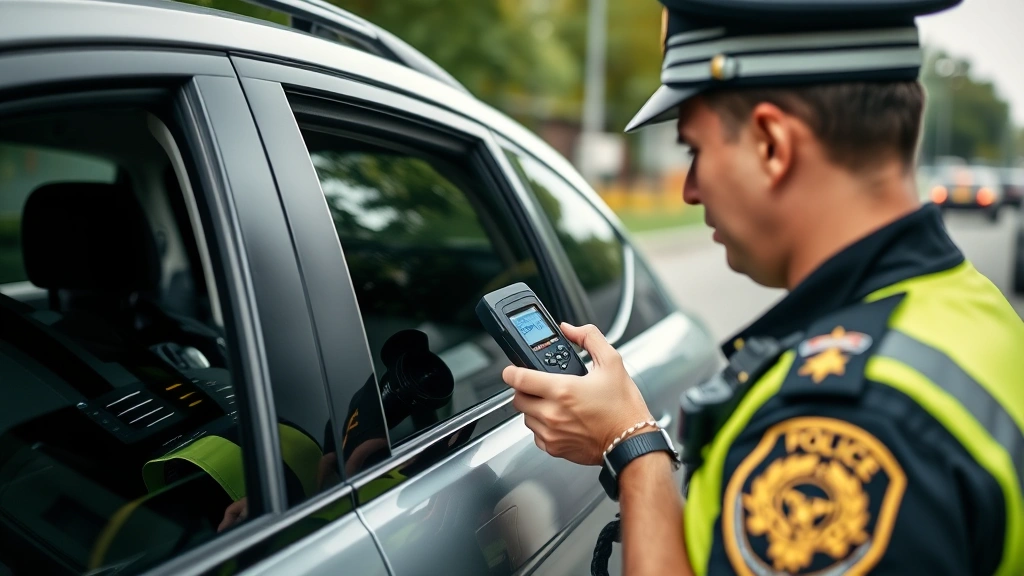
Measuring VLT accurately is crucial for enforcement and compliance verification. Law enforcement agencies use specialized light meters designed to measure film transparency. These devices are calibrated to NHTSA standards and provide objective measurements. However, measurement variations can occur based on equipment calibration, ambient lighting conditions, and measurement technique. Some jurisdictions allow for measurement error tolerance of 5-10%, while others apply strict standards.
The relationship between VLT and safety is well-documented in traffic safety research. Studies demonstrate that excessively dark front window tinting significantly impairs driver visibility, particularly during night driving or adverse weather conditions. This visibility impairment increases accident risk and complicates law enforcement operations. Consequently, the scientific basis for stricter front window requirements is robust, and courts consistently uphold these standards.
When selecting tinting film, consumers should request VLT specifications and ensure the product meets their state’s requirements. Professional installers should provide documentation confirming the installed film’s VLT rating. This documentation serves as evidence of compliance if you’re questioned by law enforcement. Additionally, some states allow slightly darker tinting if the vehicle has dual-pane or laminated glass, as these materials inherently reduce light transmission.
Enforcement and Penalties
Enforcement of automotive tint laws varies considerably across jurisdictions, but penalties for violations can be substantial. Understanding potential consequences motivates compliance and helps vehicle owners make informed decisions about window modifications.
Traffic violations for excessive tinting typically result in citations carrying fines ranging from $100 to $500, depending on jurisdiction and violation severity. Some states impose higher fines for repeat violations. Beyond financial penalties, tint violations can result in vehicle impoundment orders requiring removal of non-compliant film before the vehicle can be operated legally. In some jurisdictions, failure to comply with removal orders escalates the violation to a more serious infraction.
Additional consequences may include points on your driving record, increased insurance premiums, and vehicle inspection failure. If your vehicle fails inspection due to tint violations, you cannot legally operate the vehicle until the tinting is corrected. Commercial drivers face particular scrutiny, as tint violations can result in vehicle out-of-service orders and regulatory violations affecting commercial driving privileges.
Interestingly, enforcement patterns vary significantly. Some jurisdictions aggressively enforce tint laws, while others prioritize other traffic violations. Urban areas typically see stricter enforcement than rural areas. Additionally, law enforcement may use tint violations as pretexts for vehicle searches if officers suspect other illegal activity. This creates Fourth Amendment concerns that occasionally surface in criminal cases, though courts have generally upheld tint-based stops as lawful traffic enforcement.
Insurance implications of tint violations deserve consideration. Some insurance companies view tint violations as indicators of vehicle modification risk or reckless driving behavior. While a single violation rarely affects premiums dramatically, multiple violations or associated accidents may result in higher rates or policy cancellation.
Medical Exemptions and Special Cases
Many states recognize medical exemptions to standard tinting requirements, acknowledging that some individuals have legitimate medical reasons requiring darker window tinting. However, obtaining and maintaining valid medical exemptions requires specific procedural compliance.
Medical exemptions typically apply to individuals with photosensitivity disorders, lupus, severe sunburn susceptibility, or other conditions causing extreme sensitivity to sunlight. Dermatologists and ophthalmologists most commonly document medical necessity. To obtain an exemption, vehicle owners typically must submit medical documentation from licensed physicians to their state DMV or equivalent agency. The DMV then issues a special permit or notation authorizing darker tinting than standard regulations allow.
Exemption procedures and requirements vary significantly by state. Some states issue special license plate designations or windshield stickers indicating exemption status. Others maintain internal records without visible indicators. When stopped by law enforcement, drivers with valid exemptions should provide documentation of their medical exemption permit. Law enforcement training typically includes procedures for verifying exemption status.
Medical exemptions are not absolute—they typically authorize tinting darker than standard requirements but still maintain minimum VLT thresholds for safety. Additionally, exemptions usually apply only to the vehicle owner listed on the permit. Lending your vehicle to others does not extend the exemption to them, and they could be cited for tinting violations.
Maintaining exemption status requires ongoing compliance with state procedures. Some states require periodic renewal of medical exemption permits, typically annually or every few years. Failure to renew can result in loss of exemption status and potential citations. Additionally, if you sell your vehicle, the exemption does not transfer to the new owner, and you must apply for a new exemption if you obtain another vehicle.
Compliance Strategies
Ensuring compliance with automotive tint laws requires proactive planning and informed decision-making. Several strategies help vehicle owners navigate this complex regulatory landscape successfully.
Research Your Jurisdiction’s Requirements: Begin by determining your state and local tint law requirements. Contact your state DMV, review your state’s vehicle code, or consult legal resources for specific VLT standards applicable to each window. If you frequently travel across state lines, research requirements in all jurisdictions where you operate your vehicle.
Work with Professional Installers: Select tinting services from established, reputable providers familiar with local regulations. Professional installers understand your jurisdiction’s requirements and use compliant film products. Request written documentation of the film’s VLT rating and installation specifications. This documentation demonstrates compliance if questioned by law enforcement.
Maintain Documentation: Keep all tinting installation receipts, film specifications, and professional certifications. This documentation provides evidence of compliance and good faith efforts to follow regulations. Additionally, photograph your tinted windows to establish baseline conditions in case disputes arise.
Regular Compliance Verification: Periodically verify that your tinting remains compliant, particularly after vehicle maintenance or repairs involving window work. If windows are replaced or tinting is modified, ensure the new configuration complies with current regulations. Regulations sometimes change, so periodic review remains important.
Understand Medical Exemption Procedures: If you have a medical condition requiring darker tinting, research your state’s exemption procedures thoroughly. Obtain appropriate medical documentation and submit applications promptly. Maintain renewal documentation and exemption permits in your vehicle.
Know Your Rights During Traffic Stops: If stopped for a tint violation, remain respectful and calm. Provide documentation of your tinting specifications and compliance efforts. Request a copy of the citation and any light meter measurements. If you believe the citation is unjust, consult with a traffic attorney about contesting the violation. Understanding that you have the right to challenge measurements and enforcement procedures protects your interests.
Consider Removable Options: If you desire window tinting but are uncertain about compliance, consider removable tinting options or aftermarket sun shades rather than permanent film. These alternatives provide flexibility if regulations change or if you relocate to jurisdictions with stricter requirements.
FAQ
What is the most common automotive tint law violation?
The most frequent violation involves front side window tinting that exceeds state darkness limits. Many vehicle owners underestimate how dark their existing tinting is or fail to research state-specific VLT requirements before installing aftermarket film. Windshield tinting violations are also common, as many states prohibit any tinting on windshields except sun shades in the upper portion.
Can I tint my windows differently than the legal limit in my state?
Generally, no. Automotive tint laws establish mandatory minimum light transmission standards. Tinting darker than allowed violates these regulations regardless of your personal preferences. The only exceptions are valid medical exemptions issued through your state’s DMV or equivalent agency. Attempting to circumvent regulations through special film types or installation methods does not create legal compliance.
What should I do if I receive a tint violation citation?
First, verify that the citation accurately describes your vehicle and the alleged violation. Request documentation of any light meter measurements used to support the citation. If you believe the citation is unjust, consult with a traffic attorney about contesting it. Some violations can be dismissed on procedural grounds or measurement accuracy challenges. Additionally, you can often resolve citations by having non-compliant tinting removed and providing proof of removal to the court.
Do tint laws apply to classic or antique vehicles?
Most states apply tint laws uniformly regardless of vehicle age, though some jurisdictions provide limited exemptions for vehicles that predate certain tinting regulations. Classic vehicle enthusiasts should research whether their state offers exemptions. Generally, if a vehicle is legally operated on public roads, it must comply with current tint laws unless specific exemptions apply.
How does window tinting affect insurance coverage?
Insurance companies typically do not deny coverage based solely on window tinting. However, tint violations might be considered in determining fault or negligence if an accident occurs. Some insurers view tint violations as indicators of reckless driving or vehicle modification risk. Additionally, if an accident is attributed partly to impaired visibility caused by excessive tinting, insurers might argue for reduced liability coverage or claim denial.
What is the difference between legal tinting and medical exemption tinting?
Legal tinting complies with your state’s standard VLT requirements for each window location. Medical exemption tinting permits darker film than standard regulations allow, but only for individuals with documented medical conditions and valid state exemptions. Medical exemptions are vehicle-specific and non-transferable—they apply only to the vehicle owner listed on the permit.
Can I contest a tint violation if my film meets federal standards?
No. Federal standards establish minimum requirements, but states can impose stricter standards. Compliance with federal law does not guarantee state compliance. Your tinting must meet your specific state’s requirements, which are often more restrictive than federal minimums. This distinction is crucial for understanding your legal obligations.


