
Who Stars in Law Abiding Citizen? Film Insights and Cast Analysis
Law Abiding Citizen (2009) stands as a gripping legal thriller that explores themes of justice, revenge, and the American judicial system. The film features a powerhouse cast that brings depth and intensity to a narrative centered on one man’s pursuit of accountability after a tragic crime. Understanding the cast and their roles provides valuable insight into how the film portrays complex legal concepts and moral dilemmas within the criminal justice framework.
The movie’s exploration of the legal system, victim rights, and the pursuit of justice resonates with real-world legal concerns. While the film is a work of fiction, it raises important questions about how the criminal justice system functions and the emotional toll it takes on those seeking redress. This analysis examines the principal cast members and their contributions to bringing this compelling legal drama to life.

Gerard Butler as Clyde Shelton
Gerard Butler delivers a career-defining performance as Clyde Shelton, the film’s central character. Butler, a Scottish actor known for action roles, brings psychological depth and controlled intensity to the character of an engineer whose family is brutally murdered. Following the crime, Shelton watches helplessly as the legal system fails him when a plea bargain allows the primary perpetrator to receive a minimal sentence. This injustice becomes the catalyst for Shelton’s transformation from grieving victim to vigilante architect of systematic revenge.
Butler’s portrayal captures the internal conflict of a man who initially seeks justice through legal channels but becomes increasingly disillusioned with the system’s limitations. His performance demonstrates how personal tragedy can reshape someone’s moral framework and drive them toward extrajudicial action. The actor masterfully conveys both the vulnerability of the grieving family man and the calculated intelligence of the sophisticated planner. Butler’s commitment to the role elevates the film beyond typical action cinema, creating a character whose motivations, while extreme, remain comprehensible to audiences.
The character of Clyde Shelton raises important questions about understanding the rights of crime victims and the emotional consequences of perceived judicial failure. Shelton’s journey illustrates the frustration that real crime victims sometimes experience when they feel the legal system has not adequately addressed their suffering or held perpetrators accountable.
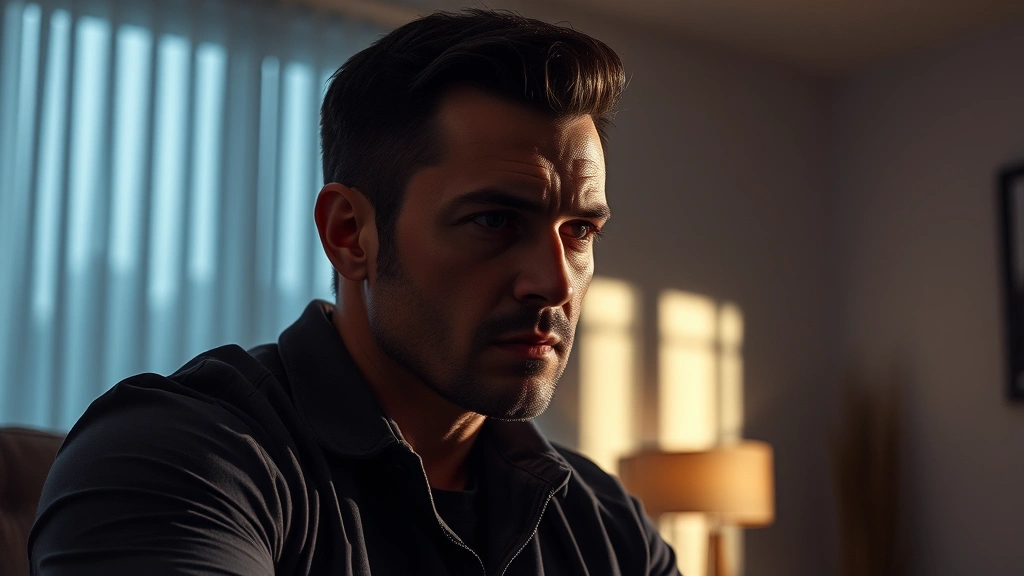
Jamie Foxx as Nick Rice
Jamie Foxx assumes the role of Nick Rice, the ambitious district attorney who must confront both his past failures and his present moral crisis. Rice is portrayed as a capable prosecutor driven by career advancement and conviction statistics rather than pure justice. Ten years before the film’s primary timeline, Rice was the prosecutor in Clyde Shelton’s case, and his decision to accept a plea bargain rather than pursue the case aggressively directly contributed to the perceived failure of justice that haunts Shelton.
Foxx’s performance as Nick Rice reveals the complexities within the legal profession. Rice represents the institutional pressures that shape legal outcomes—budget constraints, case backlogs, and the pragmatic calculus of securing convictions. As Shelton’s revenge unfolds, Rice becomes increasingly invested in stopping him, not merely as a prosecutor protecting public safety, but as a man confronting his own professional and moral shortcomings. The dynamic between Butler and Foxx creates the film’s central tension, with two opposing philosophies of justice clashing throughout the narrative.
The character of Nick Rice embodies real-world pressures within the criminal justice system. Prosecutors must often make difficult decisions about resource allocation and case prioritization. Understanding how to choose a lawyer who prioritizes your case’s merits becomes crucial in a system where individual cases compete for limited attention and resources.
Foxx brings nuance to a character who could easily become one-dimensional. He portrays Rice’s growing awareness of his complicity in Shelton’s tragedy, creating a compelling arc where the prosecutor must engage in genuine moral reckoning. The actor effectively conveys Rice’s transformation from confident district attorney to increasingly desperate man trying to prevent further tragedy.
Supporting Cast Members
The supporting cast of Law Abiding Citizen provides essential context and depth to the central narrative. Viola Davis plays Desiree Shandy, a fellow prosecutor and love interest to Nick Rice, adding emotional complexity to Rice’s character. Davis’s performance grounds the film’s legal procedural elements while humanizing the professional relationships within the district attorney’s office.
Colm Meaney portrays Detective Bobby Deguerin, the seasoned investigator tasked with understanding Shelton’s crimes and motivations. Meaney’s character represents the law enforcement perspective, struggling to comprehend the sophistication and motivation behind Shelton’s systematic revenge. The detective must piece together the connections between seemingly unrelated crimes and the man orchestrating them from his prison cell.
Bruce McGill appears as the corrupt judge, adding another layer to the film’s critique of institutional failure within the justice system. The presence of judicial corruption reinforces the theme that systemic failures extend beyond individual prosecutors to encompass multiple components of the legal apparatus. This portrayal, while dramatized, reflects real concerns about judicial accountability and ethical standards within the judiciary.
These supporting performances collectively illustrate the various stakeholders within the legal system—prosecutors, law enforcement, and judges—each operating under different pressures and motivations. Together, they create a complex portrait of institutional dysfunction that motivates Shelton’s extreme actions.
Director and Production Team
Director F. Gary Gray helms Law Abiding Citizen with precise control over the film’s tension and pacing. Gray’s direction balances the legal procedural elements with thriller mechanics, creating a film that functions simultaneously as courtroom drama and revenge narrative. The director’s vision transforms what could have been a straightforward action film into a morally complex examination of justice, vengeance, and institutional accountability.
The screenplay by Kurt Wimmer constructs a narrative that raises substantive questions about the limitations of the legal system. Wimmer’s writing ensures that Shelton’s motivations remain comprehensible even as his methods become increasingly reprehensible. The dialogue reflects authentic legal concerns and procedural realities, lending credibility to the film’s exploration of criminal justice themes.
Cinematographer Amir Mokri creates a visual language that reflects the film’s thematic concerns. The cold, institutional aesthetics of courtrooms and government buildings contrast with the intimate spaces where personal tragedy unfolds, visually reinforcing the disconnect between individual suffering and institutional response.
Legal Themes Explored
The film engages with several significant legal themes that resonate with real-world criminal justice concerns. One central theme involves the proper procedures for filing a police report and the subsequent investigation process. The narrative demonstrates how initial police investigation and evidence collection can impact long-term case outcomes.
Another crucial theme centers on plea bargaining and prosecutorial discretion. Nick Rice’s decision to accept a plea bargain rather than pursue the original charges represents a common practice in the American legal system where the vast majority of cases never reach trial. The film questions whether this pragmatic approach adequately serves justice, particularly from the victim’s perspective.
The possibility of filing an appeal and pursuing the step-by-step appeal process becomes relevant when Shelton views the initial verdict as fundamentally unjust. The film suggests that even appellate processes may provide inadequate remedies for victims who feel the system has failed them. This exploration of post-conviction remedies reflects genuine frustrations some victims express with limited appeal options for criminal convictions.
The institutional pressures affecting prosecutors’ decision-making constitute another important theme. The film realistically portrays how factors beyond case merits—including budgetary constraints, political considerations, and conviction statistics—influence prosecutorial decisions. Understanding how legal processes function and cases are prioritized helps explain the systemic dynamics that shape outcomes.
Vigilantism and extrajudicial justice form the film’s ultimate thematic concern. By portraying a sympathetic protagonist who nonetheless pursues illegal revenge, the film raises uncomfortable questions about the legitimacy of legal systems and the consequences of their perceived failures. The narrative suggests that when institutional justice fails sufficiently, some individuals may feel compelled to pursue alternative justice mechanisms, regardless of legal or ethical constraints.
Critical Reception and Impact
Upon its 2009 release, Law Abiding Citizen achieved significant commercial success while generating mixed critical reviews. Critics acknowledged the film’s compelling cast performances and thematic complexity while debating whether the narrative ultimately endorses or critiques vigilante justice. The film’s exploration of institutional failure resonated with audiences, tapping into genuine concerns about criminal justice system limitations.
The cast performances received consistent praise across critical analyses. Both Butler and Foxx earned recognition for bringing depth and authenticity to their roles, avoiding caricature despite the film’s thriller elements. The supporting cast similarly contributed to the film’s credibility and emotional impact.
From a legal perspective, the film generated discussion among legal professionals about its portrayal of prosecutorial decision-making and systemic constraints. While dramatized for entertainment purposes, the film’s core tensions reflect real dynamics within the criminal justice system. Prosecutors genuinely do face resource limitations and must make difficult decisions about case prioritization. Victims genuinely do sometimes feel that the system has failed them despite their efforts to seek justice.
The film’s impact extends beyond entertainment into broader cultural conversations about criminal justice reform. By presenting a sympathetic protagonist driven to extreme measures by institutional failure, the film implicitly critiques aspects of the American legal system while simultaneously demonstrating the dangers of allowing individuals to circumvent legal processes entirely.
Understanding what alternative dispute resolution entails helps contextualize the film’s implicit argument that the legal system offers limited options for victims seeking meaningful accountability or closure when traditional prosecutorial approaches prove inadequate.
FAQ
Who are the main actors in Law Abiding Citizen?
The primary cast includes Gerard Butler as protagonist Clyde Shelton and Jamie Foxx as prosecutor Nick Rice. Viola Davis plays prosecutor Desiree Shandy, Colm Meaney portrays Detective Bobby Deguerin, and Bruce McGill appears as the corrupt judge. This ensemble creates the film’s central dramatic tension and thematic complexity.
What is the film’s central legal conflict?
The film centers on a perceived failure of justice when prosecutor Nick Rice accepts a plea bargain that results in minimal sentencing for the primary perpetrator in a murder case, despite the severity of the crime. This prosecutorial decision drives the protagonist Clyde Shelton to pursue systematic revenge against those he holds responsible for the inadequate justice.
Does the film portray the legal system accurately?
While dramatized for entertainment purposes, the film reflects authentic elements of the American criminal justice system. Plea bargaining does constitute the resolution for the vast majority of criminal cases. Prosecutors do face resource constraints and must make difficult decisions about case prioritization. The film’s portrayal of these systemic realities, though exaggerated for narrative effect, captures genuine dynamics that affect case outcomes.
What themes does the film explore regarding victim rights?
The film examines the limited role afforded to crime victims within the legal system. Clyde Shelton’s frustration stems partly from his lack of agency in the prosecutorial decision-making process. The narrative raises questions about victim participation in legal proceedings and whether the system adequately addresses victim interests when pursuing institutional justice.
How does the film address institutional accountability?
Through multiple characters representing different components of the legal system—prosecutors, judges, and law enforcement—the film portrays systemic dysfunction affecting justice outcomes. The depiction of judicial corruption and prosecutorial failures suggests that accountability failures extend throughout institutional structures rather than residing solely with individual decision-makers.


