
Juvenile Rights Explained: Legal Insights into Youth Justice and Protection
The juvenile justice system represents a fundamental pillar of American legal infrastructure, designed specifically to address the unique circumstances, developmental needs, and rehabilitation potential of minors who encounter the law. Unlike the adult criminal system, juvenile law operates under distinct philosophical principles that prioritize rehabilitation, education, and reintegration over purely punitive measures. Understanding these rights is essential for parents, guardians, educators, and young people themselves who navigate this complex legal landscape.
Juvenile rights extend far beyond courtroom proceedings. They encompass educational protections, due process guarantees, confidentiality safeguards, and rehabilitation opportunities that recognize the developmental differences between adolescents and adults. The historical evolution of juvenile law reflects society’s growing recognition that children and teenagers deserve specialized legal protections reflecting their age, maturity level, and capacity for reform. This comprehensive guide explores the essential components of juvenile rights, from arrest procedures through post-disposition matters.
Understanding the Juvenile Justice System
The juvenile justice system operates under fundamentally different principles than adult criminal courts. When a young person is accused of delinquency—the juvenile system’s term for criminal conduct—they enter a specialized legal framework designed to balance accountability with developmental considerations. The system acknowledges that adolescent brains are still developing, particularly in areas governing impulse control, risk assessment, and long-term consequence evaluation.
Jurisdiction typically extends to minors under age 18, though this varies by state and offense severity. Some jurisdictions maintain upper age limits at 16 or 17, while others extend to 20 or 21 for certain offenses. The distinction between status offenses and delinquent acts remains crucial: status offenses (truancy, running away, curfew violations) are only illegal for minors, while delinquent acts would constitute crimes if committed by adults.
One important consideration involves understanding how motions to dismiss function within juvenile proceedings, as procedural defects in arrest or processing can result in case dismissal. The philosophical foundation of juvenile justice emphasizes rehabilitation, education, and preparing youth for productive citizenship rather than incapacitation or punishment alone.
The In re Gault decision (1967) fundamentally transformed juvenile rights by guaranteeing constitutional protections including notice of charges, right to counsel, confrontation of witnesses, and protection against self-incrimination. This landmark ruling established that juvenile proceedings, despite their rehabilitative focus, must provide essential due process protections.
Constitutional Rights During Arrest and Detention
When law enforcement encounters a minor, specific constitutional protections activate immediately. Juveniles retain Fourth Amendment protections against unreasonable search and seizure, meaning police cannot conduct searches without probable cause or valid consent. However, courts have sometimes applied different standards in school settings and other contexts involving minors.
Miranda rights apply to juveniles with particular emphasis on the comprehension requirement. Because minors may not fully understand their rights, courts scrutinize whether juveniles knowingly, intelligently, and voluntarily waived these protections. Some jurisdictions require parental presence before custodial questioning, and many recommend that juveniles exercise their right to silence and request an attorney before responding to police inquiries.
The right to reasonable bail exists for juveniles, though detention standards differ from adult systems. Courts may detain youth if they present flight risks or dangers to community safety, but detention must consider the least restrictive alternative principle. Extended detention without adjudication violates due process, and juveniles have rights to reasonable bail conditions or release to parents.
Fingerprinting and photographing of juveniles is generally prohibited except for serious offenses, reflecting confidentiality principles embedded in juvenile law. These protections recognize that youthful indiscretions should not permanently stigmatize developing individuals through public identification or permanent criminal records.
Strip searches and invasive procedures face heightened scrutiny in juvenile detention contexts. Courts require reasonable suspicion and consideration of the minor’s age, gender, and the search’s necessity. Excessive force claims receive particular attention given juveniles’ vulnerability and developmental status, with courts applying enhanced scrutiny to police conduct involving minors.
Adjudication Process and Legal Representation
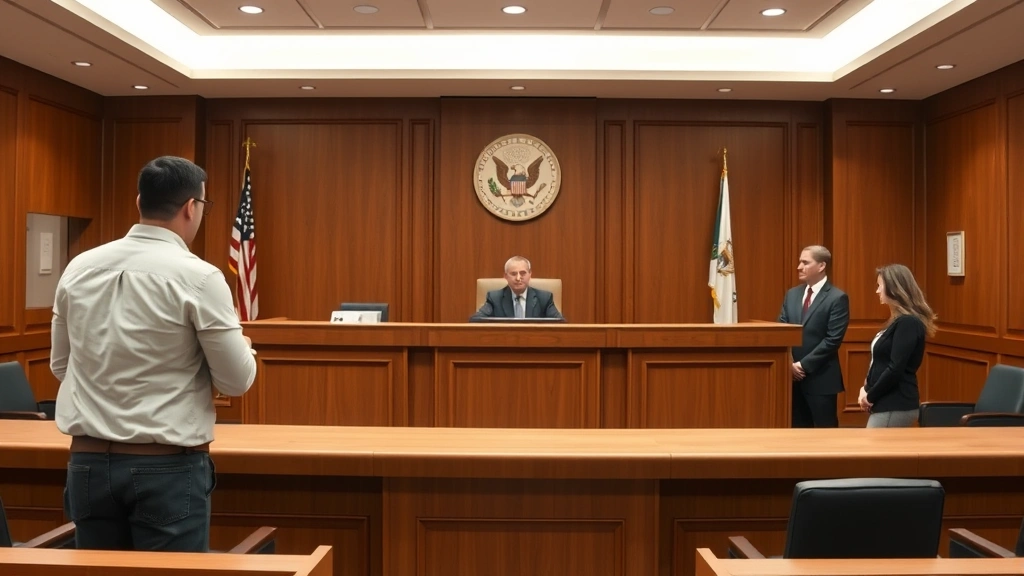
Juvenile adjudication proceedings follow different terminology and procedures than adult trials. The juvenile is charged with being delinquent (not guilty of a crime), faces a petition (not an indictment), and appears before a judge (not always a jury, as jury trial rights are limited in juvenile court). The burden of proof remains clear and convincing evidence or beyond a reasonable doubt depending on jurisdiction, maintaining rigorous evidentiary standards.
Right to counsel represents one of the most fundamental protections in juvenile proceedings. Every juvenile has the right to an attorney, whether private or court-appointed, from initial police contact through appeals. Given the complex legal issues involved and the stakes for a young person’s future, quality legal representation is essential. Understanding concepts like legal malpractice becomes important when evaluating whether counsel provided adequate representation meeting constitutional standards.
Juveniles retain Fifth Amendment protections against self-incrimination. They cannot be compelled to testify against themselves, and prosecutors cannot comment on their exercise of this right. The privilege extends to communications with attorneys and, in many jurisdictions, to parents and counselors.
Confrontation rights guarantee juveniles the opportunity to cross-examine witnesses against them. This Sixth Amendment protection applies fully in delinquency proceedings, allowing defense attorneys to challenge witness credibility and test evidence reliability through questioning.
Adjudication must be supported by sufficient evidence proving guilt beyond a reasonable doubt or to the clear and convincing standard applicable in the jurisdiction. Acquittals are final, and double jeopardy protections prevent retrial after acquittal or conviction.
Disposition and Rehabilitation Options
Following adjudication, judges impose disposition orders tailored to the juvenile’s needs, offense severity, and rehabilitation potential. Unlike adult sentencing focused on punishment, juvenile disposition emphasizes treatment, education, and skill development. Options range from probation with conditions to residential placement in facilities offering education, mental health services, and vocational training.
Probation represents the most common disposition, allowing youth to remain in the community under supervision. Conditions might include counseling, school attendance, curfews, substance abuse treatment, or community service. Probation officers work collaboratively with juveniles to achieve rehabilitation goals rather than solely enforce compliance.
Residential placement occurs when community-based services cannot adequately address the juvenile’s needs or when public safety requires secure confinement. These facilities must provide education, mental health treatment, and rehabilitation programming. Extended confinement without meaningful rehabilitation opportunities raises constitutional concerns regarding cruel and unusual punishment.
Restitution orders require juveniles to compensate victims for losses or damages, teaching accountability while providing meaningful victim restoration. Such orders must be reasonable and proportionate to the juvenile’s ability to pay, considering family resources and employment capacity.
Specific considerations apply when juveniles face waiver to adult court for serious offenses. These transfers represent extraordinary measures requiring judicial findings that the juvenile is not amenable to rehabilitation within the juvenile system and that public safety demands adult system prosecution. Waiver decisions receive appellate scrutiny, and juveniles have rights to present evidence regarding rehabilitation potential and amenability factors.
Understanding legal principles applicable to various contexts helps illuminate how rehabilitation principles extend across juvenile proceedings, emphasizing constructive outcomes over purely punitive measures.
Confidentiality and Record Protection
Juvenile records receive special confidentiality protections reflecting the principle that youthful mistakes should not permanently define individuals’ futures. Court proceedings, arrest records, and adjudication documents are typically sealed from public access, available only to authorized parties including law enforcement, courts, schools, and social service agencies.
Confidentiality restrictions generally prevent media publication of juvenile names, photographs, or identifying information in delinquency cases. These protections recognize that public identification and stigmatization can impede rehabilitation and reintegration. Some jurisdictions allow limited exceptions for serious offenses or when judges find compelling public interest justifications.
Record sealing or expungement procedures allow juveniles to have their records destroyed or made inaccessible after specified periods. Many states provide automatic sealing upon reaching adulthood or after offense-free periods. Juveniles can petition for early sealing based on rehabilitation progress and changed circumstances.
Employment and educational implications of sealed records are significant. Employers and educational institutions generally cannot access sealed juvenile records, allowing reformed youth to present themselves without permanent stigma from adolescent indiscretions. Exceptions exist for certain sensitive positions involving vulnerable populations, where limited record access may be permitted.
Confidentiality protections balance rehabilitation principles against legitimate interests in public safety information. Law enforcement agencies typically retain access to juvenile records for criminal history purposes, while other disclosures require judicial authorization or specific statutory authorization.
Parental Involvement and Notification Requirements
Parents and guardians play central roles in juvenile proceedings, reflecting recognition that family involvement enhances rehabilitation outcomes. Law enforcement must notify parents promptly when juveniles are arrested, typically within specified timeframes like 24 hours. This notification requirement ensures families can support their children and arrange legal representation quickly.
Parental presence during police questioning is frequently required or strongly recommended, depending on jurisdiction. Many states mandate parental notification before custodial interrogation, recognizing that parents help protect juveniles’ rights and provide emotional support during stressful police encounters.
In court proceedings, parents typically have rights to be present, participate in dispositional planning, and receive information about the case. Judges may order parental attendance at hearings and may impose sanctions for non-compliance. Parents can address the court regarding their child’s background, needs, and rehabilitation potential.
Parental liability for juvenile conduct varies by jurisdiction. Some states impose financial responsibility for restitution or facility costs, while others limit parental liability to specific circumstances. Understanding local variations in state laws helps parents navigate their legal obligations and rights.
Parental consent requirements apply to certain dispositional options, rehabilitation placements, and treatment decisions. While courts can override parental objections when necessary for the juvenile’s welfare, meaningful parental involvement typically strengthens rehabilitation prospects.
Family counseling and parent training programs are frequently incorporated into disposition orders, recognizing that family dynamics influence delinquency and rehabilitation. Courts may order parents to participate in treatment or support services as conditions of the juvenile’s community-based disposition.

Special Protections for Vulnerable Youth
Certain juveniles receive enhanced legal protections reflecting their particular vulnerabilities. Youth with mental health conditions, intellectual disabilities, substance abuse issues, or trauma histories require specialized assessments and treatment-focused dispositions. Courts must consider these factors during adjudication and disposition decisions.
Sexually exploited youth and victims of human trafficking receive special protections in many jurisdictions, allowing diversion from delinquency proceedings toward victim services. These youth are recognized as victims rather than perpetrators when their offenses result directly from exploitation or trafficking situations.
LGBTQ+ youth receive protections against harassment and discrimination in detention facilities and court proceedings. Facilities must provide safe housing, appropriate medical care, and protection from abuse based on sexual orientation or gender identity. Courts increasingly recognize trauma and marginalization affecting LGBTQ+ youth’s involvement in the justice system.
Incarcerated parents’ children receive consideration in some jurisdictions, with courts recognizing how parental incarceration affects juvenile behavior and rehabilitation prospects. Family reunification and maintaining parent-child relationships are prioritized when consistent with public safety and the juvenile’s welfare.
Foster youth and children in state custody often have additional protections and services through juvenile court and child welfare systems. Coordinated proceedings address both delinquency and dependency matters, ensuring comprehensive support for vulnerable youth.
Immigrants and refugee youth may require interpretation services, immigration-aware counsel, and consideration of immigration consequences from delinquency adjudications. Courts increasingly recognize how criminal findings can trigger deportation or immigration consequences, requiring specialized legal representation.
FAQ
What is the age of juvenile court jurisdiction?
Juvenile court typically has jurisdiction over minors under 18 years old, though specific ages vary by state and offense type. Some jurisdictions extend jurisdiction to age 20 or 21 for certain offenses, while others may exclude older teenagers from juvenile court for serious crimes.
Can juveniles be tried as adults?
Yes, juveniles can be transferred or waived to adult criminal court for serious offenses. This requires judicial findings that the juvenile is not amenable to rehabilitation within the juvenile system and that public safety demands adult prosecution. Waiver decisions receive appellate review and must consider statutory factors.
Do juveniles have jury trial rights?
Jury trial rights in juvenile delinquency proceedings are limited compared to adult criminal trials. Most states do not provide jury trials in juvenile court, though some jurisdictions allow them for certain serious offenses or by agreement. The Supreme Court has not required jury trials in juvenile proceedings.
Are juvenile records permanent?
Juvenile records are generally confidential and can be sealed or expunged, particularly if the juvenile completes rehabilitation or reaches adulthood without additional offenses. Sealing procedures vary by state but generally allow juveniles to deny the existence of sealed records for employment or educational purposes.
What happens if a juvenile is adjudicated delinquent?
Following adjudication, the judge imposes a disposition order focused on rehabilitation. Options include probation, residential placement, counseling, education programs, restitution, and community service. Dispositions emphasize treatment and skill development rather than purely punitive measures.
Can parents be held responsible for their child’s delinquency?
Parental financial responsibility for restitution or facility costs varies by state. Parents can also face liability for failing to comply with court orders regarding supervision or treatment participation. However, parents are generally not held criminally responsible for their child’s delinquent conduct.
What rights do juveniles have during police questioning?
Juveniles retain Miranda rights, including the right to silence and right to counsel. Many jurisdictions require parental notification before custodial questioning and recommend parental presence. Juveniles can invoke their rights at any time during questioning, and police must respect these protections.
How does confidentiality protect juveniles?
Confidentiality protections seal juvenile records from public access, prevent media publication of identifying information, and allow record expungement. These protections recognize that youthful mistakes should not permanently stigmatize individuals and allow juveniles to rehabilitate without permanent public labeling.
External Resources for Further Information:
- Office of Juvenile Justice and Delinquency Prevention (OJJDP) – Federal resource providing comprehensive information on juvenile justice policies and programs
- American Bar Association Center for Children and the Law – Authoritative source on juvenile rights and legal protections
- National Juvenile Defender Center – Organization dedicated to ensuring quality legal representation for juveniles
- State Court Rules and Procedures – Access to specific state juvenile court rules and procedures
- National Center for Juvenile Justice – Research and information on juvenile justice system operations and outcomes
Navigating the juvenile justice system requires understanding that these proceedings operate under fundamentally different principles than adult criminal courts. The emphasis on rehabilitation, the protections afforded developing youth, and the confidentiality safeguards reflect society’s recognition that juveniles deserve specialized legal treatment. Parents, guardians, and young people themselves benefit from understanding these rights and protections. When facing juvenile delinquency matters, consulting with an attorney experienced in juvenile law ensures that all available rights are protected and that disposition orders prioritize rehabilitation and successful reintegration. The juvenile justice system’s ultimate goal remains preparing young people for productive adulthood despite their involvement with the law, reflecting both accountability and hope for positive change.


