Jamaica Drinking Laws: Lawyer Insights
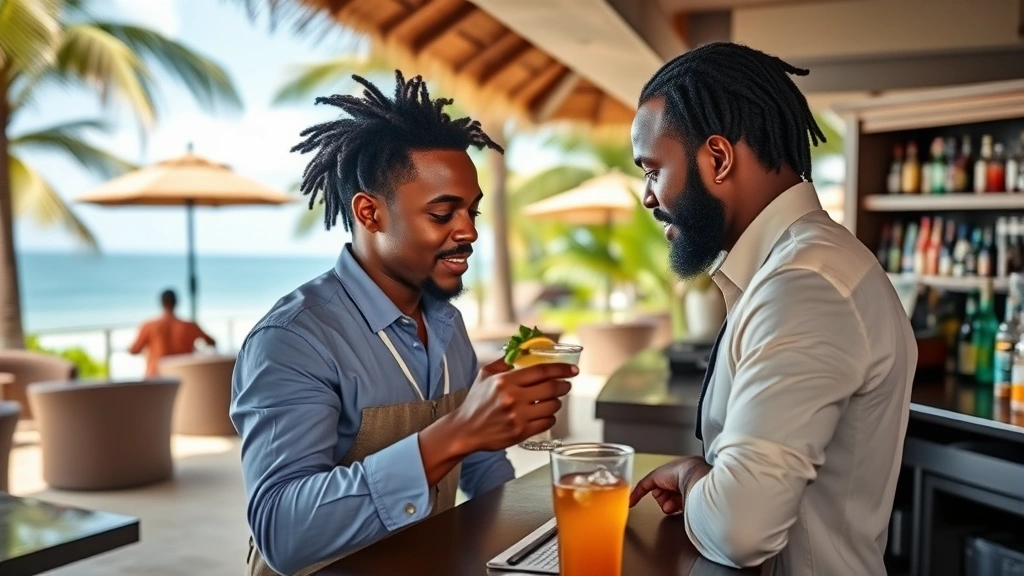
Jamaica’s drinking laws represent a complex intersection of colonial legal traditions, modern regulatory frameworks, and cultural considerations. As a Caribbean island nation with a vibrant tourism industry and significant local consumption patterns, Jamaica maintains specific statutory law governing alcohol availability, consumption, and related offenses. Understanding these regulations is essential for both residents and visitors to avoid legal complications and ensure compliance with local requirements.
The legal landscape surrounding alcohol in Jamaica encompasses age restrictions, licensing requirements, operating hours for establishments, and serious criminal penalties for impaired driving and related violations. Whether you’re planning a vacation, relocating to the island, or simply seeking to understand Jamaica’s regulatory environment, this comprehensive guide provides lawyer-reviewed insights into the practical application of drinking laws and their enforcement.
Legal Drinking Age in Jamaica
Jamaica establishes 18 years as the minimum legal drinking age, consistent with many Caribbean and Commonwealth nations. This age requirement applies to the purchase, possession, and consumption of alcoholic beverages in public establishments, private residences, and all other settings. The law reflects Jamaica’s classification of alcohol as a controlled substance requiring age-based restrictions to protect minors from potential harm.
The legal drinking age is enforced through multiple mechanisms, including vendor compliance requirements, identification verification at point of sale, and parental responsibility provisions. Establishments serving alcohol must request identification from any patron who appears under 30 years of age, creating a practical buffer to prevent underage sales. Vendors who knowingly sell alcohol to minors face significant penalties, including fines and potential license revocation.
Parents and guardians in Jamaica may legally provide alcohol to minors in private family settings, though this practice carries implied responsibility for supervision and safety. However, this exception does not extend to public consumption or situations where minors might be endangered. Understanding this distinction is crucial for families navigating social occasions and cultural celebrations involving alcohol.
Alcohol Sales and Licensing Regulations
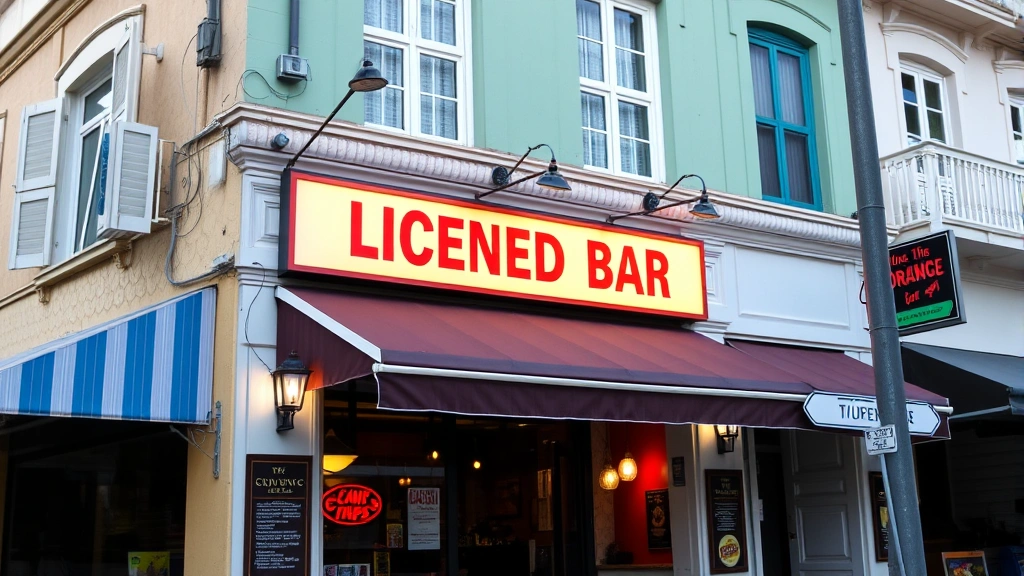
Jamaica’s alcohol sales framework operates under strict licensing requirements administered through the Licensing Authority and local municipal corporations. All establishments serving or selling alcohol—including bars, restaurants, nightclubs, liquor stores, and hotels—must obtain appropriate licenses and maintain compliance with operational standards. These licenses specify permitted hours of operation, types of beverages authorized for sale, and conditions for on-premises or off-premises consumption.
Operating hours for alcohol sales vary by establishment type and location. Off-premises retailers (liquor stores and supermarkets) typically may sell alcohol from early morning through late evening, though specific hours are determined by municipal regulations. On-premises establishments (bars and nightclubs) face more restrictive timeframes, with many required to cease alcohol service between 2:00 and 6:00 AM, depending on their classification and local ordinances.
License holders must comply with numerous operational requirements, including maintaining sanitary conditions, preventing underage sales, refusing service to intoxicated individuals, and reporting violations to authorities. Failure to maintain compliance can result in suspension or revocation of licenses, substantial fines, and potential criminal charges for serious violations. The licensing system creates accountability throughout the alcohol supply chain, from manufacturers through retailers.
Jamaica’s legal terms glossary includes specific definitions for different license categories, such as “beer and wine licenses” versus “full liquor licenses,” each carrying distinct privileges and restrictions. Establishments must display their licenses prominently and ensure all staff members understand applicable regulations.
Drinking and Driving Laws
Jamaica maintains stringent drinking and driving laws designed to protect public safety on roads and highways. The legal blood alcohol concentration (BAC) limit for drivers is 0.08 percent, consistent with international standards. However, Jamaica also recognizes the danger of impaired driving at lower levels, and law enforcement officers possess authority to arrest drivers exhibiting signs of impairment regardless of measured BAC, particularly when below 0.08 percent.
Drivers under 21 years of age face stricter standards, with zero-tolerance policies in some jurisdictions applying to any measurable alcohol consumption. This heightened restriction reflects the increased risk posed by young, inexperienced drivers operating vehicles while impaired. Commercial drivers and professional operators face even more restrictive limits in certain contexts.
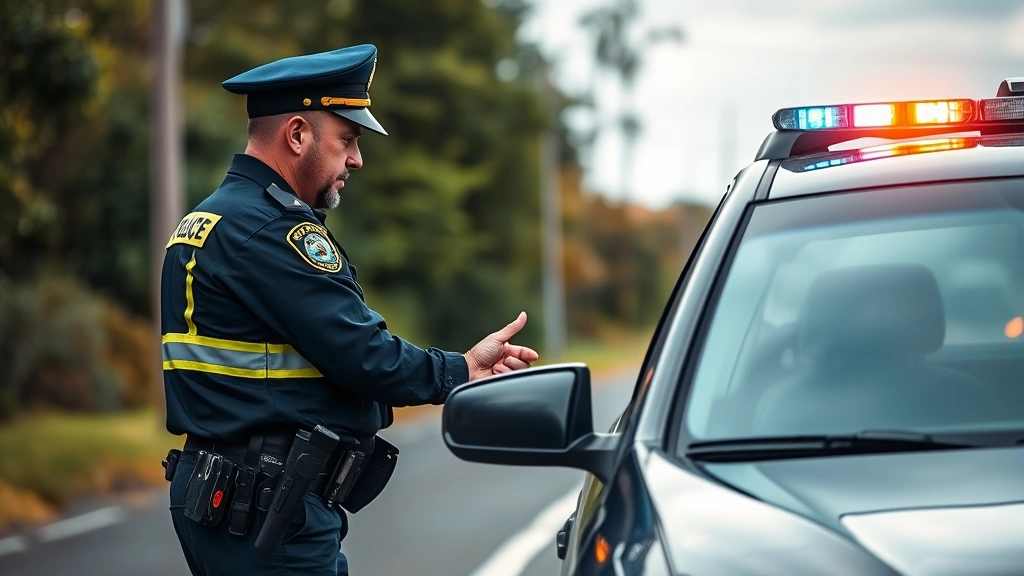
Police conduct roadside sobriety testing through standardized field sobriety tests (SFSTs) and breath analysis devices. Drivers suspected of impaired driving may be required to submit to breath or blood testing, with refusal to submit carrying serious legal consequences separate from any driving under the influence conviction. Jamaica’s implied consent laws establish that operating a vehicle constitutes consent to chemical testing.
Convictions for driving under the influence result in license suspension ranging from six months to several years, substantial fines, mandatory alcohol education programs, and potential imprisonment. Repeat offenses trigger enhanced penalties, including longer suspensions, higher fines, and increased jail time. Drivers causing accidents while impaired face additional charges for negligence, reckless endangerment, or assault.
Public Intoxication and Disorderly Conduct
Jamaica’s laws address public intoxication through provisions targeting disorderly conduct, breach of the peace, and threatening behavior associated with alcohol consumption. While mere intoxication in public is not automatically criminal, intoxication combined with disruptive behavior, threats, or violence triggers enforcement action. Police officers possess discretion to assess whether an intoxicated person poses danger to themselves or others.
Common charges related to public intoxication include disorderly conduct, loitering while intoxicated, and disturbing the peace. These offenses carry penalties ranging from modest fines to jail sentences depending on severity and prior record. Intoxicated individuals who become combative with police or resist arrest face additional charges and enhanced penalties.
Jamaica recognizes that alcohol consumption in entertainment districts, beaches, and tourist areas creates unique enforcement challenges. Police maintain heightened presence in these locations during peak hours, and visitors should be aware that behavior tolerated in private venues may constitute criminal conduct in public spaces. Cultural sensitivity matters—conduct perceived as harmless in one’s home country may violate Jamaican standards of public decorum.
Establishments have legal obligations to prevent patrons from becoming dangerously intoxicated and to refuse service to visibly impaired individuals. Bartenders and servers receive training on recognizing intoxication signs and intervening appropriately. When establishments fail to exercise these responsibilities, they may face liability for injuries or damages resulting from patron conduct.
Penalties and Enforcement
Jamaica’s enforcement of drinking laws involves multiple agencies, including the Jamaica Constabulary Force (JCF), municipal police, and licensing authorities. The Jamaica Constabulary Force maintains traffic enforcement units dedicated to detecting and prosecuting impaired driving offenses. Licensing authorities conduct compliance inspections of alcohol-serving establishments and investigate violations of operational requirements.
Penalties for drinking law violations escalate significantly with severity and repetition. First-time driving under the influence convictions typically result in fines ranging from JMD $50,000 to JMD $150,000, license suspension of 12 months, and possible jail sentences. Repeat offenses within ten years trigger mandatory jail sentences, longer license suspensions, and substantially higher fines.
Public intoxication and disorderly conduct charges carry fines ranging from JMD $10,000 to JMD $50,000 and potential jail time from 30 days to six months, depending on circumstances. Aggravating factors such as violence, threats, or property damage increase penalties substantially. A conviction for alcohol-related offenses may result in a criminal record affecting employment, housing, and travel opportunities.
Establishments serving alcohol face administrative penalties including license suspension or revocation, fines, and potential criminal charges for serious violations such as serving minors or knowingly serving visibly intoxicated patrons who subsequently cause harm. These penalties create strong incentives for compliance throughout the industry.
For those facing personal injury law firms near me or needing representation for alcohol-related charges, understanding Jamaica’s legal system is critical. Defendants have rights to legal representation and may challenge evidence through proper legal procedures.
Tourist Considerations and Practical Advice
Visitors to Jamaica should recognize that drinking laws apply equally to tourists and residents. The assumption that “anything goes” in vacation settings is legally incorrect and can result in serious consequences including arrest, imprisonment, fines, and deportation. Understanding and respecting local regulations demonstrates cultural awareness and protects personal safety.
Tourists should exercise particular caution regarding driving after alcohol consumption. Jamaica’s roads present unique hazards including narrow passages, limited lighting, and unpredictable traffic patterns. Impaired driving compounds these dangers significantly. Utilizing taxi services, ride-sharing applications, or designated drivers represents the safest approach to evening entertainment.
Beach and resort areas may appear casual regarding alcohol consumption, but public intoxication laws apply fully in these settings. Behavior that might be acceptable within a resort’s private beach area constitutes public intoxication if it occurs on public beaches or in town centers. Visitors should maintain awareness of their location and applicable regulations.
Jamaica’s tourism infrastructure includes numerous establishments licensed to serve alcohol, from casual beach bars to upscale nightclubs. These establishments typically enforce responsible service practices to protect patrons and maintain their licenses. However, visitors should recognize their personal responsibility for monitoring their consumption and making safe decisions.
Understanding Jamaica’s legal framework helps visitors appreciate the island’s culture and regulations. For those requiring legal assistance while in Jamaica, consulting with local divorce and family law attorney near me resources or criminal defense specialists provides appropriate guidance for serious legal matters.
FAQ
What is the legal drinking age in Jamaica?
The legal drinking age in Jamaica is 18 years. This age applies to purchasing, possessing, and consuming alcoholic beverages in all settings, both public and private establishments.
Can I drink and drive in Jamaica with a low blood alcohol level?
Jamaica’s legal blood alcohol concentration limit is 0.08 percent. However, driving under the influence charges may apply at lower levels if officers observe impairment signs. The safest approach is avoiding alcohol entirely before driving.
What are the penalties for driving under the influence in Jamaica?
First-time DUI convictions typically result in fines between JMD $50,000 and JMD $150,000, 12-month license suspension, and possible jail time. Repeat offenses carry mandatory imprisonment, longer suspensions, and higher fines.
Are there restrictions on alcohol sales hours in Jamaica?
Yes, alcohol sales hours vary by establishment type and location. Off-premises retailers typically operate during extended hours, while on-premises establishments often must cease alcohol service between 2:00 and 6:00 AM. Municipal regulations establish specific requirements for your location.
What happens if I’m publicly intoxicated in Jamaica?
Public intoxication combined with disruptive behavior may result in disorderly conduct charges carrying fines from JMD $10,000 to JMD $50,000 and jail sentences up to six months, depending on circumstances and severity.
Can establishments refuse to serve me alcohol?
Yes, establishments have legal obligations to refuse service to visibly intoxicated patrons or anyone appearing underage without proper identification. This protection serves public safety interests.
What should tourists know about drinking laws in Jamaica?
Tourists must comply with all Jamaica drinking laws equally with residents. Avoid assuming vacation settings permit behavior prohibited elsewhere. Exercise particular caution regarding driving after alcohol consumption and maintain awareness of your location when consuming alcohol publicly.
How are Jamaica’s drinking laws enforced?
The Jamaica Constabulary Force, municipal police, and licensing authorities enforce drinking laws through traffic enforcement, compliance inspections, and investigation of violations. Multiple agencies coordinate to maintain public safety and regulatory compliance.
Where can I find information about Jamaica’s legal system?
The Jamaica Bar Association provides resources about legal matters and attorney referrals. The Ministry of Justice Jamaica maintains official legal information and legislation. Additional resources include the Supreme Court of Jamaica website and the Parliament of Jamaica legislative database.
What legal resources exist for alcohol-related charges in Jamaica?
Individuals facing alcohol-related charges should immediately contact a qualified criminal defense attorney. Jamaica’s legal system provides rights to representation and due process protections. The Jamaica Bar Association can provide attorney referrals for serious legal matters.


