
Is Blasphemy Illegal? UK Law Overview
The question of whether blasphemy remains illegal in the United Kingdom is more nuanced than a simple yes or no answer. Historically, blasphemy laws were a cornerstone of English common law, designed to protect religious sensibilities and maintain public order. However, the legal landscape has shifted dramatically over recent decades, with most blasphemy provisions either repealed or rendered largely unenforceable. Understanding the current state of blasphemy law in England, Scotland, Wales, and Northern Ireland requires examining both historical context and modern legislative changes.
Today, blasphemy as a standalone criminal offense has been abolished in most of the UK, yet certain religious protections persist through different legal mechanisms. This comprehensive guide explores the evolution of blasphemy law, its current status across different regions, and how modern legislation addresses offensive speech concerning religion. Whether you’re researching this topic for academic purposes or seeking clarity on your legal rights regarding religious expression, this overview provides essential information about one of the UK’s most contentious legal areas.
Historical Background of Blasphemy Law in England
Blasphemy law in England emerged from common law principles dating back centuries. The offense was traditionally defined as intentionally insulting, mocking, or deriding the Christian faith, its doctrines, or sacred figures. English courts treated blasphemy as a serious matter, recognizing it as an offense against public morality and religious sentiment. The most famous blasphemy prosecutions occurred in the 18th and 19th centuries, establishing legal precedents that persisted well into the modern era.
The case of R v Blasphemous Libel established foundational principles that governed blasphemy prosecutions for generations. Courts determined that the offense required publication of matter that was likely to shock and outrage believers and was intended to do so. This distinction between mere criticism of religion and actual blasphemy proved crucial in subsequent litigation. The severity with which courts approached these cases reflected broader societal concerns about maintaining religious harmony and protecting Christian doctrine from public ridicule.
During the Victorian era, blasphemy prosecutions became somewhat more common, though still relatively rare. Defendants included publishers of radical literature and freethinkers who challenged orthodox Christian teachings. These prosecutions often reflected the tensions between emerging secular thought and established religious authority. However, even during this period, courts recognized certain limitations on blasphemy law, acknowledging that genuine theological debate and scholarly criticism fell outside the scope of the offense.
Current Legal Status: Is Blasphemy Illegal Today?
The straightforward answer is that blasphemy is no longer illegal as a standalone crime in England and Wales. The blasphemy law was abolished by the Criminal Justice and Public Order Act 1994, which repealed the common law offenses of blasphemy and blasphemous libel. This legislative change represented a watershed moment in UK law, reflecting evolving attitudes toward religious expression and freedom of speech. Scotland had already abolished its blasphemy law in 1986, recognizing the offense as incompatible with modern legal principles.
The abolition of blasphemy law did not occur in isolation but as part of broader legislative reform addressing various public order offenses. Parliament recognized that maintaining blasphemy as a criminal offense created tension with other fundamental legal principles, particularly freedom of expression. The decision reflected growing consensus that the criminal law should not serve primarily to protect religious feelings or doctrine from critical examination.
However, it’s crucial to understand that the absence of blasphemy law does not mean religious speech is entirely unregulated. Instead, the UK has implemented alternative legal frameworks that address harmful religious speech through different mechanisms. These frameworks focus on preventing incitement to violence, hatred, and discrimination rather than protecting religious doctrines from criticism or ridicule. This represents a fundamental shift in legal philosophy from protecting religion itself to protecting religious groups from targeted harm.
Understanding civil vs criminal law distinctions helps clarify how religious protections now operate. While criminal blasphemy has been abolished, civil remedies and other criminal statutes may apply to certain religious speech, particularly when it incites violence or discrimination.
Repeal of Blasphemy Laws Across UK Nations
The UK’s constituent nations have taken slightly different approaches to blasphemy law, though the overall trajectory has been toward abolition. England and Wales abolished blasphemy through the Criminal Justice and Public Order Act 1994, as mentioned above. This represented the most significant change in English law regarding religious speech in centuries.
Scotland moved even earlier, abolishing its blasphemy law through the Law Reform (Miscellaneous Provisions) (Scotland) Act 1986. Scottish legal authorities recognized that maintaining blasphemy statutes was incompatible with modern understandings of freedom of expression. The Scottish Parliament’s decision preceded the English and Welsh abolition by eight years, demonstrating Scotland’s commitment to separating criminal law from religious doctrine protection.
Northern Ireland retained blasphemy law longer than other UK regions, but the Blasphemy Act 1697 was eventually repealed by the Criminal Justice Act (Northern Ireland) 2013. This relatively recent abolition reflected ongoing tensions in Northern Ireland regarding religious sensitivities and communal relations. Despite the later repeal date, Northern Ireland now aligns with other UK nations in not maintaining blasphemy as a criminal offense.
Wales followed the same timeline as England, with blasphemy law abolished through the 1994 Act. The abolition applied uniformly across England and Wales, reflecting the unified legal system governing these nations.
The progression of blasphemy law abolition across the UK demonstrates evolving consensus that criminal law should not function as a guardian of religious orthodoxy. Each nation recognized, in its own timeframe, that modern legal systems must balance religious freedom with freedom of expression, and that blasphemy statutes tilted too heavily toward protecting religious feelings at the expense of critical speech.
Religious Protections Under Modern Legislation
Although blasphemy law has been abolished, the UK maintains several statutory protections addressing religious matters. These protections operate through different legal mechanisms, focusing on preventing harm to religious groups rather than protecting religious doctrine from criticism.
Part III of the Public Order Act 1986 creates the offense of incitement to religious hatred. This provision makes it illegal to use threatening, abusive, or insulting words or behavior intending to stir up religious hatred, or with reckless disregard as to whether such hatred would be stirred up. This represents a significant distinction from blasphemy law: the offense focuses on inciting hatred against religious groups, not on insulting religion itself. A person could theoretically criticize or ridicule religious beliefs without committing this offense, provided the speech doesn’t incite hatred against believers.
The Equality Act 2010 provides protections against discrimination based on religion or belief in various contexts, including employment, education, and provision of goods and services. While not directly addressing speech, this legislation creates a framework ensuring religious groups receive equal treatment under law. These protections complement rather than replace freedom of expression principles.
The Communications Act 2003 and Malicious Communications Act 1988 address harassing or threatening communications, including those with religious motivation. These provisions can apply to religious speech that crosses into harassment or threatening conduct, regardless of whether it constitutes incitement to hatred.
Understanding how legal frameworks protect various groups provides context for religious protections. Modern legislation emphasizes protecting people from discrimination and violence rather than protecting religious ideas from criticism.
Hate Speech and Religious Offense Laws
The distinction between blasphemy and hate speech represents a crucial evolution in UK law. Blasphemy law protected religious doctrines and beliefs from criticism; hate speech law protects religious groups from incitement to violence and discrimination. This philosophical shift reflects modern understanding that criminal law should address harm to people rather than offense to ideas.
Section 29J of the Public Order Act 1986 specifically provides that nothing in Part III (religious hatred provisions) shall be read as restricting freedom of expression, including discussion, criticism, or ridicule of religions or beliefs. This explicit carve-out demonstrates Parliament’s intention to preserve robust debate about religion while preventing incitement to violence and discrimination.
Courts have consistently held that merely expressing anti-religious views, even views considered deeply offensive by believers, does not constitute incitement to religious hatred without evidence of intent or recklessness regarding stirring up hatred. This represents a substantially higher threshold than blasphemy law required.
The Online Safety Bill 2023 introduced new frameworks for addressing harmful content online, including religious harassment. However, these provisions similarly focus on preventing harm to people through harassment or incitement rather than protecting religious sensibilities from offense.
International human rights law, including the European Convention on Human Rights, influences UK approaches to balancing religious freedom with expression freedom. Article 10 protects freedom of expression while Article 9 protects freedom of thought, conscience, and religion. Courts must balance these rights, recognizing that neither absolute protection of religious beliefs nor absolute freedom of expression can prevail in all circumstances.
Practical Implications and Free Speech
The abolition of blasphemy law has profound practical implications for free speech in the UK. Artists, authors, comedians, and commentators can now critique, ridicule, and challenge religious beliefs without fear of criminal prosecution. This freedom extends to satire, parody, and harsh criticism of religious doctrines and practices.
However, this expanded freedom comes with important limitations. Speech that incites violence against religious groups, that constitutes harassment, or that involves threats remains illegal. Additionally, individuals may face civil liability through defamation or other tort claims if their statements about specific religious figures or organizations cause demonstrable harm.
The practical effect has been to enable more robust public discourse about religion. Religious organizations can now be subject to criticism without legal recourse through blasphemy statutes, though they retain other legal remedies for defamation or harassment. This reflects a deliberate policy choice that religious beliefs should not receive special protection from criticism that other ideas receive.
For those researching related legal issues, understanding how legal firms approach complex cases can provide insight into how modern litigation handles sensitive matters involving religious expression.
Some religious organizations have expressed concern about the loss of blasphemy protections, arguing that the expansion of religious expression freedom has enabled offensive speech targeting their beliefs. Others have embraced the change, arguing that robust debate strengthens faith communities and that reliance on criminal law to suppress criticism weakened religious discourse. The balance between these perspectives continues to shape contemporary debates about religious expression and free speech.
Recent cases involving religious speech have demonstrated how courts navigate these tensions. Prosecutions under incitement to religious hatred provisions have been rare, reflecting the high threshold required to establish the offense. This suggests that UK courts take seriously the protection of free speech even regarding controversial religious matters.
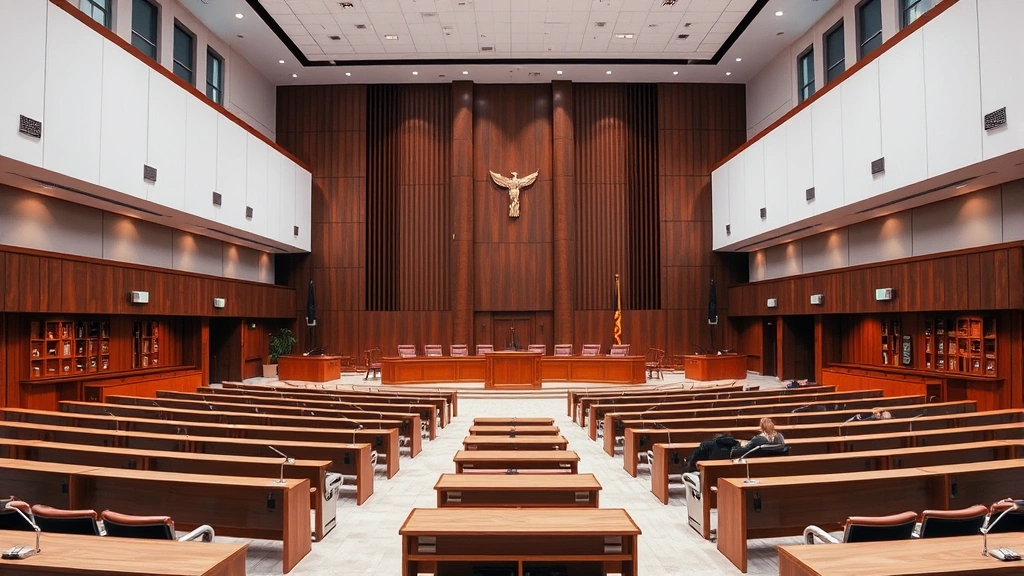
The UK’s approach to religious expression law demonstrates sophisticated legal thinking about how democratic societies should address the relationship between freedom of expression and religious protection. Rather than relying on criminal law to protect religious feelings, the UK has developed frameworks protecting religious groups from targeted harm while preserving space for critical examination of religious beliefs. This represents a mature legal approach recognizing that religious faith can coexist with robust criticism in open societies.
For those interested in how UK law addresses sensitive matters, exploring how legal systems address controversial issues provides comparative perspective on legislative approaches to contentious subjects. Similarly, examining regulatory frameworks demonstrates how modern law balances competing interests through specific statutory provisions rather than broad categorical prohibitions.
The abolition of blasphemy law reflects broader legal trends toward protecting vulnerable groups through targeted provisions rather than through censorship. This approach recognizes that open societies require space for disagreement, including religious disagreement, while maintaining legal safeguards against incitement to violence and discrimination. Understanding these nuances is essential for anyone engaging with questions about religious expression and legal freedom in contemporary UK society.

Frequently Asked Questions
Can you be prosecuted for blasphemy in the UK today?
No, blasphemy is no longer a criminal offense in the UK. The common law offenses of blasphemy and blasphemous libel were abolished in England and Wales by the Criminal Justice and Public Order Act 1994, in Scotland by 1986, and in Northern Ireland by 2013. You cannot be criminally prosecuted solely for insulting or ridiculing religious beliefs.
What speech about religion is still illegal in the UK?
While blasphemy itself is not illegal, speech that incites religious hatred remains criminal under Part III of the Public Order Act 1986. Additionally, speech that constitutes harassment, threats, or defamation may be illegal or give rise to civil liability. However, mere criticism, ridicule, or offense to religious believers is generally protected.
Can religious organizations sue for defamation if their beliefs are criticized?
Religious organizations could potentially pursue defamation claims if false statements cause demonstrable harm to their reputation, but this is distinct from blasphemy law. Defamation requires proving false factual statements caused harm, whereas blasphemy law merely required insulting or mocking religious beliefs. Truthful criticism or opinion, even if offensive, generally cannot constitute defamation.
How does UK law balance religious freedom with freedom of expression?
UK law explicitly protects both religious freedom (under Article 9 of the European Convention on Human Rights and domestic legislation) and freedom of expression (under Article 10). When these rights conflict, courts must balance them on a case-by-case basis, considering factors like whether speech incites violence, the importance of the expression to democratic discourse, and the rights of religious groups to practice their faith without persecution.
Are there any remaining blasphemy laws in Commonwealth countries?
Some Commonwealth nations retain blasphemy laws, though many have abolished them in recent years. Canada abolished blasphemous libel in 2018. However, countries including Pakistan, India, and several others maintain active blasphemy statutes. The UK’s abolition reflects broader trends toward removing such provisions from modern legal systems.
What about religious speech on social media platforms?
While UK criminal law does not prohibit most religious speech, social media platforms maintain their own community standards that may restrict religious content. The Online Safety Bill introduces regulatory frameworks for online platforms, but these focus on preventing harm through harassment and incitement rather than protecting religious feelings from offense. Users should review individual platform policies regarding religious content.


