
Florida’s Homelessness Law: Legal Overview
Florida faces significant challenges in addressing homelessness, with thousands of individuals experiencing housing insecurity across the state. The legal framework governing homelessness in Florida is complex, involving federal regulations, state statutes, local ordinances, and constitutional protections. Understanding these laws is essential for service providers, advocates, policymakers, and individuals seeking assistance or navigating legal consequences related to homelessness.
Florida’s approach to homelessness regulation has evolved substantially over the past decade, reflecting tension between compassion-based social services and enforcement-oriented local policies. The state combines housing-first initiatives, criminalization provisions, and anti-discrimination protections that create a multifaceted legal landscape. This comprehensive overview examines the statutory framework, local ordinances, constitutional considerations, and practical implications of Florida’s homelessness laws.
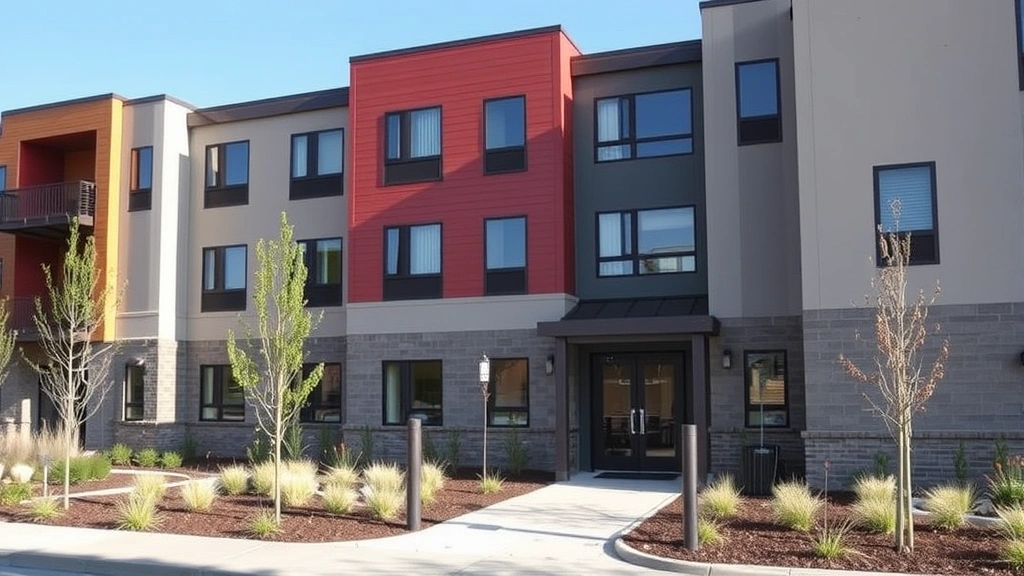
Florida Statutes Governing Homelessness
Florida’s primary statutory framework for homelessness is codified in Florida Statutes Chapter 11, Part II, which establishes the Office of Homelessness within the Department of Children and Families. This legislation creates the legal foundation for state-level coordination of homelessness services and policy development. The statute mandates that the state maintain a comprehensive approach to preventing and reducing homelessness through data collection, strategic planning, and resource allocation.
Florida Statute § 11.50 establishes specific responsibilities for the Office of Homelessness, including developing a statewide homeless assistance plan, coordinating with federal agencies, and managing funding for homeless services. The statute requires annual reports to the legislature detailing homelessness trends, program effectiveness, and funding needs. This legal mandate ensures ongoing legislative oversight and public accountability for state homelessness initiatives.
The Housing First Act, codified in Florida Statutes, promotes evidence-based housing solutions by prioritizing rapid placement into permanent housing combined with supportive services. This statute reflects a national trend toward housing-first models, emphasizing that stable housing is a prerequisite for addressing underlying issues such as mental health conditions, substance use disorders, and employment barriers. The law provides legal authority for state agencies to implement and fund housing-first programs.
Florida Statute § 193.461 addresses property tax exemptions for organizations providing homeless services, creating financial incentives for nonprofits to operate shelters and transitional housing facilities. This tax provision recognizes the public benefit of homeless services and reduces operational costs for service providers. Additionally, Florida Statute § 255.385 establishes community development block grant requirements, directing federal funds toward homelessness prevention and housing assistance programs.
The state also maintains specific statutes addressing vulnerable populations within the homeless community. Florida Statute § 39.01 establishes protections for homeless youth, while separate provisions address services for homeless veterans, seniors, and individuals with disabilities. These targeted statutes recognize that different population segments experience homelessness differently and require specialized legal frameworks and services.
Local Ordinances and Municipal Regulations
While state law provides the overarching framework, Florida municipalities exercise substantial authority in regulating homelessness through local ordinances. Cities like Miami, Tampa, Jacksonville, and Orlando have enacted specific regulations addressing public spaces, panhandling, camping, and sleeping in public areas. These local laws create significant legal variation across the state and frequently generate constitutional challenges.
Many Florida cities have enacted anti-camping ordinances that prohibit sleeping or remaining in public parks, streets, and other municipal property. Miami’s ordinance, for example, prohibits camping in public spaces and establishes fines for violations. However, courts have scrutinized these ordinances under the constitutional protections analysis, with some finding that criminalizing conduct necessary for survival may violate the Eighth Amendment’s prohibition on cruel and unusual punishment.
Panhandling regulations represent another category of local ordinances affecting homeless individuals. Florida municipalities have adopted varying approaches, from aggressive restrictions to content-based regulations. Fort Lauderdale’s ordinance restricts panhandling in specific areas and at certain times, while other cities impose permit requirements or ban aggressive solicitation. These ordinances frequently face First Amendment challenges, as courts recognize panhandling as a form of protected speech.
Local sit-lie ordinances prohibit sitting or lying on sidewalks during business hours or in commercial districts. These regulations, enacted by multiple Florida municipalities, aim to maintain public spaces and facilitate commerce but disproportionately impact homeless individuals. Legal challenges argue these ordinances violate freedom of movement and constitute punishment for status rather than conduct.
Several Florida cities have adopted housing-supportive ordinances that facilitate rather than restrict homelessness services. These include zoning variances for transitional housing facilities, reduced permitting requirements for nonprofits, and mandatory inclusionary housing provisions. Such ordinances represent a different legal approach, using municipal authority to encourage housing solutions rather than enforcement.
The City of Miami Beach’s comprehensive ordinance addressing homelessness includes provisions requiring businesses to provide bathroom access and regulating aggressive panhandling while simultaneously mandating city investment in housing and services. This balanced approach illustrates how local law can incorporate both enforcement and supportive elements, though tensions between these approaches remain significant.
Criminalization and Enforcement Issues
Criminalization of homelessness through vagrancy statutes and related offenses has long been controversial in Florida law. While traditional vagrancy statutes have been struck down as unconstitutionally vague, enforcement against homeless individuals continues through alternative statutes including disorderly conduct, trespassing, and loitering laws.
Disorderly conduct statutes (Florida Statute § 877.03) remain frequently applied to homeless individuals for sleeping in public, remaining in parks after hours, or other conduct directly related to homelessness. These statutes provide broad language that law enforcement can apply to homeless conduct, creating legal jeopardy for survival activities. Courts have occasionally found such applications unconstitutional when applied to conduct necessary for survival.
Florida’s trespassing laws (Florida Statute § 810.08) create legal liability for homeless individuals who seek shelter on private property or remain in public spaces after being asked to leave. While property owners retain legitimate rights to exclude individuals, application of trespassing laws to homeless individuals creates cycles of arrest and incarceration that exacerbate homelessness rather than addressing underlying causes.
Loitering statutes provide another enforcement mechanism, though Florida courts have required that loitering laws include specific intent elements to withstand constitutional scrutiny. Vague loitering provisions that criminalize mere presence have been challenged as violating due process and freedom of movement rights. The distinction between legitimate presence and criminal loitering remains legally contested in homelessness contexts.
The enforcement of these statutes has created substantial racial disparities and disproportionate impact on individuals with mental health conditions and substance use disorders. Research demonstrates that enforcement approaches increase criminal justice involvement without reducing homelessness, creating what advocates term “the criminalization cycle.” Legal advocates argue that such enforcement violates the fundamental principles of criminal justice by punishing status rather than conduct.
Florida’s arrest and incarceration data reveals that enforcement approaches burden the criminal justice system while failing to address homelessness. Individuals experiencing homelessness cycle through jails repeatedly for survival-related offenses, accumulating criminal records that further impede housing access and employment. This legal framework creates perverse incentives that worsen rather than solve homelessness.
Housing and Social Services Framework
Florida’s legal framework for addressing homelessness includes substantial provisions for housing assistance and social services. The state administers federal funding through programs including the Community Development Block Grant (CDBG), Emergency Solutions Grant (ESG), and Housing and Urban Development (HUD) programs. These federal-state partnerships create the legal foundation for most homeless services in Florida.
Continuum of Care programs, coordinated through HUD funding mechanisms, provide legal frameworks for service coordination across Florida’s regions. These programs establish planning processes, funding priorities, and performance standards for homeless services. The legal structure emphasizes evidence-based practices, data-driven decision-making, and coordination among service providers.
Florida’s rapid rehousing programs, authorized under state law and funded through federal grants, provide time-limited rental assistance and supportive services designed to move individuals from homelessness into permanent housing. These programs represent a legal commitment to housing-first approaches, prioritizing immediate housing placement over extended shelter stays or conditional requirements.
Prevention programs authorized under Florida law provide financial assistance to individuals at risk of homelessness. These programs offer rental assistance, utility assistance, and other support designed to prevent housing loss. The legal framework recognizes that prevention is more cost-effective and humane than responding to homelessness after it occurs.
Florida law mandates coordination between housing authorities and social service agencies, ensuring that homeless individuals receive integrated support addressing housing, health, mental health, and employment needs. This legal requirement reflects understanding that homelessness rarely results from housing cost alone but typically involves multiple interconnected challenges requiring coordinated response.
The state also provides specific legal frameworks for specialized populations including homeless veterans, youth, and individuals with serious mental illness. These targeted programs reflect recognition that different populations require different service approaches. Legal provisions for homeless veterans, for example, emphasize employment assistance and VA benefits coordination, while youth programs focus on education continuity and family reunification where appropriate.
Constitutional Protections and Rights
Homeless individuals in Florida retain constitutional rights despite their housing status. The Florida Constitution, as well as the U.S. Constitution, provides protections that limit government authority to criminalize homelessness or deny services based on housing status.
Due process protections under the Fourteenth Amendment require that criminal statutes provide fair notice of prohibited conduct. Courts have found that vague ordinances criminalizing homelessness-related conduct may violate due process by failing to provide clear guidance regarding what conduct is prohibited. This constitutional principle has successfully challenged several Florida municipal ordinances.
The Eighth Amendment prohibition on cruel and unusual punishment has emerged as a significant protection in homelessness litigation. Courts have reasoned that punishing individuals for conduct necessary for survival—such as sleeping when one has no shelter—may constitute cruel and unusual punishment. This constitutional principle has limited Florida municipalities’ ability to absolutely prohibit sleeping in public spaces.
First Amendment protections extend to homeless individuals’ right to panhandle and engage in political speech. While Florida courts recognize that panhandling may be regulated through content-neutral time, place, and manner restrictions, blanket prohibitions on panhandling have been struck down as unconstitutional viewpoint discrimination. This constitutional protection ensures homeless individuals retain voice in public discourse.
Florida’s constitutional right to privacy, recognized under the state constitution’s explicit privacy provision, provides protections beyond federal constitutional minimums. This state-level protection has been invoked to challenge government intrusion into homeless individuals’ personal decisions regarding housing and lifestyle choices, though courts have balanced this right against legitimate government interests.
Equal protection principles ensure that homeless individuals cannot be discriminated against based on their housing status in access to public accommodations, government services, or employment. Florida law prohibits housing discrimination based on source of income, which protects individuals receiving homeless assistance vouchers. This legal framework recognizes that housing status discrimination violates fundamental equality principles.
Federal Influences on Florida Policy
Federal law substantially shapes Florida’s homelessness legal framework through funding conditions, civil rights requirements, and statutory mandates. The Department of Housing and Urban Development (HUD) establishes requirements for programs receiving federal funding, including data collection standards, performance metrics, and equity requirements. These federal mandates influence how Florida implements homelessness policy.
The McKinney-Vento Act, the primary federal homelessness statute, establishes requirements for homeless education, healthcare, and veterans services. Florida must comply with these federal provisions to receive related funding. The Act requires schools to continue educating homeless youth without residential barriers and mandates healthcare providers to serve homeless individuals regardless of insurance status or residential address.
Fair Housing Act compliance requires that Florida’s homelessness policies not discriminate based on protected characteristics including race, color, national origin, religion, sex, familial status, or disability. Federal enforcement has challenged several Florida local ordinances as having disparate impact on protected classes, particularly racial minorities and individuals with disabilities.
Federal Violence Against Women Act (VAWA) provisions require that homeless services address domestic violence survivors’ specific needs. Florida law must provide safe housing options and supportive services for individuals experiencing domestic violence, with particular attention to privacy and safety concerns. These federal requirements shape state homeless services policy.
The Department of Justice has issued guidance interpreting federal civil rights laws as limiting criminalization of homelessness, particularly when enforcement disproportionately affects individuals with disabilities or mental health conditions. This federal guidance influences how Florida prosecutors and courts interpret state and local criminalization statutes.
Federal Americans with Disabilities Act (ADA) requirements ensure that homeless services and public spaces are accessible to individuals with disabilities. This federal mandate requires that shelters, services, and public accommodations serving homeless individuals provide reasonable accommodations for mobility, sensory, and cognitive disabilities. Florida agencies must comply with these federal accessibility requirements.
The Rehabilitation Act Section 504 provides additional protections for individuals with disabilities receiving federal funding, extending ADA principles to any program or facility receiving federal financial assistance. This federal requirement ensures that Florida’s homeless services programs do not discriminate against individuals with disabilities.
FAQ
What is the legal definition of homelessness under Florida law?
Florida law defines homelessness consistent with federal HUD definitions, encompassing individuals lacking fixed, regular, and adequate nighttime residence, including those in emergency shelters, transitional housing, or places not designated for human habitation. This definition includes both literally homeless individuals and those at imminent risk of homelessness due to eviction or housing loss. The definition is crucial for determining eligibility for state and federal homeless services.
Can municipalities in Florida criminalize sleeping in public?
While municipalities retain authority to regulate public spaces, absolute prohibitions on sleeping in public have faced constitutional challenges. Courts recognize that individuals without housing must sleep somewhere, and punishing survival conduct may violate constitutional protections. However, municipalities may maintain reasonable regulations on time, place, and manner of sleeping in public spaces, particularly when alternative shelter options exist. The legality depends on specific ordinance language and factual circumstances.
What legal protections exist for homeless individuals facing discrimination?
Homeless individuals receive protection under federal fair housing laws prohibiting discrimination based on receipt of housing assistance vouchers or source of income. Florida law provides additional protections against discrimination in public accommodations and services. Individuals experiencing discrimination can file complaints with the HUD Office of Fair Housing and Equal Opportunity or pursue state law remedies through filing complaints with appropriate state agencies.
Are there specific legal protections for homeless youth in Florida?
Yes, Florida law provides specialized protections for homeless youth including rights to educational continuity, healthcare, and social services. The McKinney-Vento Act mandates that schools enroll homeless youth without residential address requirements and provide transportation and services. Florida also maintains separate funding streams and service requirements specifically addressing homeless youth needs, recognizing their unique vulnerabilities and developmental needs.
What legal recourse exists if someone is arrested under homelessness-related ordinances?
Individuals arrested under homelessness-related ordinances may challenge the constitutional validity of the ordinance or its application. Legal defenses include vagueness challenges under due process protections, cruel and unusual punishment arguments, and equal protection claims. Those facing criminal charges should consult with criminal defense attorneys experienced in homelessness law. Additionally, they may file complaints regarding discriminatory enforcement or violations of civil rights through appropriate administrative or judicial channels.
How does Florida law address homelessness prevention?
Florida law authorizes prevention programs providing rental assistance, utility assistance, and other support to individuals at risk of homelessness. These programs are funded through state appropriations and federal grants, with legal frameworks establishing eligibility criteria and service standards. Prevention programs represent a legal commitment to reducing homelessness by intervening before individuals lose housing, recognizing prevention as more cost-effective than addressing homelessness after it occurs.
What are homeless individuals’ rights to public services in Florida?
Homeless individuals retain rights to public services including emergency healthcare, emergency assistance, and other safety-net services. Government agencies cannot deny services based on housing status, and must provide reasonable accommodations for individuals experiencing homelessness. Additionally, individuals retain rights to apply for housing assistance, food assistance, healthcare, and other government benefits regardless of current housing status. These legal protections ensure basic access to government services.


