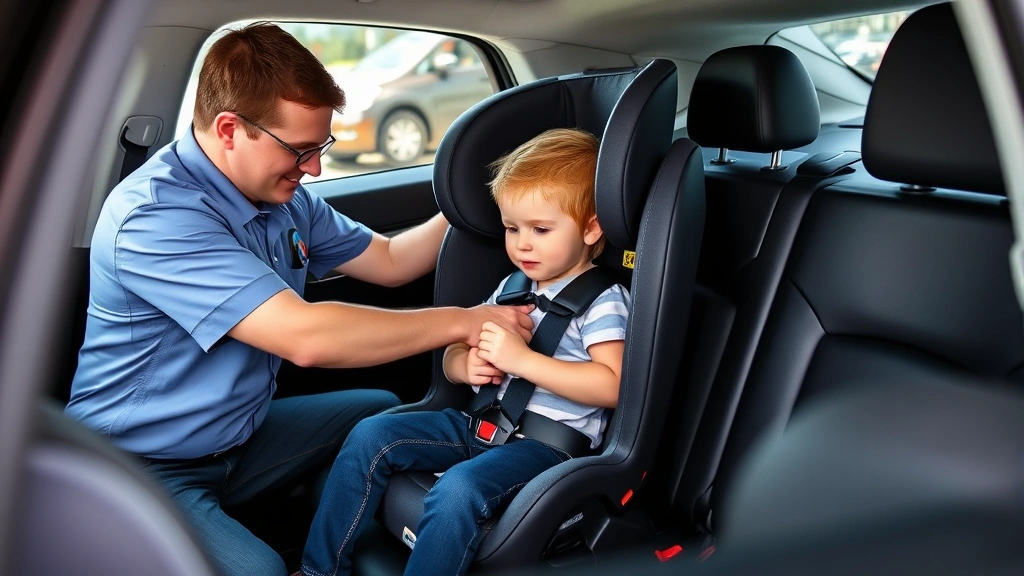
Florida Safety Seat Laws: Attorney Overview
Child safety seat requirements represent one of the most critical areas of Florida traffic law, designed to protect the state’s youngest passengers from serious injury and death in motor vehicle accidents. These regulations have evolved significantly over the years, reflecting advances in automotive safety technology and growing evidence about the effectiveness of proper restraint systems. Understanding Florida’s safety seat laws is essential for parents, guardians, and anyone transporting children, as violations can result in substantial fines, points on driving records, and potential child endangerment charges.
Florida Statute § 316.613 establishes comprehensive requirements for child restraint systems, mandating that children meet specific age, weight, and height criteria before transitioning between different types of safety devices. Law enforcement officers prioritize safety seat compliance during traffic stops, and violations are taken seriously within the state’s legal framework. This guide provides a detailed examination of current Florida safety seat laws, enforcement procedures, penalties, and practical compliance strategies for drivers and caregivers.
Age and Weight Requirements for Child Restraints
Florida law establishes specific age and weight thresholds that determine which type of restraint system a child must use while traveling in a motor vehicle. The state’s regulations align with the American Academy of Pediatrics recommendations and reflect current research on child passenger safety effectiveness. Understanding these requirements is fundamental to maintaining legal compliance and ensuring optimal protection for children during vehicle travel.
Children under the age of six years old, or those weighing less than 60 pounds, must be restrained in a child safety seat or booster seat that is appropriate for their age, weight, and height. Infants typically begin in rear-facing infant seats, which provide superior protection for developing spines and necks during frontal collisions. As children grow, parents transition them to forward-facing seats with harnesses, then to booster seats, before finally graduating to standard seat belts.
The law specifically requires rear-facing seats for infants under age one or those weighing less than 20 pounds. Forward-facing seats with harnesses are appropriate for children ages one through four, or those weighing between 20 and 40 pounds. Booster seats are required for children ages four through eight, or those weighing between 40 and 60 pounds, though children exceeding these dimensions may use adult seat belts if they fit properly. It’s important to note that these are minimum legal requirements, and many safety experts recommend extending rear-facing and forward-facing seat use beyond these thresholds for enhanced protection.
Parents should consult the manufacturer’s instructions for their specific safety seat model, as each device has unique height and weight limits. Some seats accommodate children across multiple stages, reducing the need for frequent seat replacements. Proper documentation of a child’s weight and measurements ensures accurate seat selection and positioning.
Types of Approved Safety Seats and Devices
Florida recognizes several categories of approved child restraint systems, each designed for specific developmental stages and body dimensions. All safety seats used in Florida must comply with federal Motor Vehicle Safety Standard (MVSS) 213, which establishes minimum safety performance requirements. The National Highway Traffic Safety Administration (NHTSA) maintains a comprehensive database of approved seats, and parents should verify that their chosen device meets these federal standards before purchase.
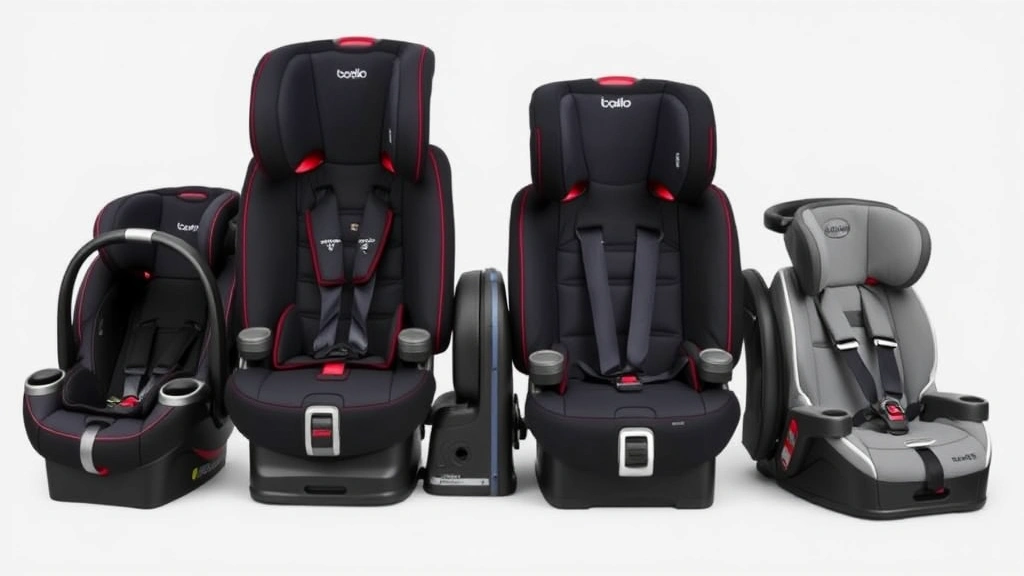
Rear-facing infant seats, sometimes called carrier seats, are the smallest category and are designed exclusively for newborns and infants. These seats typically feature a base that remains installed in the vehicle, with the carrier portion that can be removed for portable use. Many modern infant seats accommodate children up to 30 or 35 pounds in the rear-facing position, allowing extended rear-facing use that provides superior crash protection.
Convertible seats combine infant and toddler functionality, transitioning from rear-facing to forward-facing as children grow. These versatile seats typically accommodate children from birth through age four or five, making them economical choices for families. Three-in-one seats extend functionality even further, incorporating booster seat capabilities for older children, though some safety experts question whether combination seats perform optimally across all stages.
Booster seats elevate children to proper seat belt positioning, ensuring that lap and shoulder belts fit correctly across the child’s hips and chest rather than the abdomen and neck. High-back boosters provide additional head and neck support, while backless boosters offer portability for families with multiple vehicles. Booster seat use is particularly important for children whose height makes standard seat belts unsafe but who have outgrown forward-facing harness seats.
Florida law permits only safety seats that are properly certified and labeled as meeting federal safety standards. Used seats are acceptable if they have not been in accidents, are not recalled, and include all original components and instructions. Seats damaged in crashes should be replaced, as internal structures may be compromised even if external damage is minimal.
Installation and Proper Use Standards
Correct installation represents one of the most critical factors in child safety seat effectiveness, yet studies consistently show that the majority of car seats are installed incorrectly. Florida law requires that safety seats be properly secured using either the vehicle’s seat belt system or the Lower Anchors and Tethering for Children (LATCH) system. Improper installation can reduce a seat’s protective capabilities by 50 percent or more, potentially rendering it nearly ineffective in crashes.
The LATCH system, standard on most vehicles manufactured after 2002, provides dedicated attachment points for child safety seats, often simplifying installation compared to traditional seat belt methods. However, LATCH systems have weight limits, typically ranging from 40 to 65 pounds depending on the vehicle manufacturer. Vehicles have limited LATCH attachment points, usually only two or three, requiring drivers to choose installation locations carefully when transporting multiple children.
Proper seat belt installation involves threading the belt through the correct slots designated by the seat manufacturer, ensuring the belt is not twisted, and achieving sufficient tightness that the seat moves no more than one inch side to side or front to back at the belt path. Tether straps, required for forward-facing seats in most jurisdictions, provide additional stability by anchoring the seat’s top to the vehicle’s roof structure. These straps significantly reduce head excursion during crashes and should always be used when the vehicle has tether anchors available.
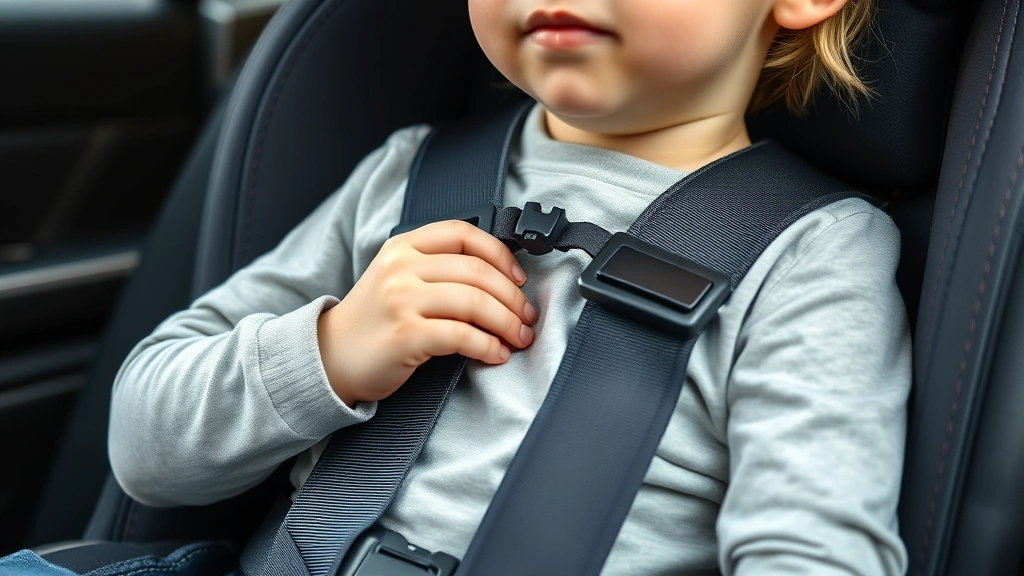
Children must be properly harnessed within their seats, with straps snug enough that an adult cannot pinch excess webbing at the child’s shoulder. The harness chest clip should be positioned at armpit level to prevent the shoulder straps from sliding off during a crash. Loose or improperly positioned harnesses compromise the seat’s ability to protect children and may result in serious injuries even in minor collisions.
The National Highway Traffic Safety Administration provides comprehensive guidance on child seat installation, including video demonstrations and interactive tools. Many communities offer free car seat inspection services through certified technicians who can verify proper installation and answer specific questions about individual vehicles and seats.
Penalties and Legal Consequences
Violations of Florida’s child safety seat laws carry significant penalties that increase with severity and repeat offenses. Understanding the potential legal consequences motivates compliance and highlights the state’s commitment to child passenger safety. Penalties extend beyond financial fines to include potential criminal charges in cases involving serious injury or death.
A first violation of Florida’s child restraint requirements constitutes a moving violation and is typically charged as a non-criminal traffic infraction. The base fine for a first offense is $60, though judges may impose additional court costs and administrative fees that increase the total financial penalty to $100 or more. Importantly, child safety seat violations typically result in three points on the driver’s license in Florida, which can affect insurance rates and contribute toward license suspension if combined with other violations.
Repeat violations within a specified period result in enhanced penalties. A second violation within five years increases the fine to $100, while a third or subsequent violation can result in fines up to $120 plus additional court costs. Multiple violations may trigger driver improvement courses, which are required for drivers accumulating excessive points.
More serious consequences arise when safety seat violations are combined with other traffic infractions or when accidents result in child injuries. Drivers charged with child endangerment in connection with safety seat violations may face criminal charges under Florida Statute § 827.04, which prohibits acts that threaten a child’s health, safety, or welfare. Conviction for child endangerment can result in jail time, criminal fines, probation, and permanent criminal records that affect employment opportunities and housing eligibility.
When accidents involving unrestrained children result in serious bodily injury or death, prosecutors may pursue felony charges. Vehicular manslaughter, defined under Florida law as driving in a reckless manner that causes death, can result in sentences up to 15 years imprisonment. Even in cases where an accident was not the driver’s fault, failure to properly restrain children can result in additional charges that compound legal consequences.
Enforcement and Traffic Stops
Law enforcement officers in Florida prioritize child safety seat compliance during routine traffic stops and investigations of accidents involving children. Officers are trained to recognize improper restraint systems and can issue citations based on observations alone, without requiring proof of injury or accident involvement. Understanding your rights during safety seat-related traffic stops helps drivers navigate these encounters appropriately.
Police officers may initiate traffic stops specifically to enforce safety seat laws, particularly in areas designated for safety seat enforcement campaigns. These proactive enforcement efforts typically increase during school-year periods when more children are traveling. Officers may also issue citations for safety seat violations discovered during stops initiated for other reasons, such as speeding or equipment violations.
During traffic stops, drivers should remain calm and cooperative while exercising their constitutional rights. You have the right to request to see an officer’s citation before signing, to ask questions about the violation, and to request the officer’s badge number and department information. You do not have an obligation to consent to searches of your vehicle beyond the officer’s lawful authority. If you believe a citation is issued incorrectly, you have the right to contest it in traffic court.
Safety seat violations discovered during accident investigations carry particular weight, as they may be used to establish parental negligence in civil liability cases or criminal child endangerment charges. Insurance companies may deny or reduce claim payments if safety seat violations contributed to child injuries. In custody disputes, safety seat compliance records can influence judicial decisions regarding parental fitness and custody arrangements.
Traffic stop documentation, including officer dashcam footage and written reports, becomes important evidence if you decide to contest a citation. Request copies of all documentation through the appropriate law enforcement agency, and preserve this information for potential use in court proceedings.
Medical Exemptions and Special Circumstances
Florida law recognizes that certain medical conditions may create legitimate exceptions to standard child safety seat requirements. However, these exemptions are narrowly construed and require specific documentation to be legally valid. Understanding the process for obtaining medical exemptions ensures that families with special circumstances can travel legally while protecting children’s health.
A child may be exempted from child safety seat requirements if a licensed physician determines that the child’s physical or health condition is incompatible with proper restraint use. Examples might include severe burns requiring specialized positioning, skeletal conditions preventing normal seat positioning, or medical devices that conflict with standard harness systems. The physician must provide written documentation of the medical condition and the specific restraint system that would be appropriate as an alternative.
Parents or guardians must carry the physician’s written statement while transporting the child, as law enforcement officers will require evidence of the medical exemption during traffic stops. Without proper documentation, the exemption is not legally recognized, and citations may still be issued. The documentation should specify the child’s name, date of birth, the medical condition justifying the exemption, and the alternative restraint method approved by the physician.
Children with special needs may require custom restraint systems or modifications to standard seats. Specialized equipment manufacturers work with physicians and therapists to create restraint solutions that accommodate disabilities while maintaining safety. These custom systems must still meet federal safety standards and should be installed according to manufacturer specifications.
Transportation services for children with disabilities, including school buses and medical transport vehicles, operate under different regulations than private vehicles. However, these services are still required to maintain safety standards appropriate for the passengers they serve. Parents should verify that transportation providers have adequate safety equipment and trained staff.
Best Practices for Compliance
Maintaining consistent compliance with Florida’s safety seat laws requires ongoing education, regular equipment maintenance, and vigilant attention to changing requirements. Implementing best practices protects children while minimizing legal risks and demonstrating parental commitment to child safety.
First, parents should research and select age-appropriate safety seats from reputable manufacturers before children need them. Reading manufacturer instructions thoroughly before installation prevents common mistakes that compromise effectiveness. Many retailers offer installation assistance, and taking advantage of these services ensures proper setup from the beginning.
Regular inspection of safety seats ensures that straps remain properly adjusted as children grow and that all components function correctly. Check seats monthly for recalls by visiting the NHTSA website or registering seats with manufacturers to receive recall notifications. Damaged seats should be replaced immediately, even if the damage appears minor.
Educate all caregivers about proper safety seat use, including babysitters, grandparents, and other family members who may transport children. Provide clear instructions about seat positioning, harness adjustment, and proper tightening procedures. Some families use laminated instruction cards placed in vehicles to guide occasional caregivers.
Keep updated on changes to safety recommendations and legal requirements, as these evolve as new research emerges. Organizations like the American Academy of Pediatrics regularly update recommendations based on crash test data and epidemiological research. Staying informed ensures that you’re providing the highest level of protection available.
Maintain documentation of seat purchases, installation records, and any communications with manufacturers regarding recalls or modifications. This documentation proves compliance if you’re cited for violations and protects you in liability situations. Some parents photograph their children’s car seats to document proper installation.
Model safe driving and restraint use consistently, as children learn safety behaviors by observing adult examples. Always wearing your own seat belt, following traffic laws, and never driving impaired demonstrates the importance of safety practices. Children who observe consistent safety habits are more likely to maintain these practices as adult drivers.
Consider consulting with a traffic attorney if you receive a safety seat violation citation, particularly if you believe the citation was issued incorrectly or if you have special circumstances that weren’t considered. An experienced traffic law attorney can review the circumstances, advise on your options, and represent you in traffic court if necessary.
FAQ
At what age can a child use a regular seat belt instead of a safety seat in Florida?
Florida law permits children to transition to regular seat belts once they exceed 60 pounds or reach age eight, whichever occurs first. However, many safety experts recommend waiting until children are taller and heavier, typically around age 10-12 years, to ensure proper seat belt fit across the hips and chest rather than the abdomen and neck.
Can I use a used car seat in Florida?
Yes, used safety seats are permitted if they have not been in accidents, have not been recalled, and include all original components and instructions. Always verify the seat’s recall history through NHTSA before using a used seat, and inspect it carefully for cracks, missing parts, or other damage that might compromise safety.
What is the fine for not using a car seat in Florida?
A first violation of Florida’s child safety seat requirements typically results in a $60 fine plus court costs and three points on your driving record. Repeat violations increase fines to $100 or more. Criminal charges for child endangerment may apply in serious cases.
Are there any exceptions to Florida’s child safety seat laws?
Medical exemptions are available for children whose physical or health conditions are incompatible with proper restraint use, but these require written documentation from a licensed physician. No other exceptions exist, and parents cannot simply choose not to use safety seats based on personal preference.
How do I find a certified car seat technician in Florida?
The National Highway Traffic Safety Administration maintains a database of certified child passenger safety technicians at their official website. Many fire departments, hospitals, and community organizations also offer free car seat inspection services.
What should I do if I receive a safety seat violation citation?
Review the citation carefully to ensure accuracy, gather documentation of your seat’s proper installation and compliance, and consider consulting with a traffic attorney if you believe the citation was issued incorrectly. You have the right to contest the citation in traffic court and present evidence supporting your compliance.
Can I put two car seats in the back of a two-door vehicle?
Yes, two safety seats can be installed in the back of most vehicles, though you should verify adequate space and LATCH availability. Some two-door vehicles may have limited back-seat space or LATCH anchor points, requiring seat belt installation instead of LATCH for one or both seats. Consult your vehicle’s manual for specific guidance.
Are ride-sharing services like Uber and Lyft required to provide car seats in Florida?
Standard Uber and Lyft services do not provide car seats, and parents using these services are responsible for ensuring child safety seat compliance. Some ride-sharing services offer specialized options for families with children, but parents should verify that these services provide appropriate restraint systems before booking.


