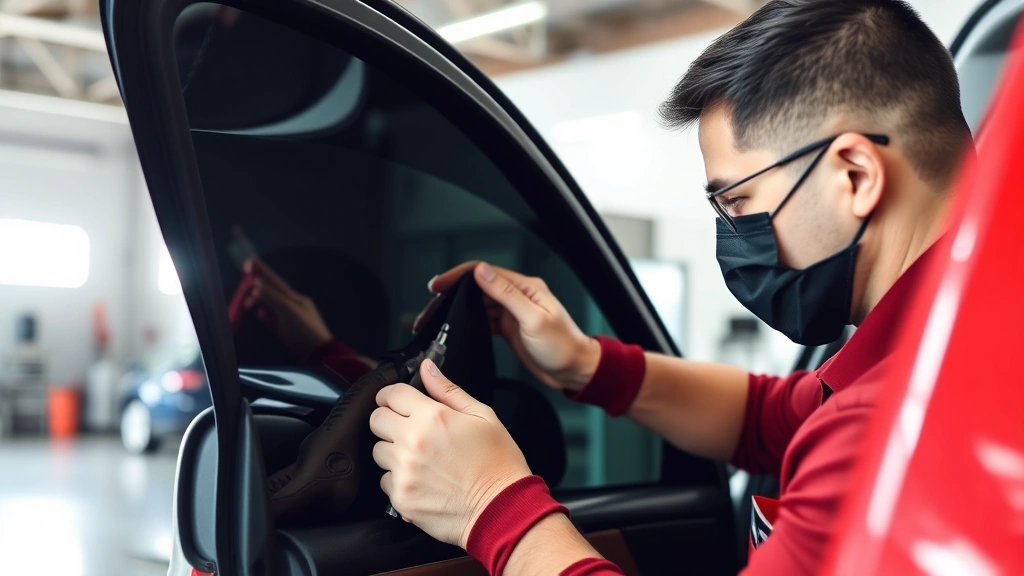
Florida Tint Laws Explained by a Legal Expert
Window tinting has become increasingly popular among Florida vehicle owners seeking privacy, UV protection, and enhanced aesthetics. However, Florida maintains strict regulations governing how dark window tint can be, and violations can result in fines, citations, and vehicle inspection failures. Understanding these laws is essential for any driver operating a vehicle in the Sunshine State.
Florida’s tint laws are designed to balance driver privacy interests with public safety concerns, particularly regarding law enforcement visibility during traffic stops. The regulations specify precise measurements for light transmittance (VLT) across different vehicle windows, and penalties for non-compliance can accumulate quickly. This comprehensive guide breaks down everything you need to know about Florida window tinting regulations, including legal limits, exceptions, and enforcement procedures.
Understanding Window Tint Laws in Florida
Florida Statute 316.2957 governs window tinting regulations for motor vehicles operating on public roads. The law establishes specific requirements for visible light transmittance (VLT), which measures the percentage of light allowed to pass through window tint. The darker the tint, the lower the VLT percentage. Florida law distinguishes between different window locations because safety visibility requirements vary depending on the driver’s sightlines.
The primary purpose of Florida’s tint regulations is to maintain adequate visibility for drivers and law enforcement officers during traffic stops. Officers need to see vehicle occupants for safety reasons, and drivers must maintain sufficient visibility of the road and surrounding environment. These regulations apply to all motor vehicles, including cars, trucks, SUVs, and vans, though certain exemptions exist for specialized vehicles and medical conditions.
Florida law recognizes that tinting serves legitimate purposes beyond aesthetics. Tint reduces ultraviolet (UV) radiation exposure, which can cause skin damage and fade vehicle interiors. It also reduces heat buildup in vehicles during Florida’s intense summer months and provides privacy for occupants. However, these benefits must be balanced against safety and law enforcement needs, which is why the state has established specific compliance standards.
When you file a police report involving a vehicle, officers may reference window tinting violations if they encounter visibility issues during their investigation. Understanding these laws helps ensure you maintain compliance and avoid legal complications during any police interaction.
Legal Tint Darkness Limits by Window Type
Florida establishes different VLT requirements depending on which windows are being tinted. The front windshield has the most restrictive requirements, while rear windows have more permissive standards. These distinctions reflect the varying visibility needs for different vehicle areas.
Front Windshield: Florida law prohibits any tinting on the front windshield except for a non-reflective tint along the top portion of the windshield extending no more than five inches below the top of the windshield. This narrow band of tint is permitted to reduce glare without significantly impairing driver visibility. Many drivers use this allowance for sun visors or reflective tint strips.
Front Side Windows: The front side windows (driver and front passenger windows) must allow at least 28% of light to pass through. This means the VLT cannot drop below 28%, which permits moderate tinting while maintaining visibility for the driver and passengers. This requirement is critical for law enforcement safety during traffic stops, as officers need to see driver hands and vehicle occupants.
Rear Side Windows: Rear side windows can have darker tinting, with a minimum VLT of 15%. This allows vehicle owners to significantly darken the rear windows while maintaining some visibility into the vehicle interior. The less restrictive requirement for rear windows reflects the reduced safety concerns compared to front windows.
Rear Window: The rear window (back glass) can be tinted to the same darkness level as rear side windows, with a minimum VLT of 15%. This allows for substantial privacy in the rear of the vehicle while maintaining some interior visibility from outside.
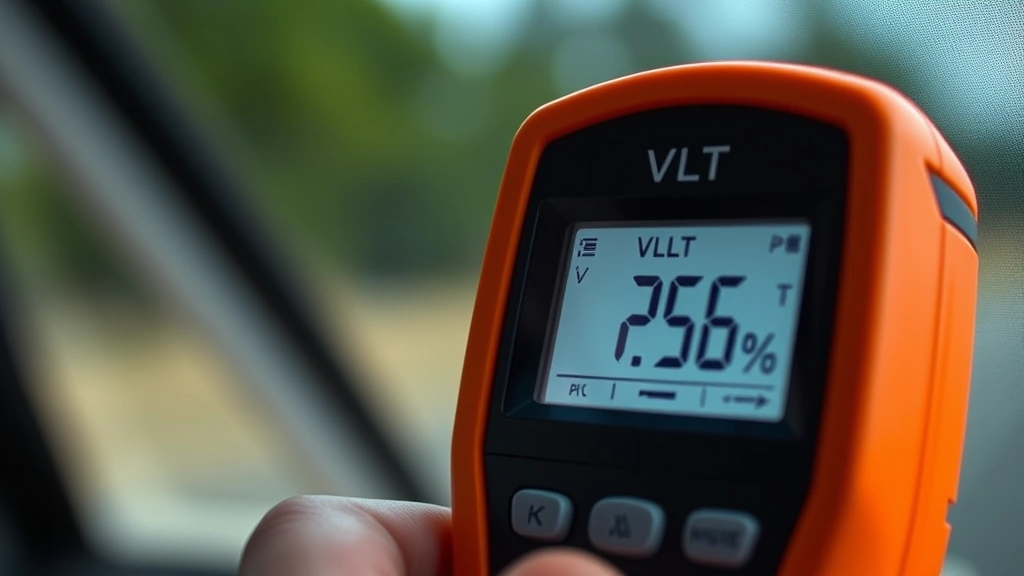
VLT is measured using specialized equipment that quantifies light transmittance as a percentage. A 28% VLT means 28% of light passes through the tint, while 72% is blocked. Understanding these numerical standards helps vehicle owners and tinting professionals ensure compliance. Many professional tinting shops in Florida are familiar with these specific requirements and can help ensure your tint meets legal standards.
Medical Exemptions and Special Permits
Florida recognizes that certain medical conditions may justify darker window tinting than standard regulations allow. Individuals with photosensitivity disorders, lupus, porphyria, or other conditions aggravated by sun exposure may qualify for medical exemptions. However, obtaining such exemptions requires proper documentation and approval from the Florida Department of Highway Safety and Motor Vehicles.
To qualify for a medical exemption, you must submit an application to the Florida DHSMV along with a physician’s certification documenting your medical condition and explaining why window tinting darker than legal limits is medically necessary. The certification must come from a licensed physician in Florida. The DHSMV reviews these applications and issues special permits allowing darker tinting for vehicles operated by individuals with approved medical conditions.
When a vehicle has an approved medical exemption permit, the permit must be displayed in the vehicle. Law enforcement officers are trained to recognize these permits and understand that vehicles displaying them are authorized to have darker tinting than standard regulations allow. Without proper documentation and display of the exemption permit, law enforcement has authority to cite the vehicle for tinting violations.
The medical exemption process protects individuals with legitimate health needs while maintaining a system that prevents abuse of exemption provisions. This balanced approach ensures that Florida’s tint laws accommodate medical necessity without creating loopholes that undermine safety regulations. If you have a medical condition that you believe justifies darker tinting, consult with your physician about whether your condition qualifies for exemption consideration.
Penalties and Enforcement
Florida law enforcement actively enforces window tinting regulations, and violations can result in significant penalties. A window tinting violation is typically classified as a non-moving violation, but accumulating multiple violations can affect your driving record and insurance rates.
Citation and Fines: Law enforcement officers can issue citations for window tinting violations during traffic stops or vehicle inspections. The fine for a first tinting violation typically ranges from $100 to $250, depending on the specific circumstances and the officer’s discretion. Subsequent violations within a certain timeframe can result in higher fines.
Vehicle Inspection Failures: Vehicles with illegal window tinting will fail Florida’s mandatory vehicle inspection. The inspection is required during vehicle registration renewal and when purchasing a used vehicle from a dealer. This means you cannot legally register your vehicle with illegal tinting, which creates practical pressure to ensure compliance.
Equipment Violation Citations: Tinting violations are typically classified as equipment violations under Florida law. While not as serious as moving violations, equipment violations still appear on your driving record and can be considered by insurance companies when calculating premiums. Multiple violations may result in rate increases or policy non-renewal.
Law enforcement uses specialized light meters to measure VLT and determine whether tinting violates Florida law. If an officer suspects illegal tinting during a traffic stop, they can use these devices to objectively measure light transmittance and document the violation. If you believe you’ve been unfairly cited for a tinting violation, you have the right to contest the citation in traffic court, though contesting such citations can be challenging without expert testimony about VLT measurements.
Understanding the rights of crime victims is important in various legal contexts, though tinting violations are typically handled through administrative and traffic court processes rather than criminal proceedings.
How to Ensure Compliance
Ensuring your vehicle complies with Florida tint laws requires careful attention to specifications and professional installation when possible. If you’re considering window tinting or if your vehicle currently has tint, here are key steps to ensure compliance.
Professional Installation: Working with professional tinting shops that understand Florida law is the most reliable way to ensure compliance. Reputable tinting professionals maintain knowledge of current regulations and use quality materials that meet VLT standards. They can verify that installed tint meets legal requirements and provide documentation of compliance.
Request VLT Verification: When having tint installed, request that the professional verify VLT using a light meter. Professional shops typically perform this verification as part of their quality assurance process. Ask for documentation confirming that your tint meets Florida’s legal standards for each window.
Avoid Aftermarket Tint Modifications: Be cautious about modifying existing tint or adding additional layers. What appears to be legal tint may become non-compliant if additional layers are applied. Each modification should be verified with VLT measurements to ensure continued compliance.
Check Before Vehicle Inspection: Before scheduling your vehicle inspection for registration renewal, verify that your tint meets legal standards. If you’re uncertain about compliance, have a professional check your tint with a light meter. This preventive step avoids inspection failures and the inconvenience of removing or modifying tint later.
Maintain Documentation: Keep receipts and documentation from tinting installation showing that the work was performed by a professional and that VLT was verified. This documentation can be helpful if you’re ever questioned about your tint’s compliance.
Removing Illegal Tint
If your vehicle has tint that doesn’t comply with Florida law, you’ll need to remove or modify it to restore legal compliance. This is essential for passing vehicle inspection and avoiding citations.
Professional Removal Services: Most professional tinting shops also provide tint removal services. They use specialized techniques and solutions to safely remove tint without damaging windows. Professional removal is recommended because improper removal can scratch or damage windows, leading to costly repairs.
DIY Removal Considerations: While DIY tint removal is possible, it requires patience and care to avoid window damage. Common methods include using heat guns to loosen adhesive and scraping tint carefully from the glass. However, improper technique can permanently damage windows, making professional removal the safer choice.
Timeline and Cost: Tint removal typically costs $50 to $200 per window, depending on tint age and adhesive strength. The process usually takes 30 minutes to several hours per window. After removal, windows may have residual adhesive that requires additional cleaning.
Partial Modifications: If your front windows are too dark but rear windows are compliant, you may only need to modify front windows. Professional tinting shops can assess which windows require modification and recommend the most cost-effective solution.
When you file for a restraining order or engage in other legal proceedings, maintaining compliance with vehicle regulations demonstrates responsible citizenship and helps avoid complications during legal processes.
FAQ
What is the legal tint darkness in Florida?
Front side windows must have a minimum 28% visible light transmittance (VLT), while rear side and rear windows can have a minimum of 15% VLT. The front windshield cannot have tint except for a non-reflective band no more than five inches from the top.
Can I get a medical exemption for darker window tint in Florida?
Yes, individuals with photosensitivity disorders or other medical conditions can apply for exemptions through the Florida Department of Highway Safety and Motor Vehicles. You’ll need physician certification documenting the medical necessity for darker tinting.
What are the penalties for illegal window tint in Florida?
First violations typically result in fines of $100 to $250. Vehicles with illegal tint will fail vehicle inspection. Multiple violations can increase fines and affect insurance rates.
How is window tint darkness measured in Florida?
Window tint darkness is measured using specialized light meters that determine visible light transmittance (VLT) as a percentage. Law enforcement officers use these devices to verify compliance with Florida regulations.
Can I contest a window tinting citation in Florida?
Yes, you can contest a tinting citation in traffic court. However, challenging such citations can be difficult without expert testimony about VLT measurements. Consulting with a traffic attorney may be beneficial if you believe the citation was issued in error.
What should I do if my vehicle fails inspection due to tint?
You must remove or modify your tint to meet legal standards before your vehicle can pass inspection. Contact a professional tinting service to assess which windows need modification and obtain removal or modification services.
Are there any vehicles exempt from Florida tint laws?
Most vehicles must comply with standard tint regulations. However, certain commercial vehicles and law enforcement vehicles may have different requirements. Consult Florida Statute 316.2957 or contact the DHSMV for information about specific vehicle exemptions.


