
Understanding Hawaii Gun Laws: Lawyer Insight
Hawaii maintains some of the most restrictive firearm regulations in the United States, reflecting the state’s commitment to public safety through comprehensive gun control measures. For residents and visitors alike, understanding these laws is essential to remain compliant and avoid serious legal consequences. Hawaii’s approach to firearms regulation differs significantly from mainland states, with strict permitting requirements, licensing mandates, and limitations on firearm types that gun owners must navigate carefully.
The Hawaiian Islands have implemented a multi-layered regulatory framework governing the possession, purchase, and use of firearms. Whether you’re a longtime resident considering firearm ownership or someone relocating to Hawaii, comprehending these statutes is crucial. This guide provides lawyer-backed insights into Hawaii’s gun laws, helping you understand your rights and responsibilities under state and local regulations.
Hawaii’s Firearm Licensing Requirements
Hawaii operates under a licensing system that requires virtually all firearm owners to obtain proper authorization before possessing any gun. Unlike some states that recognize constitutional carry or permitless carry, Hawaii mandates that residents acquire a firearms permit before purchasing or possessing handguns, rifles, or shotguns. This foundational requirement applies to all individuals, with limited exceptions for law enforcement and military personnel.
The state’s licensing structure includes several categories of permits, each with distinct requirements and purposes. Understanding which permit type you need is the first step in legally obtaining a firearm in Hawaii. The Hawaii Police Department, along with county police departments, administers these permits and maintains strict oversight of the licensing process.
Hawaii law, codified primarily in Hawaii Revised Statutes Chapter 134, establishes the legal framework for firearm ownership. The statute requires that any person desiring to own a firearm must first obtain a permit from the chief of police in their respective county. This requirement applies regardless of whether the firearm will be kept at home, carried in public, or used for hunting purposes.
Applicants must demonstrate legitimate reason for firearm ownership, which Hawaii courts have interpreted narrowly. Self-defense is generally not considered a sufficient reason under Hawaii law, a distinction that sets the state apart from many other jurisdictions. Instead, legitimate reasons typically include employment in security, professional hunting, or sport shooting with documented participation in organized clubs.
Permit Application Process
The Hawaii firearm permit application process requires careful attention to detail and thorough documentation. Applicants must complete official application forms and submit them to their county police department along with supporting materials. The process typically takes several weeks to several months, depending on the county and the complexity of individual circumstances.
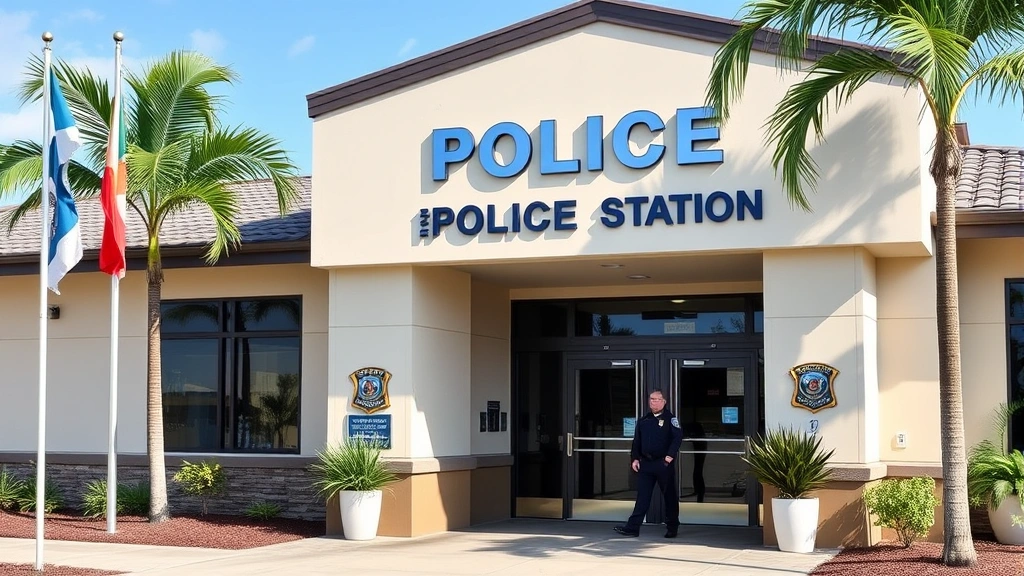
To begin the application process, you must visit your county police department’s firearms licensing division in person. Hawaii does not permit mail-in applications for initial permits. During this visit, you’ll receive the official application form and detailed instructions regarding required documentation. You’ll need to provide proof of identification, residency, and background information for review.
Background checks represent a critical component of Hawaii’s permitting process. The state conducts thorough background investigations that examine criminal history, mental health records, and other relevant factors. This comprehensive vetting process can extend timelines significantly, as police departments may request additional information or clarification from applicants.
One distinctive aspect of Hawaii’s process involves character references. Some counties require applicants to provide letters of recommendation from individuals who can attest to the applicant’s responsible character and legitimate need for a firearm. These references must come from established community members who can speak authoritatively about the applicant’s fitness for firearm ownership.
Hawaii law also requires applicants to complete a firearms safety course certified by the state. This mandatory training covers firearm handling, storage, safe shooting practices, and legal responsibilities of gun owners. Proof of completion must be submitted with your permit application, and the course must be taken from an approved instructor.
Prohibited Weapons and Restrictions
Hawaii maintains extensive restrictions on the types of firearms and firearm accessories that residents may legally possess. Understanding these prohibitions is essential, as violations can result in serious felony charges. The state bans numerous weapons that are legal in other jurisdictions, reflecting Hawaii’s strict approach to firearm regulation.
Automatic weapons are completely prohibited in Hawaii, with no exceptions for civilian ownership. This includes any firearm capable of firing multiple rounds with a single trigger pull, regardless of whether the firearm was manufactured before or after the federal ban. Conversion kits and parts designed to make firearms fully automatic are also illegal.
Semi-automatic rifles with certain features are heavily restricted under Hawaii law. While the state has not implemented a complete ban on semi-automatic rifles, certain models and configurations may be prohibited. The definition of prohibited semi-automatic weapons can be complex, and residents should consult with criminal law specialists to ensure compliance.
Magazine capacity restrictions represent another significant limitation. Hawaii law prohibits the manufacture, sale, and possession of ammunition magazines that hold more than ten rounds. This restriction applies to all firearm types, including pistols and rifles. Possession of high-capacity magazines constitutes a separate criminal violation, even if the firearm itself is legally owned.
Bump stocks and similar devices designed to increase fire rate are prohibited under Hawaii law. These accessories, which allow semi-automatic firearms to fire at rates approaching automatic weapons, violate state regulations. Possession of such devices is a criminal offense independent of any firearm-related charges.
Silencers and suppressors are prohibited in Hawaii, with no exceptions for hearing protection or other purposes. Federal law permits suppressor ownership in certain jurisdictions, but Hawaii’s complete ban supersedes federal allowances. Possession of a suppressor in Hawaii constitutes a felony offense.
Concealed Carry Laws in Hawaii
Hawaii’s concealed carry laws are among the most restrictive in the nation. The state operates under a “may-issue” permitting system for concealed carry licenses, meaning that police chiefs have discretion to deny permits even when applicants meet technical requirements. This discretionary system has resulted in extremely limited concealed carry licensing throughout the state.
Obtaining a concealed carry permit in Hawaii requires demonstrating an exceptional need for armed self-defense. Simply desiring to carry a firearm for personal protection is insufficient under Hawaii law. Applicants must show specific, documented threats or circumstances that necessitate carrying a concealed weapon.
The Hawaii Supreme Court has upheld the state’s restrictive concealed carry system, determining that Hawaii’s approach does not violate Second Amendment rights. This judicial interpretation means that residents have limited legal recourse if their concealed carry applications are denied. The court has recognized the state’s interest in public safety as justifying these restrictions.
Law enforcement officers and security professionals may have different requirements or pathways for obtaining concealed carry permits. Those employed in licensed security work or law enforcement should consult directly with their county police department regarding specific eligibility criteria.
Open carry of firearms is generally prohibited in Hawaii, with limited exceptions. The state bans open carry of handguns in public places. Rifles and shotguns may be openly carried in certain circumstances, such as during hunting season or while traveling to hunting areas, but specific conditions must be met.
Storage and Safety Requirements
Hawaii imposes mandatory firearm storage requirements designed to prevent unauthorized access and accidental discharge. These storage laws apply to all firearm owners and require specific measures to secure weapons when not in active use. Failure to comply with storage requirements can result in criminal charges, particularly if a minor accesses an improperly stored firearm.
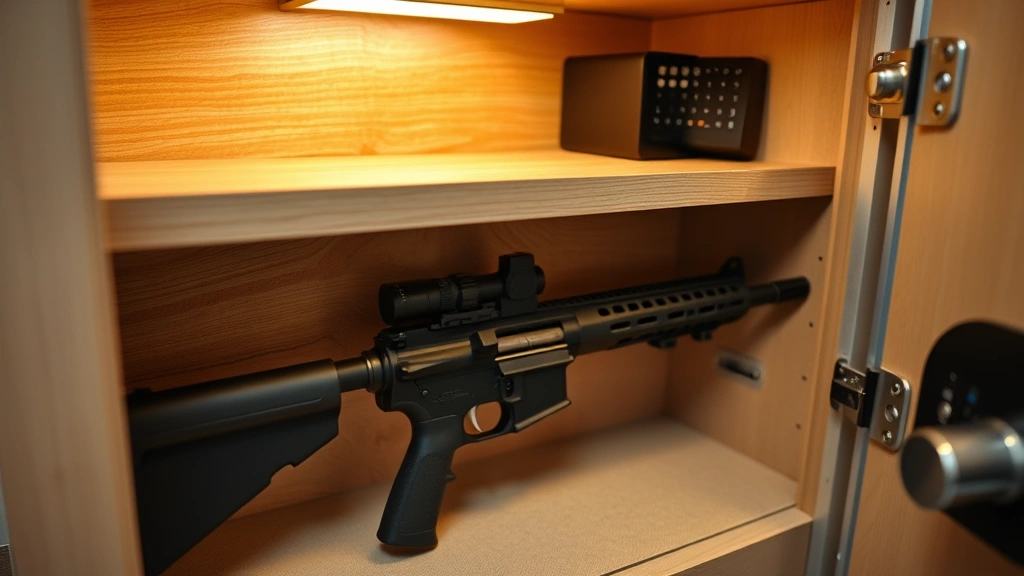
Firearms must be stored in a locked container or equipped with a locking device that prevents operation. This requirement applies whether the firearm is stored at home, in a vehicle, or at another location. The locking mechanism must be effective and functional, not merely present.
If children or teenagers reside in the home, additional storage precautions may apply. Hawaii law holds gun owners responsible if minors access unsecured firearms and cause injury or death. This “child access prevention” statute creates significant liability for negligent storage practices.
Ammunition must be stored separately from firearms in most circumstances. While Hawaii does not mandate separate storage in all cases, best practices and some local ordinances recommend keeping ammunition locked in a separate location. This separation reduces the risk of unauthorized use and demonstrates responsible ownership.
Vehicle storage presents particular challenges for Hawaii gun owners. If transporting firearms in vehicles, they must be stored in a locked container or equipped with a locking device. The firearm cannot be left unattended in a vehicle without secure storage, even if the vehicle itself is locked.
Penalties for Non-Compliance
Violations of Hawaii’s gun laws result in serious criminal penalties ranging from misdemeanor charges to felony convictions. Understanding these consequences underscores the importance of strict compliance with all firearm regulations. Even unintentional violations can result in criminal prosecution and substantial penalties.
Possessing a firearm without a valid permit constitutes a class B felony in Hawaii. This serious charge can result in imprisonment for up to ten years and fines up to $25,000. A felony conviction has lasting consequences affecting employment, housing, and other aspects of life.
Carrying a concealed firearm without a valid concealed carry permit is a class C felony, punishable by imprisonment up to five years and fines up to $10,000. This charge applies even if the individual possesses a valid ownership permit but lacks authorization to carry the weapon concealed.
Possession of prohibited weapons, including automatic firearms, high-capacity magazines, and suppressors, constitutes a separate felony offense. Penalties vary depending on the specific weapon type but generally range from class B to class C felonies.
Violations of storage requirements may result in misdemeanor or felony charges, depending on whether a minor accessed the firearm or whether the violation contributed to injury or death. If a child accesses an improperly stored firearm and causes injury, the gun owner faces enhanced criminal liability.
Civil liability may also arise from firearm-related incidents. Similar to personal injury law matters, firearm owners can face lawsuits for damages resulting from negligent storage, handling, or use. These civil claims are separate from criminal prosecution and can result in substantial financial judgments.
Professional consequences accompany criminal convictions for gun law violations. Employment in certain fields may be terminated, professional licenses may be revoked, and future employment opportunities may be severely limited. A felony conviction for firearms violations creates barriers in security work, law enforcement, and other regulated professions.
FAQ
Can I legally own a firearm in Hawaii?
Yes, you can legally own a firearm in Hawaii if you obtain a valid permit from your county police department. However, you must demonstrate a legitimate reason for ownership, complete a firearms safety course, pass a background check, and comply with all storage and safety requirements. Hawaii’s permitting process is rigorous and may take several months.
What is considered a legitimate reason for firearm ownership in Hawaii?
Hawaii courts have interpreted legitimate reason narrowly. Self-defense is generally not recognized as sufficient. Valid reasons typically include employment in licensed security work, documented participation in organized sport shooting clubs, or professional hunting with proper licensing. Employment circumstances and club membership must be verifiable and ongoing.
Can I carry a concealed firearm in Hawaii?
Concealed carry is extremely restricted in Hawaii. The state operates under a may-issue system, and permits are rarely granted. You must demonstrate an exceptional, documented need for armed self-defense beyond general personal protection desires. Most residents cannot legally carry concealed firearms in Hawaii.
What firearms are prohibited in Hawaii?
Hawaii prohibits automatic weapons, high-capacity magazines exceeding ten rounds, bump stocks, suppressors, and certain semi-automatic rifle configurations. Specific models may be prohibited, and the definition of prohibited weapons can be complex. Consult with firearms legal specialists to ensure compliance regarding specific firearm models.
What happens if I violate Hawaii’s gun laws?
Violations result in serious criminal penalties, including felony convictions, imprisonment, and substantial fines. Possessing a firearm without a permit is a class B felony. Criminal convictions have lasting consequences affecting employment, housing, and professional licenses. Civil liability may also arise from firearm-related incidents.
Are there any exceptions to Hawaii’s firearm regulations?
Limited exceptions exist for law enforcement officers and military personnel. Certain individuals may qualify for different permit categories based on employment. However, civilians must comply with standard permitting requirements. Consult with the Hawaii Police Department or your county police department regarding potential exceptions for your specific circumstances.
How long does the Hawaii firearm permit application take?
The application process typically takes several weeks to several months. Processing time depends on the county, the completeness of your application, background check complexity, and police department workload. Some counties may take longer than others, so applicants should plan accordingly and submit complete applications to avoid delays.


