
What Is an In-Law Suite? Legal Insights and Considerations
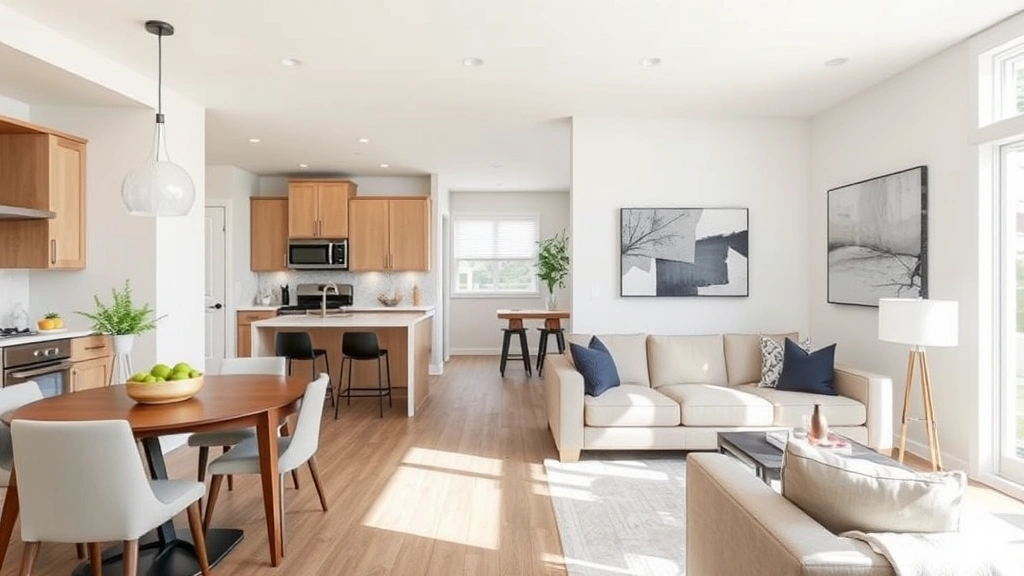
An in-law suite is a self-contained residential unit within or attached to a single-family home, designed to provide independent living space while remaining on the same property. Also known as an accessory dwelling unit (ADU), granny flat, or secondary suite, an in-law suite typically includes its own bedroom, bathroom, kitchen, and living area. These arrangements have become increasingly popular as families seek flexible housing solutions, multigenerational living arrangements, or rental income opportunities.
From a legal perspective, in-law suites occupy a complex regulatory landscape that varies significantly by jurisdiction. Property owners considering adding an in-law suite must navigate zoning laws, building codes, tax implications, and potential liability issues. Understanding the legal framework surrounding in-law suites is essential for homeowners who want to remain compliant while maximizing their property’s utility and value.
This comprehensive guide explores the legal dimensions of in-law suites, including zoning regulations, building requirements, liability considerations, and tax implications that property owners must understand before proceeding with construction or rental arrangements.
Understanding In-Law Suite Definitions and Types
An in-law suite represents a distinct category of residential property that bridges the gap between a traditional single-family home and a multi-unit dwelling. The legal definition varies by jurisdiction, but most municipalities recognize in-law suites as accessory dwelling units that maintain a separate entrance, kitchen, and bathroom facilities while remaining subordinate to the primary residence.
In-law suites come in several configurations, each with different legal implications. An attached in-law suite shares a wall with the primary residence but maintains complete independence through a separate entrance and utilities. A detached in-law suite is a completely separate structure on the same lot, such as a converted garage, backyard cottage, or newly constructed building. Internal in-law suites occupy space within the main house, typically on a different floor, with their own entrance and facilities.
The distinction between these types matters legally because zoning ordinances often treat them differently. Some jurisdictions permit attached ADUs more readily than detached structures, while others have specific square footage requirements or occupancy restrictions. Property owners should verify which type their local code permits before investing in construction or renovation.
Legal definitions also distinguish between owner-occupied in-law suites (where the property owner lives in one unit) and non-owner-occupied arrangements (where a rental tenant occupies the in-law suite). This distinction affects zoning compliance, tax treatment, and landlord-tenant law obligations.
Zoning Laws and Regulatory Compliance
Zoning regulations represent the primary legal hurdle most property owners face when considering an in-law suite. Historically, many municipalities restricted residential properties to single-family dwellings, explicitly prohibiting accessory dwelling units. However, this landscape has shifted dramatically in recent years as housing shortages and demographic changes have prompted regulatory reform.
Many states and cities have enacted legislation legalizing ADUs or in-law suites. California’s Department of Housing and Community Development provides resources on ADU legalization efforts, which have become a model for other jurisdictions. Before proceeding with any in-law suite project, property owners must research their specific local zoning code to determine whether ADUs are permitted in their zone.
Common zoning restrictions that apply to in-law suites include:
- Lot size requirements – minimum acreage needed to accommodate an additional dwelling unit
- Setback distances – required distance from property lines, especially for detached units
- Maximum occupancy limits – number of unrelated occupants permitted per dwelling unit
- Parking requirements – dedicated or shared parking spaces mandated by code
- Owner-occupancy requirements – mandates that the property owner live in one of the units
- Unit size restrictions – maximum or minimum square footage for the accessory unit
- Height and design standards – architectural compatibility with surrounding properties
Even where in-law suites are legally permitted, local governments may require conditional use permits, administrative approvals, or design review. Property owners should contact their local planning department early in the process to understand specific requirements. Many jurisdictions now offer streamlined approval processes for ADUs that meet certain criteria, reducing timelines from months to weeks.
Violating zoning ordinances regarding in-law suites can result in enforcement action, fines, mandatory removal of the structure, or cessation of rental operations. These consequences make legal compliance essential before construction or occupancy begins.
Building Codes and Construction Requirements
Beyond zoning approval, in-law suites must comply with comprehensive building codes that govern structural safety, electrical systems, plumbing, fire safety, and accessibility. Building code requirements exist to protect occupant safety and property integrity, and violations can expose property owners to significant liability.
Key building code areas affecting in-law suites include:
- Egress and emergency exits – bedrooms must have direct emergency exits (windows or doors) meeting minimum size requirements
- Fire separation – walls between the in-law suite and primary residence must have fire-rated construction
- Electrical service – separate electrical panels or circuits dedicated to the in-law suite
- Plumbing and sewer connections – adequate sizing for multiple dwelling units on the same property
- HVAC systems – independent heating and cooling systems or properly zoned shared systems
- Ceiling height – habitable rooms must meet minimum height requirements (typically 7 feet)
- Natural light and ventilation – windows and ventilation openings meeting square footage percentages
- Accessibility compliance – ADA-compliant design for doors, hallways, and bathroom fixtures
Building permits are required for any in-law suite construction or significant renovation. The permit process involves plan review by municipal building departments to ensure code compliance before construction begins. Inspections occur at various stages (foundation, framing, electrical, plumbing, final) to verify ongoing compliance.
Operating an unpermitted in-law suite exposes property owners to enforcement action, fines, and potential liability if injuries occur. Additionally, unpermitted structures may not be insurable, and future property sales become complicated when undisclosed unpermitted work is discovered.
Liability and Insurance Considerations
Creating an in-law suite introduces new liability exposures that property owners must address through appropriate insurance coverage and risk management practices. When a property contains multiple dwelling units, the potential for injuries and property damage increases, requiring enhanced protection.
Homeowners insurance typically covers the primary residence but may not extend full coverage to an in-law suite, particularly if it’s rented to tenants. Insurance companies often require separate declarations or endorsements when an in-law suite exists on the property. Failing to disclose the in-law suite to your insurer could result in coverage denial if a claim arises.
Property owners renting an in-law suite should carry landlord insurance that covers liability, property damage, loss of rental income, and legal defense costs. Standard homeowners policies exclude or limit coverage for rental properties, making specialized landlord insurance essential.
Liability exposure includes injuries occurring in the in-law suite (slip-and-fall accidents, burns, injuries from defective conditions), injuries to guests of tenants, and property damage claims. If a guest in the in-law suite is injured due to a property defect, the property owner could face a personal injury lawsuit. Understanding the distinction between intentional harmful acts and negligent conditions is important, as negligence claims arise from failure to maintain safe premises.
Property owners should maintain detailed records of all maintenance, repairs, and inspections. These documents demonstrate due diligence in maintaining safe conditions and can be critical in defending liability claims. Additionally, requiring tenants to carry renters insurance protects them while reducing the property owner’s exposure.
Tax Implications for Property Owners
Adding an in-law suite affects property taxes and income tax obligations in ways many property owners don’t anticipate. Understanding these tax consequences helps owners make informed financial decisions about in-law suite projects.
Property tax assessments may increase when an in-law suite is added, as assessors recognize the increased value and utility of the property. Some jurisdictions reassess property values immediately upon discovering unpermitted in-law suites, potentially resulting in significant tax increases. Jurisdictions that have formally legalized ADUs sometimes provide property tax relief or exemptions to encourage housing development, but these vary widely.
Rental income from an in-law suite must be reported on federal income tax returns. Owners can deduct legitimate expenses including mortgage interest, property taxes, utilities, maintenance, insurance, and depreciation. However, these deductions require meticulous record-keeping and may trigger additional scrutiny from tax authorities if income and expenses don’t align with market rates.
Depreciation deductions are available for rental property improvements, but claiming depreciation recapture tax when the property is sold. Owners must report the depreciation claimed over the years, which increases capital gains tax at sale. This tax consequence sometimes surprises property owners who didn’t anticipate the eventual tax bill.
Capital gains treatment changes when a property transitions from primary residence to rental property. The primary residence exemption (allowing tax-free capital gains up to $250,000 for single filers or $500,000 for married couples) may not apply to the portion of the property used for rental purposes. Consulting with a tax professional before adding a rental in-law suite helps owners understand these implications.
HOA and homeowner association fees may increase if the property is in a community with mandatory HOA membership. Some HOAs prohibit in-law suites entirely, while others allow them with restrictions. Reviewing HOA documents before proceeding is essential.
Rental Agreements and Tenant Rights
When an in-law suite is rented to non-family members, landlord-tenant law applies, creating legal obligations and protections for both parties. Property owners who rent in-law suites must comply with fair housing laws, lease requirements, and tenant protection statutes.
Written lease agreements are essential for any rental arrangement. A well-drafted lease specifies rent amount, payment due dates, lease term, maintenance responsibilities, house rules, and termination provisions. While oral leases may be enforceable in some jurisdictions, written leases prevent misunderstandings and provide evidence of agreed terms.
Fair housing compliance is mandatory for property owners renting in-law suites. The Fair Housing Act prohibits discrimination based on race, color, religion, sex, national origin, disability, and familial status. Property owners cannot refuse to rent to families with children, people with disabilities, or members of protected classes. Additionally, owners must make reasonable accommodations for tenants with disabilities.
Security deposits and rent collection are regulated by state and local law. Many jurisdictions cap security deposits at one or two months’ rent, require deposits to be held in interest-bearing accounts, and mandate return of deposits with itemized deductions within specified timeframes. Failure to comply with security deposit laws can result in liability for multiple damages and attorney’s fees.
Tenant rights regarding habitability require property owners to maintain in-law suites in habitable condition, including functioning plumbing, heating, electrical systems, and freedom from pests and mold. Some jurisdictions allow tenants to withhold rent or repair-and-deduct if the property owner fails to make necessary repairs. Property owners cannot retaliate against tenants for asserting habitability rights by raising rent, reducing services, or threatening eviction.
Eviction procedures vary by jurisdiction but generally require property owners to provide notice and opportunity to cure lease violations before initiating eviction. Unlawful detainer (eviction) actions must follow statutory procedures, and self-help evictions (changing locks, removing belongings) are illegal in most jurisdictions. Proper eviction procedures protect property owners from liability while ensuring tenant due process rights.

Family Living Arrangements and Legal Protections
Many in-law suites house family members rather than unrelated tenants, creating different legal considerations and protections. Even within families, legal clarity regarding housing arrangements prevents misunderstandings and protects everyone’s interests.
Family member occupancy may be exempt from some zoning requirements if local codes specifically allow in-law suites for family use. Some jurisdictions define “family” broadly to include blood relatives, in-laws, and adopted family members, while others have narrow definitions. Understanding your jurisdiction’s family definition is important for zoning compliance.
Informal family arrangements sometimes lack written agreements, creating ambiguity about financial contributions, duration of occupancy, and exit strategies. Even when family relationships are strong, documenting expectations in writing (such as a family loan agreement or occupancy agreement) prevents future disputes. These documents need not be adversarial but should clarify financial arrangements, maintenance responsibilities, and conditions for termination.
Inheritance and property rights can become complicated when family members have occupied an in-law suite for extended periods. Some jurisdictions recognize tenancy rights even for family members if they pay rent and occupy the property long-term. Including clear language in wills and estate plans regarding property intentions helps prevent disputes after death.
Domestic relationship protections may apply if family members in the in-law suite are in intimate relationships that end. Spousal or domestic partner rights, custody arrangements, and property division can affect in-law suite occupancy. Understanding your jurisdiction’s family law protections helps families navigate these sensitive situations.
Multigenerational housing benefits extend beyond family relationships. Legal clarity regarding multigenerational arrangements—such as grandparents providing childcare, adult children supporting aging parents, or siblings sharing housing costs—protects everyone involved. These arrangements may qualify for certain tax benefits or social services if properly documented.
FAQ
Is an in-law suite the same as an accessory dwelling unit (ADU)?
In-law suite and accessory dwelling unit are often used interchangeably, though ADU is the more formal legal term. An in-law suite is a type of ADU designed for family members, but ADUs include various secondary dwelling arrangements. All in-law suites are ADUs, but not all ADUs are specifically in-law suites.
Do I need a permit to build an in-law suite?
Yes, building permits are required for in-law suite construction in virtually all jurisdictions. Permits ensure compliance with building codes, zoning regulations, and safety standards. Operating without permits exposes you to fines, enforcement action, and liability. Always contact your local building department before beginning construction.
Can I rent my in-law suite if it’s not permitted?
Renting an unpermitted in-law suite violates zoning regulations and may constitute illegal occupancy. Additionally, unpermitted units are typically not insurable, leaving you exposed to liability. If discovered, the city may require cessation of rental operations and removal of the structure. Always obtain proper permits before renting.
What insurance do I need for an in-law suite rental?
Standard homeowners insurance typically doesn’t cover rental property. You’ll need landlord or rental property insurance that includes liability coverage, property damage protection, and loss of rental income coverage. Consult with your insurance agent about appropriate coverage for your specific situation.
Can I be forced to remove my in-law suite?
If your in-law suite violates zoning regulations or building codes, local authorities can issue cease-and-desist orders and require removal. However, many jurisdictions now allow in-law suites legally, and some grandfather existing unpermitted units. Check your local zoning code and consider legalizing the unit through proper permits if possible.
Does adding an in-law suite increase my property taxes?
Likely yes. Adding an in-law suite increases property value and may trigger reassessment, resulting in higher property taxes. Some jurisdictions offer property tax relief for ADUs to encourage housing development. Check with your local assessor’s office for information about tax consequences and potential incentives.
What are my responsibilities as a landlord renting an in-law suite?
Landlord responsibilities include maintaining the unit in habitable condition, respecting tenant privacy rights, complying with fair housing laws, properly handling security deposits, providing required notices, and following legal eviction procedures if necessary. Specific obligations vary by jurisdiction, so review your state and local tenant laws.
Can I evict a family member from my in-law suite?
Eviction procedures vary depending on whether your family member is a tenant with legal occupancy rights or an occupant with no lease. If the family member has occupied the in-law suite long-term and paid rent, they may have tenancy rights requiring formal eviction. Consulting an attorney before attempting to remove a family member from your property is advisable.
Are there state programs helping with in-law suite costs?
Some states and municipalities offer grants, loans, or tax incentives for ADU development. The National Association of Counties and local housing authorities can provide information about available programs. Research your specific jurisdiction for incentive programs that might offset construction costs.
What happens to my in-law suite when I sell the property?
Permitted in-law suites are disclosed during property sales and typically increase property value. Unpermitted in-law suites can complicate sales, as buyers’ lenders may require removal or legalization. Buyers may negotiate lower prices or require the seller to remediate code violations. Legalizing the in-law suite before selling simplifies the transaction and maximizes property value.


