
Iowa Fireworks Laws: What You Need to Know
Iowa’s fireworks regulations have undergone significant changes in recent years, reflecting evolving public safety concerns and legislative priorities. Understanding the current Iowa fireworks law changes is essential for residents, businesses, and event planners who want to celebrate safely and legally. The state has gradually liberalized certain fireworks restrictions while maintaining strict prohibitions on the most dangerous devices, creating a complex regulatory landscape that requires careful navigation.
Whether you’re planning a Fourth of July celebration, a wedding, or a corporate event, knowing what fireworks are legal in Iowa can help you avoid substantial fines and potential criminal charges. Iowa Code Chapter 727 governs fireworks regulations, and violations can result in penalties ranging from civil infractions to felony charges depending on the severity of the offense. This comprehensive guide examines the current legal framework, recent statutory changes, permitted fireworks categories, restricted items, and essential safety requirements for compliance.
Overview of Iowa Fireworks Regulations
Iowa’s fireworks regulatory framework operates under a classification system that distinguishes between consumer fireworks and professional fireworks. The state follows federal guidelines established by the Consumer Product Safety Commission (CPSC) while implementing additional restrictions based on local safety considerations and public welfare concerns. Understanding this dual-layer regulatory approach is crucial for anyone handling fireworks in the state.
The Iowa Department of Public Safety maintains oversight of fireworks regulations, working in conjunction with local fire marshals and law enforcement agencies to ensure compliance. Each county and municipality may impose additional restrictions beyond state law, meaning that what’s legal in one area might be prohibited in another. This decentralized approach requires residents to check with their local jurisdiction before purchasing or using fireworks, as local ordinances often supersede state permissions.
Iowa distinguishes between three primary categories: permissible consumer fireworks, regulated display fireworks requiring special licensing, and completely prohibited items. The state’s approach balances individual liberty with public safety, recognizing that fireworks celebrations are important cultural traditions while acknowledging the inherent risks associated with explosive devices. Recent legislative efforts have focused on clarifying these categories and updating safety standards to reflect modern manufacturing practices.
Recent Changes to Iowa Fireworks Law
Iowa has experienced notable shifts in its fireworks legislation over the past decade, particularly regarding sparklers and certain consumer-grade explosive devices. In 2014, Iowa expanded the definition of legal fireworks to include certain items previously prohibited, reflecting a broader national trend toward liberalizing fireworks regulations. These Iowa fireworks law changes have generated ongoing debate among safety advocates and recreation enthusiasts.
One significant development involved the clarification of sparkler regulations. Iowa now permits certain types of sparklers that meet federal safety standards, though they remain subject to age restrictions and specific use conditions. The state legislature recognized that properly manufactured sparklers pose minimal risk when used as directed, leading to their reclassification from completely prohibited to conditionally permitted status.
Additionally, Iowa has updated its regulations regarding bottle rockets and similar aerial devices. While these remain heavily restricted, the statutory language has been refined to provide clearer guidance on what constitutes a legal versus illegal aerial device. The state’s definition now focuses on specific technical characteristics rather than broad categorical prohibitions, allowing manufacturers and retailers to better understand compliance requirements.
The Iowa legislature has also enhanced provisions for professional fireworks displays, making it easier for qualified pyrotechnicians to obtain necessary licenses and permits. These changes recognize the legitimate role of professional displays in community celebrations while maintaining rigorous safety and insurance requirements. Business law considerations become important when operating fireworks businesses in Iowa.
Legal Fireworks in Iowa
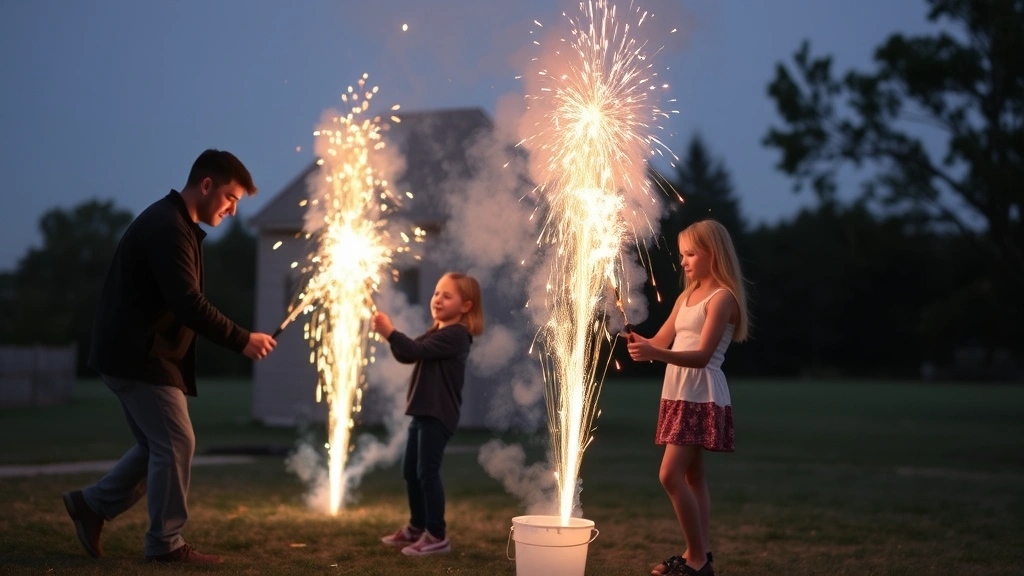
Iowa permits several categories of consumer fireworks when used in compliance with state and local regulations. The most commonly available legal fireworks include ground-based devices and novelty items that produce minimal noise and pose limited injury risk. These permissible fireworks are typically purchased from licensed retailers and are subject to age restrictions and purchase limitations.
Ground-based sparklers represent one of the most popular legal fireworks in Iowa. These devices must meet federal safety standards and be manufactured by CPSC-certified producers. Users must be at least 18 years old to purchase sparklers, and they must be used only outdoors in open areas away from structures and combustible materials. Sparklers should never be used while wearing loose clothing or near dried grass, leaves, or other fire hazards.
Fountains and showering devices are also legal in Iowa when they meet federal specifications. These ground-based devices emit sparks and colored light without producing significant noise or lifting off the ground. Fountains offer a visually appealing alternative to aerial fireworks and are generally considered safer for residential use. They must be placed on level, non-flammable surfaces and kept away from spectators.
Novelty fireworks such as certain pop-its, snappers, and smoke devices are permitted under Iowa law. These items produce minimal explosive force and are often sold in large quantities. However, local ordinances may restrict their use, particularly in densely populated areas or during specific hours of the day. Always verify local regulations before purchasing novelty fireworks.
Novelty sparklers and wire sparklers that meet federal safety standards are legal in Iowa. These must be used outdoors and away from structures, with proper adult supervision required when minors are present. Users should never attempt to reignite sparklers that have been partially used or appear defective.
Consumers interested in purchasing fireworks should buy only from licensed retailers who can verify that products meet federal safety standards. Reputable retailers maintain documentation of product safety certifications and can answer questions about proper use and storage. Purchasing from unlicensed sellers or importing fireworks from other states may violate state and federal law.
Prohibited Fireworks and Devices
Iowa maintains strict prohibitions on numerous fireworks categories deemed too dangerous for consumer use. Understanding what’s prohibited is just as important as knowing what’s permitted, as possession of illegal fireworks can result in serious criminal charges. The state’s prohibited list includes devices that pose significant injury or fire risks.
Aerial shells and mortars are completely prohibited for consumer use in Iowa. These devices launch projectiles into the air and pose severe risks of serious injury or death. Even commercially manufactured aerial shells intended for professional displays are illegal for private individuals to possess without proper licensing and permits.
Bottle rockets and similar aerial devices remain illegal in Iowa despite their popularity in other states. These small fireworks are designed to launch into the air and explode, creating significant injury and fire hazards. Possession of bottle rockets can result in criminal charges, and using them near structures or in populated areas increases the severity of potential penalties.
M-80s, cherry bombs, and similar large firecrackers are explicitly prohibited under Iowa law. These devices produce explosive force comparable to actual explosives and have caused severe injuries and deaths. The state treats possession of these items as a serious offense, with penalties escalating based on quantity and intent.
Roman candles that launch projectiles are prohibited, though some limited novelty versions may be permitted if they meet specific federal safety standards. The distinction can be confusing, so consumers should verify with retailers or local authorities before purchasing any Roman candle product.
Firecrackers larger than a certain size threshold are prohibited under state law. Iowa Code specifies precise measurements and explosive content limits, with devices exceeding these parameters classified as illegal explosives rather than consumer fireworks.
Homemade or modified fireworks are absolutely prohibited and constitute a serious felony offense in Iowa. Manufacturing fireworks without proper federal licensing is illegal under both state and federal law. Attempting to modify commercial fireworks to increase their explosive force or change their behavior is similarly prohibited and dangerous.
Fireworks containing certain chemical compounds are prohibited if they fail to meet federal safety standards. The CPSC maintains strict guidelines on allowable chemical compositions, and Iowa enforces these standards rigorously. Counterfeit or non-compliant products imported from other countries are particularly dangerous and strictly prohibited.
Licensing and Permit Requirements
Professional fireworks displays in Iowa require proper licensing and permitting from local authorities. Individuals seeking to conduct public fireworks displays must obtain a pyrotechnic operator license from the state fire marshal’s office. This licensing process ensures that only qualified, trained professionals conduct large-scale displays in public settings.
Professional display permits require submission of detailed safety plans, liability insurance documentation, and evidence of proper training and certification. The fire marshal’s office reviews these applications to ensure compliance with safety standards and protection of public welfare. Professional displays typically require permits specific to each event, with fees varying based on display size and complexity.
Pyrotechnic operator certification involves passing written examinations demonstrating knowledge of safety regulations, proper handling procedures, and emergency response protocols. Certified operators must maintain current training and continuing education certifications. Many states recognize reciprocal licensing, but Iowa requires verification of out-of-state credentials.
Special event permits may be required for private events such as weddings or corporate functions featuring fireworks displays. Even if conducted by licensed professionals, local jurisdictions typically require advance notification and approval. Some areas require additional safety measures such as fire department presence or additional insurance coverage.
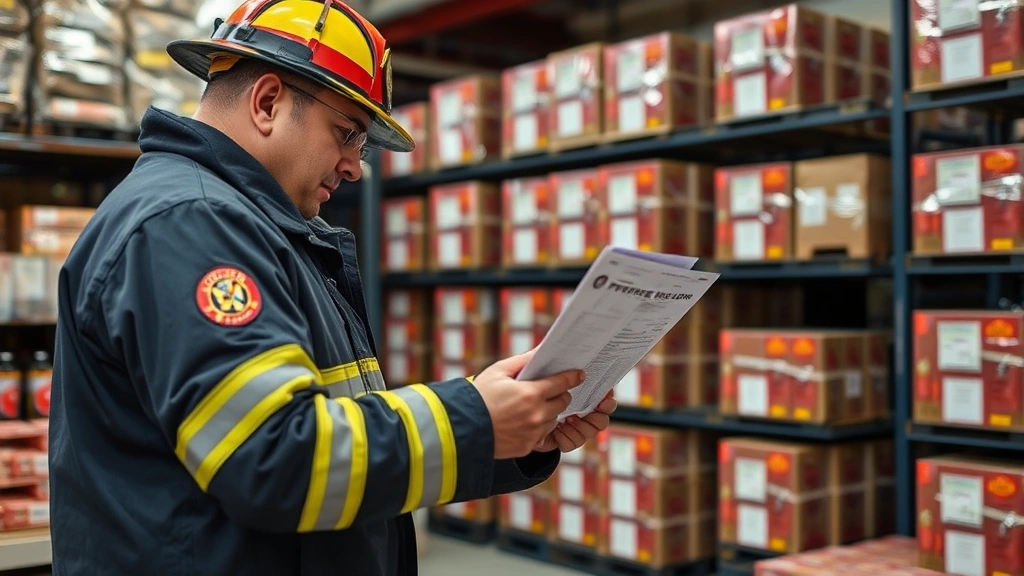
Storage and transportation permits are required for businesses handling fireworks in quantities exceeding specific thresholds. Retailers, wholesalers, and professional operators must comply with federal and state storage requirements, including proper facility construction, ventilation, and security measures. Regular inspections ensure ongoing compliance with these standards.
Safety Requirements and Best Practices
Even when using legal fireworks, Iowa residents must follow essential safety practices to prevent injuries and property damage. The state fire marshal’s office and local fire departments provide extensive safety guidelines that should be carefully reviewed before any fireworks use.
Adult supervision is mandatory when minors are present during fireworks use. Adults should ensure that only individuals of legal age actually handle fireworks, and children should be kept at safe distances from active devices. Never allow children to handle sparklers or other fireworks without direct adult supervision.
Use fireworks only in appropriate outdoor locations away from structures, vehicles, and combustible materials. Clear the area of dry grass, leaves, and other fire hazards before beginning. Never use fireworks indoors, in enclosed spaces, or near water features where they might be submerged.
Read and follow all product instructions carefully before using any fireworks. Different devices have specific usage requirements, and failure to follow instructions increases injury risk. Never attempt to modify products or use them in ways contrary to manufacturer specifications.
Keep water and fire extinguishers nearby when using fireworks. Having immediate access to water helps prevent fires and allows rapid response to unexpected ignition. Never attempt to re-light fireworks that failed to ignite; instead, soak them in water and dispose of properly.
Wear appropriate protective equipment including eye protection and closed-toe shoes. Keep loose clothing secured and tie back long hair. Avoid using fireworks while under the influence of alcohol or drugs, as impaired judgment significantly increases accident risk.
Dispose of used fireworks properly by soaking them in water before placing in trash. Never attempt to burn used fireworks or dispose of them in regular waste streams. Some communities offer special disposal services for fireworks waste.
Check local ordinances and restrictions before using any fireworks. Many Iowa communities impose additional restrictions beyond state law, including time-of-day limitations and location restrictions. Contact your local fire department or city clerk’s office to verify what’s permitted in your area.
Penalties and Legal Consequences
Violations of Iowa’s fireworks laws can result in substantial penalties depending on the severity of the offense. Understanding potential consequences helps underscore the importance of compliance with state and local regulations.
Civil infractions for minor violations such as using fireworks during prohibited hours or in restricted areas typically result in fines ranging from $50 to $200. These violations do not create criminal records but may be cited in subsequent legal proceedings.
Simple misdemeanor charges for possession of certain prohibited fireworks can result in fines up to $625 and potential jail time up to 30 days. These charges create criminal records and may impact employment, housing, and professional licensing.
Aggravated misdemeanor charges apply to more serious violations such as possession of large quantities of prohibited fireworks or use of fireworks in ways that create substantial injury risk. Penalties include fines up to $2,500 and potential imprisonment up to one year.
Felony charges may be filed for manufacturing fireworks, possession of large quantities of explosives, or use of fireworks in ways that cause injury or death. Felony convictions result in permanent criminal records and can lead to imprisonment for extended periods.
Civil liability extends beyond criminal penalties. Individuals injured by fireworks or whose property is damaged may pursue civil lawsuits for damages. Homeowner’s insurance policies typically exclude fireworks-related damage, meaning individuals may be personally liable for all costs.
Professional licensing consequences may result from fireworks violations. Individuals working in fields requiring professional licenses may face disciplinary action, license suspension, or revocation based on criminal convictions related to fireworks.
For detailed information on current Iowa statutes, consult the Iowa Code Chapter 727 or contact your local fire marshal’s office. The Iowa Department of Public Safety provides additional resources and guidance on fireworks regulations.
FAQ
Can I legally purchase fireworks online in Iowa?
Online purchase of fireworks is subject to the same restrictions as in-person purchases. You may only purchase fireworks that are legal under Iowa law, and retailers must comply with all state and federal regulations. Some shipping carriers prohibit fireworks shipment, so verify shipping availability before purchasing. Additionally, you must be of legal age to purchase fireworks, and retailers must verify your age before completing the transaction.
What is the legal age to purchase and use fireworks in Iowa?
Iowa requires individuals to be at least 18 years old to purchase fireworks. Age restrictions for use vary depending on the specific fireworks category and whether adult supervision is present. Some devices may be used by minors under direct adult supervision, while others are restricted to adults only. Check product packaging and local regulations for specific age requirements.
Are sparklers legal in Iowa?
Yes, certain sparklers meeting federal safety standards are legal in Iowa. However, sparkler use is restricted to individuals 18 years of age or older, and they must be used outdoors in open areas away from structures and combustible materials. Always follow manufacturer instructions and never allow sparklers to be held by very young children without direct adult supervision.
Can I set off fireworks in my backyard?
Whether you can use fireworks in your backyard depends on local ordinances and the specific fireworks involved. Even if fireworks are legal under state law, your city or county may prohibit their use in residential areas. Contact your local fire department or city clerk’s office to determine what’s permitted in your specific location. Additionally, ensure your backyard meets safety requirements including adequate distance from structures and combustible materials.
What should I do if I’m injured by fireworks?
Seek immediate medical attention for any fireworks-related injury. Serious injuries require emergency services, while minor burns or injuries should be evaluated by medical professionals. After receiving treatment, document the incident thoroughly including photographs and witness statements. If someone else’s fireworks caused your injury, you may have grounds for a civil lawsuit. Consider consulting with a personal injury attorney to discuss your legal options for recovering damages.
Can I import fireworks from neighboring states?
No, importing fireworks from other states violates Iowa law. Even if fireworks are legal in a neighboring state, bringing them into Iowa for use is illegal. This applies to all fireworks categories, including those that might be legal under Iowa law. The prohibition exists to prevent individuals from obtaining prohibited fireworks through out-of-state purchases. Violations can result in serious criminal charges.
How do I report illegal fireworks use?
Contact your local law enforcement agency or fire department to report illegal fireworks use. Provide specific information about the location, time, and nature of the fireworks being used. If the situation poses immediate danger, call 911. Many communities also maintain non-emergency phone lines for reporting violations that don’t require immediate emergency response.
Understanding Iowa’s fireworks regulations ensures safe, legal celebrations while protecting yourself and your community from serious injury and legal consequences. When planning any event involving fireworks, take time to research current regulations, obtain necessary permits, and follow all safety guidelines. Whether you’re planning a community celebration or private event, responsible fireworks use reflects respect for public safety and legal compliance. For additional resources on fireworks safety, visit the Consumer Product Safety Commission website or consult the National Fire Protection Association for comprehensive safety information.


