
Analyzing “Criminal Intent” Series: Lawyer Insight into Legal Accuracy and Procedural Realism
The television series Law & Order: Criminal Intent has captivated audiences for over a decade with its compelling narratives centered on major crimes, detective work, and the criminal justice system. However, like most television dramas, the show takes considerable creative liberties with legal procedures, evidence handling, and courtroom dynamics. As legal professionals and informed viewers, it’s important to understand where the series aligns with actual criminal law and where it diverges for entertainment purposes. This analysis examines key episodes and their portrayal of criminal justice procedures, examining both the accurate depictions and the dramatic exaggerations that make for compelling television.
Understanding the difference between television representation and legal reality helps viewers appreciate both the show’s entertainment value and the genuine complexity of criminal investigations. Whether you’re a law student, legal enthusiast, or simply a devoted fan, this comprehensive breakdown will illuminate the legal accuracy of Criminal Intent episodes and provide context for how real criminal cases actually proceed through the justice system.

How Criminal Intent Portrays Investigation Procedures
One of the most significant departures between Criminal Intent and real criminal investigations lies in the speed and scope of detective work. In the show, detectives Goren and Eames often solve complex murder cases within a single episode, typically spanning 42 minutes of screen time. Real criminal investigations can take months or even years to reach a conclusive stage. The show compresses timelines dramatically, showing forensic results within hours that might realistically take weeks.
The detectives in Criminal Intent frequently bypass standard protocols to access crime scenes, interview witnesses, and pursue leads. In reality, detective work is heavily regulated by departmental procedures and constitutional requirements. The Fourth Amendment protects citizens against unreasonable searches and seizures, meaning investigators must obtain proper warrants before conducting searches. The show occasionally depicts warrant acquisition, but often glosses over this requirement entirely.
Another notable aspect is the show’s portrayal of detective intuition and psychological profiling. While criminal psychology and behavioral analysis do play roles in real investigations, the show elevates Detective Goren’s almost supernatural ability to read suspects and uncover hidden motives. Real detectives rely on systematic evidence gathering, witness interviews, and forensic analysis rather than psychological insight alone. However, the show does accurately reflect that experienced detectives develop strong interviewing skills and the ability to assess credibility based on behavioral cues.
The relationship between the NYPD and district attorney’s office, as portrayed in the show, generally reflects real institutional dynamics. Prosecutors must be consulted before certain investigative steps, and cases are built with eventual courtroom presentation in mind. The show captures this collaborative tension reasonably well, though it often dramatizes the conflicts between law enforcement and prosecution.
Evidence Collection and Chain of Custody
Chain of custody—the documented movement and handling of evidence—is absolutely critical in real criminal cases. The show frequently depicts evidence collection but rarely emphasizes the meticulous documentation required. In reality, every person who touches evidence must be recorded, every transfer must be logged, and any break in this chain can render evidence inadmissible in court, potentially destroying an entire case.
When detectives in Criminal Intent discover physical evidence at crime scenes, they often handle items without the protective equipment and procedures that real forensic professionals employ. Modern crime scene investigation requires latex gloves, protective suits, and careful documentation. Cross-contamination of evidence is a serious concern in actual investigations, yet the show occasionally depicts detectives touching items without proper precautions.
DNA evidence receives significant attention throughout the series, reflecting its importance in modern criminal justice. However, the show often presents DNA results with unrealistic certainty and speed. Real DNA analysis can take considerable time, and results must be interpreted by qualified experts who understand the statistical significance of matches. The show typically treats DNA evidence as definitive proof, when in reality, it’s one piece of evidence that must be considered alongside other factors.
The show also depicts fingerprint evidence prominently. While fingerprints remain valuable investigative tools, the series sometimes suggests that a single fingerprint at a crime scene definitively proves guilt. Real fingerprint analysis requires matching multiple points of comparison, and fingerprints alone typically cannot establish guilt without corroborating evidence. This is particularly important in understanding how evidence standards apply across different legal proceedings.
Interrogation Tactics and Miranda Rights
Perhaps one of the most frequently dramatized aspects of criminal investigation involves suspect interrogation. Criminal Intent depicts detectives employing sophisticated psychological tactics to elicit confessions, which does reflect real interrogation techniques used by experienced investigators. However, the show sometimes depicts interrogations that would likely violate suspects’ constitutional rights in reality.
The Miranda warning—informing suspects of their right to remain silent and their right to an attorney—is a fundamental protection established by the Supreme Court in Miranda v. Arizona. The show occasionally depicts detectives providing this warning, but sometimes skips it or downplays its importance. In real practice, any statement made by a suspect who wasn’t properly Mirandized before custodial interrogation would be inadmissible in court.
Detectives in the show frequently employ deception during interrogations, telling suspects that evidence exists against them when it doesn’t. This tactic is actually permissible under constitutional law, as courts have ruled that police deception during interrogation doesn’t automatically violate a suspect’s rights. However, there are limits—deception cannot be so extreme that it overcomes a suspect’s will to resist, and statements made in response to such deception may be challenged as involuntary.
The show depicts confessions as nearly definitive proof of guilt, but real criminal defense attorneys understand that confessions can be unreliable. False confessions do occur, particularly when suspects are exhausted, mentally ill, or subjected to coercive tactics. Understanding the legal definition of coercion and improper police conduct is essential for evaluating interrogation legitimacy.
Legal Representation and Defense Strategies
The portrayal of defense attorneys in Criminal Intent varies considerably. Some episodes depict conscientious defense lawyers fighting vigorously for their clients’ constitutional rights, while others show defense counsel as obstacles to justice. In reality, the Sixth Amendment guarantees the right to adequate legal representation, and defense attorneys play a crucial role in protecting the accused and ensuring procedural fairness.
The show sometimes depicts defense attorneys learning about evidence simultaneously with the audience, suggesting inadequate discovery practices. In real criminal cases, the discovery process—where prosecutors must share evidence with the defense—is heavily regulated. Brady material (exculpatory evidence) must be disclosed, and failure to do so constitutes prosecutorial misconduct that can overturn convictions.
Criminal defense involves numerous strategic decisions that the show occasionally explores but often glosses over. Defense attorneys must decide whether to pursue plea negotiations, file motions to suppress evidence, challenge witness credibility, or mount a full trial defense. These decisions involve complex cost-benefit analysis and consideration of sentencing guidelines. The show sometimes depicts defense attorneys as simply accepting guilt or mounting perfunctory defenses, which misrepresents the profession’s ethical obligations.
One realistic element the show captures is the tension between defense counsel and their clients. Real defense attorneys sometimes must counsel clients that their desired strategy is legally impossible or strategically inadvisable. The show occasionally depicts this dynamic, accurately reflecting the challenge of managing client expectations while providing zealous representation.
Courtroom Procedures and Trial Dynamics
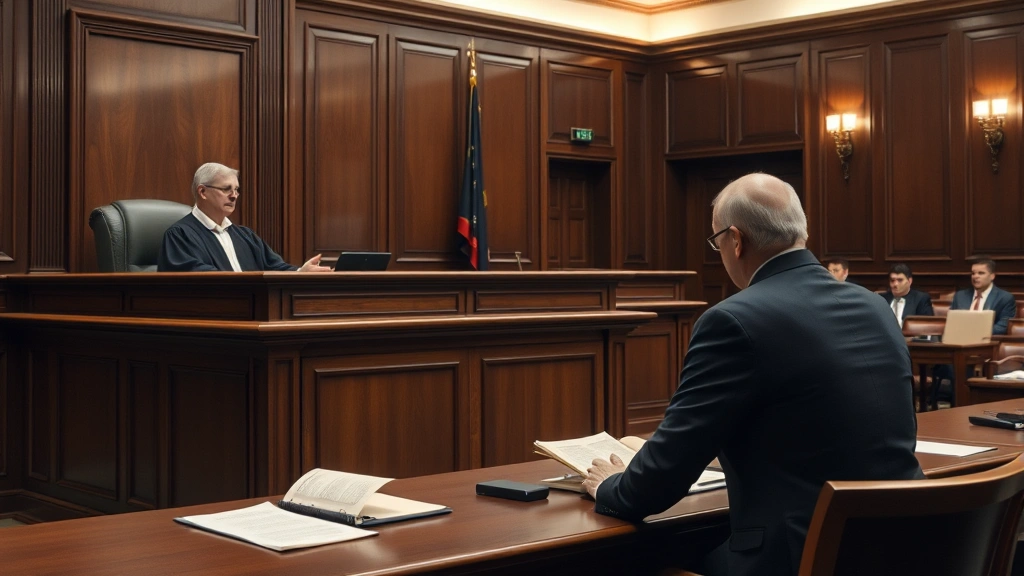
Courtroom scenes in Criminal Intent are often compressed and dramatized, but they generally reflect real trial procedures. The show depicts opening statements, witness examination, cross-examination, and closing arguments in roughly accurate sequence. However, real trials move considerably more slowly, with numerous procedural motions, jury instructions, and judicial rulings that don’t translate well to television.
The show depicts judges as relatively passive arbiters who allow considerable latitude in attorney questioning and argument. Real judges exercise more active control over trial proceedings, enforcing rules of evidence, preventing improper questions, and maintaining decorum. Rules of evidence—complex regulations governing what information can be presented to juries—are occasionally referenced but rarely thoroughly explored in the show.
Expert witness testimony appears frequently in Criminal Intent, and the show generally depicts the qualification and examination of experts reasonably accurately. However, the show sometimes suggests that expert opinions are more definitive than they actually are. Real experts must acknowledge the limitations of their analyses and the possibility of alternative interpretations.
The show depicts jury deliberations in limited fashion, typically showing only the moment when jurors reach a verdict. Real jury deliberations can last days or weeks, with jurors debating evidence, applying jury instructions, and negotiating among themselves. The show’s compressed format doesn’t allow for exploration of how juries actually process complex evidence and legal instructions.
Notable Episodes and Their Legal Implications
Certain Criminal Intent episodes deserve specific legal analysis for their depiction of particular crimes or legal issues. Episodes involving stalking and harassment often involve questions about when behavior crosses from annoying to criminal. The legal definition of harassment varies by jurisdiction, but generally requires repeated conduct intended to cause emotional distress or alarm. The show sometimes depicts harassment cases accurately, though it occasionally suggests that single incidents constitute criminal harassment when they wouldn’t meet legal thresholds.
Episodes involving financial crimes or corporate wrongdoing often raise questions about white-collar criminal liability. These cases typically require proof of intent to defraud or knowledge of wrongdoing, which can be more difficult to establish than street crimes. The show occasionally captures this complexity, showing how prosecutors must prove state of mind through circumstantial evidence and testimony.
Cases involving crimes of passion—murders committed in the heat of the moment—raise questions about heat of passion defenses and voluntary manslaughter. These are legally complex distinctions that real criminal law recognizes but that the show sometimes oversimplifies. The difference between premeditation and impulsive action can determine whether a defendant faces murder or manslaughter charges, with dramatically different sentencing consequences.
Episodes involving sexual assault raise important questions about consent, credibility, and the challenges prosecutors face in these cases. The show has evolved in its treatment of sexual assault cases, becoming more sensitive to victim trauma while still depicting the investigative and prosecutorial challenges these cases present.
The Role of Forensic Science
Forensic science plays a central role in Criminal Intent, reflecting its importance in modern criminal investigation. The show depicts various forensic disciplines: forensic pathology (determining cause and time of death), toxicology (identifying drugs and poisons), entomology (using insect evidence), and trace evidence analysis. Generally, the show presents these disciplines accurately in broad outline, though it often exaggerates the certainty and speed of forensic results.
The “CSI effect”—the phenomenon where juries expect forensic evidence and become skeptical of cases lacking it—is a real concern in modern criminal prosecution. The show both reflects and reinforces this cultural expectation. In reality, many serious crimes are prosecuted successfully based on eyewitness testimony, circumstantial evidence, and confession, without forensic evidence. However, forensic evidence has become increasingly important and sophisticated.
Forensic psychology and behavioral profiling receive significant emphasis in Criminal Intent, particularly through Detective Goren’s character. While criminal profiling is a real investigative tool, it’s less definitive than the show suggests. The FBI’s Behavioral Analysis Unit does provide profiling services, but these profiles are investigative aids rather than proof of guilt. Real profilers understand that behavioral patterns are probabilistic rather than deterministic.
Toxicology—the study of poisons and drugs—appears in numerous episodes. The show generally depicts toxicological analysis accurately, showing how forensic toxicologists identify substances and determine whether they could have caused death. However, the show sometimes suggests that toxicology results are more definitive than they are. Toxicologists must consider absorption rates, metabolism, individual variation, and other factors that complicate interpretation.
Digital forensics—examining computers, phones, and electronic devices—has become increasingly important in real criminal investigations, and Criminal Intent occasionally depicts digital evidence. However, the show’s treatment of digital forensics is often oversimplified. Real digital forensics requires specialized expertise and careful handling to avoid corrupting evidence. The legal issues surrounding digital privacy and electronic surveillance are also more complex than the show typically portrays.
The relationship between forensic science and the broader criminal justice system involves important quality control considerations. The Innocence Project and other organizations have documented cases where forensic evidence was misinterpreted or mishandled, leading to wrongful convictions. Real forensic laboratories operate under quality standards and accreditation requirements that the show doesn’t explore.
Understanding how forensic evidence actually functions in real cases helps viewers appreciate both the show’s accuracy and its dramatization. When watching Criminal Intent episodes, consider how the show compresses forensic timelines and how it presents forensic evidence as definitive when real cases involve more nuance and uncertainty. This perspective enhances appreciation for both the show’s entertainment value and the genuine complexity of criminal investigation.
FAQ
How accurate is the depiction of detective work in Criminal Intent?
The show captures some aspects of detective work accurately, including the collaborative relationship between detectives and prosecutors, the importance of witness interviews, and the use of interrogation skills. However, it dramatically compresses timelines, omits many procedural requirements, and exaggerates the role of detective intuition. Real investigations take much longer and involve more systematic evidence gathering than the show depicts.
Can police really use deception during interrogations as shown in Criminal Intent?
Yes, police deception during interrogation is generally permissible under constitutional law. Detectives can lie about evidence, use psychological tactics, and employ other deceptive strategies. However, statements obtained through coercive tactics or extreme deception may be challenged as involuntary. The key limitation is that suspects must be Mirandized before custodial interrogation, and they can request an attorney at any time.
Are confessions as definitive as Criminal Intent suggests?
No. While confessions are powerful evidence, they’re not automatically conclusive. False confessions do occur, and defense attorneys challenge confessions based on voluntariness, reliability, and other factors. Real prosecutors understand that confessions must be corroborated with other evidence, and juries are increasingly skeptical of confessions obtained under questionable circumstances.
What about the chain of custody procedures shown in the show?
The show depicts evidence collection but rarely emphasizes the meticulous chain of custody documentation required in real cases. Every transfer of evidence must be logged, every person handling evidence must be recorded, and any break in the chain can render evidence inadmissible. Real forensic professionals follow strict protocols that the show often shortcuts for dramatic effect.
How realistic are the courtroom scenes in Criminal Intent?
Courtroom scenes are generally accurate in broad structure but highly compressed. Real trials involve more procedural motions, jury instructions, and judicial rulings than the show depicts. Rules of evidence are more rigorously enforced in real courts, and trials move more slowly. The show’s compression serves entertainment purposes but doesn’t reflect the actual pace of litigation.
Is forensic evidence really as reliable as the show presents?
Forensic evidence is valuable but not infallible. The show sometimes exaggerates forensic certainty and speed. DNA analysis takes time, fingerprint matching requires multiple points of comparison, and toxicology involves interpretation rather than simple yes-or-no answers. Understanding the limitations of forensic evidence is crucial for evaluating its role in real cases.
What about the portrayal of defense attorneys?
The show’s depiction of defense attorneys varies. Some episodes accurately portray zealous advocacy and constitutional protection, while others misrepresent the profession. Real defense attorneys have ethical obligations to provide competent representation, challenge evidence, and protect their clients’ rights. Understanding the crucial role of defense advocacy in the criminal justice system helps viewers appreciate the show’s occasional misrepresentations.
How do Criminal Intent episodes handle complex legal issues?
The show addresses various legal issues including legal malpractice in some episodes, though it rarely explores legal complexities thoroughly. The show prioritizes narrative drama over legal accuracy, which is understandable for entertainment television but means viewers shouldn’t rely on it for legal information. Real legal issues are typically more complex than the show suggests.


