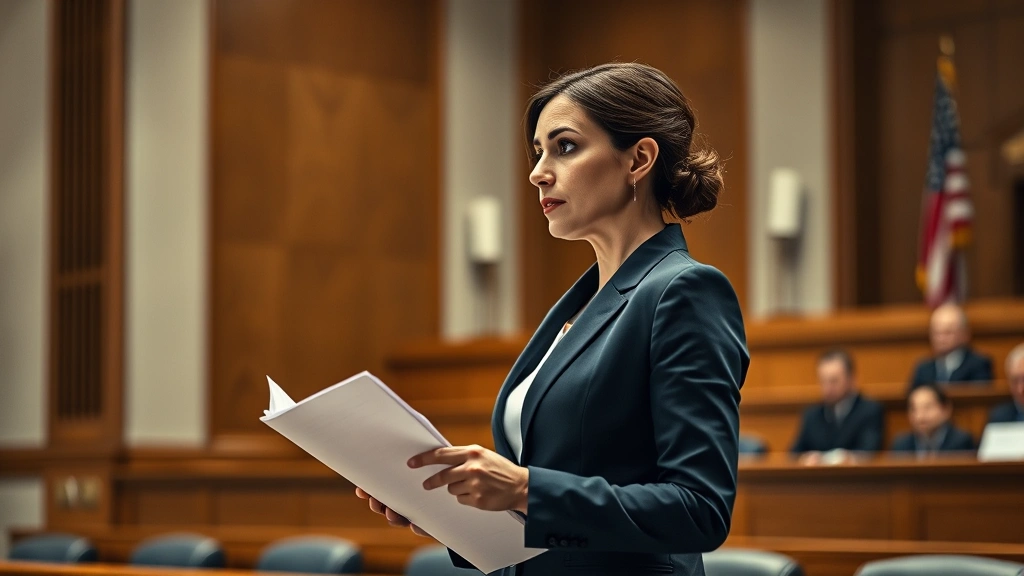
Law & Order Season 22: Legal Insights and Real-World Applications
Law & Order Season 22 continues the iconic franchise’s tradition of weaving compelling legal narratives with authentic procedural elements that keep audiences engaged week after week. The show’s 22nd season delivers thought-provoking storylines that explore contemporary legal issues, criminal procedures, and the complexities of the justice system. Whether you’re a devoted fan of the series or someone interested in understanding how television depicts real legal processes, this season offers valuable insights into how the law actually works in practice.
The enduring appeal of Law & Order lies in its commitment to grounding fictional narratives in legitimate legal procedures and authentic courtroom dynamics. Season 22 maintains this standard while tackling modern issues that resonate with current events and societal concerns. From complex criminal investigations to intricate prosecutorial strategies, each episode provides a window into the multifaceted world of criminal justice. This guide explores the key legal concepts featured throughout the season and connects them to real-world legal practice.
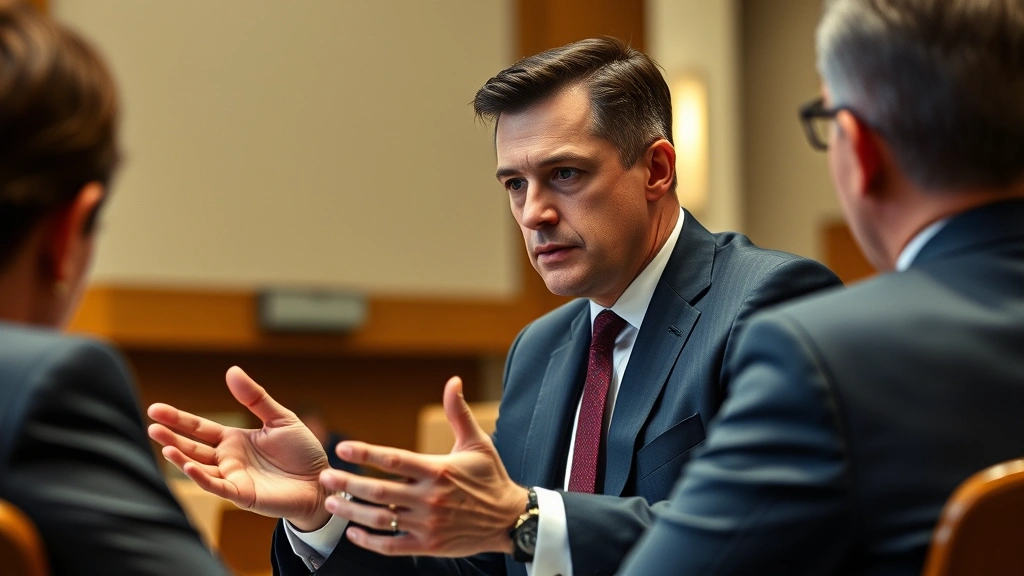
Criminal Procedure and Investigation
Law & Order Season 22 opens with episodes that demonstrate the foundational principles of criminal investigation and procedure. The NYPD detectives portrayed in the show follow established protocols that mirror real-world criminal investigations. These procedures protect both the integrity of the investigation and the constitutional rights of suspects. Understanding these procedures helps viewers appreciate the legal framework that governs criminal cases from their inception.
The investigation phase shown in the series involves multiple critical steps. Detectives must establish probable cause before making arrests, conduct proper searches with appropriate warrants, and preserve evidence according to strict chain-of-custody requirements. Season 22 episodes frequently highlight the importance of these procedural safeguards, demonstrating how violations can jeopardize entire cases. The show realistically portrays how investigators work within constitutional constraints while pursuing justice for victims.
One significant aspect of the investigations featured in Season 22 involves understanding victim rights and witness protection. The show depicts how law enforcement balances the need to gather evidence with the obligation to protect vulnerable witnesses and victims from intimidation or harm. These protocols reflect actual legal requirements that govern how authorities handle sensitive cases, particularly those involving crimes like domestic violence or sexual assault.
The detectives’ interactions with suspects demonstrate important Miranda rights and interrogation procedures. Season 22 episodes show how proper warnings and voluntary statements are essential to building admissible evidence. When investigators fail to follow these procedures correctly, the consequences reverberate through the entire legal process, potentially leading to dismissed charges or acquittals despite strong circumstantial evidence.

Prosecution Strategy and Evidence
The prosecution team in Law & Order Season 22 faces realistic challenges in building cases strong enough to survive judicial scrutiny. Assistant District Attorneys must navigate complex evidentiary rules, constitutional protections, and the burden of proof beyond a reasonable doubt. The season demonstrates how prosecutors develop comprehensive strategies that integrate physical evidence, witness testimony, and expert analysis into cohesive narratives.
Evidence presentation in Season 22 episodes showcases the critical importance of forensic analysis, digital evidence, and circumstantial evidence chains. Prosecutors must establish the relevance and admissibility of evidence before presenting it to juries. The show accurately depicts how defense attorneys challenge evidence through cross-examination and expert testimony, reflecting the adversarial nature of criminal trials. When evidence is properly documented and preserved, it becomes powerful prosecution tools; when procedures are compromised, even compelling evidence may be excluded from trial.
The theme of consumer protection law occasionally intersects with criminal prosecution in Season 22, particularly in episodes involving fraud or financial crimes. Prosecutors must understand both criminal statutes and relevant consumer protection regulations to build comprehensive cases. This intersection demonstrates how the legal system addresses violations across multiple regulatory frameworks simultaneously.
Expert witness testimony plays a significant role in Season 22 prosecutions. Medical examiners, forensic specialists, and other experts provide crucial testimony that helps establish facts the jury cannot determine independently. The show realistically portrays how expert credibility, methodology, and the strength of scientific conclusions can make or break prosecutorial arguments. Proper preparation and presentation of expert testimony often determines trial outcomes.
Defense Tactics and Legal Rights
Law & Order Season 22 presents defense attorneys who vigorously protect their clients’ constitutional rights while navigating the complexities of criminal litigation. The show depicts how skilled defense representation challenges prosecution evidence, identifies procedural violations, and develops alternative theories of guilt or innocence. These defense tactics reflect legitimate legal strategies employed in actual criminal cases.
The right to effective assistance of counsel stands as a cornerstone of the American legal system, and Season 22 episodes demonstrate why this protection matters profoundly. Defense attorneys must conduct thorough investigations, file appropriate motions, cross-examine prosecution witnesses effectively, and present compelling arguments to juries. When defense counsel fails to provide adequate representation, convictions can be overturned on appeal, regardless of guilt or innocence.
Season 22 episodes frequently show defense attorneys raising reasonable doubt about prosecution theories. By highlighting inconsistencies in witness testimony, alternative explanations for evidence, or procedural violations, skilled defense representation ensures that convictions rest on solid legal and factual foundations. The show demonstrates that defense attorneys serve a critical function in maintaining the integrity of the justice system, not simply by freeing guilty individuals, but by ensuring guilty individuals are convicted only through proper legal procedures and compelling evidence.
The concept of plea negotiations features prominently in Season 22, reflecting the reality that approximately 95% of criminal cases never reach trial. Defense attorneys must advise clients about the risks of trial versus the certainty of negotiated settlements. These discussions require thorough understanding of applicable law, realistic assessment of evidence strength, and careful consideration of sentencing implications.
Contemporary Workplace and Consumer Issues
Season 22 addresses modern crimes emerging from workplace dynamics and consumer transactions. Episodes tackling workplace misconduct demonstrate the intersection of criminal law with employment regulations. Understanding how to report workplace harassment involves knowing both internal company procedures and external legal resources. When harassment crosses into criminal conduct, victims may pursue both civil employment remedies and criminal prosecution.
The show explores how workplace crimes often involve abuse of authority, sexual misconduct, or financial exploitation. These cases present unique challenges because perpetrators frequently occupy positions of power over victims, complicating reporting and investigation. Season 22 episodes demonstrate how prosecutors address power imbalances and victim reluctance while building strong cases against well-resourced defendants with access to skilled legal representation.
Consumer fraud and lemon law violations occasionally appear in Season 22 episodes, showing how consumer protection intersects with criminal prosecution. When businesses systematically defraud consumers, criminal charges may complement civil remedies available under consumer protection statutes. These cases require prosecutors to understand both criminal fraud elements and applicable consumer protection regulations.
Episodes involving financial crimes demonstrate the complexity of white-collar criminal prosecution. Prosecutors must trace money flows, understand complex financial instruments, and present evidence in ways juries can comprehend. Expert testimony from forensic accountants and financial specialists becomes essential to establishing criminal intent and quantifying victim losses. Defense attorneys counter with alternative explanations for financial transactions and challenge prosecution interpretations of complex financial data.
Alternative Dispute Resolution
While Law & Order focuses primarily on criminal cases, understanding mediation vs arbitration and their key differences provides valuable context for how many disputes resolve outside the criminal justice system. When criminal conduct causes civil harm, victims may pursue both criminal prosecution and civil litigation. Many civil cases settle through mediation or arbitration rather than proceeding to trial, reducing litigation costs and providing faster resolution.
The alternative dispute resolution framework offers advantages particularly relevant to victim compensation. Criminal restitution requires defendants to compensate victims for losses, but civil litigation may recover additional damages. Mediation allows victims and defendants to negotiate settlements without the uncertainty of trial, while arbitration provides faster resolution than traditional litigation. Season 22 episodes occasionally reference these mechanisms when discussing victim compensation and case resolution.
Understanding dispute resolution options becomes critical when criminal conduct creates both criminal liability and civil exposure. Defendants facing criminal prosecution may simultaneously face civil lawsuits from victims. The relationship between criminal and civil proceedings requires careful navigation, as statements made in criminal proceedings can be used against defendants in civil cases. Skilled attorneys must coordinate criminal defense strategy with civil litigation strategy to protect clients’ interests across both legal domains.
Legal Documentation and Briefs
Behind every Law & Order episode lies extensive legal documentation—arrest reports, warrants, motions, briefs, and court orders. Learning how to write a legal brief step-by-step provides insight into how attorneys present arguments to courts. While the show rarely depicts the writing process, understanding legal briefs illuminates how attorneys develop arguments that persuade judges and juries.
Legal briefs serve multiple critical functions in criminal cases. Motion briefs persuade judges to exclude evidence, dismiss charges, or grant continuances. Appellate briefs convince appellate courts that trial errors warrant reversal. Sentencing memoranda argue for lenient or harsh sentences depending on whether they come from prosecution or defense. Each brief type follows specific formatting and argumentative conventions designed to present information clearly and persuasively to legal decision-makers.
The prosecution and defense teams in Season 22 episodes rely heavily on well-researched briefs that cite applicable law and distinguish unfavorable precedent. When judges rule on motions, they typically base decisions on written briefs rather than oral argument alone. The quality of legal writing directly impacts case outcomes, making brief-writing skills essential to successful legal practice. Season 22 episodes demonstrate the consequences when attorneys present weak arguments or fail to properly research applicable law.
Discovery documents constitute another critical category of legal documentation. Prosecutors must provide defense attorneys with exculpatory evidence and Brady material—evidence suggesting innocence or undermining prosecution credibility. The show realistically portrays how discovery disputes arise when prosecutors claim evidence lacks relevance or when defense attorneys demand access to materials prosecutors initially withheld. Proper handling of discovery obligations protects case integrity and ensures fair trials.
FAQ
How accurately does Law & Order Season 22 depict criminal procedure?
Law & Order Season 22 maintains the franchise’s commitment to procedural accuracy while necessarily compressing timelines and simplifying some legal processes for television. The show accurately depicts investigation phases, evidence rules, and trial procedures, though real criminal cases often involve far more preliminary hearings, discovery disputes, and procedural motions than television episodes can realistically portray. Consult the American Bar Association resources for comprehensive information about criminal procedure rules.
Can criminal defendants actually refuse to testify at trial?
Yes, the Fifth Amendment protects criminal defendants from self-incrimination. Defendants can choose not to testify, and prosecutors cannot comment on this choice to juries. Season 22 episodes sometimes explore this dynamic when defendants must decide whether testimony might help their case despite prosecution cross-examination risks. This constitutional protection remains absolute regardless of how guilty a defendant might appear.
What is probable cause and why does it matter?
Probable cause is the constitutional standard required for arrest warrants and search warrants. It requires more than mere suspicion but less than proof beyond a reasonable doubt. Law enforcement must demonstrate to judges that probable cause exists before obtaining warrants. Season 22 episodes show how weak probable cause can lead to suppressed evidence and dismissed charges when violations occur.
How do prosecutors prove intent in criminal cases?
Prosecutors can prove criminal intent through direct evidence (defendant’s statements) or circumstantial evidence (conduct patterns, motive, preparation). Season 22 episodes frequently depict prosecutorial strategies for establishing intent through witness testimony and circumstantial evidence chains. Juries can infer intent from circumstances even without direct evidence of the defendant’s thoughts.
What happens when evidence is obtained illegally?
The exclusionary rule prohibits prosecutors from using evidence obtained through constitutional violations. Season 22 episodes demonstrate how improper searches, illegal interrogations, or other procedural violations result in evidence suppression. Even highly incriminating evidence becomes inadmissible when law enforcement obtains it unconstitutionally, potentially destroying prosecution cases. Visit the Department of Justice website for information about evidence rules and constitutional protections.
Can victims influence prosecution decisions?
While prosecutors must consider victim interests, they retain discretion to make charging and plea negotiation decisions based on legal merit and public interest. Season 22 episodes show how victims’ preferences sometimes conflict with prosecution strategies. Prosecutors cannot be compelled to pursue cases victims want dismissed if evidence supports prosecution, but victim input remains important to prosecutorial decision-making.
What role do expert witnesses play in criminal trials?
Expert witnesses help juries understand complex scientific, medical, or technical evidence. Season 22 episodes feature forensic specialists, medical examiners, and other experts who testify about evidence analysis. Expert testimony must be based on reliable methodology and proper foundation, and defense attorneys can challenge expert credentials and conclusions through cross-examination.
How does the legal law hub help people understand criminal justice?
Legal resource centers provide comprehensive information about criminal procedures, rights, and legal processes. These resources help citizens understand television depictions of legal procedures and learn how actual criminal justice works. Educational materials about criminal law help people appreciate the protections available to defendants and the challenges prosecutors face in securing convictions.


